For cat owners, managing litter box duties is a daily chore that few look forward to. Scooping, cleaning, odor control—these tasks add up, especially in multi-cat households. Enter the self-cleaning litter box: a high-tech solution promising convenience, hygiene, and reclaimed time. But with prices ranging from $150 to over $600, many pet owners are left wondering—is this gadget truly worth the investment, or is it just another expensive appliance destined for early failure?
The answer isn’t straightforward. While self-cleaning litter boxes offer undeniable benefits, they also come with trade-offs in reliability, maintenance complexity, and compatibility with certain cats. To make an informed decision, it’s essential to weigh real-world performance against marketing claims, examine long-term value, and consider your specific household dynamics.
How Self-Cleaning Litter Boxes Work
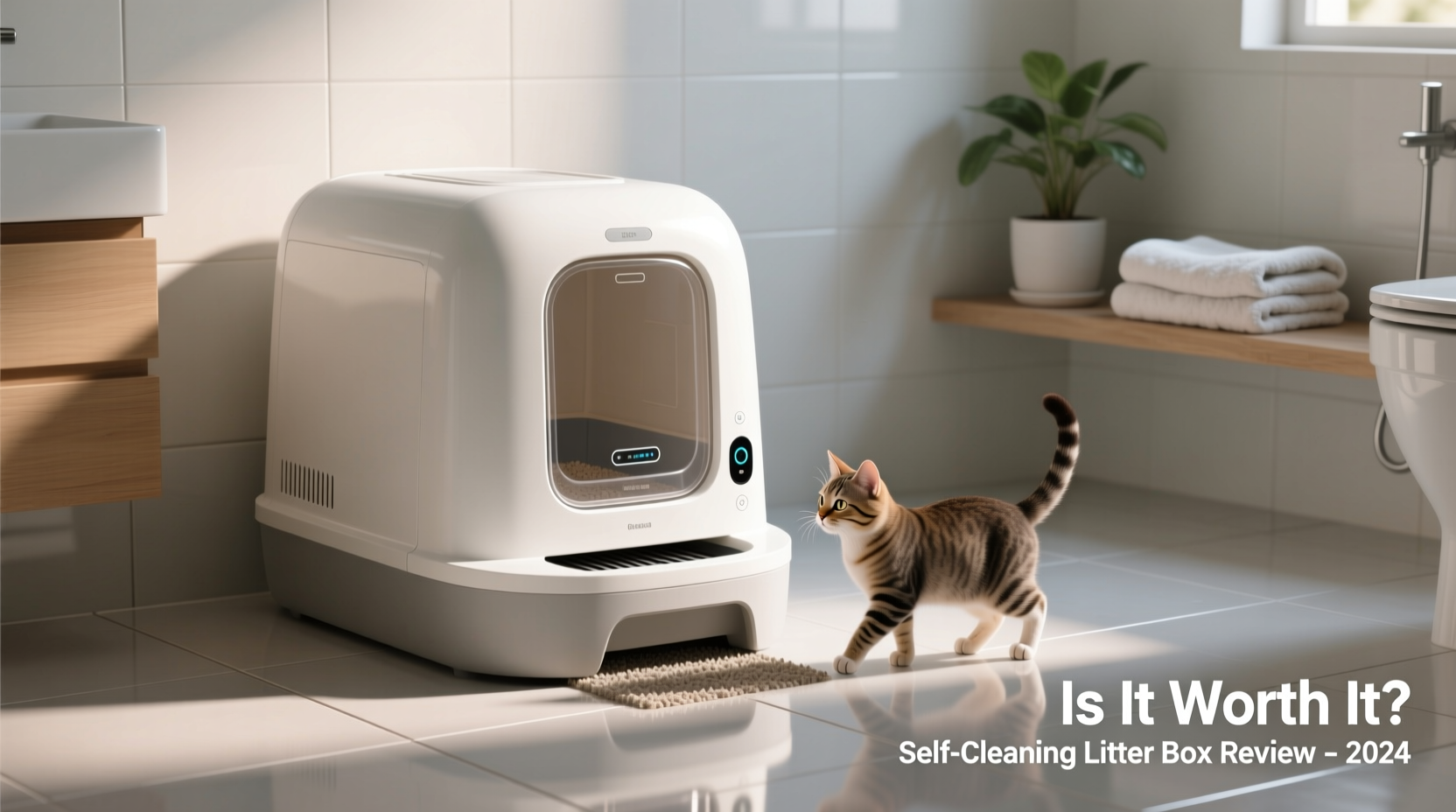
Most self-cleaning litter boxes operate on a similar principle: after your cat uses the box, sensors detect when they’ve left, triggering a mechanical rake or sifting system that separates waste clumps from clean litter. The waste is then deposited into a sealed compartment, often lined with a disposable bag or tray for easy disposal.
There are two primary mechanisms:
- Rake-Based Systems: A comb-like rake moves through the litter after a set delay (usually 7–15 minutes), pulling clumps into a waste drawer. Brands like Litter-Robot and PetSafe ScoopFree use variations of this design.
- Sifting & Rotating Designs: Some models, such as the Litter-Robot, use a rotating globe that sifts waste to the bottom when activated. This method reduces direct contact between the rake and litter, potentially lowering jamming risks.
Many units include features like app connectivity, usage tracking, carbon filters for odor control, and adjustable sensitivity settings to prevent false triggers.
Tip: Always allow a 3–7 day acclimation period when introducing a self-cleaning litter box. Sudden changes can cause litter box avoidance.Pros: What Makes These Boxes Appealing
The appeal of a self-cleaning litter box lies in its ability to reduce manual labor and maintain cleanliness with minimal effort.
- Time Savings: No more daily scooping. Most models only require emptying the waste drawer every 5–7 days, depending on usage.
- Odor Control: Sealed waste compartments and built-in carbon filters significantly reduce ammonia and fecal odors compared to open trays.
- Consistent Cleanliness: Waste is removed automatically, so the box stays cleaner between deep cleans, which can encourage picky cats to use it regularly.
- Remote Monitoring: App-connected models send notifications when the waste drawer is full or if your cat hasn’t used the box—useful for monitoring health changes.
- Reduced Litter Tracking: Enclosed designs minimize litter scatter across floors.
For elderly owners, people with mobility issues, or those with multiple cats, these benefits can dramatically improve quality of life.
Cons: Reliability, Cost, and Cat Compatibility
Despite their advantages, self-cleaning litter boxes have notable drawbacks that contribute to skepticism about their long-term value.
High Upfront Cost: Entry-level models start around $150, while advanced versions like the Litter-Robot 4 exceed $600. Replacement parts—rakes, liners, circuit boards—are often proprietary and costly.
Mechanical Failures: Moving parts mean potential breakdowns. Common issues include jammed rakes (especially with low-quality or non-clumping litter), sensor malfunctions, and motor burnout. Repair options are limited; most manufacturers offer warranties of 1–2 years, after which replacement may be more economical than repair.
Cat Acceptance: Not all cats adapt well. The noise of activation, confined space, or delayed timing can scare some pets. Multiple-cat households may face challenges if one cat enters the box immediately after another, triggering a cycle mid-use.
Litter Limitations: Most units require specific types of clumping litter. Lightweight or silica-based crystals may not work properly, limiting choice and increasing ongoing costs.
“While automated litter boxes reduce owner workload, they introduce new variables—mechanical failure, noise sensitivity, and litter compatibility—that can compromise feline acceptance and long-term usability.” — Dr. Sarah Thompson, DVM, Feline Behavior Consultant
Real-World Performance: A Mini Case Study
Consider the experience of Maria, a cat owner in Portland with two indoor cats: Luna, a cautious 8-year-old tabby, and Milo, a bold 3-year-old Maine Coon. After researching options, Maria invested $550 in a Litter-Robot 4, hoping to eliminate daily scooping.
Initial results were promising. The unit handled both cats’ waste efficiently, and odor was noticeably reduced. However, by month four, the rake began jamming intermittently. After checking forums, Maria realized she’d been using a lightweight clay litter not optimized for the machine. Switching to the recommended brand resolved the issue—but at nearly double the cost per bag.
Eight months in, the unit stopped responding to sensors. Customer support confirmed a motherboard failure. With the warranty expired, repair would cost $180. Maria opted to replace it, bringing her total ownership cost to over $730 in under a year.
Her verdict? “It worked beautifully while it lasted, but I didn’t anticipate how dependent I’d become on a single device—or how expensive it is to maintain. For me, it wasn’t worth the long-term cost.”
Cost-Benefit Analysis: Are They Worth It?
To determine value, compare the lifetime cost of a self-cleaning box against traditional litter maintenance.
| Factor | Traditional Litter Box | Self-Cleaning Litter Box (e.g., Litter-Robot) |
|---|---|---|
| Upfront Cost | $20–$50 | $450–$600 |
| Monthly Litter Cost | $15–$25 | $25–$40 (specific brands required) |
| Time Spent Weekly | 15–30 minutes scooping | 5 minutes emptying waste drawer |
| Expected Lifespan | 5+ years (plastic tray) | 2–4 years (average) |
| Maintenance Complexity | Low (wash monthly) | Medium (sensor checks, part replacements) |
| Total 3-Year Cost Estimate | $650–$950 | $900–$1,300+ |
At first glance, the self-cleaning option appears more expensive. However, the value equation shifts when factoring in intangible benefits: time saved, reduced physical strain, and improved odor control. For someone working long hours or managing chronic pain, those savings may justify the premium.
Tip: Use only manufacturer-recommended litter to avoid jams and voided warranties.Step-by-Step Guide to Deciding If One Is Right for You
Follow this sequence to evaluate whether a self-cleaning litter box fits your lifestyle:
- Assess Your Current Routine: How much time do you spend on litter maintenance weekly? Is it a source of stress?
- Evaluate Your Cats: Are they anxious, large, or prone to jumping in immediately after another cat? These traits may hinder adoption.
- Calculate Budget: Include not just purchase price, but expected litter costs, replacement parts, and potential repairs over 3 years.
- Check Space & Power Access: Most units require a dedicated electrical outlet and at least 3 feet of clearance for rotation or rake movement.
- Read Verified Owner Reviews: Focus on feedback from users with similar household setups (multi-cat, carpeted rooms, etc.).
- Test a Trial Model (if possible): Some companies offer rental programs or return windows. Use this to gauge cat acceptance and noise tolerance.
Checklist: Before Buying a Self-Cleaning Litter Box
- ✅ Confirm your cat’s weight is within the device’s limit (usually 5–15 lbs per cat)
- ✅ Ensure you have a nearby power outlet
- ✅ Measure space to accommodate swing radius or rake extension
- ✅ Verify compatible litter types and availability in your region
- ✅ Check warranty length and customer service reputation
- ✅ Review return policy in case your cat refuses the unit
- ✅ Consider backup plan if the unit fails mid-cycle
Frequently Asked Questions
Can self-cleaning litter boxes handle multiple cats?
Yes, many models are designed for multiple cats, but effectiveness depends on usage frequency. High traffic can fill the waste drawer faster and increase jamming risk. Units like the Litter-Robot 4 claim support for up to four cats, but real-world performance varies. Monitor waste capacity closely in multi-cat homes.
Do they really reduce odor?
Generally, yes. By sealing waste shortly after deposition, these boxes prevent prolonged exposure to air, significantly cutting down on ammonia buildup. Carbon filters and enclosed designs enhance this effect. However, poor ventilation in the room or infrequent waste drawer changes can negate these benefits.
Are there reliable brands, or do they all break eventually?
Reliability varies. Litter-Robot has the longest track record and strongest user community, with many reporting 3+ years of service. PetSafe ScoopFree models are more affordable but have higher failure rates past 18 months. Newer entrants like CatGenie (which washes and reuses litter) show promise but face criticism over complexity and water usage. Look for brands with accessible customer support and modular parts.
Final Verdict: Investment or Liability?
Self-cleaning litter boxes are neither universally worth it nor inherently flawed. Their value hinges on individual circumstances. For tech-savvy owners with tolerant cats and the budget to absorb repair or replacement costs, they can be transformative. For others—especially those with finicky pets, tight finances, or limited space—they may become underused, expensive paperweights.
The key is realistic expectations. These are machines operating in a dirty, high-moisture environment with unpredictable biological inputs. Breakdowns aren’t anomalies—they’re risks baked into the design. Yet, for the right user, the convenience outweighs the fragility.
If you proceed, treat the purchase like any major appliance: research thoroughly, follow maintenance guidelines, and keep a traditional box on standby during the transition. And remember—no gadget replaces observation. Even with app alerts, nothing substitutes for knowing your cat’s normal habits and noticing subtle changes early.
🚀 Ready to simplify your routine? Weigh your priorities, involve your vet if needed, and choose based on your cat’s comfort—not just your desire for convenience. Share your experience in the comments to help others navigate this modern pet parenting dilemma.








