For cat owners, one of the most time-consuming—and least enjoyable—aspects of pet care is scooping the litter box. It’s a daily chore that never ends, and even with the best intentions, odors and messes can accumulate. Enter the self-cleaning litter box: a high-tech solution promising hands-free waste removal, odor control, and more convenience for busy households. But do these devices live up to their promises, or do they introduce new problems that outweigh the benefits?
The market for automated litter boxes has exploded in recent years, with brands like Litter-Robot, PetSafe ScoopFree, and CatGenie leading the charge. These units range from $300 to over $700, making them a significant investment. While some users swear by them, others report frequent malfunctions, expensive replacements, and unexpected maintenance demands. So, where does the truth lie?
How Self-Cleaning Litter Boxes Work
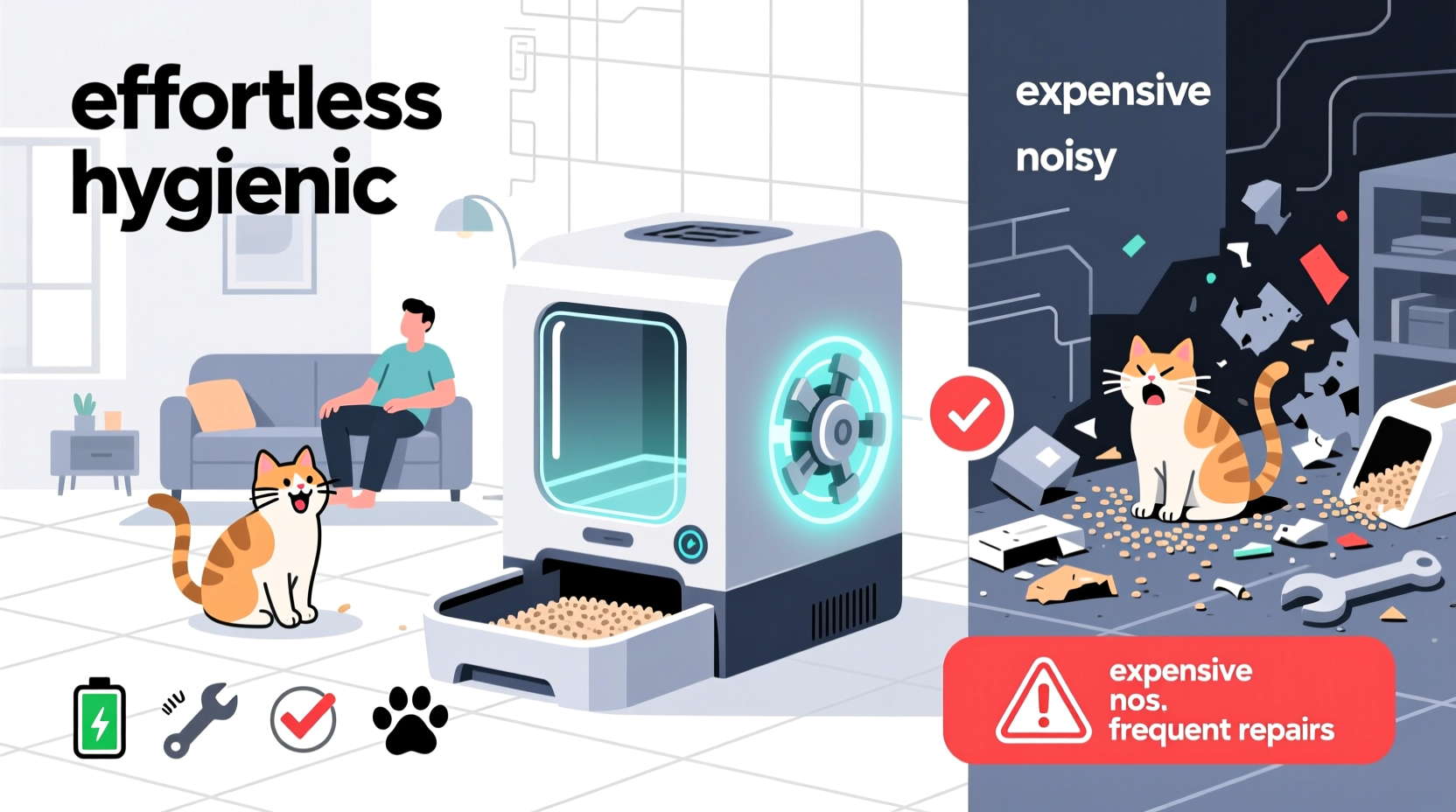
At their core, self-cleaning litter boxes use sensors, motors, and mechanical rakes to detect when a cat has used the box and then automatically separate waste from clean litter. The process typically follows this sequence:
- A cat enters the litter box (triggering a weight or motion sensor).
- After the cat exits, the unit waits a preset time (usually 5–15 minutes) to ensure the cat is fully clear.
- A rake or sifting mechanism moves through the litter, capturing clumps and depositing them into a sealed waste drawer.
- The clean litter is left behind, ready for the next use.
Different models use different systems. Some rely on traditional clumping litter, while others require proprietary crystal litter or even flush waste directly into a drain (like the CatGenie). The level of automation varies—some boxes connect to Wi-Fi and send alerts to your phone; others operate entirely offline.
Despite their sophistication, no self-cleaning box eliminates maintenance entirely. They still require regular cleaning, litter replacement, waste disposal, and occasional troubleshooting. The key question isn’t whether they reduce work—it’s whether they replace one set of chores with another.
Tip: Always wait at least 7–10 days after bringing home a new cat before introducing an automated litter box—many cats need time to adjust to both their environment and new routines.Pros: Where Self-Cleaning Boxes Shine
When they work as intended, self-cleaning litter boxes offer undeniable advantages—especially for multi-cat homes, allergy sufferers, or people with mobility issues.
- Reduced Daily Effort: No more daily scooping. For many owners, this alone justifies the cost.
- Better Odor Control: Sealed waste compartments and carbon filters significantly reduce ammonia smells compared to open trays.
- Consistent Cleanliness: Waste is removed promptly, which can discourage cats from refusing a dirty box.
- Data Tracking: High-end models notify you when waste drawers are full, when litter is low, or if a cat hasn’t used the box in an unusual amount of time—useful for monitoring health.
- Space Efficiency: Many units are enclosed, reducing litter scatter and containing odors better than open boxes.
Veterinarian Dr. Sarah Thompson notes, “Cats are fastidious creatures. A consistently clean litter box can prevent elimination issues, especially in sensitive or senior cats.” She adds that for owners managing chronic illness or physical limitations, automation can be a game-changer in maintaining pet hygiene without strain.
“From a behavioral standpoint, a clean litter box is non-negotiable. If technology helps achieve that consistency, it’s worth considering.” — Dr. Sarah Thompson, DVM, Feline Behavior Consultant
Cons: The Hidden Costs and Maintenance Challenges
Despite their appeal, self-cleaning litter boxes come with notable drawbacks that often catch buyers off guard.
Mechanical Failures: Motors can jam, sensors may misfire, and rakes sometimes fail to fully extract waste. One Reddit user reported that her Litter-Robot stopped working after six months due to a broken gear—a repair that cost nearly half the price of a new unit.
Litter Compatibility Issues: Not all litters work well. Clumping clay is common, but some formulas break down too quickly or produce dust that clogs mechanisms. Silica crystal litter (used in ScoopFree) doesn’t clump but needs full replacement every few weeks and generates plastic waste.
High Ongoing Costs: Beyond the initial purchase, owners face recurring expenses: specialty litter, liners, replacement parts, and waste drawers. Over three years, these can add up to hundreds of dollars.
Cat Acceptance: Not all cats adapt easily. The noise, movement, or confined space can scare timid or older cats. One survey found that 1 in 5 owners who returned a self-cleaning box cited “cat rejection” as the primary reason.
Cleaning Demands: Despite being “self-cleaning,” these boxes still require deep cleaning every 1–3 months. Urine residue builds up in corners, sensors get coated in dust, and waste compartments can develop biofilm if not scrubbed thoroughly.
| Issue | Frequency (User Reports) | Potential Fix |
|---|---|---|
| Rake jams | Common (~30%) | Regular inspection, proper litter amount |
| Sensor false triggers | Moderate (~20%) | Adjust sensitivity, clean sensor monthly |
| Cat refusal | High (~25%) | Gradual introduction, placement in quiet area |
| Odor leakage | Frequent (~40%) | Replace carbon filters, empty drawer weekly |
| Motor failure | Low but costly (~10%) | Warranty claim or replacement |
Real-World Example: A Two-Cat Household’s Experience
Jamie, a software engineer in Portland, adopted two rescue cats last year and quickly became overwhelmed by litter duties. “Between work-from-home meetings and my partner’s allergies, we were constantly scooping and airing out the bathroom,” she says. They invested in a Litter-Robot 4 ($600) after reading glowing reviews.
For the first four months, it was “life-changing.” The cats adapted within two weeks, and the sealed waste drawer kept odors under control. Jamie appreciated the app notifications and the fact that she only had to empty the drawer twice a week.
Then, during month five, the unit started making a grinding noise. It would partially cycle, leaving clumps trapped in the litter. After cleaning the rake and checking for obstructions, the problem persisted. Customer support diagnosed a motor issue—out of warranty. Repair cost: $180. Jamie opted to buy a refurbished unit instead.
“It’s still easier than scooping,” she admits, “but I didn’t expect to be dealing with appliance-level maintenance. And the cost of genuine liners adds up—I’m now trying third-party ones, which void the warranty if they cause damage.”
Her takeaway? “It’s worth it for the convenience, but only if you’re prepared for potential repairs and ongoing costs. It’s not ‘set it and forget it.’”
Step-by-Step Guide: How to Maximize Success with a Self-Cleaning Litter Box
If you’re considering a self-cleaning litter box—or already own one—follow this practical timeline to avoid common pitfalls.
- Week 1: Introduce Gradually
Place the new box beside the old one. Let your cat investigate it without turning it on. Offer treats nearby to create positive associations. - Week 2: Activate in Demo Mode
Run the unit manually (without a cat inside) to let your pet get used to the sound and movement. Most models have a “demo” or “tune-up” cycle for this purpose. - Week 3: Begin Limited Use
Turn on automatic mode but monitor closely. Ensure your cat fully exits before cycling begins. Adjust the wait time if needed (e.g., from 7 to 15 minutes for slower-moving cats). - Ongoing: Weekly Maintenance
Empty the waste drawer, check the rake for clumps, wipe down the hood, and inspect sensors. Replace carbon filters every 2–4 weeks. - Every 2–3 Months: Deep Clean
Disassemble removable parts. Wash with mild soap and water (no bleach). Allow to dry completely before reassembling. Check for wear on moving parts. - Every 6 Months: Assess Performance
Is the rake moving smoothly? Are odors increasing? Is your cat avoiding the box? Address small issues before they become major failures.
Checklist: Before Buying a Self-Cleaning Litter Box
Use this checklist to determine if an automated system fits your lifestyle and household:
- ✅ Do you have at least $300–$700 for the initial investment?
- ✅ Are you comfortable with moderate technical upkeep (cleaning sensors, replacing parts)?
- ✅ Does your cat tolerate enclosed spaces and moderate noise?
- ✅ Do you have space for a large, enclosed unit (most are 2–3x the size of standard boxes)?
- ✅ Are you prepared for recurring costs (litter, liners, filters, potential repairs)?
- ✅ Do you have reliable Wi-Fi if purchasing a smart model?
- ✅ Have you researched return policies in case your cat rejects it?
Frequently Asked Questions
Can self-cleaning litter boxes handle multiple cats?
Yes, many models are designed for multi-cat homes. However, high usage increases wear and tear and requires more frequent waste drawer emptying—sometimes daily. Units like the Litter-Robot 4 recommend no more than four cats, and performance declines with very active households.
Do these boxes really eliminate odor?
They significantly reduce odor compared to open litter boxes, thanks to sealed compartments and built-in filters. However, they don’t eliminate smell entirely—especially if not maintained. In humid environments or poorly ventilated rooms, ammonia can still escape during cycles.
Are there non-electric alternatives that are easier to maintain?
Yes. Top-entry boxes, covered sifters, and double-box systems (like the Modkat) offer partial automation with zero electronics. They require manual sifting but avoid mechanical failures and are much cheaper to maintain.
Final Verdict: Worth It or Not?
The answer depends on your priorities, budget, and expectations.
For tech-savvy owners in multi-cat homes, those with mobility challenges, or people who value time-saving automation, a self-cleaning litter box can be a worthwhile investment. The convenience of skipping daily scooping and gaining peace of mind about cleanliness often outweighs the hassles.
But if you’re looking for a truly “maintenance-free” solution, you’ll be disappointed. These are complex machines operating in a dirty environment. They demand attention, care, and financial commitment beyond the sticker price. For budget-conscious owners, those with finicky cats, or anyone wary of electronic dependency, a high-quality traditional litter box with a good scoop may still be the smarter choice.
The bottom line: self-cleaning litter boxes aren’t magic. They’re tools—one part innovation, one part compromise. When chosen wisely and maintained diligently, they can simplify life. But they’re not a substitute for responsible pet ownership. They shift the labor rather than erase it.
💬 Have experience with a self-cleaning litter box? Share your story—what worked, what failed, and whether you’d buy again. Your insights could help another cat owner make a smarter decision.








