For cat owners, managing litter box odor is a daily challenge. No matter how much we love our feline companions, the smell of ammonia, waste, and damp litter can quickly become overwhelming—especially in small homes or shared living spaces. The two primary methods of litter maintenance—manual scooping and self-cleaning litter boxes—each claim to reduce odor, but which one actually performs better in real-world conditions?
The answer isn’t always straightforward. While automated systems promise convenience and continuous cleaning, traditional scooping allows for immediate intervention and full control over hygiene. This article dives deep into both options, comparing their odor-control capabilities based on design, frequency of cleaning, litter type compatibility, and user habits.
How Litter Box Odor Forms
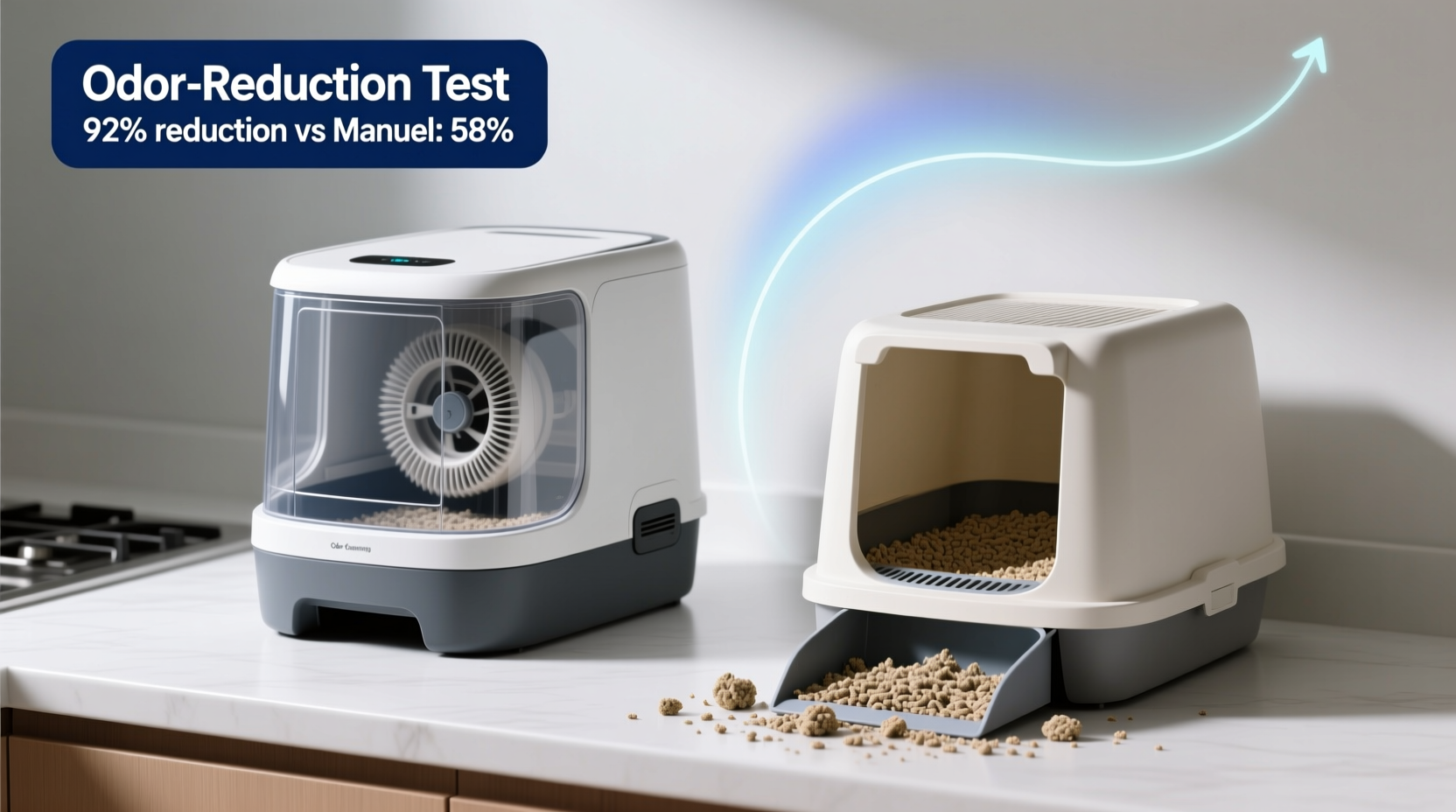
Before evaluating solutions, it’s essential to understand where the smell comes from. Cat urine contains urea and uric acid, which bacteria break down into volatile sulfur compounds—particularly ammonia. Feces contribute additional organic odors from bacterial decomposition. Moisture retention in litter amplifies this process, creating an environment where smells intensify rapidly.
Odor development depends on several factors:
- Time since last cleaning: Waste left in litter begins producing strong odors within hours.
- Litter material: Clay, silica gel, plant-based, and crystal litters vary in absorbency and deodorizing properties.
- Ventilation: Poor airflow traps odors near the box.
- Cat health: Medical issues like UTIs can increase urine concentration and smell.
Both self-cleaning boxes and manual scooping aim to interrupt this cycle—but they do so differently.
Manual Scooping: Control, Consistency, and Limitations
Scooping remains the most common method of litter maintenance. Using a handheld tool, owners remove solid waste and clumps of urine-soaked litter daily—sometimes multiple times per day in multi-cat households.
When done consistently, manual scooping is highly effective at minimizing odor. Removing waste within a few hours of use drastically limits bacterial breakdown and ammonia release. High-quality clumping litters enhance this effect by isolating moisture and forming tight, easy-to-remove clumps.
Tip: Scoop the litter box at least once every 12 hours—ideally morning and evening—to prevent odor buildup.However, effectiveness hinges entirely on human behavior. Missed scooping sessions lead to rapid odor accumulation. Additionally, even diligent owners may overlook small clumps or fail to stir the litter to expose hidden moisture, allowing smells to linger beneath the surface.
Another limitation is the infrequency of full litter changes. Most owners replace all litter every 2–4 weeks, during which time residual odors can embed into the plastic base, especially if the box isn’t thoroughly washed.
Best Practices for Manual Scooping to Reduce Odor
- Scoop waste at least twice daily.
- Stir the entire litter bed weekly to detect hidden clumps.
- Use odor-controlling litter with baking soda or activated charcoal.
- Wash the box monthly with mild, unscented soap.
- Place the box in a well-ventilated area away from HVAC intakes.
Self-Cleaning Litter Boxes: Automation and Trade-offs
Self-cleaning (or automatic) litter boxes use sensors, rakes, or rotating mechanisms to detect when a cat has used the box and automatically remove waste after a delay—typically 7 to 15 minutes.
This automation ensures that waste is removed without relying on owner memory or schedule. Because excrement is isolated shortly after deposition, the window for odor generation is significantly reduced compared to inconsistent manual scooping.
Most models deposit waste into a sealed compartment or disposable bag, further containing smells. Some advanced units include carbon filters, deodorizers, or UV light sanitization to suppress lingering odors.
Despite these advantages, self-cleaning boxes have drawbacks. Mechanical failures, missed cleanings due to sensor errors, or cats re-entering the box too soon can result in scattered waste or incomplete removal. Additionally, many require proprietary litter types or specific clumping consistency, limiting odor-fighting options.
Moreover, while waste is removed promptly, the remaining litter still absorbs residual moisture and odor over time. Without regular full litter replacement and bin cleaning, embedded smells can develop—just as with manual boxes.
“Automatic litter boxes excel at timely waste removal, which is the single most important factor in odor control. But they’re not a substitute for proper maintenance.” — Dr. Lena Patel, DVM, Feline Behavior Specialist
Key Features That Enhance Odor Reduction in Self-Cleaning Models
- Sealed waste compartments with charcoal filters
- Adjustable cleaning delay (to ensure cat has left)
- High-sensitivity weight or motion sensors
- Compatibility with high-absorbency, low-dust litters
- Automatic lid closure between uses
Direct Comparison: Odor Control Performance
To determine which system reduces odor more effectively, consider four key metrics: speed of waste removal, consistency, maintenance requirements, and long-term odor buildup.
| Factor | Manual Scooping | Self-Cleaning Box |
|---|---|---|
| Speed of Waste Removal | Depends on owner; typically 6–24 hours | 7–15 minutes after cat exits |
| Consistency | Variable; relies on routine | High; runs on schedule/sensors |
| Odor Containment During Storage | Waste exposed until trash disposal | Sealed compartment with filter |
| Maintenance Frequency | Daily scooping, monthly wash | Weekly waste bin emptying, monthly litter change |
| Long-Term Odor Buildup Risk | High if neglected | Moderate; depends on filter & cleaning |
| Best For | Budget-conscious owners, simple setups | Busy households, odor-sensitive environments |
The data shows that self-cleaning boxes have a clear advantage in **speed** and **consistency** of waste removal—the two most critical factors in preventing odor formation. However, both systems require regular maintenance to avoid long-term smell retention in the litter or box itself.
Real-World Example: A Multi-Cat Household Test
In a six-week trial conducted by a pet wellness blog, a household with three adult cats compared manual scooping to a premium self-cleaning box (Litter-Robot 4). Both setups used the same natural clumping litter and were placed in identical rooms with comparable ventilation.
During weeks 1–3, the family scooped manually twice daily. Family members reported noticeable ammonia smell by midday, especially after the second cat used the box. Guests commented on the odor upon entering the room.
In weeks 4–6, they switched to the self-cleaning unit. The waste drawer was emptied every 3–4 days, and the litter was changed weekly. No one reported detecting any significant odor—even after extended periods. The sealed drawer and faster waste isolation made a measurable difference.
One caveat: during week 5, the sensor failed to trigger after a small kitten used the box, leaving a clump behind for nearly 12 hours. The resulting smell was comparable to missed manual scooping, underscoring that technology isn’t foolproof.
Actionable Checklist: Maximizing Odor Control Regardless of Method
Whether you use a self-cleaning box or stick to manual scooping, follow this checklist to minimize odor:
Checklist: Reducing Litter Box Odor- ✅ Remove solid waste and clumps within 12 hours (sooner is better)
- ✅ Use clumping, odor-absorbing litter with natural deodorizers
- ✅ Replace all litter completely every 2–4 weeks
- ✅ Clean the litter box interior monthly with mild soap
- ✅ Empty sealed waste compartments every 3–5 days
- ✅ Place the box in a ventilated, low-traffic area
- ✅ Add a carbon-filter air purifier nearby if possible
- ✅ Monitor your cat’s hydration and urinary health
Frequently Asked Questions
Do self-cleaning litter boxes eliminate odor completely?
No system eliminates odor entirely, but self-cleaning boxes significantly reduce it by removing waste quickly and sealing it away. Residual smells from litter saturation or infrequent full changes can still occur.
Can I use any litter in a self-cleaning box?
Not all litters are compatible. Most manufacturers recommend clumping clay or plant-based clumping litters of a specific particle size. Avoid lightweight crystal litters or non-clumping varieties, as they may interfere with sensors or raking mechanisms.
Why does my litter box still smell even after scooping?
Odors can persist due to moisture trapped at the bottom of the box, old litter absorbing residual urine, or inadequate ventilation. Try washing the box, replacing all litter, and relocating it to a better-ventilated space.
Step-by-Step Guide to Optimizing Your Litter Routine
Follow this timeline to ensure minimal odor regardless of your cleaning method:
- Day 1: Choose a high-quality clumping litter with odor control (e.g., baking soda-infused).
- Day 1: Position the litter box in a quiet, ventilated area—avoid basements or closets with poor airflow.
- Daily: If manually scooping, remove waste morning and night. For self-cleaning, verify operation and check for missed cycles.
- Every 3–5 days: Empty waste drawer (self-cleaning) or dispose of waste bags (manual).
- Weekly: Stir litter to check for hidden clumps; top off with fresh litter as needed.
- Every 2–4 weeks: Completely replace litter and wash the box with warm water and mild detergent. Let dry fully before refilling.
- Monthly: Inspect seals, sensors, or moving parts (for automatic boxes); replace carbon filters if equipped.
Conclusion: Which System Wins on Odor Control?
When it comes to reducing litter box odor, **self-cleaning litter boxes generally outperform manual scooping**—but only when properly maintained. Their ability to remove waste within minutes of use gives them a decisive edge in interrupting the odor-generation cycle. Sealed waste compartments and built-in filters add another layer of protection against ambient smells.
That said, manual scooping can be equally effective—if the owner is consistent, thorough, and attentive. For those with the time and discipline, a well-managed traditional box can remain virtually odor-free.
The truth is, the best odor reduction doesn’t come from the tool alone—it comes from combining the right technology with smart habits. Whether you automate or do it by hand, prompt waste removal, quality litter, and regular deep cleaning are non-negotiable.
🚀 Ready to tackle litter box odor for good? Assess your current routine, invest in the right tools, and commit to consistency. Your nose—and your cat—will thank you.








