Dogs are social animals, and when left alone, many experience distress that manifests as destructive chewing, excessive barking, or house soiling. Separation anxiety affects an estimated 20–40% of dogs entering shelters, and countless more in homes. A well-chosen, properly introduced dog crate can be a sanctuary—a personal space where a dog feels protected, calm, and emotionally grounded. However, not all crates serve this purpose equally. For dogs with separation anxiety, the right crate must balance security with comfort, structure with softness, and confinement with psychological safety.
The goal isn’t to lock a dog away, but to create a den-like retreat they willingly enter and associate with peace. When selected and used correctly, a high-quality crate becomes a cornerstone of behavioral management and emotional regulation.
Understanding Separation Anxiety and the Role of Crates
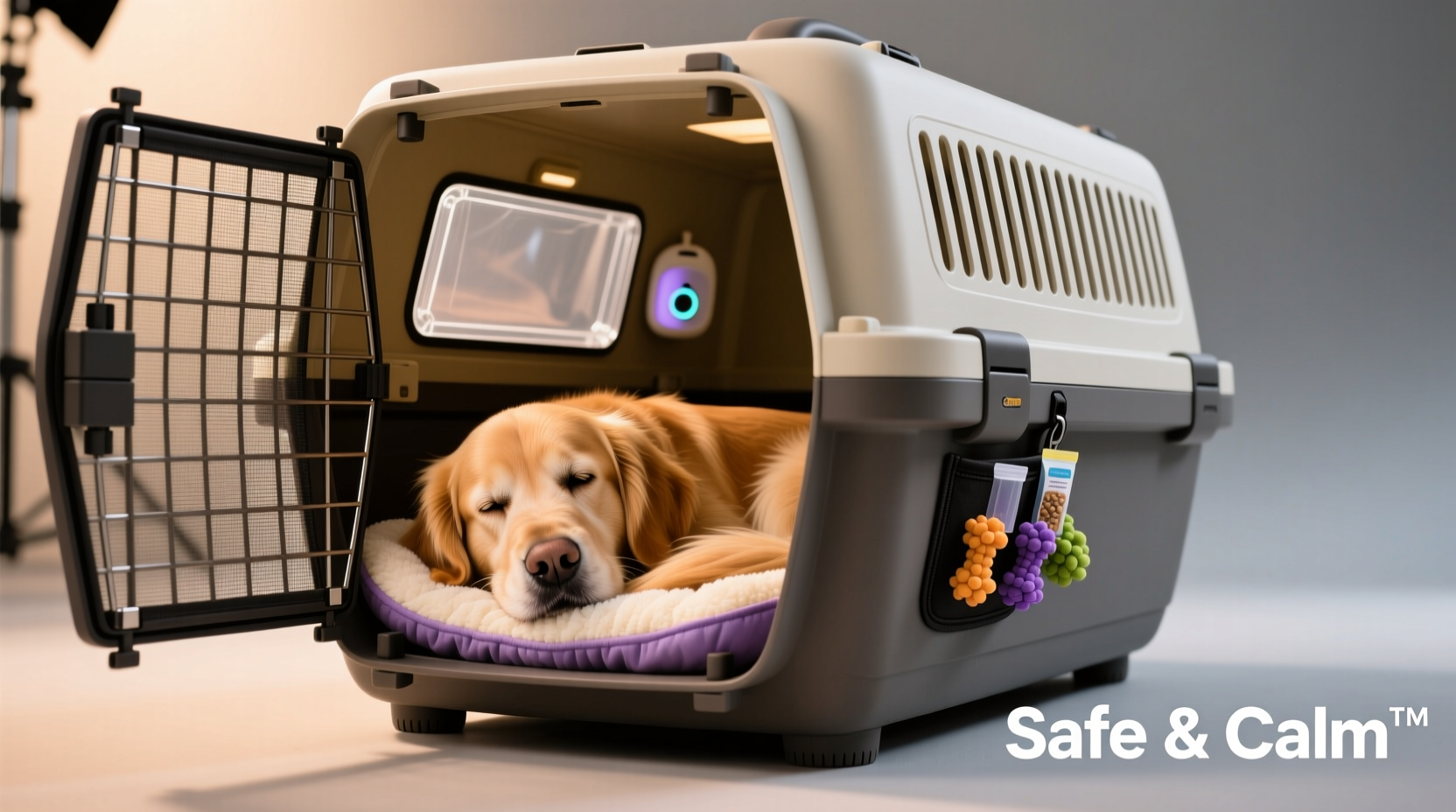
Separation anxiety occurs when a dog becomes distressed upon being separated from their primary caregiver. Symptoms include pacing, drooling, whining, escape attempts, and even self-injury. While medication and behavior modification are often necessary, environmental tools like crates play a critical support role.
A crate should never be used as punishment. Instead, it functions best as a predictable, safe zone—akin to a child’s bedroom or a person’s favorite armchair. Dogs instinctively seek enclosed spaces for rest and protection. For anxious dogs, a well-designed crate offers visual shielding from overstimulating environments and a consistent location they can rely on.
“Dogs with anxiety benefit from spatial boundaries. A secure crate provides containment without isolation, helping them regulate their nervous system.” — Dr. Karen Becker, Integrative Veterinarian
Crucially, the crate must feel like a choice. Forced confinement can worsen anxiety. The process of acclimation is just as important as the product itself.
Key Features of an Ideal Crate for Anxious Dogs
Not every crate suits dogs with heightened sensitivity. Wire crates, while ventilated, may feel too exposed. Soft-sided carriers lack structural reassurance. The most effective crates combine durability, sensory comfort, and design intelligence.
- Sturdy Construction: Chew-resistant materials like reinforced plastic or heavy-gauge steel prevent escape attempts during panic episodes.
- Den-Like Enclosure: Solid walls block visual stimuli, reducing external triggers. Top-loading or front-access designs allow flexible placement.
- Appropriate Size: Large enough for standing, turning, and lying down—but not so big that it loses its den-like intimacy. A divider panel helps adjust space as needed.
- Comfort Integration: Compatibility with orthopedic beds, calming blankets, and non-slip flooring enhances physical ease.
- Portability & Ventilation: Strategically placed air vents ensure airflow without drafts. Lightweight models aid travel, maintaining consistency across environments.
Top Recommended Crate Types and Models
Based on veterinary recommendations, trainer feedback, and owner reviews, the following crate types consistently perform well for dogs with separation anxiety:
| Type | Best For | Pros | Cons |
|---|---|---|---|
| Heavy-Duty Plastic (e.g., Petmate Ultra) | Dogs who chew or attempt escape | Chew-resistant, den-like privacy, excellent for travel | Bulkier, limited ventilation |
| Soft-Sided with Rigid Frame (e.g., MidWest Flex-Basket) | Small to medium dogs, indoor-only use | Lightweight, collapsible, cozy fabric | Not suitable for chewers, less durable |
| Double-Door Metal with Cover (e.g., Precision Pet Vista) | Dogs needing visibility control | Ventilated, customizable with crate covers, easy access | Requires cover for full den effect |
| Furniture-Style Wooden Crates | Home integration, mild anxiety cases | Aesthetically pleasing, blends with décor | Expensive, harder to clean, less portable |
For dogs with severe anxiety, dual-door metal crates paired with breathable, opaque covers offer flexibility and control. The ability to drape the crate reduces light and movement exposure, mimicking a cave-like environment.
Step-by-Step: Introducing the Crate to an Anxious Dog
Rushing crate introduction can backfire. Follow this timeline to build positive associations:
- Week 1 – Passive Exposure: Place the crate in a common area with the door removed. Toss treats and toys inside. Let the dog explore freely.
- Week 2 – Feeding Inside: Serve meals near, then gradually inside the crate. Keep sessions short and relaxed.
- Week 3 – Closed Door Practice: Lure the dog in with a treat, close the door briefly while you’re present, then open it before anxiety arises. Gradually extend duration.
- Week 4 – Alone Time Training: Start leaving the room for 30 seconds, then slowly increase to minutes. Always return before the dog becomes distressed.
- Ongoing – Real-World Use: Once confident, use the crate during short absences. Never exceed your dog’s current tolerance.
Patience is essential. Some dogs take weeks to fully accept the crate. Signs of success include voluntarily napping inside and entering when stressed.
Real-Life Example: Helping Max Overcome Panic Episodes
Max, a 3-year-old Border Collie mix, was surrendered to a rescue after repeated escape attempts during his owner’s workday. He shredded rugs, injured his paws trying to claw through drywall, and refused to stay in a standard wire crate.
His new foster family consulted a certified trainer who recommended switching to a heavy-duty plastic kennel (Petmate Ultra), adding a memory foam bed, and using a pheromone diffuser nearby. They covered the sides with a breathable quilt to reduce visual input.
Using the step-by-step method over six weeks, Max began resting in the crate voluntarily. By week eight, he would go in on cue and remain calm for up to four hours. The crate became his refuge during thunderstorms and busy gatherings—proof that the right environment can transform anxiety into assurance.
Common Mistakes to Avoid
- Using the crate as timeout: This creates negative associations. Discipline should never occur inside the crate.
- Leaving the dog crated too long: Even confident dogs shouldn’t be confined more than 6–8 hours daily. Extended isolation increases stress.
- Ignoring escape behaviors: Persistent chewing or scratching indicates fear, not defiance. Reassess training or crate type.
- Skipping the cover: For anxious dogs, visual barriers are often essential. A simple fabric cover can make a dramatic difference.
FAQ
Can I use a crate if my dog already hates it?
Yes—start over with no pressure. Remove the door, place familiar bedding inside, and reward any interaction. Many dogs relearn crate acceptance with patience and positive reinforcement.
Should I leave water in the crate?
For crating under 4 hours, water isn’t necessary and may encourage accidents. For longer durations, use a spill-proof wall-mounted bowl, but only if your dog won’t knock it over.
Is it cruel to crate a dog with separation anxiety?
Only if done incorrectly. When introduced gently and matched to the dog’s needs, a crate reduces chaos and provides predictability. It becomes a tool of empowerment, not restriction.
Final Checklist Before Implementation
- Choose a crate with solid sides or add a breathable cover
- Ensure proper size—large enough to move, small enough to feel secure
- Add a washable, supportive bed and non-slip mat
- Introduce the crate gradually with treats and praise
- Use calming aids like Adaptil diffusers or white noise if needed
- Never force entry or use the crate for punishment
- Monitor for signs of distress and adjust approach accordingly
Conclusion
A crate is more than a container—it’s a psychological anchor for dogs navigating the storm of separation anxiety. When built with care, chosen with insight, and introduced with compassion, a secure and comfortable crate becomes a haven where healing begins. The right design doesn’t restrict freedom; it restores emotional safety. Every dog deserves a place where they feel whole, even when alone. Start today by evaluating your dog’s current space and envisioning one that supports both body and mind.
💬 Have a crate success story or tip? Share your experience below and help fellow pet owners create calmer, safer homes for their anxious dogs.








