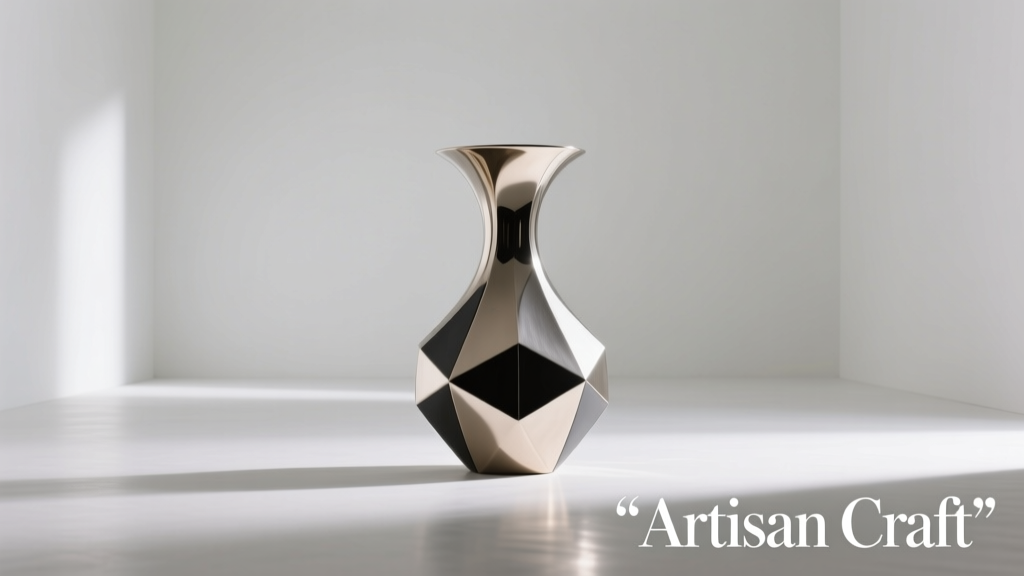
Types of Sculptural Terrariums
A sculptural terrarium is more than just a container for plants—it's a living work of art that blends horticulture with design. These miniature ecosystems come in a variety of forms, each offering unique aesthetic appeal and functional benefits. Whether you're a seasoned plant enthusiast or a beginner looking to add greenery to your space, understanding the different types can help you choose the perfect terrarium for your environment and lifestyle.
Glass Bottle Terrarium
Enclosed in a transparent glass bottle, this closed terrarium creates a self-sustaining ecosystem where moisture recycles naturally through condensation and evaporation.
Advantages
- Low maintenance due to self-watering cycle
- Beautiful 360° viewing angle
- Ideal for humidity-loving plants
- Purifies air and enhances indoor ambiance
Limitations
- Limited access for plant care
- Requires careful plant selection
- Potential for mold if overwatered
Best for: Ferns, mosses, fittonia, and other tropical plants; offices, bedrooms, or decorative spaces
Geometric Terrarium
Featuring clean lines and angular shapes like pyramids, cubes, or hexagons, these modern terrariums are crafted from glass panels framed with metal or wire for structural support.
Advantages
- Sleek, contemporary design
- Space-efficient and stackable
- Perfect for minimalist interiors
- Easy to maintain and clean
Limitations
- Smaller soil capacity limits plant size
- May lack humidity retention
- Can be fragile due to glass edges
Best for: Succulents, air plants (tillandsia), and small cacti; desks, shelves, or modern living rooms
Cactus Terrarium
Designed specifically for arid-loving plants, this open terrarium uses well-draining soil and drought-tolerant species like cacti and succulents that thrive in dry conditions.
Advantages
- Extremely low water requirements
- Durable and long-lasting with minimal care
- Unique textures and forms enhance visual interest
- Great for beginners and busy individuals
Limitations
- Sensitive to overwatering
- Spines can make handling difficult
- Not suitable for high-humidity environments
Best for: Desert-themed decor, sunny windowsills, classrooms, or offices with bright light
Hanging Terrarium
Suspended from ceilings or walls using chains, ropes, or macramé hangers, these vertical terrariums maximize space while adding dynamic visual height to interiors.
Advantages
- Optimizes vertical space
- Adds depth and dimension to rooms
- Can be open or closed depending on plant needs
- Great for apartments or small homes
Limitations
- Access for watering and pruning can be tricky
- Weight limits require secure mounting
- May swing or rotate unintentionally
Best for: Air plants, trailing pothos, string of pearls, or ferns; entryways, kitchens, or sunrooms
Head Planter Terrarium
Artistically shaped like human or animal heads, these whimsical terrariums combine sculpture and botany to create conversation-starting centerpieces.
Advantages
- Highly artistic and unique
- Larger planting area allows for creative landscaping
- Excellent focal point in any room
- Encourages creative expression
Limitations
- Can be heavy when filled with soil
- Drainage may be limited depending on design
- More expensive than standard terrariums
Best for: Indoor succulents, small ferns, or moss gardens; living rooms, studios, or eclectic decor themes
| Type | Light Needs | Water Frequency | Best Plants | Ideal Location |
|---|---|---|---|---|
| Glass Bottle | Indirect Bright Light | Every 4–8 weeks | Ferns, Moss, Fittonia | Bedroom, Office, Study |
| Geometric | Bright Indirect to Direct | Every 2–3 weeks | Succulents, Air Plants | Shelf, Desk, Window |
| Cactus | Direct Sunlight | Every 3–4 weeks | Cacti, Echeveria, Haworthia | Sunny Windowsill, Balcony |
| Hanging | Varies (Open/Closed) | Every 1–4 weeks | Ferns, Pothos, Tillandsia | Kitchen, Entryway, Living Room |
| Head Planter | Indirect to Bright Light | Every 2–3 weeks | Succulents, Moss, Small Ferns | Living Room, Studio, Gallery |
Expert Tip: When designing any sculptural terrarium, always include a drainage layer (such as gravel or activated charcoal) to prevent root rot. For closed terrariums, mist lightly and avoid overwatering—condensation on the glass should be light, not running down the sides.
Designs of Sculptural Terrariums: Aesthetic, Functionality, and Style
Sculptural terrariums are more than just plant containers—they are living works of art that blend horticulture with design. As interior spaces increasingly embrace biophilic elements, the variety of sculptural terrarium designs has expanded to suit diverse tastes and environments. Each design style offers unique visual appeal, functional benefits, and compatibility with specific plant types and interior aesthetics. Below is a comprehensive exploration of the most popular sculptural terrarium designs, their defining characteristics, ideal plant pairings, and recommended settings.
Exploring Popular Sculptural Terrarium Designs
Minimalist Terrarium
Defined by clean lines, uncluttered compositions, and a focus on functionality, the minimalist terrarium embodies the "less is more" philosophy. These designs avoid ornamental additions, relying instead on the natural beauty of carefully selected plants and neutral-toned substrates such as sand, fine gravel, or activated charcoal.
Typically housed in simple glass containers with geometric or organic silhouettes, minimalist terrariums emphasize spatial balance and visual calm. They are ideal for modern, Scandinavian, or urban loft interiors where simplicity and elegance are prioritized. Perfect plant choices include small succulents, air plants (Tillandsia), or slow-growing mosses that require minimal maintenance.
Ornamental Terrarium
Ornamental terrariums transform glass enclosures into miniature storytelling environments. These designs incorporate decorative elements such as ceramic figurines, miniature furniture, colored pebbles, fairy lights, or tiny pathways to create whimsical, fantasy-inspired scenes.
While plant selection takes a backseat to visual drama, low-maintenance greenery like fittonia, baby tears, or small ferns are often used to enhance the scene without overwhelming it. These terrariums are perfect for creative spaces, children’s rooms, or as conversation-starting centerpieces. They also appeal to those who appreciate gardening but prefer a more artistic, hands-on approach to design.
Geometric Terrarium
Geometric terrariums feature structured forms such as cubes, pyramids, hexagons, or polyhedrons, often crafted from clear or tinted glass with metal or wood framing. The precision of angles and symmetry gives these terrariums a contemporary, architectural feel.
These designs are highly sculptural and often double as standalone art pieces. Their clean lines and open structures make them ideal for showcasing succulents, cacti, or air plants that thrive in well-ventilated environments. Geometric terrariums are particularly popular in modern offices, minimalist homes, and design studios where form and function intersect.
Nature-Inspired Terrarium
These terrariums aim to replicate natural ecosystems, using raw, organic materials like driftwood, river stones, bark, and moss-covered logs to evoke forest floors, mountain streams, or jungle canopies.
Designed to support a thriving microclimate, they are best suited for humidity-loving plants such as ferns, orchids, and carnivorous species like Venus flytraps. The layered composition creates depth and realism, making them ideal for nature enthusiasts or as calming focal points in living rooms, bathrooms, or wellness spaces. Proper ventilation and moisture control are essential to maintain the delicate balance of this ecosystem.
Hanging Globe Terrarium
Hanging globe terrariums combine spherical glass vessels with suspended mounting systems, creating a striking vertical element in any room. The globe shape magnifies the plants inside, adding a sense of depth and dimension.
These designs maximize space efficiency and are perfect for small apartments, kitchens, or areas with limited surface space. The open or semi-open structure of most hanging globes makes them ideal for epiphytic plants like Tillandsia (air plants), which absorb moisture from the air and require no soil. When illuminated, especially with ambient lighting, they cast beautiful shadows and reflections, enhancing their artistic impact.
| Design Type | Best For | Recommended Plants | Interior Style Match |
|---|---|---|---|
| Minimalist | Low-maintenance, clean aesthetics | Succulents, mosses, air plants | Modern, minimalist, urban |
| Ornamental | Decorative displays, storytelling | Fittonia, baby tears, small ferns | Bohemian, eclectic, playful |
| Geometric | Architectural appeal, modern spaces | Cacti, succulents, air plants | Contemporary, industrial, studio |
| Nature-Inspired | Biophilic design, immersive greenery | Ferns, orchids, carnivorous plants | Rustic, earthy, wellness-focused |
| Hanging Globe | Space-saving, vertical interest | Air plants, delicate ferns | All styles, especially compact spaces |
Tips for Choosing the Right Design
Important: Avoid overwatering, especially in closed terrariums, as excess moisture can lead to mold and root rot. Always research the specific needs of your chosen plants and ensure your terrarium design supports their natural habitat. Regular monitoring and occasional pruning will keep your sculptural terrarium healthy and visually stunning for years to come.
Features of Sculptural Terrariums
A sculptural terrarium transcends the concept of a traditional plant container—it is a living work of art that combines functionality with design. Unlike standard pots, these enclosed ecosystems are engineered with specific features that support plant life while enhancing interior aesthetics. Below is a detailed breakdown of the key components that define sculptural terrariums and contribute to their success as sustainable, visually striking installations.
Frame Materials
The structural integrity and visual appeal of a sculptural terrarium begin with its frame. Most designs use metal or wire frameworks to achieve geometric, modern, or artistic shapes that support glass or acrylic panels. These frames are typically constructed from stainless steel, powder-coated aluminum, or weather-resistant alloys to prevent rust and corrosion—especially important in high-humidity environments.
- Stainless steel offers durability and a sleek, reflective finish that contrasts beautifully with lush greenery
- Weatherproofed iron or powder-coated frames provide a rustic or industrial aesthetic while resisting moisture damage
- Lightweight aluminum frames are ideal for hanging or wall-mounted installations
- Architectural-grade materials ensure long-term stability, even in large or complex designs
Design Tip: Choose frame finishes—such as brushed nickel, matte black, or copper—that complement your interior décor for a cohesive look.
Water-Storage Base
The foundation of a closed terrarium ecosystem is its water-storage base, a multi-layered system designed to manage moisture and root health. This base typically consists of gravel, pebbles, or expanded clay pellets, topped with a permeable barrier (like landscape fabric) and a layer of activated charcoal to filter impurities.
- Creates a reservoir for excess water, preventing root rot through proper drainage
- Supports capillary action, allowing moisture to wick upward into the soil as needed
- Maintains consistent humidity levels by enabling evaporation and condensation cycles
- Activated charcoal reduces mold and odor, keeping the ecosystem balanced and clean
Pro Insight: A well-constructed base can reduce maintenance frequency, making self-sustaining terrariums possible for months without watering.
Humidity Control
One of the most remarkable features of closed sculptural terrariums is their ability to regulate internal humidity. The sealed glass or acrylic enclosure traps moisture released by plants through transpiration, creating a continuous condensation-evaporation cycle that mimics tropical rainforest conditions.
- Ideal for humidity-loving plants such as ferns, mosses, fittonia, and orchids
- Reduces the need for frequent watering—some closed terrariums require hydration only once every 3–6 months
- Open or hanging terrariums allow greater airflow, making them better suited for succulents, air plants (tillandsia), and cacti
- Ventilation options (e.g., removable lids or mesh panels) allow users to fine-tune humidity levels
Key Consideration: Match plant selection to enclosure type—closed for high humidity, open for arid-adapted species.
Visual Aesthetics
Beyond their biological function, sculptural terrariums serve as dynamic interior design elements. Their artistic value lies in the harmony between form, material, and living content. Whether minimalist, avant-garde, or nature-inspired, these pieces elevate spaces in homes, offices, and galleries.
- Geometric glass enclosures reflect modern design trends and complement contemporary décor
- Natural materials like wood accents, stones, or driftwood enhance organic appeal
- Strategic plant layering and color contrast (e.g., deep greens with variegated foliage) create depth and visual interest
- Custom lighting (LED grow lights or ambient LEDs) enhances visibility and mood, especially in low-light interiors
Creative Tip: Use terrariums as focal points in entryways, shelves, or meeting rooms to bring nature indoors and improve well-being.
Accessibility for Maintenance
While beauty is paramount, practicality matters—especially when it comes to caring for the plants inside. Well-designed sculptural terrariums balance aesthetics with usability, offering thoughtful access points for pruning, watering, and cleaning.
- Large or modular terrariums often feature removable panels, hinged lids, or wide openings for easy access
- Hanging designs may include swivel mounts or detachable hooks for ground-level maintenance
- Sealed or narrow-necked terrariums require specialized tools (long tweezers, spray bottles, or mini rakes)
- Poor airflow in tightly sealed units can lead to mold or stagnant conditions if not monitored
Maintenance Advice: Opt for designs with at least one accessible opening to simplify care and extend the life of your living sculpture.
Additional Functional Elements
Advanced sculptural terrariums often integrate innovative features that enhance sustainability, usability, and educational value.
- Integrated LED lighting: Provides consistent illumination for photosynthesis and dramatic visual effects
- Self-watering systems: Reservoirs with wicking mechanisms reduce maintenance needs
- Smart sensors: Monitor moisture, light, and temperature in high-end models
- Educational value: Excellent for teaching children or students about ecosystems and plant biology
Innovation Spotlight: Some designer terrariums now include app-connected sensors that alert owners when conditions need adjustment.
Expert Recommendation: When selecting or designing a sculptural terrarium, prioritize both form and function. Choose durable, non-corrosive materials, ensure proper drainage and humidity control, and match the design to the plants’ environmental needs. For long-term success, opt for modular or accessible designs that allow for easy maintenance without compromising visual impact.
| Terrarium Type | Ideal Plants | Humidity Level | Maintenance Frequency |
|---|---|---|---|
| Closed Glass Sculpture | Ferns, Mosses, Fittonia | High (70–90%) | Every 3–6 months |
| Open Geometric Frame | Succulents, Air Plants, Cacti | Low to Moderate (30–50%) | Every 2–4 weeks |
| Hanging Wire & Glass | Peperomia, Pothos, Tillandsia | Medium (50–70%) | Monthly |
| Self-Watering Modular | Herbs, Spider Plant, Philodendron | Medium to High | Every 4–8 weeks |
Design & Care Best Practices
- Balance Art and Ecology: Ensure the design supports plant health, not just visual appeal
- Use Quality Soil: Well-draining, nutrient-rich mixes prevent compaction and root disease
- Control Light Exposure: Place near bright, indirect light—avoid direct sunlight to prevent overheating
- Monitor for Mold: Wipe condensation and remove decaying matter promptly to maintain air quality
- Choose Complementary Plants: Group species with similar water, light, and humidity needs
How to Choose Sculptural Terrariums: A Complete Guide
Selecting the perfect sculptural terrarium is both an art and a science. These unique planters blend functionality with artistic expression, transforming indoor spaces into living galleries. Whether you're a seasoned plant enthusiast or a design-focused beginner, understanding the key selection factors will help you choose a terrarium that thrives aesthetically and biologically in your environment.
Design Insight: A sculptural terrarium should complement your space like a piece of art—consider how its form, material, and transparency interact with light and surrounding décor to create visual harmony.
Key Factors When Choosing a Sculptural Terrarium
- Size & Scale
The dimensions of your terrarium significantly impact both its visual presence and ecological capacity. Larger sculptural terrariums (12+ inches) are ideal for creating miniature ecosystems with multiple plant layers, taller species like ferns or moss-covered driftwood, and can serve as dramatic focal points in living rooms or entryways.
Compact terrariums (under 8 inches) are perfect for space-conscious environments such as office desks, bathroom vanities, or small apartment shelves. Their intimate scale invites closer inspection and works well with slow-growing or miniature plants like fittonia, baby tears, or dwarf peperomias.
Pro Tip: Measure your intended display area before purchasing. Consider both footprint and vertical clearance—some sculptural designs extend upward dramatically.
- Type of Terrarium System
Understanding the functional differences between terrarium types ensures long-term plant health and ease of care:
- Closed Terrariums: Sealed glass environments that recycle moisture through condensation. Ideal for humidity-loving tropical plants such as mosses, selaginella, and small ferns. These require minimal watering (every 4–8 weeks) but need occasional ventilation to prevent mold.
- Open Terrariums: Uncovered or partially open designs that allow air circulation. Best suited for arid-climate plants like succulents, cacti, and air plants (tillandsia) that thrive in drier conditions and are prone to rot in high humidity.
- Hanging & Wall-Mounted Terrariums: Space-saving sculptural options that add vertical interest. Often made of glass orbs or geometric frames, these are excellent for small spaces and create dynamic visual effects when suspended near windows.
- Plant Compatibility & Environmental Needs
The success of your terrarium hinges on matching plants to the container’s microclimate:
- Closed systems retain moisture and heat, making them perfect for high-humidity species such as nerve plants (Fittonia), miniature ferns, and liverworts.
- Open designs promote airflow and faster drying, ideal for drought-tolerant plants like hens-and-chicks (Sempervivum), echeveria, and crassula.
- Air plants (tillandsia) require no soil and thrive in open, well-ventilated sculptural holders—mist them weekly and soak monthly.
Also consider light exposure: north-facing areas need low-light plants (e.g., pothos, snake plant cuttings), while sunny windowsills support sun-loving succulents. Avoid placing closed terrariums in direct sunlight to prevent overheating.
- Design Aesthetic & Interior Integration
Sculptural terrariums are statement pieces—choose a design that aligns with your interior style:
- Modern Minimalist: Clean lines, geometric glass shapes (cubes, cylinders), and neutral tones. Think sleek metal frames or floating glass boxes.
- Organic/Natural: Irregular hand-blown glass, wooden bases, or rock-inspired forms that mimic caves or forest nooks.
- Industrial: Terrariums with black iron frames, exposed hardware, or vintage apothecary jars.
- Bohemian: Colorful glass, mosaic accents, or macramé hangers for a free-spirited vibe.
Ensure the terrarium’s color, material, and transparency harmonize with nearby furniture, wall colors, and lighting. A gold-framed terrarium may elevate a luxe space, while a rustic wooden base suits farmhouse or cabin aesthetics.
- Maintenance & Long-Term Care
Different terrarium types demand varying levels of upkeep:
- Closed Terrariums: Water only when condensation disappears (typically every 4–6 weeks). Prune overgrown plants monthly to maintain shape and airflow. Wipe interior glass as needed to prevent algae.
- Open Terrariums: Water weekly or biweekly, allowing soil to dry between sessions. Rotate for even growth and dust leaves regularly. Replace soil annually to prevent compaction.
- General Maintenance: Trim dead foliage promptly, monitor for pests, and replace plants that outgrow the space. Use long tweezers or chopsticks for precise care in narrow openings.
Consider your lifestyle: if you travel frequently or have a busy schedule, opt for low-maintenance plants like succulents or hardy mosses in open or semi-closed systems.
| Factor | Ideal For | Avoid If | Top Recommendations |
|---|---|---|---|
| Large Terrariums | Living rooms, offices, tropical plant displays | Small spaces, frequent movers | Geometric glass domes, tiered planters |
| Closed Systems | Humidity lovers, low-water environments | Succulents, cacti, direct sun exposure | Sealed glass cloches, jar terrariums |
| Open Systems | Succulents, air plants, sunny spots | High-moisture plants, dry-air rooms | Bowl planters, wire-frame holders |
| Hanging Designs | Small spaces, vertical interest, kitchens | Unstable ceilings, high-traffic areas | Glass orbs, geometric kokedama |
| Minimalist Styles | Modern homes, offices, neutral palettes | Cluttered spaces, rustic interiors | Cube terrariums, clear glass vessels |
Expert Tip: Start with a pre-planted terrarium or a beginner-friendly kit if you're new to the process. This allows you to learn maintenance rhythms before designing your own custom sculptural ecosystem.
Final Selection Checklist
- ✅ Measure your space and choose a terrarium that fits proportionally
- ✅ Match the terrarium type (open/closed) to your desired plant species
- ✅ Select a design that complements your room’s décor and lighting
- ✅ Consider long-term care: Can you commit to pruning, watering, and monitoring?
- ✅ Choose durable materials—thick glass, corrosion-resistant frames, and stable bases
- ✅ Purchase from reputable sellers who provide care instructions and plant details
By thoughtfully evaluating size, type, plant compatibility, design, and maintenance, you can select a sculptural terrarium that not only enhances your space visually but also supports a thriving, self-sustaining mini-ecosystem. Remember, the best terrarium is one that aligns with both your aesthetic vision and your lifestyle—creating a lasting harmony between art and nature indoors.
Frequently Asked Questions About Sculptural Terrariums
Q1: Can one put any type of plant in a sculptural terrarium?No, not all plants are suitable for sculptural terrariums. The compatibility of a plant depends largely on whether the terrarium is open or closed, as each creates a distinct microclimate:
- Open Terrariums: These allow for better air circulation and lower humidity, making them ideal for drought-tolerant plants such as succulents, cacti, and air plants (Tillandsia). These species thrive in dry conditions and are prone to rot in overly moist environments.
- Closed Terrariums: These function like mini greenhouses, trapping moisture and maintaining high humidity. They are perfect for ferns, tropical vines (like pothos or philodendron), mosses, and orchids, which naturally grow in humid forest understories.
Choosing the right plant for your terrarium type is crucial for long-term health and growth. Mismatching plants with the wrong environment can lead to mold, rot, or stunted growth.
Q2: What is the strongest material for making a sculptural terrarium?The strongest and most durable material for constructing sculptural terrarium frames is stainless steel. It is widely used in both closed and hanging glass terrariums due to its exceptional strength and resistance to environmental damage:
- Durability: Stainless steel resists corrosion, rust, and warping, even when exposed to moisture or outdoor elements—unlike iron or aluminum, which may degrade over time.
- Weather Resistance: Its weatherproof nature ensures long-term structural integrity, making it ideal for both indoor and outdoor installations.
- Aesthetic and Functional Benefits: It maintains a sleek, modern appearance while securely supporting fragile glass components. Its strength also minimizes the risk of damage to the glass enclosure or internal plants due to frame failure.
- Versatility: Often used in custom or artistic terrarium designs where both form and function are important.
While other metals like copper or brass offer visual appeal, they require more maintenance. Stainless steel remains the top choice for longevity and reliability in sculptural terrarium construction.
Q3: Which is better between a closed and open terrarium?Neither type is universally better—the best choice depends on your plant selection, lifestyle, and maintenance preferences. Here’s a detailed comparison:
| Feature | Open Terrarium | Closed Terrarium |
|---|---|---|
| Humidity Level | Low to moderate – ideal for arid-climate plants. | High – mimics tropical environments. |
| Air Circulation | Excellent – reduces risk of mold and pests. | Limited – can trap moisture and encourage fungal growth if not monitored. |
| Maintenance Needs | Regular watering required; more hands-on care. | Low maintenance – self-sustaining water cycle; needs occasional ventilation. |
| Best For | Succulents, cacti, air plants. | Ferns, mosses, orchids, tropical foliage. |
| Design Flexibility | Easier to access and modify; ideal for creative arrangements. | More enclosed; harder to maintain but offers a sealed ecosystem effect. |
In summary, choose an open terrarium if you prefer easy access and low-humidity plants, or a closed terrarium if you want a self-sustaining, high-humidity environment with minimal watering.
Q4: What is the average lifespan of a sculptural terrarium?The average lifespan of a sculptural terrarium is typically between 1 to 3 years. However, this can vary significantly based on several key factors:
- Plant Selection: Fast-growing or short-lived plants may require frequent replacement, while slow-growing species like certain mosses or air plants can thrive longer.
- Care Routine: Regular pruning, proper lighting, and correct watering (or misting) are essential. Overwatering is a common cause of early failure, especially in closed systems.
- Environmental Conditions: Exposure to direct sunlight, extreme temperatures, or drafts can stress plants and shorten the terrarium’s life.
- Maintenance: Removing dead foliage, replacing overgrown plants, and cleaning the glass can significantly extend the terrarium’s vitality and visual appeal.
With attentive care and periodic updates, some well-maintained terrariums can last 5 years or more. Treat your terrarium as a living artwork that evolves over time—regular observation and small interventions can keep it thriving for years.









