There are few breakfasts more satisfying than a warm plate of sausage gravy smothering freshly baked homemade biscuits. This iconic Southern dish combines rich, peppery pork sausage with a velvety milk-based roux, ladled generously over tender, buttery biscuits. More than just a meal, it’s a cultural staple—deeply rooted in rural American kitchens where resourcefulness met flavor. For home cooks seeking to master comforting, hearty breakfasts, this recipe delivers both technique and tradition. With precise ratios, clear methods, and insights into ingredient roles, this guide ensures success whether you're new to scratch cooking or refining your skills.
Definition & Overview
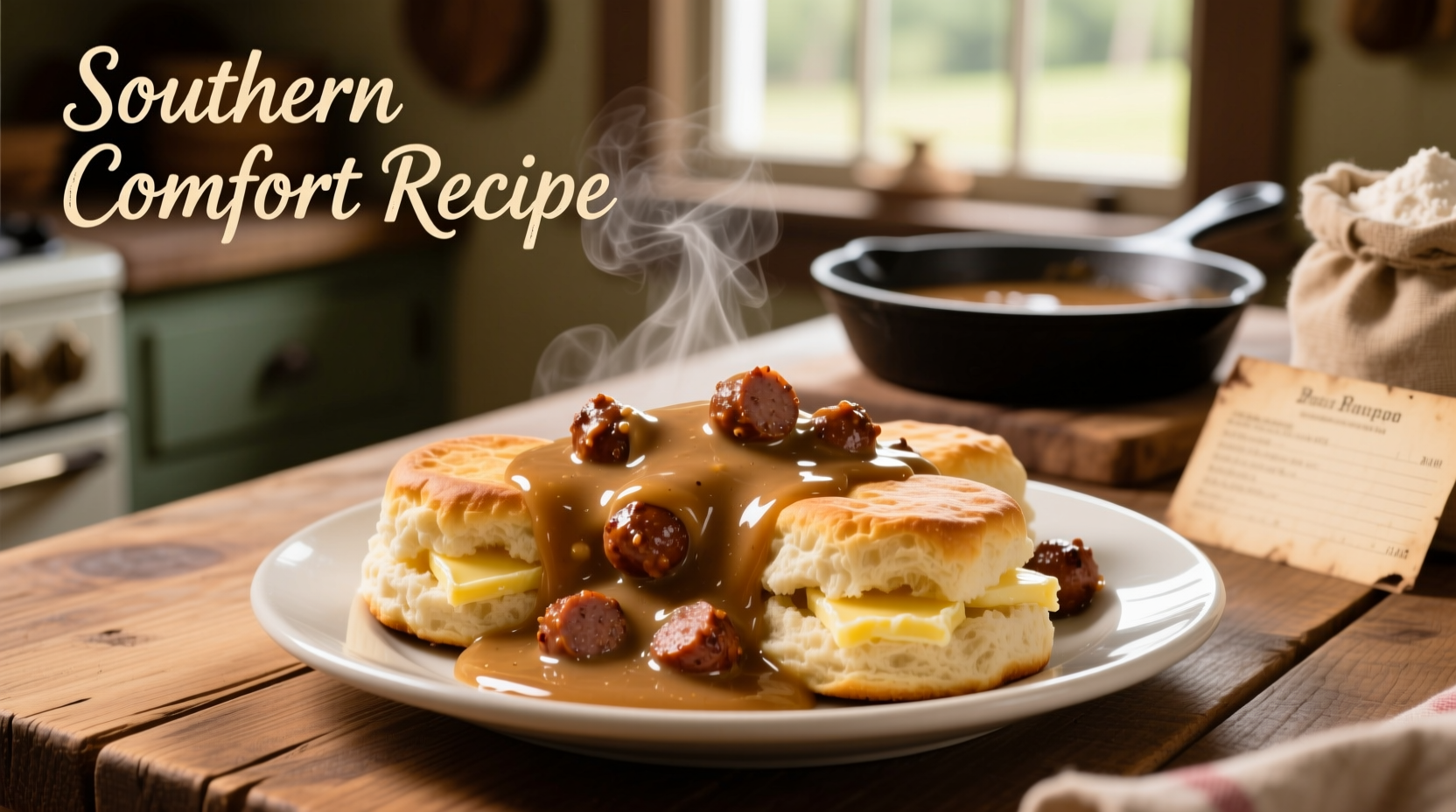
Sausage gravy with homemade biscuits is a cornerstone of Southern U.S. cuisine, often referred to as \"country gravy\" or \"biscuits and sawmill gravy.\" Unlike brown gravies made from meat drippings or stock, this white gravy begins with a roux of rendered sausage fat and flour, then incorporates milk to create a thick, creamy sauce. Crumbled seasoned pork sausage adds protein and depth, while cracked black pepper provides signature heat. The biscuits—flaky on the outside, soft within—are typically made from flour, baking powder, cold butter, buttermilk, and salt. Together, they form a complete, rustic breakfast that has sustained generations across the American South.
The dish emerged out of necessity in 19th-century farm households, where cooks used readily available staples: flour, milk, lard or butter, and whatever meat was on hand. Pork sausage became standard due to its affordability and long shelf life when cured. Over time, the combination evolved into a celebrated regional specialty, now served at diners, holiday tables, and weekend brunches nationwide.
Key Characteristics
| Attribute | Description |
|---|---|
| Flavor Profile | Savory, umami-rich, slightly salty with a warming finish from black pepper; mild sweetness from milk in the gravy; biscuits offer subtle tang (if using buttermilk) and buttery richness. |
| Aroma | Toasted flour and browning sausage dominate; nutty dairy notes from cooked milk; faint herbal undertones if sage is added. |
| Color/Form | Gravy is opaque, creamy beige; biscuits are golden brown with visible flake layers. |
| Texture | Gravy should coat the back of a spoon without running; biscuits are crisp-edged yet tender inside. |
| Heat Level | Moderate warmth from freshly ground black pepper; not spicy unless hot sausage or cayenne is used. |
| Culinary Function | Breakfast centerpiece; also used in “chicken fried steak” preparations; ideal for soaking up with bread-like bases. |
| Shelf Life | Biscuits best served fresh; gravy keeps refrigerated 3–4 days; reheat gently with added milk to restore consistency. |
Practical Usage: How to Make Sausage Gravy with Homemade Biscuits
The magic of this dish lies in timing: baking the biscuits so they emerge hot from the oven just as the gravy finishes. Each component supports the other—biscuits absorb the gravy without collapsing, while the gravy gains body from starch released during cooking.
Ingredients & Ratios
Precision matters. Deviations in fat-to-flour or liquid-to-solid ratios can lead to lumpy gravy or dry biscuits. Use these proportions as a foundation:
- For 4 servings:
- 1 lb (450g) mild pork sausage (bulk or casing removed)
- ¼ cup (30g) all-purpose flour
- 2 cups (480ml) whole milk (half-and-half may be substituted for richer texture)
- ½ tsp freshly cracked black pepper (more to taste)
- Salt (used sparingly—sausage is already seasoned)
- Optional: pinch of rubbed sage, dash of cayenne
Step-by-Step Gravy Instructions
- Cook the sausage: In a large skillet over medium heat, crumble and cook the sausage until fully browned and no pink remains (about 8–10 minutes). Break it into small pieces as it cooks.
- Drain excess grease? Not entirely. Leave about 3 tablespoons of rendered fat in the pan—the rest can be discarded. This fat carries flavor and forms the base of the roux.
- Add flour: Sprinkle flour evenly over the sausage and fat. Stir constantly with a wooden spoon or whisk to combine. Cook for 2–3 minutes to eliminate raw flour taste and develop a light nuttiness. Do not let it burn.
- Incorporate milk: Slowly pour in cold milk while whisking continuously. Start with ½ cup, ensuring smooth integration before adding more. Whisking prevents lumps by gradually hydrating the flour.
- Simmer to thicken: Increase heat slightly to bring the mixture to a gentle simmer. Continue stirring frequently. After 5–7 minutes, the gravy will thicken enough to coat a spoon. If too thick, add milk 1 tablespoon at a time.
- Season: Add cracked pepper, tasting carefully—additional salt may not be needed. Some prefer a hint of sage or onion powder, but purists argue simplicity enhances authenticity.
- Keep warm: Reduce heat to low. Cover and hold for up to 20 minutes, stirring occasionally.
TIP: For ultra-smooth gravy, strain through a fine-mesh sieve after cooking. This removes any stubborn bits and yields a silkier texture favored in professional kitchens.
Homemade Buttermilk Biscuits (Yield: 8 medium biscuits)
- Dry mix: In a large bowl, whisk together 2 cups (250g) all-purpose flour, 1 tbsp baking powder, 1 tsp sugar, and ¾ tsp salt.
- Cut in butter: Add 6 tbsp (85g) very cold unsalted butter, cubed. Using a pastry cutter or fingers, work butter into flour until mixture resembles coarse crumbs with some pea-sized pieces remaining. Cold butter creates steam pockets during baking—key to flakiness.
- Add buttermilk: Pour in ¾ cup (180ml) cold buttermilk. Stir gently with a fork until dough just comes together. Do not overmix—it will become tough.
- Shape: Turn onto a lightly floured surface. Pat or roll to ¾-inch thickness. Use a 3-inch round cutter to stamp out biscuits. Press straight down—do not twist, which seals edges and inhibits rise.
- Bake: Place on parchment-lined baking sheet, sides touching for softer sides or spaced apart for crisp edges. Bake at 450°F (230°C) for 12–15 minutes until golden brown.
PRO TIP: Brush biscuit tops with melted butter or cream before baking for deeper color and shine. For extra height, chill shaped biscuits for 10 minutes before baking.
Variants & Types
While the classic version uses mild pork sausage and white gravy, numerous variations reflect regional tastes, dietary needs, and culinary innovation.
By Protein
- Hot Pork Sausage: Contains red pepper flakes or cayenne; ideal for those who enjoy a spicier kick.
- Chicken or Turkey Sausage: Leaner alternative with milder flavor; requires added fat (like butter) to compensate for less rendered grease.
- Vegetarian/Vegan: Uses plant-based sausage crumbles and replaces milk with unsweetened oat or soy milk. Butter in biscuits substituted with vegan margarine or coconut oil.
By Gravy Style
- Sawmill Gravy: Same base, but includes diced tomatoes or tomato paste; sometimes called “red gravy.”
- Onion Gravy: Sautéed onions incorporated into the roux stage for sweetness and complexity.
- Cream Gravy: Half-and-half or heavy cream used instead of milk for luxurious mouthfeel.
By Biscuit Type
- Drop Biscuits: Spooned rather than cut; irregular shape, denser crumb.
- Butter-Rich Biscuits: Higher butter content (up to 1 stick per 2 cups flour); extremely tender but harder to handle.
- Cheddar-Herb Biscuits: Fold in sharp cheddar and chopped herbs like chives or parsley for enhanced flavor.
| Variant | Best Used When | Adjustments Needed |
|---|---|---|
| Hot Sausage Gravy | Serving spice-tolerant guests or pairing with bland sides | Reduce added pepper; balance heat with extra milk |
| Vegan Version | Catering to plant-based diets | Use oil-based roux; ensure plant milk is unflavored |
| Cheddar Biscuits | Special occasions or holiday breakfasts | Add cheese after mixing dry ingredients; avoid overworking |
| Cream-Based Gravy | Seeking indulgent, restaurant-style results | Do not boil—cream can curdle; keep heat moderate |
Comparison with Similar Ingredients
Sausage gravy is often confused with other types of gravy, but key distinctions set it apart.
| Gravy Type | Base | Thickener | Protein Source | Serving Context |
|---|---|---|---|---|
| Sausage Gravy | Rendered sausage fat + milk | Flour roux | Ground pork sausage | Breakfast, biscuits, Southern comfort meals |
| Brown Gravy | Beef or poultry drippings + stock | Flour or cornstarch | Roasted meats (beef, chicken) | Dinner entrées, mashed potatoes, meatloaf |
| White Sauce (Béchamel) | Butter + milk | Flour roux | None (unless modified) | Casseroles, lasagna, soufflés |
| Pepper Gravy | Drippings + water/milk | Flour | Often none—just pan residue | Rural Southern meals, served with cornbread |
\"True country gravy isn't masked with herbs or wine—it lets the humble ingredients speak. It's about texture, temperature, and timing. Get the roux right, and everything else follows.\" — Chef Evelyn Reed, Southern Culinary Institute
Practical Tips & FAQs
How do I prevent lumpy gravy?
Lumps form when flour clumps upon contact with liquid. Prevent them by:
- Mixing flour thoroughly into fat before adding milk
- Adding milk slowly while whisking constantly
- Using a whisk—not a spoon—for even dispersion
- Straining the finished gravy if necessary
Can I make this ahead of time?
Biscuits are best fresh, but components can be prepped in advance:
- Biscuit dough: Shape and refrigerate overnight; bake in the morning.
- Gravy: Make fully, cool, and store covered in fridge. Reheat over low heat, whisking in warm milk to loosen.
Why use buttermilk in biscuits?
Buttermilk’s acidity reacts with baking powder, boosting leavening. It also tenderizes gluten, yielding a softer crumb. If unavailable, substitute regular milk with 1 tbsp vinegar or lemon juice per cup, rested for 5 minutes.
What kind of milk works best?
Whole milk (3.25% fat) produces the richest result. Lower-fat milks can be used but may yield thinner gravy requiring longer reduction. Avoid boiling condensed or ultra-high-temperature (UHT) milk, which can separate.
How do I know when biscuits are done?
They should be deeply golden on top and sound hollow when tapped underneath. Internal temperature should reach 200–205°F (93–96°C).
Can I freeze sausage gravy?
Yes, though dairy-based sauces risk separating. Cool quickly, store in airtight container, and use within 2 months. Thaw in fridge and reheat gently with continuous stirring and added milk.
Are there gluten-free options?
Absolutely:
- Replace all-purpose flour with a 1:1 gluten-free blend (ensure it contains xanthan gum)
- Use GF-certified baking powder and sausage (some contain fillers with gluten)
- Test different brands—texture varies widely
What side dishes pair well?
This dish stands alone, but common accompaniments include:
- Fried eggs or scrambled eggs
- Sliced tomatoes or hash browns
- Pickled vegetables (okra, peppers) for brightness
- Orange juice or strong coffee
EXPERT TECHNIQUE: For picture-perfect plating, split biscuits horizontally and spoon gravy between layers as well as over the top. This maximizes absorption and presentation.
Summary & Key Takeaways
Sausage gravy with homemade biscuits is more than nostalgia—it’s a study in foundational cooking techniques: roux-making, emulsification, and laminated dough handling. Success hinges on understanding ratios, respecting ingredient roles, and mastering timing. The gravy relies on a balanced fat-flour-milk structure, while the biscuits demand minimal handling and high heat. Variations allow adaptation to dietary needs or flavor preferences, but the core principles remain unchanged.
Whether preparing a weekend family breakfast or demonstrating classic American comfort food, this dish rewards attention to detail. Serve it hot, simple, and generous—because the best meals aren’t complicated; they’re honest, nourishing, and shared.
Try this recipe this weekend, and notice how each element transforms with proper technique. Once mastered, explore variations—add smoked paprika, experiment with heirloom grains in biscuits, or serve alongside fried apples for a seasonal twist.









