
A persistent salty taste in the mouth can be more than just a fleeting annoyance—it may signal an underlying health issue. While occasional changes in taste are normal, a lingering metallic or saline sensation often prompts concern. Understanding the root causes, from dehydration to neurological conditions, helps distinguish between harmless fluctuations and symptoms requiring medical attention. This guide explores the science behind taste disturbances, practical remedies, and clear indicators for when professional evaluation is essential.
What Causes a Salty Taste in the Mouth?
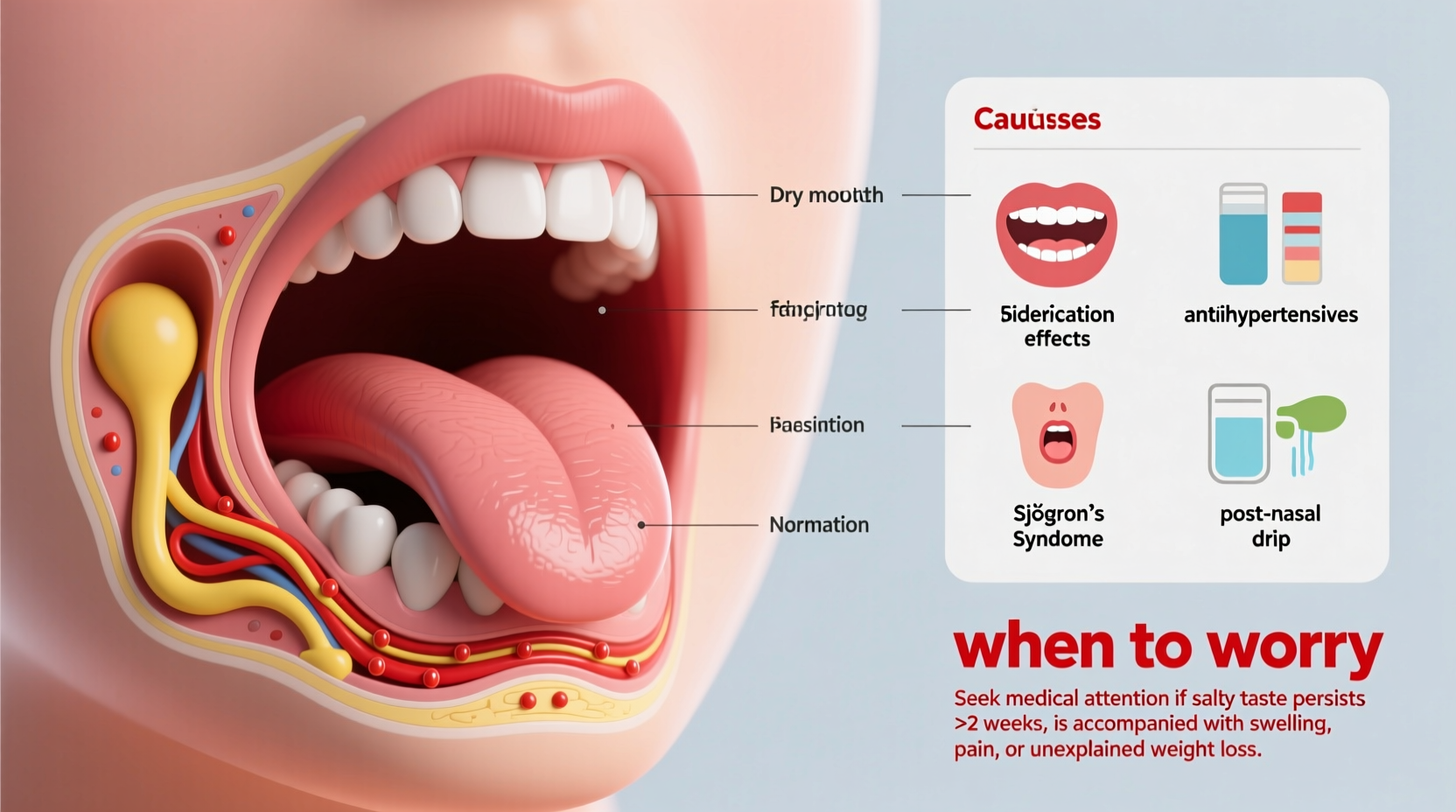
The perception of taste relies on complex interactions between saliva composition, nerve signaling, and oral health. A salty sensation typically arises when the balance of electrolytes in saliva shifts or when sensory signals from taste buds become disrupted. Common contributors include:
- Dehydration: Reduced saliva production concentrates sodium and other minerals, enhancing saltiness.
- Oral bleeding: Blood has a slightly metallic-salty flavor; gingivitis or minor gum injuries can introduce this taste.
- Sinus infections: Postnasal drip carries mucus rich in salts and inflammatory byproducts into the mouth.
- Medications: Antibiotics, antihypertensives, and antidepressants may alter taste perception as a side effect.
- Dry mouth (xerostomia): Caused by aging, autoimmune disorders like Sjögren’s syndrome, or radiation therapy.
In rarer cases, neurological conditions such as Bell’s palsy or head trauma affecting the facial nerve can distort taste signals, leading to phantom salty sensations.
Tip: Monitor your fluid intake and oral hygiene if you notice a sudden change in taste—early intervention often prevents escalation.Treatment Options Based on Underlying Cause
Effective management depends on identifying the primary trigger. Treating symptoms without addressing the root cause offers only temporary relief.
Hydration and Oral Care
For dehydration-related saltiness, increasing water intake to at least 8 glasses daily helps restore normal saliva consistency. Sugar-free gum or lozenges stimulate salivary flow, reducing dryness and diluting excess electrolytes.
Managing Sinus and Respiratory Conditions
If postnasal drip from allergies or sinusitis is responsible, nasal irrigation with saline sprays or neti pots can reduce mucus buildup. Over-the-counter antihistamines or decongestants may also provide relief, though long-term use should be discussed with a physician.
Addressing Medication Side Effects
Some drugs, particularly ACE inhibitors and certain antibiotics, list dysgeusia (taste distortion) as a known side effect. Never discontinue prescribed medication without consulting your doctor, but do report taste changes during follow-ups. Alternatives may exist that don’t affect sensory function.
Hormonal and Neurological Factors
Pregnancy hormones can temporarily alter taste, often resolving after the first trimester. For neurological causes, diagnostic imaging and nerve conduction studies may be needed. Treatment varies widely—from corticosteroids for inflammation to physical therapy in cases of facial nerve damage.
“Persistent taste disturbances shouldn’t be dismissed as trivial. They’re often the body’s early warning system.” — Dr. Lena Patel, Otolaryngologist and Taste Disorder Specialist
When to Worry: Red Flags That Require Medical Attention
Most cases of salty taste resolve within days, especially when linked to mild dehydration or colds. However, specific warning signs indicate the need for prompt medical evaluation:
| Symptom | Possible Implication | Action Required |
|---|---|---|
| Duration longer than 2 weeks | Chronic infection, autoimmune disease, or medication side effect | Consult primary care physician |
| Facial muscle weakness or drooping | Neurological involvement (e.g., Bell’s palsy) | Seek immediate neurology assessment |
| Blood in saliva without injury | Gum disease, oral lesion, or systemic condition | Dental or ENT examination |
| Accompanied by confusion, headache, or vision changes | Potential CNS disorder or stroke symptom | Emergency medical care |
Unexplained weight loss, difficulty swallowing, or persistent dry mouth despite hydration efforts also warrant investigation, as they may point to diabetes, thyroid dysfunction, or Sjögren’s syndrome.
Step-by-Step Guide to Managing a Salty Mouth Sensation
- Assess recent changes: Note new medications, dental work, or illness onset.
- Increase fluid intake: Aim for pale yellow urine as a hydration benchmark.
- Rinse with warm saltwater or baking soda solution: Twice daily to cleanse the mouth and balance pH.
- Practice gentle oral hygiene: Use soft-bristled toothbrushes and non-alcoholic mouthwashes to avoid irritation.
- Track symptoms: Keep a journal of taste changes, timing, associated symptoms, and potential triggers.
- Consult a healthcare provider: If no improvement in 7–10 days or if red flags appear.
Real-Life Example: When a Salty Taste Was a Warning Sign
Mark, a 54-year-old office worker, noticed a constant salty taste lasting over three weeks. He initially attributed it to his new blood pressure medication but became concerned when he developed dry eyes and fatigue. His dentist ruled out gum disease, prompting a referral to an internist. Blood tests revealed elevated markers for Sjögren’s syndrome—an autoimmune disorder attacking moisture-producing glands. With early diagnosis, Mark began immune-modulating therapy and experienced significant symptom improvement within months. His case underscores how a seemingly minor taste change can reveal a systemic condition when investigated promptly.
Do’s and Don’ts: Quick Reference Table
| Do’s | Don’ts |
|---|---|
| Stay hydrated with water or herbal teas | Consume excessive caffeine or alcohol (drying agents) |
| Use alcohol-free mouthwash | Ignore persistent symptoms beyond two weeks |
| Visit your dentist regularly for gum checks | Smoke or use tobacco products (worsens dry mouth) |
| Keep a symptom diary before seeing a doctor | Self-diagnose or stop medications abruptly |
FAQ
Can acid reflux cause a salty taste in the mouth?
Yes. Gastroesophageal reflux disease (GERD) can bring stomach fluids into the throat and mouth. While sour or bitter tastes are more common, some people report salty sensations due to altered saliva composition and irritation of taste receptors.
Is a salty taste during pregnancy normal?
It’s relatively common, especially in the first trimester. Hormonal surges, particularly increased estrogen, can heighten sensitivity to taste and smell. This usually resolves naturally as the pregnancy progresses.
Can dental work cause a salty taste?
Absolutely. Procedures involving local anesthesia, fillings, or crowns can irritate nerves or leave residual materials that temporarily alter taste. Most cases resolve within a few days unless infection or nerve damage occurs.
Conclusion: Listen to Your Body’s Signals
A salty taste in the mouth is often benign, but it should never be ignored when persistent or paired with other symptoms. The mouth serves as a window into overall health, reflecting imbalances ranging from simple dehydration to complex neurological or autoimmune disorders. By staying informed, maintaining good oral hygiene, and seeking timely medical advice, you empower yourself to address issues before they escalate. Pay attention to your body’s subtle cues—they’re often the first step toward better health.
💬 Have you experienced a persistent salty taste? Share your story or questions in the comments—your insight could help someone find answers.








