
Dog owners want the best for their pets—love, attention, and safe ways to play. Yet when it comes to choosing toys, many reach for inexpensive plastic options without considering what they’re made of or how they might affect their dog’s health. While budget-friendly toys may seem like a smart choice, the reality is that not all dog toys are created equal. Some contain harmful chemicals, break apart easily, or pose choking hazards. The real question isn’t just about cost—it’s about safety, durability, and long-term value.
Understanding the difference between truly safe dog toys and cheap plastic alternatives can help you make informed decisions that support your dog’s well-being without breaking the bank.
What Makes a Dog Toy Safe?
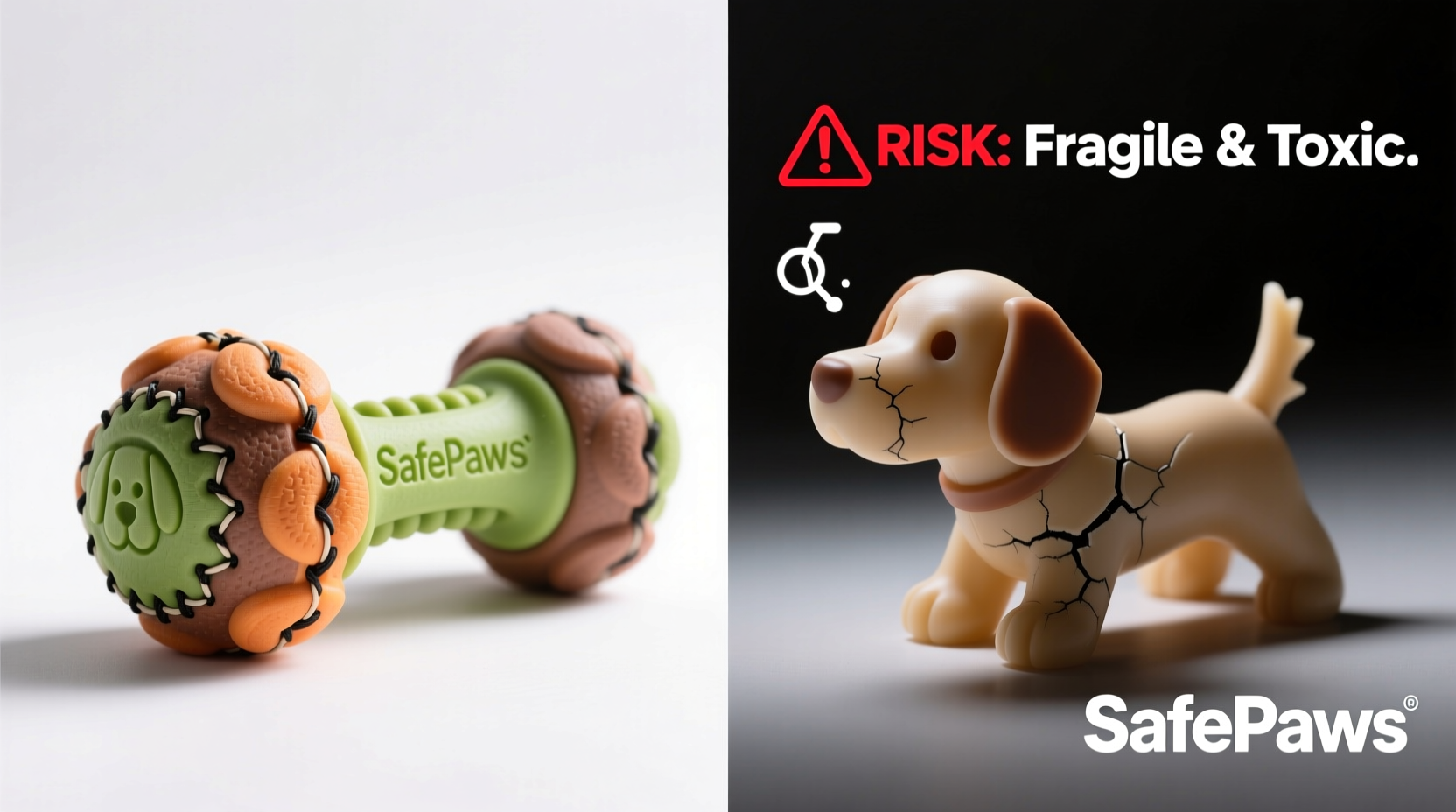
Safety in dog toys goes beyond avoiding sharp edges. A truly safe toy should be non-toxic, durable enough to withstand enthusiastic chewing, and free from small parts that could be swallowed. Veterinarians and pet safety experts emphasize three key factors: material composition, structural integrity, and manufacturing transparency.
Toys made from natural rubber, food-grade silicone, or organic cotton are generally safer than those made from unknown plastics or synthetic blends. Look for labels indicating BPA-free, phthalate-free, and FDA-compliant materials. These certifications suggest the product has undergone testing for harmful substances.
“Many cheap dog toys are manufactured overseas with little oversight. Owners often don’t realize that the brightly colored plastic their dog chews on may contain endocrine disruptors.” — Dr. Laura Simmons, DVM, Canine Health Specialist
The shape and design also matter. Avoid toys with glued-on parts, excessive squeakers, or weak seams. Dogs don’t distinguish between “chew” and “play”—they use their mouths for both, meaning anything detachable becomes a potential hazard.
Tip: Always supervise your dog during the first few play sessions with a new toy to assess its durability and your pet’s interaction style.Cheap Plastic Toys: Hidden Risks Behind the Low Price
The appeal of a $2 chew toy is obvious—especially if you have a dog that destroys everything within minutes. But low cost often comes at a high price in terms of safety and longevity. Many budget plastic toys are made from recycled or mixed polymers that haven’t been tested for pet safety. Over time, these materials can degrade, releasing microplastics or leaching chemicals into your dog’s mouth.
In addition to chemical concerns, cheap toys frequently fail basic durability tests. They crack under pressure, splinter into sharp shards, or break apart into swallowable pieces. According to the American Veterinary Medical Association (AVMA), foreign body ingestion is one of the most common reasons for emergency vet visits—and poorly constructed toys are a leading contributor.
- Fragile seams that split after minimal chewing
- Bright dyes that stain fur and may be toxic if ingested
- Loud squeakers encased in thin plastic shells that rupture easily
- No batch tracking or recall information available
While some dogs may tolerate these toys without immediate issues, repeated exposure increases the risk of gastrointestinal blockages, dental damage, and chronic inflammation.
Safe Alternatives That Offer Real Value
Choosing safer toys doesn’t mean spending hundreds on boutique brands. Many high-quality, non-toxic options are competitively priced and last significantly longer than their flimsy counterparts. Investing in better-made toys often results in fewer replacements and lower veterinary costs over time.
Brands like West Paw, Kong, and Beco Pets prioritize sustainability and safety, using recyclable materials and third-party lab testing. Natural rubber toys, such as those made from latex or Hevea, provide flexibility and resilience ideal for aggressive chewers. Rope toys made from hemp or cotton offer dental benefits while being biodegradable.
| Toy Type | Average Cost | Lifespan (Aggressive Chewer) | Key Safety Features |
|---|---|---|---|
| Cheap Plastic Squeaky | $1–$3 | 1–3 days | None; often untested |
| Natural Rubber Ball | $8–$12 | 3–6 months | BPA-free, non-toxic, dishwasher-safe |
| Hemp Rope Tug | $10–$15 | 4–8 months | Biodegradable, no synthetic dyes |
| Recycled Fleece Plush | $12 | 2–4 months | Stitched seams, minimal stuffing |
The data shows a clear pattern: higher initial cost correlates with longer lifespan and reduced health risks. Over the course of a year, replacing cheap toys weekly could cost more than investing in two or three premium options.
Mini Case Study: Max the Labrador and the Broken Bone Hazard
Max, a 2-year-old yellow Labrador, loved chewing on hard plastic toys. His owner, Sarah, bought a pack of five colorful dinosaur-shaped chew toys online for under $10. Within a week, Max had broken off a leg from one toy and swallowed it. By the next morning, he was vomiting and lethargic. An X-ray revealed a partial intestinal blockage caused by the rigid plastic fragment.
Surgery was required to remove the piece. The total bill: $2,800. After consulting with her veterinarian, Sarah switched to vet-recommended rubber toys and began inspecting every new item for safety certifications. She now spends about $20 a month on toys—but hasn’t had a single incident since.
“I thought I was saving money,” Sarah said. “But one emergency visit wiped out a year’s worth of toy savings. Now I check every label and avoid anything that feels brittle or smells like chemicals.”
How to Choose Safer Toys on a Budget
You don’t need to spend extravagantly to keep your dog safe. With a strategic approach, you can balance affordability and quality. Follow this checklist to make smarter choices:
Checklist: Selecting Safe, Affordable Dog Toys- ✅ Check for BPA-free, phthalate-free, or FDA-compliant labels
- ✅ Avoid toys with strong chemical odors
- ✅ Test flexibility—safe rubber should bend, not snap
- ✅ Buy from reputable brands with transparent sourcing
- ✅ Rotate toys to extend life and maintain interest
- ✅ Look for sales or bundle deals from trusted retailers
- ✅ Consider DIY options like knotted cotton towels for tug-of-war
Another cost-effective strategy is toy rotation. Instead of buying new ones constantly, keep a collection and introduce them in cycles. This keeps playtime exciting and reduces wear on individual items. Washable toys can be cleaned and reused for months.
Frequently Asked Questions
Are all plastic dog toys dangerous?
No—not all plastic toys are unsafe. High-quality brands use food-grade or medical-grade polymers that are rigorously tested. The danger lies in unlabeled, imported, or excessively cheap plastics that lack transparency in sourcing and safety testing.
Can I recycle old dog toys?
Most standard curbside recycling programs do not accept mixed-material dog toys (e.g., plastic with fabric or metal squeakers). However, companies like TerraCycle offer specialized pet product recycling. Alternatively, repurpose worn toys for yard games or donate intact plush toys to shelters if allowed.
How do I know if my dog has swallowed part of a toy?
Signs include vomiting, loss of appetite, abdominal pain, lethargy, or changes in bowel movements. If you suspect ingestion, contact your vet immediately. Early intervention can prevent surgery.
Conclusion: Prioritize Safety, Not Just Savings
The cheapest dog toy might save you a few dollars today, but it could cost your pet’s health tomorrow. When evaluating options, consider total ownership cost—not just purchase price. A durable, non-toxic toy that lasts months offers far greater value than a dozen flimsy ones that end up in the trash—or worse, in your dog’s digestive tract.
By choosing wisely, reading labels, and staying informed, you can give your dog safe, engaging play experiences without overspending. Your pet’s wagging tail and good health are worth the extra effort.
💬 Have you switched from cheap to safer dog toys? Share your experience or favorite brands in the comments—your insights could help another pet parent make a safer choice.








