Grooming your dog at home saves time, money, and strengthens your bond—but it only works if your dog stays still. Many pet owners struggle with wiggly, anxious, or overstimulated dogs who won’t sit still for nail trims, brushing, or ear cleaning. Using improper restraint can lead to injuries, fear, or resistance in future sessions. The key is not force, but control through calm, consistent, and species-appropriate techniques that prioritize safety and trust.
Professional groomers and veterinarians rely on specific handling methods designed to keep both the animal and handler secure. With the right approach, even energetic or nervous dogs can learn to tolerate—and eventually accept—grooming as a routine part of life. This guide outlines proven strategies to safely restrain your dog during home grooming, minimizing stress and maximizing cooperation.
Understanding Canine Behavior During Grooming
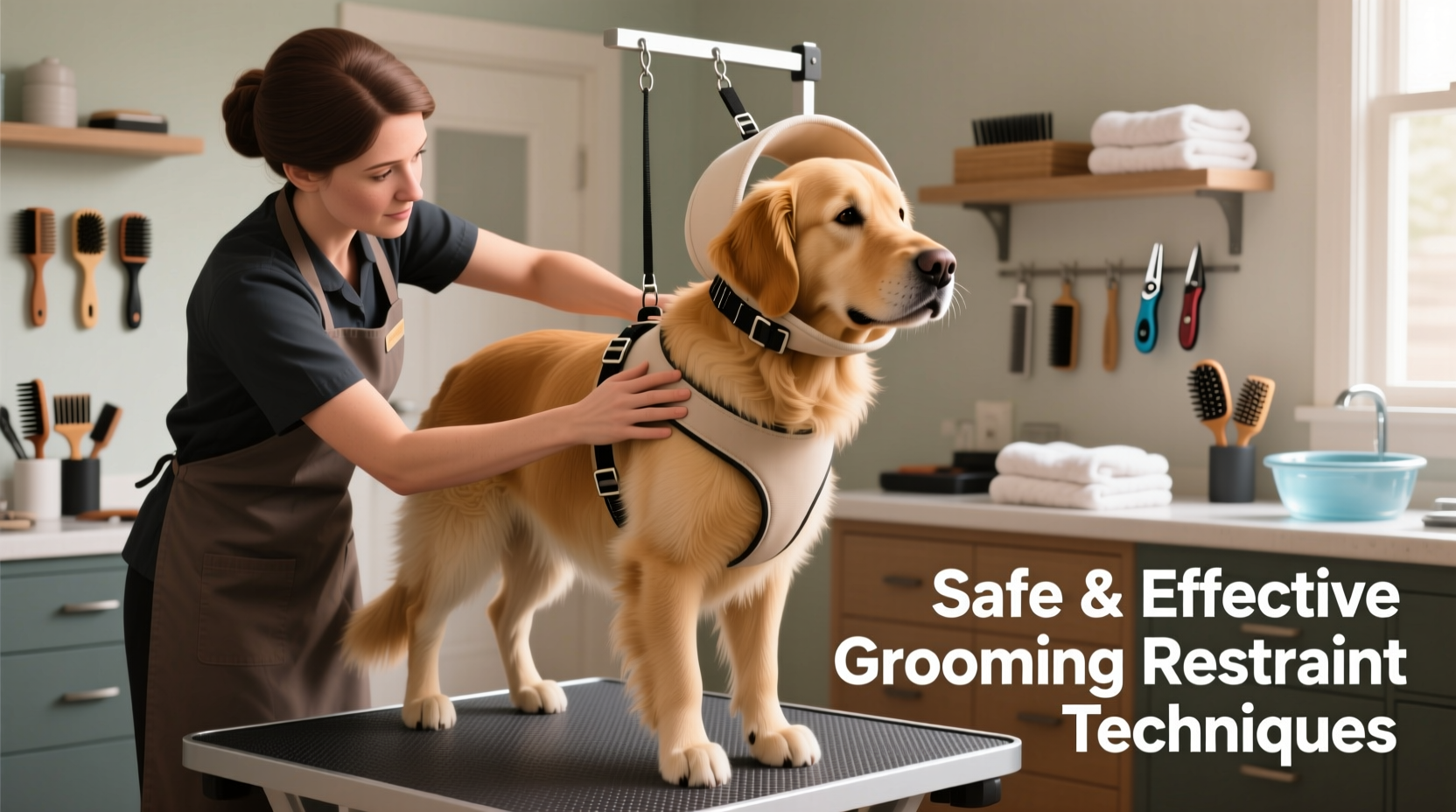
Dogs don’t inherently understand why we brush their fur, clip their nails, or clean their ears. These actions can feel invasive, especially if they’re unfamiliar or associated with discomfort. Restraint isn’t about dominance; it’s about communication and safety. A dog that resists grooming may be expressing fear, confusion, or past negative experiences.
Effective restraint begins with reading your dog’s body language. Signs of anxiety include:
- Averted gaze or whale eye (visible whites of the eyes)
- Lip licking or yawning when not tired
- Lowered body posture or trembling
- Tail tucking or pinned-back ears
- Attempting to move away or freeze in place
If your dog shows these signs, pause and reassess. Forcing them into position can create long-term fear. Instead, build positive associations through gradual desensitization and reward-based training before introducing physical restraint.
Tip: Always pair grooming activities with treats, praise, or play to reinforce calm behavior.Essential Tools for Safe Restraint
Having the right equipment makes a significant difference in maintaining control without causing distress. Not all tools are appropriate for every dog, so choose based on size, temperament, and grooming needs.
| Tool | Best For | Caution |
|---|---|---|
| Grooming Loop (or Noose) | Medium to large dogs needing head stabilization | Never leave unattended; adjust for snug fit without choking |
| Non-Slip Mat | All dogs on smooth surfaces | Ensure mat is large enough to prevent slipping |
| Grooming Arm (with table) | Stable positioning on elevated tables | Only use with proper training; never force compliance |
| Towel or Blanket Wrap | Small or anxious dogs during nail trims or ear cleaning | Avoid overly tight wrapping; monitor breathing |
| Treat-Dispensing Toy | Distraction during brushing or drying | Use soft treats to avoid choking hazard |
Investing in a sturdy grooming table with an adjustable arm can dramatically improve control, especially for larger breeds. However, many techniques work effectively on the floor for dogs who find elevation stressful.
Step-by-Step Guide to Gentle Restraint Techniques
Follow this sequence to safely and humanely restrain your dog during common grooming tasks. Consistency and patience are essential—never rush the process.
- Prepare the Environment: Choose a quiet, well-lit area free from distractions. Have all tools and treats ready before calling your dog.
- Begin with Calm Handling: Touch paws, ears, and tail while offering treats. Do this daily for several days before actual grooming to build tolerance.
- Position Your Dog: Place your dog on a non-slip surface. Stand beside them, one hand gently cradling the chin or chest, the other ready to perform the task.
- Apply Light Physical Guidance: Use your body to block escape routes. For example, tuck your knee lightly against their side to discourage movement.
- Use a Grooming Loop (if needed): Slip the loop over the head and attach it to a stable anchor point. Adjust so you can gently guide the head without pressure on the neck.
- Work in Short Bursts: Perform one nail trim or ear wipe, then release and reward. Gradually increase duration as your dog becomes more comfortable.
- End on a Positive Note: Finish with brushing or a favorite activity, followed by high-value treats.
For small dogs, consider placing them on your lap while wrapping them gently in a towel, leaving only the area being worked on exposed. This \"burrito method\" provides comfort and limits kicking.
“Restraint should never mean immobilization through fear. The goal is cooperative care, where the dog feels secure enough to stay in place voluntarily.” — Dr. Karen Overall, Veterinary Behaviorist
Common Mistakes to Avoid
Even well-meaning owners can unintentionally escalate stress during grooming. Avoid these pitfalls:
- Using excessive force: Holding too tightly triggers panic and erodes trust.
- Skipping desensitization: Jumping straight into clipping without prior exposure leads to resistance.
- Ignoring stress signals: Pushing through lip-licking or trembling teaches your dog that anxiety doesn’t stop the procedure.
- Grooming too long: Sessions should start at 5–10 minutes and gradually extend as tolerance builds.
- Punishing movement: Yelling or jerking the leash conditions your dog to associate grooming with punishment.
Instead, break tasks into micro-steps. If your dog tolerates paw touching, reward and stop. Repeat the next day. Over time, you’ll be able to lift the paw, touch the nail, then finally clip it—all without restraint beyond light hand support.
Real Example: Helping a Reactive Terrier Accept Nail Trims
Max, a 3-year-old Jack Russell Terrier, would bark and bite at the sight of nail clippers. His owner, Sarah, tried holding him down, but Max became increasingly aggressive. After consulting a veterinary behaviorist, she changed her approach.
She started by placing the clippers nearby during mealtime—no interaction, just positive association. Over days, she touched his paws while feeding treats. Then, she clicked the clippers near him while rewarding calmness. After two weeks, she was able to hold one paw and click once—then stopped and gave a treat.
Within a month, Max allowed all four nails to be trimmed in short sessions using only gentle hand restraint. No muzzle, no grooming loop, no force. The transformation came not from stronger control, but from building trust through incremental progress.
Checklist: Preparing for a Stress-Free Grooming Session
Checklist:- ✅ Clear the grooming area of distractions
- ✅ Lay down a non-slip mat or towel
- ✅ Gather all tools and high-value treats
- ✅ Check grooming loop or arm for proper fit and function
- ✅ Spend 5 minutes calming your dog with petting or light massage
- ✅ Start with a familiar, low-stress task (e.g., brushing)
- ✅ Monitor body language throughout and pause if stress appears
- ✅ End with praise and a favorite toy or treat
Frequently Asked Questions
Is it okay to muzzle my dog during grooming?
A soft fabric muzzle can be used temporarily for dogs who tend to snap out of fear—not aggression. It must allow panting and treat delivery. Never use a muzzle as a substitute for training. Introduce it gradually with positive reinforcement.
My dog hates having his paws touched. How can I change that?
Start by touching one paw for one second, then immediately give a treat. Repeat multiple times a day, slowly increasing duration. Pair each touch with something pleasant, like a small piece of chicken. Over time, your dog will anticipate the reward instead of bracing for discomfort.
Can I use a leash to restrain my dog on a grooming table?
A leash alone is not sufficient or safe on an elevated surface. Use a grooming loop attached to a secure arm or bar. A loose leash can slip or tangle, increasing fall risk. Never rely solely on collar restraint, especially for strong-pulling dogs.
Conclusion: Building Cooperation, Not Control
Safety during home grooming doesn’t come from brute strength—it comes from understanding, preparation, and patience. By using humane restraint techniques, reading your dog’s cues, and reinforcing calm behavior, you create an environment where grooming becomes a shared ritual rather than a battle.
Every dog, regardless of breed or past experience, can learn to cooperate with basic care when approached with empathy and consistency. Start small, celebrate progress, and remember that trust is the most powerful tool you have.
💬 Have a grooming tip that worked for your dog? Share your experience in the comments to help fellow pet owners create safer, calmer grooming routines at home.








