
Grooming your dog at home can be a rewarding experience that strengthens the bond between you and your pet while saving time and money. Using hair clippers is a practical way to maintain your dog’s coat, especially during shedding seasons or for breeds that require regular trimming. However, improper technique can lead to skin nicks, stress, or an uneven cut. With the right tools, preparation, and approach, you can safely and effectively groom your dog at home.
Understanding Your Dog’s Coat Type and Needs
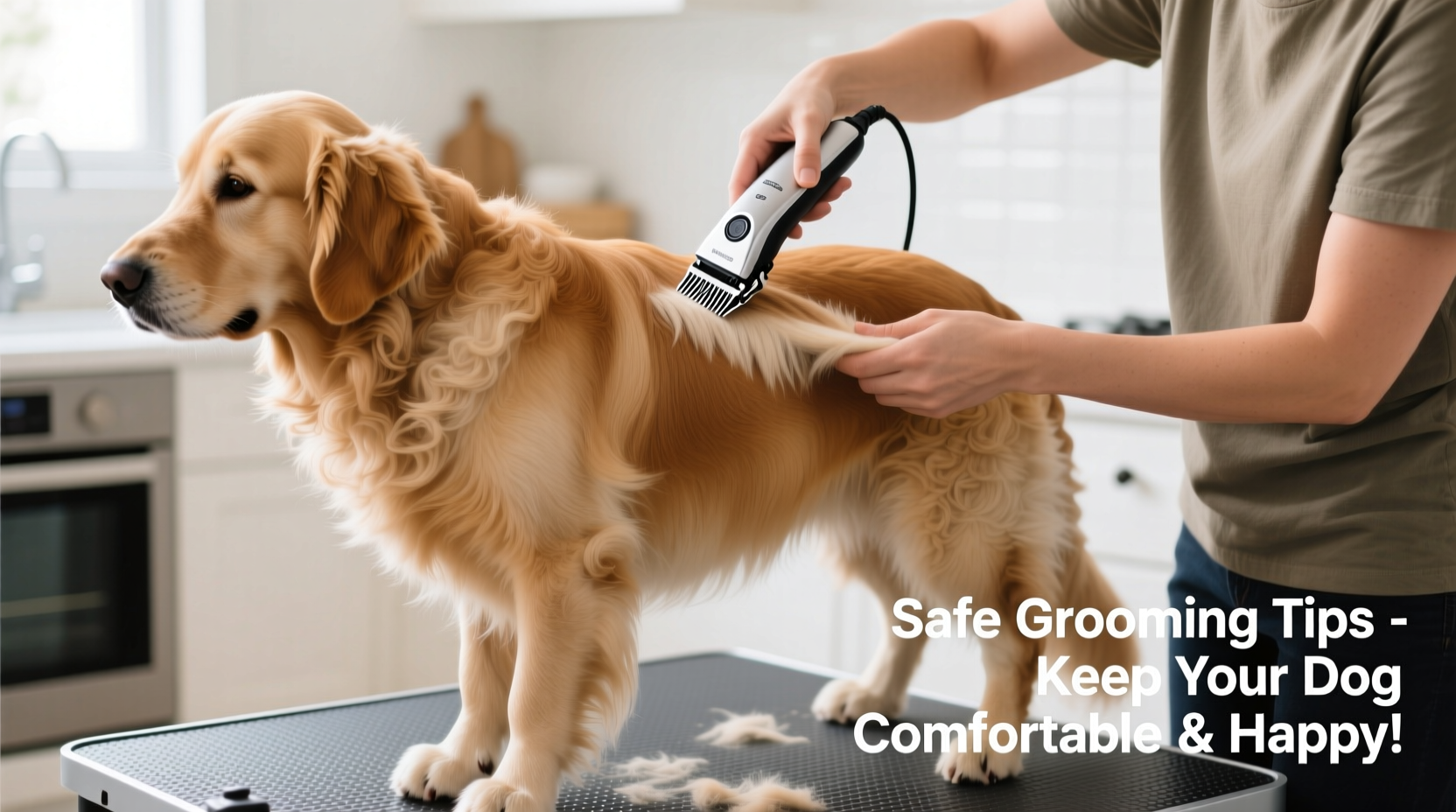
Different breeds have vastly different coat types—double-coated (like Huskies), wiry (like Terriers), curly (like Poodles), or smooth (like Beagles). Each requires specific clipping strategies. For example, double-coated dogs should never be shaved down completely, as this can disrupt their natural insulation and lead to long-term coat damage. Instead, focus on thinning and removing loose undercoat.
Before using clippers, assess whether your dog needs a full trim, spot grooming, or de-matting. Dogs with thick undercoats benefit from regular brushing before clipping to prevent clogging the blades. Knowing your dog’s breed-specific needs ensures you choose the right blade length and avoid unnecessary stress.
Tip: Always brush your dog thoroughly before clipping to remove tangles and loose fur—this prevents pulling and overheating of the clippers.Essential Tools and Preparation
Successful home grooming starts with proper equipment. You’ll need more than just clippers—each tool plays a role in safety and comfort.
| Tool | Purpose | Recommendation |
|---|---|---|
| High-quality dog clippers | Cut through dense or coarse fur without overheating | Wahl, Andis, or Oster models with low vibration |
| Interchangeable blades | Vary cutting lengths (e.g., #10 for short trim, #4 for longer) | Have multiple sizes on hand |
| Detangling comb & slicker brush | Remove mats and prepare coat | Stainless steel pins, rounded tips |
| Blade oil | Reduce friction and prolong blade life | Apply every 10–15 minutes of use |
| Styptic powder | Treat minor nicks immediately | Keep within reach |
Prepare a quiet, well-lit area free from distractions. Place a non-slip mat under your dog to prevent slipping. Offer treats and let your dog sniff the clippers before turning them on—this reduces fear. A calm environment sets the tone for a smoother session.
Step-by-Step Guide to Safe Clipping
- Brush thoroughly: Start with a full-body brush to detect and gently remove mats. Severe matting may require professional help to avoid cutting the skin.
- Select the right blade: Begin with a longer guard (e.g., #4 or #7) for safety, especially if you’re new to clipping.
- Test clipper noise and vibration: Turn on the clippers near your dog but not touching them. Let them get used to the sound.
- Start with low-risk areas: Begin on the back and sides where the skin is taut and less sensitive. Move in the direction of hair growth for a smoother cut.
- Clip in slow, overlapping strokes: Apply light pressure. Never stretch the skin. Pause often to check progress and reapply blade oil.
- Avoid sensitive zones: Use scissors or a smaller trimmer around the face, ears, paws, and genital area. Clippers can easily slip here.
- Monitor your dog’s behavior: If they tense up, whine, or try to move away, take a break. Forcing the process increases anxiety.
- Finish with a soft brush: Remove clipped hairs and check for missed spots or irritation.
Common Mistakes and How to Avoid Them
- Using human clippers: They aren’t designed for thick dog fur and can overheat or pull hair.
- Skipping blade maintenance: Dull or dry blades tug at fur and irritate skin. Oil blades regularly and replace when worn.
- Clipping too close: Especially on dark-skinned dogs, close cuts increase sunburn risk. Leave at least 1/4 inch of fur.
- Ignoring signs of discomfort: Whining, tail tucking, or lip licking are signals to stop and reassess.
- Shaving double-coated breeds: This can cause “shaving alopecia,” where the coat doesn’t grow back properly.
“Many owners don’t realize that improper clipping can lead to long-term skin issues or behavioral aversion to grooming. A gentle, patient approach protects both physical and emotional health.” — Dr. Lena Torres, DVM, Canine Dermatology Specialist
Real Example: Grooming a Nervous Rescue Dog
Milo, a 3-year-old mixed-breed rescue, was terrified of loud noises. His owner, Sarah, wanted to trim his matted coat but knew a rushed job would worsen his anxiety. She began by letting Milo observe grooming sessions on another calm dog. Over three days, she introduced the clippers turned off, then on nearby, pairing each step with high-value treats. On day four, she clipped just one small section of his shoulder while someone else gently held him. After each successful segment, Milo received praise and a favorite chew. Within a week, he tolerated a full trim. The gradual method built trust and made future grooming easier.
Checklist: Before, During, and After Grooming
Pre-Grooming- Brush coat thoroughly
- Ensure clippers are clean and oiled
- Charge batteries or plug in securely
- Set up a calm, distraction-free space
- Have treats and water available
- Use correct blade size
- Move with the grain of the hair
- Pause to cool clippers and re-oil blades
- Watch for signs of stress
- Avoid sensitive areas with clippers
- Sweep up loose hair
- Clean and store clippers properly
- Inspect skin for redness or nicks
- Reward your dog generously
- Schedule next session if needed
Frequently Asked Questions
How often should I clip my dog’s coat?
It depends on breed and coat type. Fast-growing breeds like Poodles may need clipping every 4–6 weeks. Others, like Labrador Retrievers, typically only need seasonal de-shedding. Regular brushing helps determine when a trim is necessary.
Can I use scissors instead of clippers?
Yes, for small areas like paws, face, or sanitary trims. However, scissors are inefficient for large areas and increase the risk of accidental cuts. Clippers are faster and more consistent for body work.
What should I do if I accidentally nick my dog’s skin?
Stay calm. Apply gentle pressure with a clean cloth and use styptic powder to stop bleeding. Most small nicks heal quickly. If the cut is deep or doesn’t stop bleeding, contact your vet.
Final Tips for Long-Term Success
Home grooming becomes easier with consistency. Establish a routine that aligns with your dog’s coat growth cycle. Keep your tools clean and sharp—dull blades are dangerous and ineffective. Most importantly, prioritize your dog’s comfort over perfection. An uneven cut is far better than a traumatic experience.
As your confidence grows, you may explore advanced techniques like scissoring or shaping, but always build skills gradually. Consider attending a hands-on grooming workshop or consulting a professional groomer for personalized advice.
🚀 Start today: Pick a calm evening, gather your tools, and begin with a simple brushing session. Small steps lead to confident grooming—and a happier, healthier dog.








