Carrying a large dog may become necessary due to injury, age, or temporary mobility issues. While small dogs can often be lifted with minimal effort, larger breeds—such as Labradors, German Shepherds, or Golden Retrievers—pose a significant physical challenge. Improper lifting techniques can lead to back strain, shoulder injuries, or even long-term musculoskeletal damage for the handler, while causing discomfort or harm to the dog. Understanding safe, effective methods for lifting and transporting a large dog is essential for pet owners, caregivers, and veterinary staff alike.
This guide outlines practical, veterinarian-supported techniques to carry a large dog safely, minimizing risk to both human and animal. From body mechanics to assistive tools, these strategies ensure humane handling and physical safety in everyday or emergency situations.
Understanding the Risks of Improper Lifting
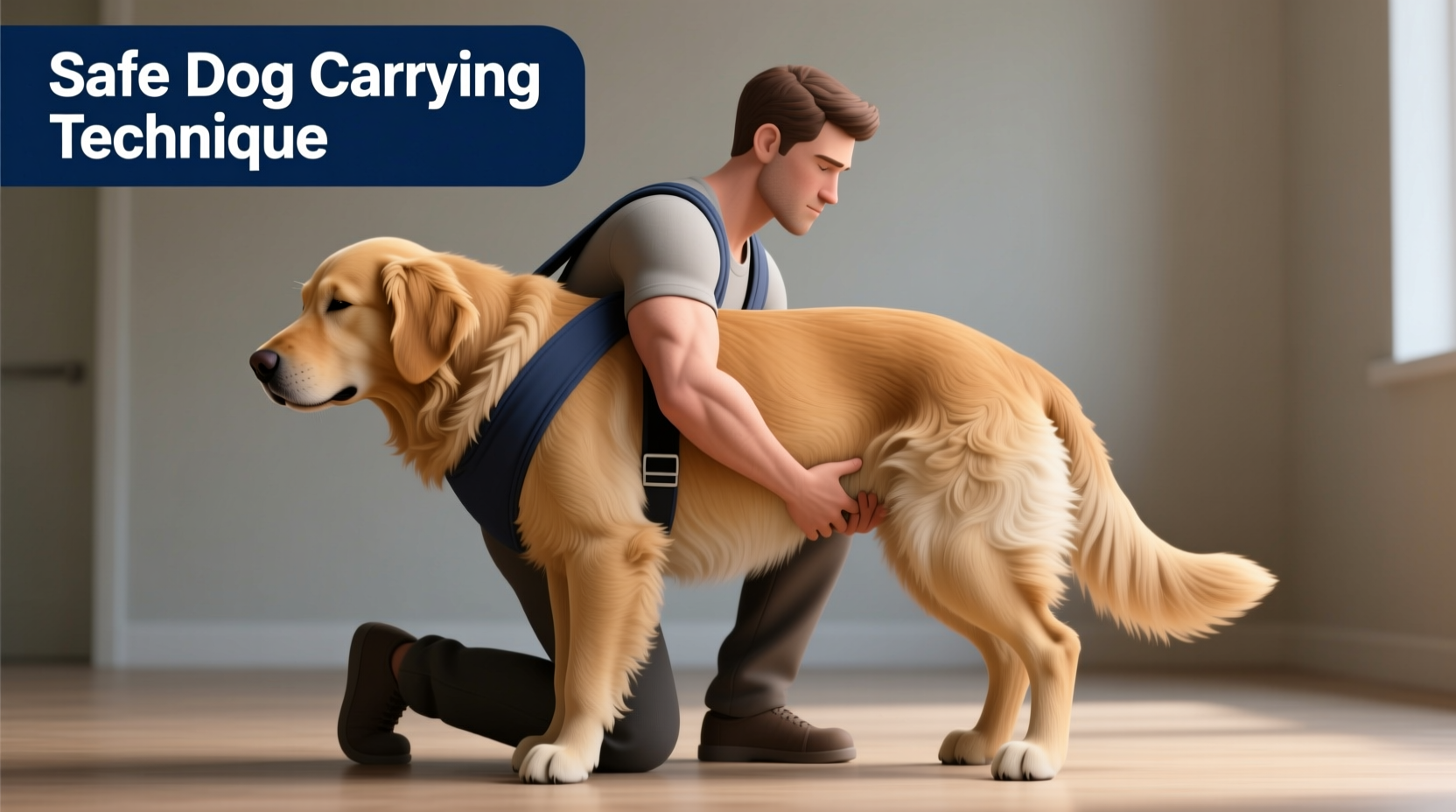
Lifting a dog that weighs 50 pounds or more places considerable stress on the human body, particularly the lower back, shoulders, and knees. According to the U.S. Bureau of Labor Statistics, overexertion during lifting accounts for a significant percentage of workplace injuries—even in non-industrial settings like veterinary clinics and pet care facilities.
Dogs are not rigid objects; they shift weight, struggle when anxious, and may have hidden injuries that make certain positions painful. Attempting to lift them incorrectly can:
- Strain spinal discs or pull muscles in the handler
- Aggravate existing injuries in the dog (e.g., hip dysplasia, spinal issues)
- Increase fear or anxiety in pets due to unstable handling
- Lead to accidental drops, worsening trauma
“Improper lifting is one of the most common causes of preventable injury in both pet owners and veterinary technicians. Using proper technique isn’t optional—it’s a necessity.” — Dr. Lena Torres, DVM, Certified Canine Rehabilitation Practitioner
Core Principles of Safe Lifting Technique
Before attempting to carry a large dog, it's crucial to apply foundational principles of biomechanics. These rules reduce physical strain and increase control:
- Maintain a neutral spine: Keep your back straight and avoid twisting or bending at the waist.
- Bend at the knees: Use leg strength, not back strength, to rise from a crouched position.
- Keep the dog close to your body: The farther the weight is from your center, the greater the strain.
- Engage your core muscles: Tightening abdominal muscles stabilizes your torso during the lift.
- Ensure secure grip and balance: Distribute the dog’s weight evenly between support points.
Step-by-Step Guide: How to Carry a Large Dog Safely
The following method is appropriate for conscious but temporarily immobile dogs—such as those recovering from surgery, experiencing joint pain, or needing help over obstacles.
- Assess the dog’s condition: Check for signs of pain, instability, or aggression. If the dog growls or resists touch, do not attempt to lift. Seek professional help instead.
- Kneel beside the dog: Position yourself on one knee next to the dog’s side, facing the same direction.
- Support the chest and hindquarters: Slide one arm under the dog’s chest, just behind the front legs. Place your other arm under the rump, supporting the hips and pelvis.
- Hold the dog close: Gently pull the dog toward your chest so their spine rests against your torso. Ensure their head is supported and not dangling.
- Rise using your legs: Push upward through your heels, keeping your back straight. Avoid jerking or twisting motions.
- Carry with stability: Hold the dog securely against your body. Limit walking distance—only move as far as absolutely necessary.
- To set down, reverse the process: Crouch using your legs, keep hold until all four paws are on the ground.
This two-point support method evenly distributes the dog’s weight and maintains spinal alignment for both handler and pet.
When Not to Carry—and What to Do Instead
There are situations where lifting a large dog manually is unsafe or contraindicated. In such cases, alternative transport methods should be used.
| Situation | Avoid Carrying? | Recommended Alternative |
|---|---|---|
| Suspected spinal injury (e.g., after fall or car accident) | Yes | Use a rigid board or stretcher; immobilize neck and spine |
| Fractured limb or severe lameness | Yes | Slip a towel or blanket under the injury site for support; use drag method if needed |
| Dog is unconscious or seizing | Yes | Do not lift—focus on airway and seek immediate veterinary care |
| Handler has back, knee, or shoulder issues | Yes | Use a sling, harness, or cart; ask for assistance |
Tools That Help: Slings, Harnesses, and Carts
For older dogs, post-surgical recovery, or handlers with physical limitations, assistive devices offer safer alternatives to manual lifting.
- Support slings: Fabric slings placed under the abdomen provide lift support while allowing the dog to walk. Ideal for dogs with weak hind legs.
- Full-body harnesses with handles: Designed for mobility assistance, these include padded grips for controlled lifting.
- Wheel-based dog carts: For paralyzed or severely arthritic dogs, carts eliminate lifting altogether.
- Portable stretchers: Lightweight, foldable boards useful in emergencies or outdoor rescues.
Mini Case Study: Helping Max the Labrador After Surgery
Max, a 78-pound Labrador Retriever, underwent TPLO surgery for a torn cruciate ligament. His owner, Sarah, a teacher with mild scoliosis, was concerned about helping Max go up the stairs to bed each night.
Instead of attempting to carry him—a high-risk move given her back condition—Sarah consulted her vet, who recommended a rear-lift support harness. Each evening, she clipped the harness onto Max, placed one hand on his collar and the other on the handle, and guided him upstairs with minimal lifting. The harness bore most of the weight on Max’s hind end, reducing strain on both of them.
Within six weeks, Max regained full mobility, and Sarah avoided any back pain flare-ups. “The harness was a game-changer,” she said. “I didn’t have to choose between my dog’s recovery and my own health.”
Checklist: Preparing to Carry a Large Dog Safely
- ✅ Confirm the dog is stable and cooperative
- ✅ Clear the path of obstacles
- ✅ Wear non-slip shoes for traction
- ✅ Warm up your muscles if lifting repeatedly
- ✅ Have a helper ready if possible
- ✅ Use a support device if available (sling, harness)
- ✅ Plan your route and destination in advance
Frequently Asked Questions
Can I carry my large dog like a baby?
No. Holding a large dog vertically or cradled in arms places extreme pressure on their internal organs and spine, and risks dropping them. Always support both the chest and hindquarters horizontally.
How do I lift a large dog into a car?
Use a ramp or portable steps whenever possible. If lifting is necessary, use the two-arm support method described above, enlist a second person to stabilize the dog, and lift only to seated height—not overhead. Consider a vehicle-specific harness with handles.
What if I can’t lift my dog alone?
Don’t attempt it. Ask for help from another adult, use a lifting aid, or contact your veterinarian for guidance. Your health and your dog’s safety are more important than doing it alone.
Final Thoughts and Action Steps
Safely carrying a large dog requires more than strength—it demands knowledge, preparation, and respect for both human and animal limitations. Whether you’re assisting an aging pet, managing a medical condition, or responding to an emergency, applying proper technique prevents injury and builds trust with your dog.
Start today by evaluating your current methods. Invest in a supportive harness if you have a senior or injured dog. Practice safe lifting form—even without weight—to build confidence. Share this knowledge with family members or caregivers who may also need to assist.
💬 Your dog depends on you—not just for love, but for safe handling. Take the time now to learn, prepare, and protect both of your well-being. Share this guide with fellow pet owners and help spread safer practices across the community.








