
When it comes to feeding your dog, few decisions feel as consequential as choosing the right food. Two brands consistently rise to the top of vet recommendations and pet owner lists: Royal Canin and Eukanuba. Both are backed by decades of research, owned by major pet nutrition conglomerates, and frequently recommended for dogs with health conditions. But beneath the glossy packaging and scientific claims, a critical question emerges: Is one actually better than the other, or is the perceived difference mostly marketing?
The answer isn’t simple. While both brands meet high nutritional standards, their philosophies, formulation strategies, and target audiences differ in ways that matter—especially depending on your dog’s age, breed, size, and health status.
The Science Behind the Brands
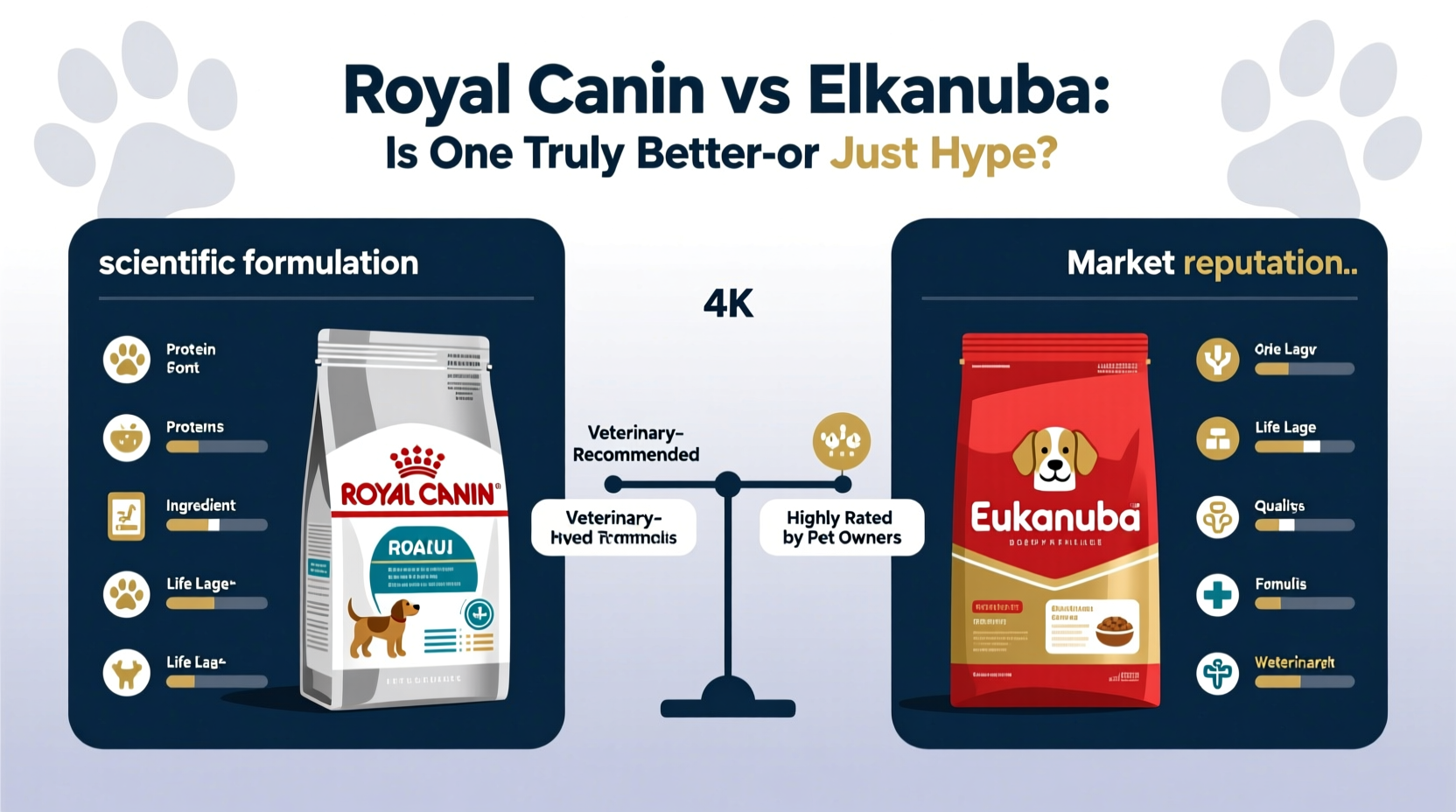
Royal Canin and Eukanuba aren’t just commercial pet food companies—they’re research-driven organizations investing heavily in veterinary nutrition. Royal Canin, founded in France in 1967 by a veterinarian, built its reputation on breed-specific formulas and medical diets. Its parent company, Mars Petcare, funds extensive clinical studies and operates dedicated research centers across Europe and North America.
Eukanuba, developed in the 1960s and now under the Iams Company (a division of Spectrum Brands), emphasizes performance nutrition. The brand focuses on high protein levels, kibble design for dental health, and life-stage optimization. Their slogan, “Science Leads,” reflects a similar commitment to research, though historically with a stronger emphasis on active and working dogs.
“Both Royal Canin and Eukanuba use peer-reviewed research to formulate their diets, but their application differs. Royal Canin leans into precision nutrition—tailoring diets to specific physiological needs—while Eukanuba often prioritizes nutrient density and energy output.�� — Dr. Lisa Freeman, DVM, PhD, Tufts University Clinical Nutritionist
Ingredient Comparison: What’s Really in the Bowl?
At first glance, ingredient lists between comparable formulas from Royal Canin and Eukanuba appear similar: chicken meal, corn, rice, animal fats, and various vitamins. However, closer inspection reveals strategic differences in sourcing, processing, and inclusion levels.
Royal Canin tends to use more highly processed ingredients like hydrolyzed proteins in sensitive-diet formulas, which are easier to digest but less palatable to some owners due to unfamiliar names. Their breed-specific lines often include nutrients targeted at joint support, coat quality, or digestive balance—such as glucosamine for large breeds or omega-3s for Shih Tzus.
Eukanuba, on the other hand, typically features higher crude protein percentages across adult and puppy formulas. For example, Eukanuba Puppy Large Breed contains 30% protein compared to Royal Canin’s 26%. This may benefit high-energy puppies, but could be excessive for less active adults. Eukanuba also uses proprietary DentaDefense kibble technology, designed to reduce plaque buildup through mechanical abrasion during chewing.
Tip: Don’t judge food quality solely by the first ingredient. Processing methods, nutrient balance, and digestibility matter more than whether chicken or chicken meal appears first.Head-to-Head: Key Differences at a Glance
| Feature | Royal Canin | Eukanuba |
|---|---|---|
| Primary Focus | Breed-specific & medical nutrition | Performance & life-stage optimization |
| Protein Levels (Adult) | Moderate (21–26%) | Higher (25–30%) |
| Kibble Design | Shape tailored to breed (e.g., Poodle, Bulldog) | DentaDefense texture for dental health |
| Digestibility | High (especially in GI and hypoallergenic lines) | Good, but fewer specialized digestive diets |
| Veterinary Use | Extensive therapeutic line (e.g., Urinary SO, Renal Support) | Limited prescription options |
| Price Range (per lb) | $2.80–$4.50 | $2.20–$3.00 |
Real-World Example: Choosing for a Labrador Retriever with Sensitive Skin
Sarah adopted a 2-year-old rescue Labrador named Max who suffered from chronic ear infections and itchy skin. Her vet ruled out fleas and environmental allergies, suspecting a food sensitivity. She was given two options: Royal Canin Veterinary Diet Hydrolyzed Protein or Eukanuba Dermatosis Relief.
She tried Eukanuba first. Within three weeks, Max’s energy improved and his coat looked shinier thanks to high omega-6 fatty acid content. However, his ear flare-ups persisted. Switching to Royal Canin’s hydrolyzed formula—a protein broken into tiny molecules so the immune system doesn’t react—cleared up symptoms within ten days.
In this case, Eukanuba offered strong general nutrition, but Royal Canin’s medical-grade precision made the critical difference. This illustrates a broader trend: for dogs with diagnosed health issues, Royal Canin’s veterinary-exclusive formulas often have no true equivalent in Eukanuba’s lineup.
Which Brand Should You Choose? A Practical Checklist
Selecting between Royal Canin and Eukanuba shouldn’t be based on brand loyalty or advertising. Instead, consider your dog’s individual needs. Use this checklist to guide your decision:
- ✅ Does your dog have a diagnosed medical condition (e.g., kidney disease, pancreatitis)? → Lean toward Royal Canin.
- ✅ Is your dog a purebred with known breed-related risks (e.g., hip dysplasia in German Shepherds)? → Royal Canin’s breed-specific formulas may offer preventive benefits.
- ✅ Do you have a high-energy puppy or working dog needing dense nutrition? → Eukanuba’s higher protein may be more suitable.
- ✅ Are you looking for a cost-effective option without medical requirements? → Eukanuba generally offers better value.
- ✅ Has your dog had inconsistent stool or digestion issues? → Try Royal Canin Gastrointestinal or a limited-ingredient Eukanuba line.
- ✅ Is dental health a concern? → Eukanuba’s kibble texture has proven plaque-reduction benefits.
Debunking the Hype: Marketing vs. Reality
Both brands excel at branding themselves as scientifically superior. Royal Canin’s ads feature veterinarians and lab coats; Eukanuba showcases athletic dogs leaping through fields. But how much of this is substantiated?
The reality is both brands meet AAFCO standards and conduct legitimate research. However, Royal Canin publishes more peer-reviewed clinical trials, particularly for its veterinary diets. A 2021 review in the *Journal of Animal Physiology* found that Royal Canin’s renal diets significantly slowed CKD progression in cats and dogs over 12 months—data not yet replicated for Eukanuba’s comparable formulas.
That said, Eukanuba isn’t lacking in efficacy. Studies funded by the manufacturer show improved coat shine and lean muscle retention in dogs fed their high-protein formulas. Independent validation is sparser, but results align with general nutritional science.
The “hype” often lies not in falsehoods, but in overgeneralization. Just because a food works for a show dog doesn’t mean it’s ideal for a senior Chihuahua. Context matters more than brand prestige.
Frequently Asked Questions
Can I switch between Royal Canin and Eukanuba safely?
Yes, but transition gradually over 7–10 days. Mix increasing amounts of the new food with the old to avoid digestive upset. Monitor for changes in stool, energy, or skin condition.
Do vets get paid to recommend Royal Canin?
Some clinics receive rebates or incentives for selling Royal Canin products, but most recommendations are based on clinical experience. Therapeutic diets like Royal Canin Renal or Hypoallergenic have documented efficacy, making them logical choices for specific conditions.
Is grain-free better? Neither brand uses grain-free as a primary selling point—why?
Recent FDA investigations linked certain grain-free diets to canine dilated cardiomyopathy (DCM). Both Royal Canin and Eukanuba maintain grain-inclusive formulas using corn, wheat, or rice, which are safe and digestible for most dogs unless they have a confirmed allergy.
Conclusion: It’s Not About the Brand—It’s About the Dog
Royal Canin and Eukanuba are both reputable, science-backed dog food brands. One isn’t universally “better” than the other. Royal Canin excels in targeted, medical, and breed-specific nutrition, making it a top choice for dogs with health concerns. Eukanuba delivers high-performance nutrition at a slightly lower price point, ideal for active or generally healthy dogs.
The real takeaway? Ignore the hype. Read labels. Consult your veterinarian. Observe your dog’s energy, coat, digestion, and overall well-being. Those are the true indicators of a good diet—not the logo on the bag.
🚀 Your dog’s health starts at the bowl. Evaluate their current food objectively, track changes after switching, and share your experience—your insights could help another pet parent make a smarter choice.








