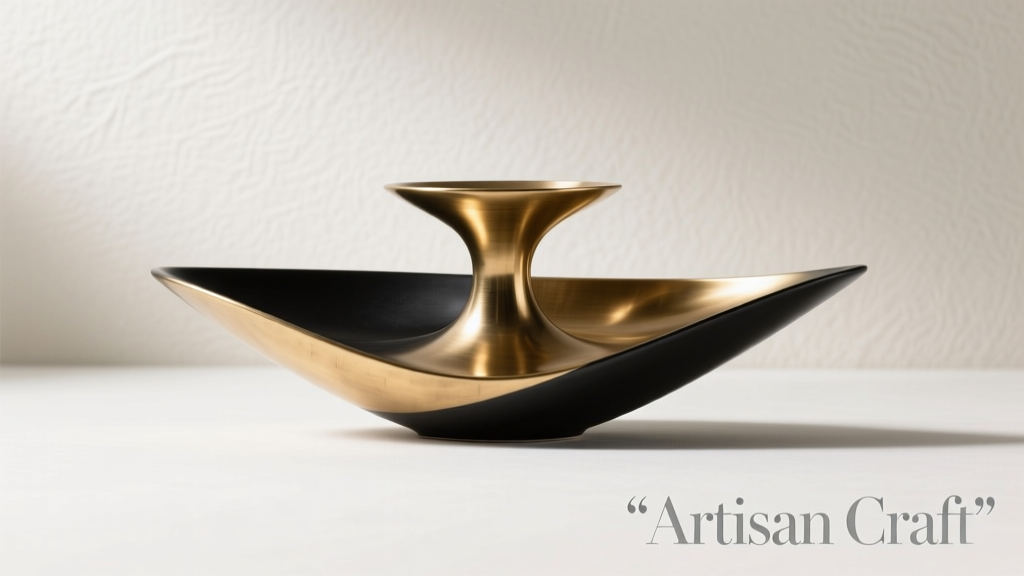
Types of Round Bowl Pots (White)
A round bowl pot in white is a versatile and elegant household item, widely used across kitchens, dining areas, and living spaces. Its clean, neutral color complements a variety of interior styles, from minimalist to classic. These bowls serve functional and decorative purposes, ranging from food serving and storage to plant cultivation and home décor. Below is a detailed breakdown of the most common types available on the market today.
Traditional Round Bowl Pots
Crafted from high-quality ceramic, these bowls feature a timeless design with smooth, glossy white finishes. Their classic aesthetic makes them ideal for both everyday use and special occasions.
Advantages
- Timeless, elegant appearance
- Smooth, easy-to-clean surface
- Versatile for serving food or decorative use
- Complements both traditional and modern interiors
Limitations
- Potentially fragile (ceramic material)
- May chip if dropped or mishandled
- Limited insulation for hot foods
Best for: Dining tables, serving salads, fruits, or as standalone décor pieces
Round Bowl Pot with Lid
Designed with a matching or contrasting lid, this type enhances functionality by preserving food freshness and temperature. Often made from stoneware or porcelain, these lidded bowls are both practical and stylish.
Advantages
- Keeps food warm or fresh longer
- Ideal for kitchen storage and meal prep
- Reduces need for plastic wrap or containers
- Can double as serving dish during gatherings
Limitations
- Lid may be prone to cracking or misplacement
- Heavier than open bowls
- Slightly more expensive due to added component
Best for: Food storage, reheating leftovers, and formal or casual dining settings
Round Bowl Planters
Specially designed for housing indoor or outdoor plants, these white pots typically include drainage holes to prevent waterlogging and promote healthy root development. The bright white finish enhances the vibrancy of green foliage.
Advantages
- Supports healthy plant growth with proper drainage
- Enhances interior and exterior aesthetics
- Reflects light, brightening up spaces
- Matches various décor styles (Scandinavian, modern, farmhouse)
Limitations
- May require a saucer to prevent water damage
- Light color shows dirt or mineral stains over time
- Not suitable for direct food use
Best for: Indoor plants, herb gardens, patios, and balcony greenery
Decorative Round Bowl Pots
These bowls prioritize aesthetics over utility, often featuring intricate carvings, embossed patterns, or hand-painted details. They are used to elevate the visual appeal of a room without necessarily serving a functional role.
Advantages
- Acts as a statement piece in home décor
- Can be used as a centerpiece or shelf accent
- Available in artistic and unique designs
- Adds texture and dimension to empty spaces
Limitations
- Limited functional use (not for food or plants)
- Higher price due to craftsmanship
- May require careful handling and dusting
Best for: Entryway tables, mantels, bookshelves, and luxury interiors
| Type | Material | Primary Use | Durability | Style Compatibility |
|---|---|---|---|---|
| Traditional Round Bowl | Ceramic | Serving, Décor | Medium | Classic, Modern, Rustic |
| With Lid | Stoneware/Porcelain | Storage, Serving | High | Modern, Minimalist, Kitchen-Focused |
| Planter | Glazed Ceramic/Polymer | Planting | Medium-High | Scandinavian, Farmhouse, Outdoor |
| Decorative | Porcelain, Resin, Ceramic | Home Décor | Varies | Luxury, Artistic, Statement Interiors |
Expert Tip: For white ceramic bowls, use a soft microfiber cloth and mild detergent to preserve the glossy finish. Avoid abrasive cleaners that can scratch the surface or dull the shine over time.
Design of Round Bowl Pot White
Round white bowl pots are a staple in both functional and decorative spaces, blending timeless elegance with practical utility. Their design is thoughtfully crafted to serve a variety of purposes—from enhancing indoor greenery to doubling as stylish servingware. Below is a comprehensive breakdown of the key design elements that define these versatile pieces.
Core Design Elements
Material Composition
Most round white bowl pots are crafted from high-quality ceramic, known for its durability and refined appearance. The ceramic body is typically finished with a glossy glaze, creating a waterproof and non-porous surface that resists moisture absorption and staining.
This glaze not only enhances longevity but also makes cleaning effortless—simply wipe with a damp cloth. The inherent weight of ceramic gives the pot a substantial, premium feel, signaling quality craftsmanship and contributing to stability, especially when housing plants or heavy food items.
Shape and Proportions
The defining feature of a round bowl pot is its symmetrical, circular shape with gently sloping sides that taper inward toward the base. This bowl-like silhouette provides ample interior space while maintaining a balanced, harmonious profile.
The wide opening allows for easy access—ideal for planting, repotting, or serving food—while the rounded bottom contributes to a soft, organic aesthetic. This shape complements both natural and modern environments, making it a versatile choice for homes, offices, and hospitality settings.
Color: The Timeless Appeal of White
White is more than just a color choice—it’s a design philosophy. The classic white finish of these bowl pots offers a clean, neutral palette that seamlessly integrates into any decor style, from minimalist Scandinavian to rustic farmhouse or contemporary urban interiors.
White reflects light, helping to brighten spaces and create an airy, open feel. It also acts as a perfect backdrop for vibrant plants like orchids, peace lilies, or colorful fruit displays, allowing the contents to take center stage while the pot remains a subtle yet elegant accent.
Surface Finish and Texture
A hallmark of premium white bowl pots is their smooth, polished finish. The high-gloss glaze not only enhances visual appeal but also provides a protective layer that resists scratches, dirt, and fading over time.
This reflective surface catches and diffuses ambient light, adding a subtle luminosity to the room. Some variations may feature matte finishes for a more understated look, but the glossy option remains popular for its luxurious, sophisticated appearance and ease of maintenance.
Versatile Functionality
One of the greatest strengths of the round white bowl pot is its dual-purpose nature. It excels as a planter for indoor greenery such as succulents, cacti, ferns, and flowering plants, promoting healthy root development with proper drainage (when paired with a liner or saucer).
Equally effective as a serving bowl, it can present salads, fruits, snacks, or appetizers at gatherings. Its clean lines and neutral color make it a favorite among interior designers and chefs alike, bridging the gap between home decor and functional tableware.
Size and Capacity Options
Round white bowl pots are available in a wide range of sizes to suit diverse needs. Compact versions (holding up to 2 liters) are perfect for small succulents, desktop decor, or individual servings. Medium-sized bowls (5–10 liters) work well for medium houseplants or family-style food presentation.
Larger models (up to 20 liters) are ideal for big leafy plants like fiddle-leaf figs or as centerpiece serving dishes for buffets. This scalability ensures users can select the right size based on spatial constraints, intended use, and aesthetic balance within a room or table setting.
| Design Feature | Functional Benefit | Ideal Use Case |
|---|---|---|
| Ceramic with Glossy Glaze | Waterproof, durable, easy to clean | Indoor plants, kitchens, high-moisture areas |
| Round, Tapered Shape | Stable base, spacious interior, aesthetic balance | Centerpieces, planters, dining tables |
| Classic White Color | Neutral, brightens space, matches all decors | Minimalist interiors, event styling, retail displays |
| Smooth, Polished Finish | Light-reflective, hygienic, scratch-resistant | Modern homes, restaurants, offices |
| Multiple Size Options (2–20L) | Adaptable to different spaces and functions | Small apartments to large event venues |
Design Tips for Optimal Use
Note: While ceramic bowl pots are highly durable, they are susceptible to chipping if dropped or knocked against hard surfaces. Always handle with care and avoid sudden temperature changes (e.g., placing a cold pot in a hot oven). For outdoor use, ensure the pot is frost-resistant or bring it indoors during freezing conditions to prevent cracking.
Round Bowl Pot White: Specifications and Maintenance Guide
A white round bowl pot is a versatile and elegant addition to both indoor and outdoor spaces. Whether used for planting, decoration, or serving food, understanding its specifications and proper maintenance ensures long-lasting beauty and functionality. This guide covers essential aspects such as size, material, drainage, cleaning, and usage considerations to help you make the most of your white ceramic bowl pot.
Size and Capacity
White round bowl pots are available in a wide range of diameters, typically from 6 inches to 18 inches or larger, making them suitable for various applications and plant types.
- Small (6–10 inches): Ideal for herbs, succulents, cacti, and small houseplants like pothos or spider plants.
- Medium (10–14 inches): Perfect for medium-sized foliage plants such as peace lilies or snake plants.
- Large (14–18+ inches): Best suited for big statement plants like fiddle leaf figs, monstera deliciosa, or citrus trees.
Pro tip: Choose a pot that is 1–2 inches larger in diameter than the plant’s root ball to allow room for growth without over-potting.
Material and Construction
Most high-quality white round bowl pots are crafted from stoneware, earthenware, or high-fired ceramic—each offering distinct advantages.
- High-fired ceramic: Offers superior durability, frost resistance, and reduced porosity, making it ideal for both indoor and outdoor use.
- Stoneware: Dense and less porous than earthenware, resists chipping and retains moisture well.
- Glossy white glaze: Not only enhances visual appeal but also creates a non-porous surface that resists staining and simplifies cleaning.
Key benefit: Glazed finishes help prevent water absorption, reducing the risk of cracking in freezing temperatures.
Drainage Features
Proper drainage is crucial for plant health and preventing root rot. Most functional planting bowls include one or more drainage holes at the base.
- Pots with drainage holes allow excess water to escape, promoting healthy root systems and preventing waterlogging.
- Decorative bowls without holes can still be used for plants by placing a nursery pot inside or adding a drainage layer (e.g., gravel or hydroponic balls).
- Some designs incorporate raised feet or drainage bars to elevate the pot and allow airflow beneath, minimizing moisture buildup.
Smart solution: Use a cache pot system—place a planted plastic liner inside a decorative bowl for easy removal and cleaning.
Cleaning and Surface Care
Regular maintenance keeps your white bowl pot looking pristine and extends its lifespan, especially when exposed to outdoor elements.
- Clean with mild soapy water and a soft sponge or brush to remove dirt, algae, or mineral deposits.
- Avoid abrasive scrubbers or harsh chemicals that can scratch or dull the glaze.
- For stubborn stains or hard water marks, use a mixture of vinegar and water (1:1 ratio) and gently wipe the surface.
- Outdoor pots should be cleaned seasonally to prevent moss or mold growth.
Maintenance tip: Rinse thoroughly after cleaning to avoid soap residue that may harm plants.
Planting and Soil Maintenance
When using the bowl pot for live plants, proper soil and care practices are essential for plant vitality.
- Use well-draining potting mix tailored to the plant type—cactus/succulent soil for arid plants, peat-based mixes for tropicals.
- Refresh the top layer of soil annually or replace entirely every 2–3 years to replenish nutrients.
- Water only when the top inch of soil feels dry, adjusting frequency based on plant needs and climate.
- Monitor for salt buildup (white crust on the rim or surface), which can be removed by leaching the soil with water.
Expert advice: Elevate pots slightly using pot feet or tiles to improve airflow and prevent water pooling underneath.
Food-Safe Usage Guidelines
Some white ceramic bowl pots are designed for dual use—both as planters and food-serving vessels. However, safety is paramount.
- Ensure the pot is labeled “food-safe” and made with non-toxic, lead-free glazes.
- Never use in microwave or oven unless explicitly rated for high temperatures—most decorative pots are not heat-resistant.
- Hand-wash only with mild detergent; avoid dishwashers that may degrade the finish over time.
- Do not store acidic foods (like citrus or tomatoes) for extended periods, as they may interact with certain glazes.
Safety first: When in doubt, use a glass or stainless steel liner inside the pot when serving food.
Professional Recommendation: For maximum versatility, invest in a high-fired ceramic white bowl pot with drainage holes and a food-safe glaze. This allows you to use it for plants, décor, or entertaining—simply switch out inserts as needed. Always store outdoor pots in a sheltered area during winter to prevent freeze-thaw damage.
| Use Case | Recommended Material | Drainage Needs | Cleaning Frequency |
|---|---|---|---|
| Indoor Houseplants | Glazed stoneware or ceramic | With or without holes (use liner if no hole) | Every 3–6 months |
| Outdoor Planting | High-fired frost-resistant ceramic | Must have drainage holes | Seasonal (4x/year) |
| Decorative Display | Any ceramic or resin alternative | No holes needed | As needed (1–2x/year) |
| Food Serving | Food-safe, lead-free glazed ceramic | Not applicable | After each use |
Additional Tips for Longevity
- UV Resistance: Prolonged sun exposure may fade or chalken some finishes—choose UV-stable ceramics for patios or balconies.
- Frost Protection: Even frost-resistant pots benefit from being elevated off cold surfaces during winter.
- Scratch Prevention: Use felt pads or coasters under decorative objects placed inside the bowl.
- Eco-Friendly Option: Look for brands that use sustainable firing processes and recycled materials.
- Style Coordination: The clean, minimalist look of a white round bowl complements modern, Scandinavian, and farmhouse aesthetics.
Scenarios of Round Bowl Pot White
White round bowl pots are among the most versatile and timeless decorative items in modern interior and exterior design. Their clean lines, neutral color, and classic shape make them ideal for a wide range of applications—from enhancing indoor greenery to serving as elegant centerpieces or artistic elements. This guide explores the diverse ways people incorporate white round bowl pots into everyday life, highlighting their functionality, aesthetic appeal, and adaptability across different environments.
Design Tip: The minimalist elegance of a white round bowl pot allows it to blend seamlessly with virtually any decor style—Scandinavian, modern, farmhouse, or bohemian. Its neutral palette enhances surrounding colors and textures without competing for attention.
1. Indoor Plant Display
One of the most popular uses for white round bowl pots is showcasing indoor plants. Their smooth, rounded silhouette and bright white finish create a striking contrast against lush green foliage, making plants like snake plants, pothos, peace lilies, or ZZ plants stand out beautifully.
These pots are commonly placed on coffee tables, floating shelves, entryway consoles, or sunlit window sills. They not only elevate the visual appeal of a room but also contribute to a calming, nature-inspired atmosphere. The reflective surface of the white glaze helps brighten dim corners and adds a fresh, airy feel to living spaces, bedrooms, or home offices.
For best results, pair the pot with a saucer to prevent water damage and consider grouping multiple bowl pots of varying sizes for a layered, dynamic display.
2. Dining Table Centerpiece
White round bowl pots double as elegant centerpieces on dining tables. When filled with fresh seasonal flowers such as tulips, daisies, ranunculus, or eucalyptus, they create a warm and inviting ambiance for family meals or dinner parties.
Their symmetrical shape and neutral tone make them perfect for both casual and formal settings. Many hosts appreciate how these bowls enhance tablescapes without overwhelming the overall design. Some even use them as functional serving pieces—presenting fruit salads, chopped herbs, or dessert offerings in a stylish, edible arrangement.
In restaurants and event catering, white bowl pots are frequently used to serve cold dishes or garnishes, combining practicality with high-end presentation.
3. Outdoor Decor
Outdoors, white round bowl pots bring charm and structure to patios, balconies, and garden spaces. Filled with vibrant annuals like petunias, geraniums, marigolds, or trailing lobelia, they become focal points of color and life.
Their timeless design complements both traditional and contemporary outdoor furniture, and their elevated form makes them ideal for porch railings, stone steps, or entryway plant stands. Because white reflects sunlight, these pots help keep soil temperatures cooler in hot climates, benefiting plant health.
To extend usability, ensure the pot has proper drainage holes or place a liner inside to protect the ceramic from freeze-thaw cycles in colder regions.
4. Gift-Giving
A white round bowl pot is a thoughtful and practical gift for various occasions. Whether presented with a thriving succulent, blooming orchid, or a curated herb garden (like basil, thyme, or mint), it combines beauty with usefulness.
They are especially popular for housewarming gifts, birthdays, Mother’s Day, or as hostess presents. The recipient enjoys both the decorative pot and the living plant, which can be repotted or enjoyed as-is. For cooking enthusiasts, an herb-filled bowl pot doubles as a kitchen-ready ingredient station.
Many gift givers enhance the presentation with ribbon, decorative stones, or personalized plant markers, making each gift unique and memorable.
5. Retail Displays
In commercial settings, white round bowl pots are widely used in retail displays due to their clean, professional appearance. Stores use them to showcase products such as scented candles, bath salts, cosmetics, jewelry, or artisanal soaps.
The neutral white background ensures that the displayed items remain the focal point, while the pot adds a touch of sophistication and organization. Their uniform shape allows for easy stacking or grouping, creating visually cohesive arrangements that attract customer attention.
Brands focused on wellness, lifestyle, or eco-friendly products often choose these pots to reinforce a natural, minimalist brand image.
6. Artistic Installations
Artists and designers frequently incorporate white round bowl pots into creative projects. Their simple, unobtrusive form makes them ideal canvases for painting, glazing, or embedding into larger sculptures and mixed-media installations.
They can be stacked, suspended, or arranged in patterns to explore themes of symmetry, repetition, and balance. In galleries or public art spaces, arrays of white bowl pots filled with moss, lights, or symbolic objects evoke contemplative or whimsical moods.
Because of their accessibility and affordability, they are also popular in educational art programs and community art projects.
| Use Case | Best Plants/Contents | Placement Tips | Styling Ideas |
|---|---|---|---|
| Indoor Plant Display | Snake plant, pothos, peace lily | Shelves, side tables, near windows | Group in threes, use with coasters |
| Dining Table Centerpiece | Fresh flowers, herbs, fruit | Center of dining table | Add tea lights, use floral foam |
| Outdoor Decor | Petunias, geraniums, succulents | Balcony railings, patio corners | Elevate on stands, mix heights |
| Gift-Giving | Succulents, orchids, herbs | Presented with care instructions | Wrap in tissue, add tag |
| Retail Displays | Candles, cosmetics, small goods | Counters, shelves, entry displays | Arrange in clusters, rotate stock |
| Artistic Installations | Painted, lit, or filled symbolically | Galleries, events, public spaces | Suspend, stack, or embed in art |
Pro Tip: To maintain the pristine white finish, clean the pot regularly with mild soap and water. Avoid abrasive cleaners that can scratch the surface. For outdoor use, consider sealing the exterior to resist weathering and staining.
Final Thoughts
The white round bowl pot is much more than a simple container—it's a design element that bridges function and beauty. Whether used to highlight nature, elevate a tablescape, or express creativity, its versatility ensures it remains a staple in homes, businesses, and artistic communities alike. By thoughtfully integrating this classic piece into different settings, you can enhance aesthetics, promote well-being, and create meaningful experiences around everyday objects.
Frequently Asked Questions About Round Bowl Pots (White)
White round bowl pots are popular for their timeless aesthetic and versatility in both indoor and outdoor settings. Whether you're using them for gardening, decoration, or even serving, understanding their proper use and care is essential. Below are some commonly asked questions to help you make the most of your white ceramic round bowl pots.
Q1: Are round bowl pots suitable for outdoor use?Yes, round bowl pots can be used outdoors, but their durability depends on the material and construction. For long-term outdoor use, it's best to choose pots made from weather-resistant materials such as:
- Stoneware: High-fired and extremely durable, stoneware resists moisture absorption and can withstand freeze-thaw cycles.
- High-fired ceramic: Offers excellent resistance to cracking and fading caused by sun exposure and temperature fluctuations.
- Glazed finishes: A high-quality glaze not only enhances the pot’s appearance but also provides an extra layer of protection against moisture and UV damage.
Always avoid leaving thin or low-fired ceramic pots outside during harsh winters, as trapped moisture can expand and cause cracks. Elevating the pot slightly off the ground can also improve drainage and reduce the risk of damage.
Q2: How can I prevent waterlogging in round bowl pots without drainage holes?Waterlogging is a common issue in sealed white round bowl pots, which can lead to root rot and plant death. To prevent this, follow these practical tips:
- Control watering: Water sparingly and only when the top inch of soil feels dry. Avoid a fixed watering schedule—adjust based on plant needs and environmental conditions.
- Use well-draining soil: Opt for a porous potting mix with perlite, pumice, or sand to improve aeration and drainage.
- Add a drainage layer: Place a 1–2 inch layer of pebbles, gravel, or activated charcoal at the bottom of the pot to create a reservoir for excess water.
- Choose appropriate plants: Select species that thrive in low-moisture environments, such as succulents, cacti, air plants, or certain tropicals like ZZ plants and snake plants.
- Double-potting method: Place a smaller pot with drainage holes inside the decorative bowl. Remove it when watering and let it drain completely before replacing.
This approach maintains the pot’s aesthetic while protecting your plants from overwatering.
Q3: Can round bowl pots be used for food serving?Yes, white round bowl pots can be repurposed for food presentation, but only if they meet specific safety criteria:
- Food-safe materials: Ensure the pot is made from high-fired stoneware or ceramic that is certified as food-safe. These materials are non-porous and resistant to leaching harmful substances.
- Lead-free glaze: Confirm that the glaze used on the pot is lead- and cadmium-free, especially important for acidic foods like citrus or tomatoes.
- No surface damage: Cracks, chips, or deep scratches can harbor bacteria and compromise hygiene. Avoid using damaged pots for food.
- Proper cleaning: Wash thoroughly with warm, soapy water before and after use. Do not store food in ceramic pots for extended periods.
These pots work beautifully as serving dishes for dry snacks, bread, fruits, or decorative garnishes. However, avoid using them for hot foods unless explicitly labeled as oven- or heat-safe.
Q4: What care do plants in round bowl pots require?Proper plant care ensures healthy growth and extends the life of both your plants and the pot. Key maintenance practices include:
- Watering: Tailor your watering routine to the specific plant’s needs. Check soil moisture regularly—overwatering is a leading cause of plant decline in closed containers.
- Fertilization: Feed plants with a balanced liquid fertilizer during the growing season (spring and summer), typically every 4–6 weeks. Reduce or stop in winter when growth slows.
- Soil refresh: Replace the top 1–2 inches of soil annually, or repot entirely every 1–2 years to replenish nutrients and prevent compaction.
- Pruning: Trim dead or yellowing leaves and stems to encourage new growth and maintain shape.
- Light exposure: Position the pot in appropriate light—most indoor plants prefer bright, indirect sunlight. Rotate the pot occasionally for even growth.
Regular inspection helps catch pests like spider mites or fungus gnats early. Wipe the exterior of the pot occasionally to prevent mineral buildup and maintain its clean white appearance.
Q5: Which plants are best suited for round bowl pots?Round bowl pots offer a balanced, symmetrical look that complements a wide variety of plants. Ideal choices depend on pot size, depth, and whether it has drainage. Great options include:
| Plant Type | Recommended Species | Notes |
|---|---|---|
| Indoor Houseplants | Snake Plant, Pothos, ZZ Plant, Peace Lily | Low-maintenance and adapt well to container life. |
| Succulents & Cacti | Echeveria, Haworthia, Aloe Vera, Jade Plant | Thrive in well-drained soil and require minimal watering—ideal for pots without holes. |
| Ferns & Moisture-Lovers | Boston Fern, Maidenhair Fern, Calathea | Best in pots with drainage; prefer consistently moist (not soggy) soil. |
| Outdoor Flowers & Shrubs | Petunias, Marigolds, Dwarf Boxwood, Lavender | Suitable for seasonal displays; ensure adequate sunlight and airflow. |
To achieve a visually pleasing arrangement, match the plant’s mature size and growth habit to the pot’s dimensions. A slightly oversized pot can look unbalanced, while a too-small one may restrict root development. Grouping multiple round pots of varying heights can create an attractive display on patios, shelves, or tabletops.









