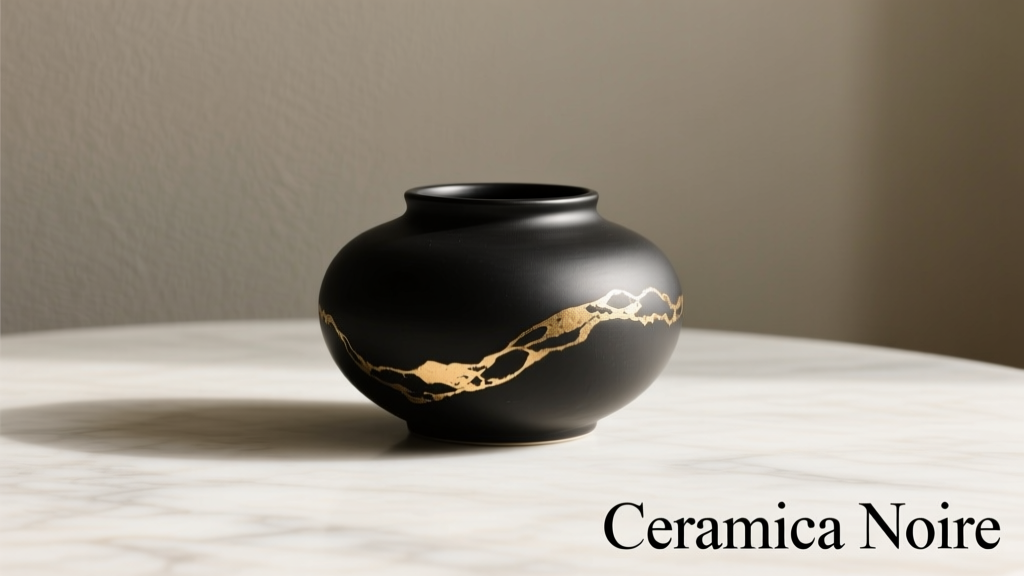
Types of Room Fragrance Oil Sticks & Diffusers
A room fragrance oil stick or diffuser is a popular home and office aromatic solution that disperses scented oils into the air to enhance ambiance, promote relaxation, or eliminate odors. These systems vary significantly in design, operation, and diffusion method, making them suitable for different environments and user preferences. Understanding the key types helps you choose the right option for your space, safety needs, and scent intensity requirements.
Reed Diffusers
Typically housed in glass or ceramic vessels, reed diffusers use natural rattan sticks to passively draw fragrance oil upward via capillary action. As the oil evaporates from the reeds, it releases a consistent, subtle aroma into the surrounding air.
Advantages
- No electricity or heat required
- Continuous, low-maintenance scent release
- Safe for homes with children and pets
- Elegant design complements home décor
- Odor-neutralizing and mood-enhancing effects
Limitations
- Milder scent throw (best for small to medium rooms)
- Slower initial fragrance release
- Reeds may clog over time, reducing efficiency
- Limited scent adjustability
Best for: Bedrooms, bathrooms, hallways, and living rooms where a gentle, long-lasting fragrance is desired
Heat Diffusers
These diffusers use heat—either from a tea light candle or an electric heating element—to warm fragrance oils, increasing their volatility and releasing a stronger, faster-acting aroma into the air.
Advantages
- Stronger and quicker scent dispersion
- Ideal for large or poorly ventilated spaces
- Can enhance essential oil therapeutic properties
- Ambient lighting effect (with tea lights)
Limitations
- Fire risk with open-flame models
- Potential for overheating or oil degradation
- Requires constant supervision
- Not suitable for unattended use
Best for: Living rooms, conference halls, or entryways where a bold fragrance presence is needed
Fan Diffusers
Equipped with a small electric fan, these diffusers actively blow air over or through a fragrance pad or oil reservoir, propelling the scent across larger areas with precision and control.
Advantages
- Wide coverage area (ideal for open spaces)
- Adjustable intensity and timing settings
- Suitable for commercial environments
- Consistent and powerful scent distribution
- Can be programmed for automatic operation
Limitations
- Requires electrical power
- May produce faint operational noise
- Higher energy consumption
- Less discreet in quiet environments
Best for: Offices, retail stores, lobbies, and conference centers requiring uniform fragrance coverage
Scented Oil Sticks (Burning Type)
Also known as bakhoor, agarwood sticks, or perfumed incense sticks, these are solid or resin-coated sticks made from natural woods and aromatic compounds. When lit and allowed to smolder, they emit a rich, deep fragrance commonly used in cultural and spiritual practices.
Advantages
- Intense, complex, and long-lasting aroma
- Culturally and spiritually significant in many traditions
- Natural ingredients (in high-quality versions)
- Immediate scent impact upon burning
Limitations
- Produces smoke and soot (not ideal for asthmatics)
- Fire hazard if left unattended
- Some scents (e.g., musk, sandalwood) may be overpowering
- Not suitable for small or poorly ventilated rooms
Best for: Ceremonial use, meditation spaces, or outdoor areas where aromatic richness and tradition are valued
| Type | Scent Strength | Safety | Room Size | Best Use Case |
|---|---|---|---|---|
| Reed Diffusers | Low to Medium | Excellent (no heat/electricity) | Small to Medium | Bedrooms, bathrooms, home offices |
| Heat Diffusers | High | Fair (fire risk with candles) | Medium to Large | Living rooms, entryways, gatherings |
| Fan Diffusers | High | Good (electric, but safe when used properly) | Large to Extra-Large | Offices, retail spaces, lobbies |
| Scented Oil Sticks | Very High | Fair (open flame/smoke) | Varies (ventilation-dependent) | Ceremonial, spiritual, outdoor use |
Expert Tip: For reed diffusers, flip the reeds weekly to refresh the scent. Avoid placing them in direct sunlight or near air vents to maintain consistent diffusion and prolong oil life.
Benefits of Room Fragrance Oil Sticks
Room fragrance oil sticks, particularly reed diffusers and scented oil sticks, have become a popular choice for enhancing indoor environments due to their elegant design, safety, and long-lasting performance. Unlike candles or sprays, these passive fragrance systems release aromatic oils gradually and consistently, creating a subtle yet impactful sensory experience. Below are the key benefits that make them a preferred option for homes, offices, and commercial spaces.
- Aromatherapeutic Benefits
Fragrance oils interact directly with the brain’s limbic system—the area responsible for emotions and memory—through the olfactory senses. This connection allows certain scents to influence mood and mental well-being. For instance:
- Lavender: Promotes relaxation and helps reduce stress and anxiety.
- Peppermint: Enhances mental clarity and boosts alertness.
- Citrus (orange, lemon, grapefruit): Uplifts mood and increases energy levels.
- Eucalyptus: Supports respiratory function and creates a refreshing atmosphere.
Since reed diffusers release fragrance without heat or flame, they provide a safe and continuous aromatherapy experience—ideal for bedrooms, meditation spaces, or work environments.
- Enhanced Ambiance and Atmosphere
A pleasant fragrance can transform the emotional tone of a space, making it feel more inviting, clean, and thoughtfully curated. The right scent can:
- Mask cooking odors, pet smells, or musty air naturally.
- Create a warm, welcoming environment for guests.
- Reinforce brand identity in commercial settings like hotels, spas, salons, and retail stores.
- Elevate the perceived cleanliness and luxury of restrooms, lobbies, and living areas.
Because scent is one of the most powerful triggers of memory and emotion, maintaining a consistent fragrance profile can leave a lasting positive impression on visitors and residents alike.
- Customized Sensory Experience
One of the standout advantages of room fragrance oil sticks is the ability to personalize the scent profile based on time of day, season, or desired mood. Users can select from a wide range of fragrance families:
- Floral (e.g., jasmine, rose): Ideal for calming evening relaxation.
- Fruity (e.g., peach, mango): Adds a playful, cheerful note to kitchens or sunrooms.
- Woody (e.g., sandalwood, cedar): Creates a grounding, sophisticated atmosphere in studies or bedrooms.
- Fresh (e.g., ocean breeze, linen): Perfect for bathrooms and entryways to evoke cleanliness.
Businesses can even develop signature scents to align with their brand personality—such as a spa using a lavender-vanilla blend to communicate tranquility and luxury.
- Convenient and Low Maintenance
Unlike candles that require wicks and open flames, or electric diffusers that need power, fragrance oil sticks operate passively. Simply place the reeds or sticks into the scented oil, and diffusion begins immediately. Key advantages include:
- No electricity, batteries, or heating elements required.
- Fully flame-free and smoke-free—making them safe for homes with children and pets.
- Minimal upkeep: Flip the reeds weekly to refresh the scent intensity.
- Compact and portable—easy to move between rooms or take while traveling.
They’re especially suitable for areas where safety is a priority, such as nurseries, hallways, or office desks.
- Long-Lasting Fragrance Release
High-quality reed diffusers and oil sticks are engineered for extended performance. Depending on the oil volume, reed count, and room ventilation, they can deliver consistent fragrance for:
- 4 to 8 weeks for standard 100ml bottles.
- Up to 12 weeks with larger reservoirs and optimal placement (away from direct sunlight and drafts).
Compared to scented candles (which burn unevenly and emit soot) or sprays (which offer only short bursts of fragrance), oil sticks provide a more economical and environmentally friendly solution. A single bottle can last significantly longer than multiple spray uses or several candles.
Pro Tip: Maximizing Scent Longevity
To get the most out of your fragrance oil sticks:
- Flip the reeds every 1–2 weeks to revitalize the scent.
- Place the diffuser in a low-traffic area to reduce airflow disruption.
- Avoid direct sunlight and heat sources, which can degrade the oil faster.
- Use all provided reeds—more reeds mean stronger diffusion (but don’t overcrowd the bottle).
How to Choose Room Fragrance Oil Sticks
Selecting the right fragrance oil sticks can transform your living space into a sanctuary of comfort and well-being. These elegant scent diffusers offer a low-maintenance, continuous release of aroma, making them ideal for homes, offices, and wellness areas. To help you make an informed decision, we’ve outlined the key factors to consider when choosing fragrance oil sticks that suit your preferences, space, and lifestyle.
Scent Preference
Choosing a fragrance is a deeply personal experience, influenced by mood, environment, and individual taste. The right scent can energize, relax, or uplift, enhancing your daily atmosphere.
- Fresh & Fruity: Citrus, bergamot, and lemon scents are bright and invigorating—perfect for kitchens, home offices, or morning routines.
- Floral: Rose, lavender, and jasmine offer calming, romantic notes ideal for bedrooms and relaxation spaces. These are also popular as fragrance oils for candles due to their balanced aroma profiles.
- Woody & Earthy: Sandalwood, patchouli, and musk provide warm, grounding fragrances that work well in living rooms or meditation areas.
- Blended & Gourmet: Vanilla, amber, and spice combinations create cozy, inviting atmospheres—great for fall and winter seasons.
Pro tip: Rotate scents seasonally or try sampler sets to discover new favorites without commitment.
Fragrance Concentration
The concentration of essential or fragrance oils in the stick directly affects the strength and longevity of the scent. Higher concentrations deliver a more potent aroma, while lower concentrations offer a subtle background fragrance.
- High Concentration: Best for large rooms or open-concept spaces; provides strong, long-lasting scent throw.
- Medium Concentration: Ideal for average-sized rooms; balances intensity and diffusion time.
- Low Concentration: Suitable for small spaces like bathrooms or closets; gentle and non-overpowering.
- Adjustable Diffusion: Some systems allow you to control intensity by adjusting the number of sticks or flipping them regularly.
Key consideration: Stronger isn’t always better—overpowering scents can cause headaches or sensory fatigue.
Compatibility with Diffuser Type
Not all fragrance oil sticks work with every diffuser. It’s crucial to ensure compatibility to maintain performance and avoid damage.
- Reed Diffusers: Use porous reeds to wick liquid fragrance oil; oil sticks must be designed for capillary action and slow evaporation.
- Electric/Fan Diffusers: Often require liquid oils; solid sticks may not vaporize properly unless specifically engineered for the device.
- Heat Diffusers: Rely on warmth to release scent—check if the stick formulation is heat-stable to prevent degradation or residue buildup.
- Ultrasonic Diffusers: Typically designed for water-based essential oils; oil sticks are generally not compatible.
Important: Always refer to the manufacturer’s guidelines to ensure safe and effective use with your diffuser model.
Duration of Scent Release
The longevity of fragrance oil sticks varies based on formulation, room conditions, and usage. Understanding expected duration helps you plan for replacements and maintain consistent ambiance.
- Standard reed diffuser sticks typically last 4–8 weeks, depending on airflow and humidity.
- High-density or gel-based oil sticks can last 2–3 months with minimal maintenance.
- Flipping the sticks weekly helps refresh the scent and prolong effectiveness.
- Rooms with high ventilation or direct sunlight may experience faster scent dissipation.
Smart choice: Opt for refillable systems to reduce waste and save costs over time.
Quality of Ingredients
The ingredients used in fragrance oil sticks significantly impact safety, scent authenticity, and environmental impact.
- Natural Oils: Derived from botanical sources like flowers, trees, and citrus peels; offer authentic aromas and are often hypoallergenic and eco-friendly.
- Synthetic Fragrances: Lab-created compounds that can mimic complex scents but may contain phthalates or VOCs (volatile organic compounds) that affect indoor air quality.
- Certifications: Look for products labeled “phthalate-free,” “non-toxic,” or “made with essential oils” for safer options.
- Sustainability: Brands using recyclable packaging and responsibly sourced ingredients support environmental well-being.
Health note: Natural fragrance oils are less likely to trigger allergies or respiratory irritation, especially in sensitive individuals.
Design & Aesthetic Appeal
Fragrance oil sticks are not just functional—they’re decorative elements that enhance room aesthetics.
- Variety of bottle styles: Glass, ceramic, or bamboo containers suit different interior designs.
- Stick materials: Rattan, bamboo, or synthetic reeds affect diffusion rate and visual appeal.
- Color-tinted oils and elegant labeling add a touch of luxury to shelves or tabletops.
- Compact designs are ideal for tight spaces like entryways or desks.
Style tip: Match the diffuser design to your room’s decor theme for a cohesive, polished look.
Professional Recommendation: For everyday use, choose a mid-range fragrance oil stick made with natural or nature-identical oils, offering a balanced scent throw and lasting 6–8 weeks. Always test in a well-ventilated area first, especially if you have pets or respiratory sensitivities. For larger spaces, combine multiple diffusers or opt for high-concentration formulas with wide dispersion.
| Room Type | Recommended Scent Family | Concentration Level | Expected Duration |
|---|---|---|---|
| Living Room | Woody, Spicy, or Blended | Medium to High | 6–8 weeks |
| Bedroom | Floral or Herbal (e.g., Lavender) | Low to Medium | 4–6 weeks |
| Bathroom | Fresh, Citrus, or Clean Linen | Medium | 4–5 weeks |
| Home Office | Citrus or Mint | Medium | 5–7 weeks |
Additional Considerations
- Pet & Child Safety: Avoid essential oils toxic to pets (e.g., tea tree, eucalyptus) and place diffusers out of reach.
- Allergen Information: Check labels for common allergens if sensitivity is a concern.
- Eco-Friendly Packaging: Choose brands using recyclable glass and minimal plastic to reduce environmental impact.
- Refill Availability: Refillable systems are cost-effective and sustainable—ensure replacements are easy to source.
- Seasonal Suitability: Light, fresh scents work best in spring/summer; warm, spicy notes shine in fall/winter.
How to Use Room Fragrance Oil Sticks: A Complete Guide
Room fragrance oil sticks, commonly used in reed diffusers and electric diffusers, offer an elegant and continuous way to scent your home or workspace. Unlike candles or sprays, these systems provide a consistent aroma without flames or manual spraying. This guide walks you through every step of using fragrance oil sticks effectively, from setup to maintenance, ensuring optimal performance and longevity of your aromatic experience.
Safety Note: Keep diffusers out of reach of children and pets. Avoid placing near heat sources or direct sunlight to prevent spills or accelerated evaporation. Always use in well-ventilated areas, especially if sensitive to essential oils.
Step-by-Step Guide to Using Room Fragrance Oil Sticks
- Preparing the Diffuser
Begin by carefully pouring the fragrance oil into the diffuser bottle, filling it to about three-quarters full. Overfilling can lead to spills when inserting the reeds and may reduce the diffuser’s effectiveness. Never fill the bottle completely—leave at least 1–2 inches of space at the top.
Before inserting the reeds, remove any protective packaging. For best results, trim approximately 1/4 inch off the ends of the reeds with scissors. This fresh cut helps the reeds absorb the oil more efficiently by opening the capillary channels inside the rattan sticks.
- Inserting the Sticks
Place the trimmed reeds into the oil-filled bottle, ensuring that one end is fully submerged while the other extends into the air. Arrange the sticks in a fan shape to maximize air exposure and promote even evaporation. The number of reeds used directly affects scent intensity—start with 4–6 sticks and adjust based on room size and preference.
Position the diffuser in a central, still area away from direct airflow (such as vents, open windows, or ceiling fans). Drafts can cause uneven scent distribution or rapid oil evaporation. Ideal locations include coffee tables, entryway consoles, or bathroom countertops.
- Flipping the Sticks
To refresh the scent, flip the reeds every 3–7 days. Simply pull them out, invert them so the saturated ends are now exposed to the air, and place them back into the oil. This brings fresh oil to the top and revitalizes the fragrance strength.
If you prefer a more subtle, long-lasting aroma, flip the sticks less frequently—once a week or every 10 days. Frequent flipping increases oil consumption and shortens the life of the fragrance. Avoid touching the oil-soaked ends with bare hands to prevent staining or contamination.
- Using Heat or Fan Diffusers
For electric diffusers (heated or fan-powered), insert the fragrance sticks according to the manufacturer’s instructions. In heated diffusers, warmth gently evaporates the oil. Do not run continuously—limit operation to 1–2 hours at a time to prevent overheating and preserve the integrity of the fragrance compounds.
Fan diffusers typically operate on a continuous cycle and are designed for consistent scent dispersion. These are ideal for larger rooms or areas needing stronger fragrance output. Always follow the device’s guidelines for oil compatibility and refill frequency to maintain performance and safety.
- Testing and Adjusting Scent Strength
After setup, allow 24–48 hours for the oil to fully saturate the reeds and for the aroma to stabilize. Evaluate the scent strength: if too weak, add more reeds (up to the bottle’s capacity) or move the diffuser to a smaller, enclosed space like a bedroom or bathroom.
If the fragrance is overpowering, remove one or two reeds or relocate the diffuser to a more open, ventilated area. You can also reduce intensity by flipping the sticks less often. Remember, scent perception varies by individual and room conditions—adjust gradually for the ideal balance.
| Usage Stage | Best Practices | Avoid These Mistakes | Recommended Tools |
|---|---|---|---|
| Preparation | Fill ¾ full, trim reed ends | Overfilling, using dull scissors | Scissors, measuring funnel |
| Placement | Centered, away from drafts | Near AC vents or windows | Level surface, room map |
| Maintenance | Flip weekly for longevity | Daily flipping wastes oil | Gloves, cleaning cloth |
| Adjustment | Add/remove reeds gradually | Too many reeds cause strong odor | Extra reeds, spare oil |
| Electric Diffusers | Follow timer settings | Running 24/7 causes overheating | Timer plug, instruction manual |
Expert Tip: To extend the life of your fragrance oil, store unused reeds in a sealed bag and keep the diffuser bottle upright when not in use. Rotate scents seasonally—light florals in spring, warm spices in winter—for a refreshing change in ambiance.
Additional Tips for Optimal Performance
- Clean the diffuser bottle when switching scents to prevent fragrance mixing—use warm, soapy water and dry thoroughly.
- Replace reeds every 1–2 months or when they darken significantly, as old reeds lose absorption efficiency.
- Use high-quality, pure fragrance oils to avoid clogging reeds or leaving residue.
- Avoid placing diffusers on wood or painted surfaces—oil drips can cause permanent stains.
- For stronger diffusion in large rooms, consider using multiple diffusers in different zones.
Using room fragrance oil sticks is a simple yet effective way to create a welcoming atmosphere in any space. With proper setup, placement, and maintenance, your diffuser can provide a consistent and pleasant scent for weeks or even months. Whether you're enhancing your living room, bedroom, or office, following these best practices ensures a safe, enjoyable, and long-lasting aromatic experience.
Frequently Asked Questions About Room Fragrance Oil Sticks
Q1: Are room fragrance oil sticks suitable for people with allergies?Room fragrance oil sticks can be a good option for individuals with sensitivities, especially when they are made from natural fragrance oils. These natural oils are typically derived from plants, flowers, fruits, and wood extracts, which tend to be gentler and less likely to trigger allergic reactions compared to synthetic fragrances.
- Natural vs. Synthetic: Natural oils are generally safer for allergy sufferers, but always check the ingredient list—some products labeled "natural" may still contain synthetic additives.
- Potential Irritants: Even natural essential oils (like citrus, lavender, or eucalyptus) can cause sensitivities in rare cases, particularly in people with asthma or strong chemical sensitivities.
- Tip for Sensitive Users: Start with a low-concentration diffuser in a well-ventilated area and monitor for any adverse reactions such as headaches, sneezing, or eye irritation.
- Look for Certifications: Choose products labeled as hypoallergenic, phthalate-free, or dermatologically tested for added safety assurance.
When in doubt, consult a healthcare provider or perform a patch test by placing the diffuser in a small, controlled space before using it regularly.
Q2: How often should I flip the reeds in a reed diffuser?Flipping the reeds (or sticks) in a fragrance diffuser helps refresh the scent by drawing up the oil that has evaporated from the top, allowing a stronger aroma to be released into the air.
- Recommended Frequency: Flip the reeds once every 7–10 days for a consistent scent level. For a stronger burst, flip them more frequently—every 3–5 days.
- Initial Flip: After setting up your diffuser, wait 24–48 hours before the first flip to allow the reeds to fully absorb the oil.
- Too Frequent? Flipping daily may cause the oil to deplete faster and could lead to scent fatigue (where your nose becomes less sensitive to the fragrance).
- Too Infrequent? Not flipping at all can result in a weak or stale aroma, as the top layer of oil dries out and stops diffusing effectively.
Pro Tip: Use gloves when flipping to avoid staining hands, and gently tap the reeds over the bottle to prevent drips.
Q3: Can I use essential oils with my fan diffuser?Yes, most fan diffusers are designed to work effectively with both fragrance oils and essential oils. However, there are a few important considerations to ensure optimal performance and safety:
- Compatibility: Always check the manufacturer’s instructions—some fan diffusers are specifically calibrated for certain oil viscosities or dilutions.
- Oil Concentration: Pure essential oils are highly concentrated. If your diffuser was designed for diluted fragrance oils, using undiluted essential oils may overpower the scent or damage internal components over time.
- Dilution Tip: For a balanced aroma and extended use, consider diluting essential oils with a carrier like distilled water or a diffuser base oil, especially in smaller rooms.
- Cleaning: Essential oils can leave residues. Clean your fan diffuser regularly to prevent clogging and maintain airflow efficiency.
Using high-quality, 100% pure essential oils not only enhances fragrance longevity but can also offer aromatherapy benefits such as relaxation or improved focus.
Q4: How do I make my room fragrance oil sticks last longer?Extending the life of your room fragrance oil sticks not only saves money but also ensures a consistent aromatic experience over time. Here are several proven strategies:
- Use High-Quality Oils: Opt for diffuser oils made with pure essential oils and minimal dilution. Cheaper oils often contain more carrier fluid, which evaporates quickly.
- Limit Reed Count: Use fewer reeds (e.g., 3–5 instead of 7–10) to slow down oil evaporation, especially in smaller rooms.
- Avoid Airflow: Place your diffuser away from open windows, fans, air conditioners, or heating vents. Drafts accelerate evaporation and reduce oil lifespan.
- Flip Less Frequently: As mentioned earlier, flipping reeds too often speeds up oil consumption. Stick to a weekly flip unless a stronger scent is needed temporarily.
- Choose the Right Bottle Size: Larger bottles (100ml or more) last significantly longer than smaller ones (50ml or less), offering better value over time.
- Store Properly: Keep unused oil bottles in a cool, dark place to preserve their potency and prevent premature degradation.
With proper care, a single diffuser bottle can last anywhere from 4 to 12 weeks, depending on environmental conditions and usage habits.
Q5: Can scented oil sticks be used outside?While scented oil sticks are primarily designed for indoor use, they can be used outdoors under the right conditions. However, their effectiveness is significantly influenced by the surrounding environment.
- Wind Exposure: Strong breezes disperse the fragrance quickly, reducing its intensity and longevity. The scent may not linger long enough to be noticeable.
- Humidity & Temperature: High humidity can slow evaporation, while extreme heat may cause oils to degrade faster or become overpowering.
- Best Outdoor Placement: Use the diffuser in sheltered areas such as patios, gazebos, or near doorways where airflow is minimal and the scent can accumulate.
- Alternative Options: For outdoor spaces, consider citronella candles, outdoor-safe diffusers, or essential oil sprays specifically formulated for exterior use.
- Safety Note: Keep diffusers out of direct sunlight to prevent UV degradation of oils and avoid placing them where pets or children might knock them over.
In summary, while outdoor use is possible, managing expectations is key—fragrance diffusion will be less consistent and shorter-lived compared to indoor environments.









