
For pet owners, keeping a home clean isn’t just about aesthetics—it’s about health, comfort, and minimizing allergens. Pets bring joy, but they also bring fur, dander, tracked-in dirt, and occasional accidents. Choosing the right vacuum becomes more than a convenience; it’s a necessity. Two popular options dominate the market: robot vacuums and stick vacuums. Each offers distinct advantages, but which one truly serves the needs of pet households? The answer depends on lifestyle, flooring type, pet behavior, and how much time you’re willing to invest in cleaning.
Understanding the Daily Challenges of Pet Ownership
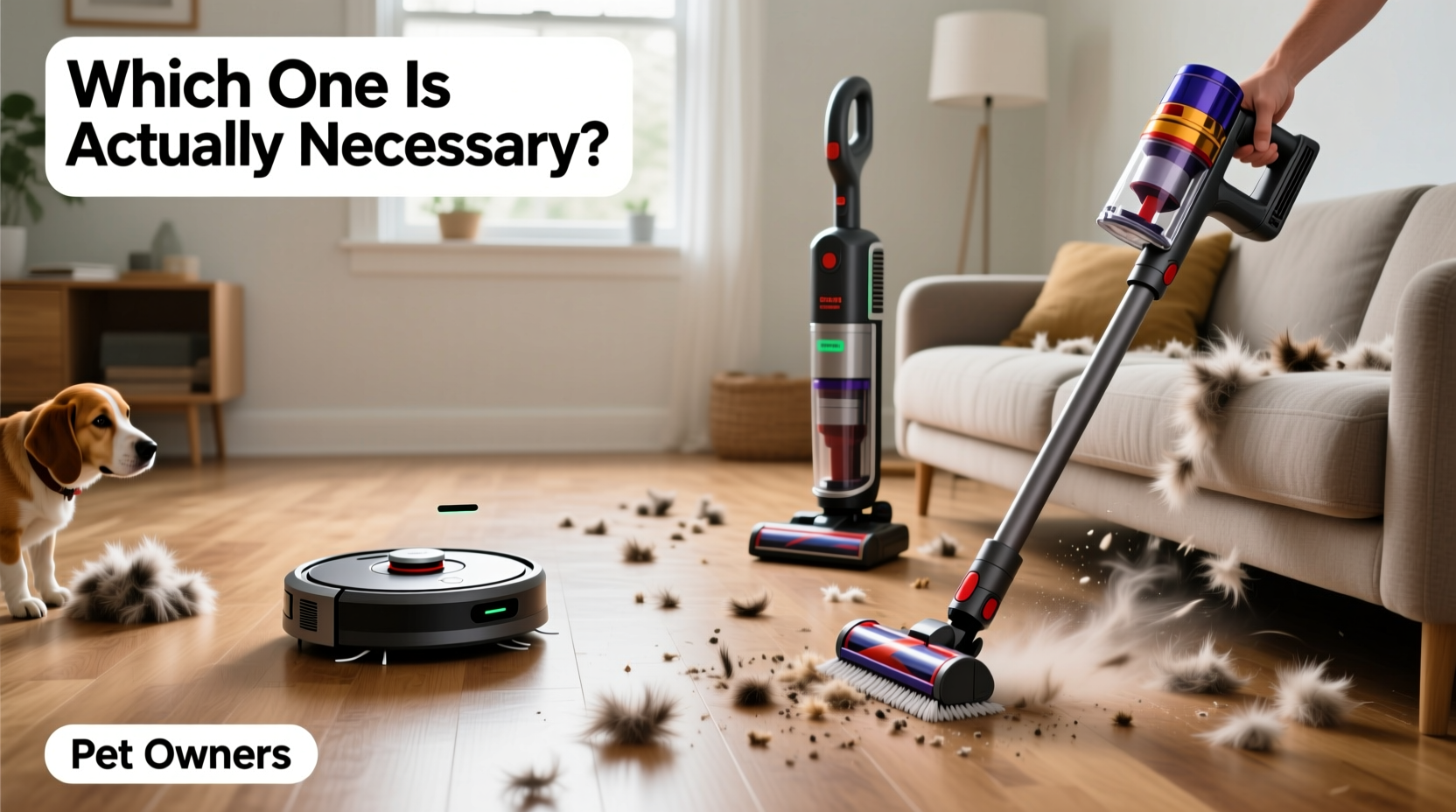
Pet owners face unique cleaning demands. Dogs shed year-round, cats groom themselves constantly, and both track in debris from outside. Even indoor-only pets contribute to dust buildup due to constant movement across floors. High-traffic areas like entryways, living rooms, and pet feeding zones become hotspots for hair accumulation and spills.
According to the American Pet Products Association, over 70% of U.S. households own a pet, and nearly half report cleaning more frequently since becoming pet owners. This increased demand has fueled innovation in home cleaning technology—particularly in robotic and cordless stick vacuums.
The key question isn’t just which vacuum works better, but which one integrates seamlessly into a pet owner’s routine while delivering consistent results.
How Robot Vacuums Work for Pet Owners
Robot vacuums operate autonomously, using sensors and mapping technology to navigate homes. Many models now feature advanced suction, HEPA filtration, tangle-free brushes, and self-emptying dustbins—features specifically marketed toward pet owners.
These devices excel at maintenance cleaning. Set on a schedule, they can run daily (or multiple times per day) to capture loose pet hair before it embeds into carpets or spreads across hard floors. Some high-end models even detect carpeted areas and boost suction automatically.
However, limitations exist. While robot vacuums handle light messes well, they struggle with larger spills, wet accidents, or deeply embedded debris. Their small size means limited bin capacity, requiring frequent emptying in heavy-shedding households. Additionally, they may miss edges or get stuck under furniture where pets often leave behind clumps of fur.
Tip: Place virtual boundaries or use physical barriers to keep robot vacuums away from pet food bowls, which can cause clogs if knocked over.Advantages of Robot Vacuums for Pet Households
- Consistent cleaning: Runs daily without manual effort, reducing allergens over time.
- Smart scheduling: Can be set during work hours or when pets are napping.
- HEPA filters: Trap pet dander and improve indoor air quality—critical for allergy sufferers.
- Low noise profiles: Quieter than traditional vacuums, less likely to startle animals.
Limitations to Consider
- Poor performance on large messes or liquids.
- Requires clear floor space; cluttered toys or cords can interfere.
- May need supervision initially to avoid accidents near pet water bowls.
- Limited reach under low-clearance furniture where pet hair accumulates.
“Automated cleaning tools like robot vacuums are game-changers for multi-pet homes. They don’t replace deep cleaning, but they significantly reduce the baseline level of mess.” — Dr. Laura Bennett, DVM & Home Environment Researcher
The Role of Stick Vacuums in Pet-Friendly Homes
Stick vacuums—especially cordless models—offer powerful, targeted cleaning. Brands like Dyson, Shark, and Tineco have developed lightweight, maneuverable units with strong suction, motorized brush rolls, and detachable handheld modes ideal for upholstery and stairs.
For pet owners dealing with sudden messes—a knocked-over litter box, muddy paw prints, or vomit—stick vacuums provide immediate response. Most models include crevice tools, pet-hair turbo brushes, and washable filters, making them highly adaptable.
Unlike robot vacuums, stick vacuums allow full control over where and how long you clean. You can focus on problem areas, adjust suction power, and instantly address spills before they set. Many also convert into handheld units, enabling quick cleanup of car seats, couches, or pet beds.
Key Benefits of Stick Vacuums for Pet Owners
- High suction power: Removes deeply embedded pet hair from rugs and carpets.
- Versatility: Transforms into handheld mode for furniture, stairs, and vehicles.
- Quick deployment: Ready to use in seconds with no setup required.
- Better edge cleaning: Reaches corners and baseboards more effectively than most robots.
Drawbacks to Keep in Mind
- Requires manual operation—no automation.
- Battery life limits runtime (typically 20–60 minutes).
- Needs regular charging and filter maintenance.
- More physical effort involved compared to hands-off robot models.
Direct Comparison: Robot Vacuum vs Stick Vacuum
| Feature | Robot Vacuum | Stick Vacuum |
|---|---|---|
| Cleaning Frequency | Daily automation possible | Manual, as needed |
| Suction Power | Moderate to high (varies by model) | Typically very high |
| Pet Hair Removal | Good for surface hair; struggles with deep pile | Excellent, especially with motorized tools |
| Spill & Mess Cleanup | Poor (avoid liquids) | Excellent (dry messes only) |
| Hands-Free Operation | Yes | No |
| Filtration (HEPA) | Common in mid-to-high-end models | Available, but not universal |
| Storage Space | Compact, charges in dock | Takes wall space or closet storage |
| Price Range | $250–$1,200+ | $150–$700 |
Real-Life Scenario: A Multi-Pet Household’s Experience
Sarah Thompson, a dog trainer in Austin, Texas, lives with two golden retrievers and a cat. Her home features hardwood floors, area rugs, and a busy mudroom where her dogs enter after walks. Initially skeptical, she invested in a mid-tier robot vacuum for daily upkeep and kept her older stick vacuum for spot cleaning.
Within weeks, she noticed a dramatic reduction in visible pet hair on main floors. The robot ran every morning while she walked the dogs, handling loose fur and crumbs. However, when one of her dogs tracked in muddy water after rain, she immediately reached for the stick vacuum. “The robot would’ve just smeared it,” she said. “But my stick vacuum picked it up in one pass.”
She now uses both: the robot maintains cleanliness between deeper sessions, while the stick vacuum handles emergencies and weekly carpet detailing. “I didn’t realize I needed both until I tried relying on just one,” she added.
Tip: Run your robot vacuum during times when pets are calm or sleeping to prevent interference or startling.Step-by-Step Guide: Building an Effective Pet-Cleaning Routine
Instead of choosing one vacuum over the other, consider integrating both into a cohesive cleaning strategy. Here’s how:
- Assess your home layout and pet habits. Identify high-traffic zones, shedding patterns, and common mess locations (e.g., near food bowls or doorways).
- Select a robot vacuum with pet-specific features: Look for tangle-free brush rolls, HEPA filtration, app scheduling, and carpet boost mode.
- Set a daily cleaning schedule: Program the robot to run once or twice daily, ideally when you’re out or pets are resting.
- Invest in a cordless stick vacuum with pet tools: Ensure it has a motorized pet attachment and easy-empty bin.
- Create a weekly deep-cleaning ritual: Use the stick vacuum to go over rugs, stairs, furniture, and baseboards once a week.
- Respond immediately to accidents: Keep the stick vacuum charged and accessible for quick cleanups.
- Maintain both machines: Clean brushes weekly, empty bins after each use, and replace filters as recommended.
Checklist: What to Look for When Buying for Pet Homes
- ✅ Strong suction power (for embedded hair)
- ✅ Tangle-free brush roll (prevents hair wrap)
- ✅ HEPA filtration (captures dander and allergens)
- ✅ Large dustbin (reduces frequency of emptying)
- ✅ App-controlled scheduling (for robot models)
- ✅ Detachable handheld mode (for stick vacuums)
- ✅ Washable filters (lowers long-term cost)
- ✅ Noise level under 70 dB (won’t scare pets)
Frequently Asked Questions
Can robot vacuums pick up pet hair effectively?
Yes, but effectiveness varies by model. High-end robots with rubberized brush rolls (like those from iRobot or Roborock) perform best, pulling hair without tangling. However, they still require regular maintenance and may struggle on thick carpets.
Are stick vacuums safe to use around pets?
Absolutely. Most modern stick vacuums are designed with pet-friendly features, including soft roller heads for hard floors and specialized pet tools. Just avoid using them directly around anxious or noise-sensitive animals. Introduce the sound gradually if needed.
Do I really need both types of vacuums?
Not necessarily—but many pet owners find that combining both delivers optimal results. The robot handles daily maintenance, reducing overall mess, while the stick vacuum provides power and precision when needed. If budget or space is tight, prioritize a high-quality stick vacuum for versatility, then add a robot later.
Final Thoughts: Necessity Depends on Your Lifestyle
Neither robot vacuums nor stick vacuums are universally “necessary” for all pet owners—but both offer compelling benefits. The choice ultimately hinges on your priorities.
If your goal is effortless, continuous maintenance and you’re willing to manage minor limitations, a robot vacuum brings real value. It keeps floors consistently cleaner, reduces allergens, and fits into busy schedules with minimal effort.
On the other hand, if you deal with frequent messes, have multiple shedding pets, or prefer complete control over cleaning, a stick vacuum is indispensable. Its power, flexibility, and responsiveness make it the go-to tool for active pet households.
The smartest approach? Combine both. Let the robot do the groundwork, maintaining baseline cleanliness, while reserving the stick vacuum for targeted, high-impact cleaning. This hybrid strategy maximizes efficiency, minimizes effort, and keeps your home healthier for both pets and people.
🚀 Ready to upgrade your pet-friendly cleaning routine? Start by auditing your current habits—then choose the vacuum (or duo) that aligns with your lifestyle. Share your experience or ask questions in the comments below!








