Numbness in the ring finger and pinky is more than just an occasional odd sensation—it can signal underlying nerve compression or systemic health conditions. While fleeting tingling may seem harmless, persistent or worsening numbness warrants attention. This article explores the most common causes, associated symptoms, and science-backed treatment options to help you understand what’s happening and when to act.
Anatomy Behind Ring Finger and Pinky Sensation
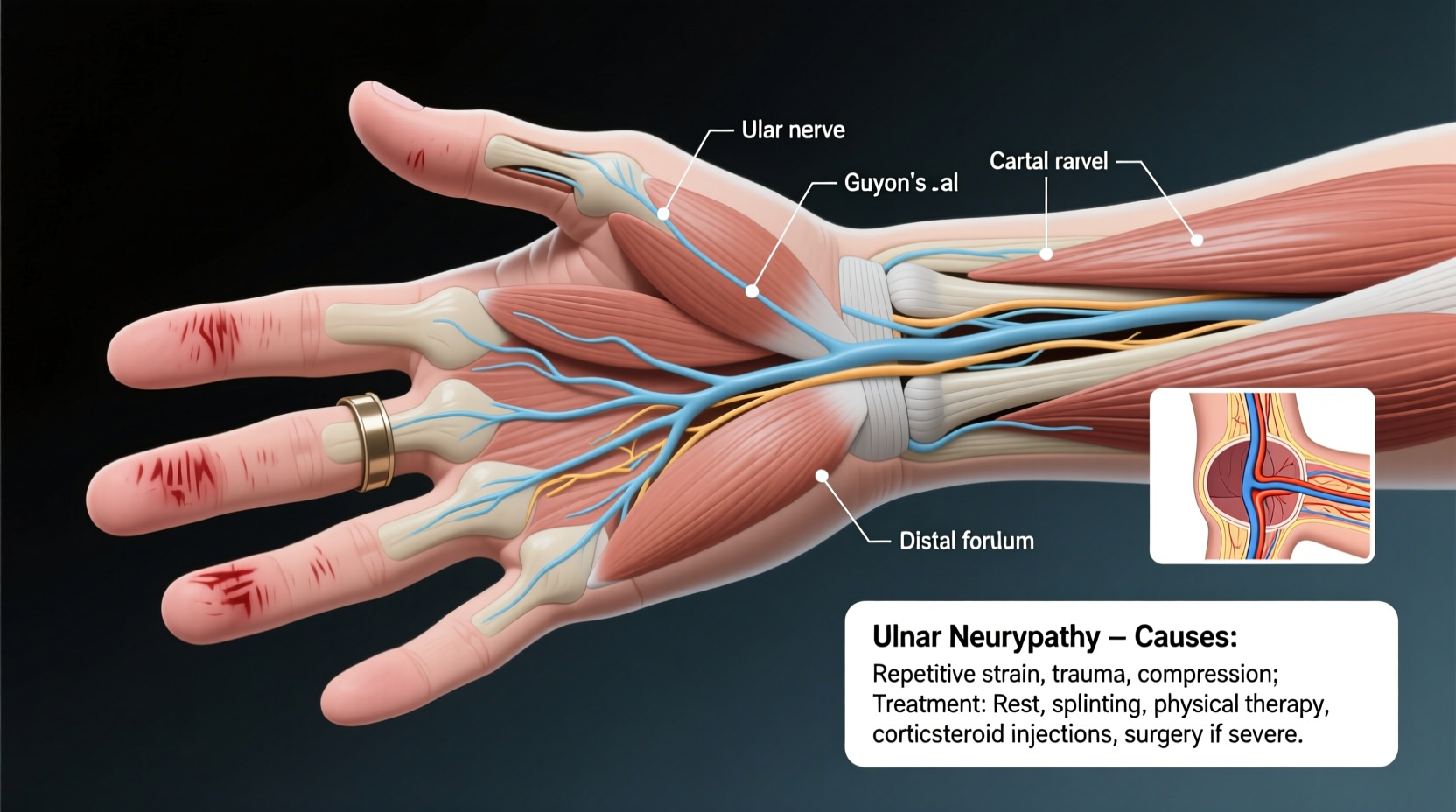
The ulnar nerve is primarily responsible for sensation in the ring finger and pinky. Running from the neck down through the shoulder, elbow (where it passes through the cubital tunnel), forearm, and into the hand, this nerve controls both feeling and fine motor movements in the smaller fingers. Because of its long path and lack of protective tissue at the elbow, the ulnar nerve is especially vulnerable to compression.
Unlike the median nerve—involved in carpal tunnel syndrome—the ulnar nerve affects the outer two fingers on the hand. Any disruption along its route can lead to numbness, tingling, weakness, or even muscle wasting over time if left untreated.
Tip: Avoid resting your elbows on hard surfaces for extended periods; this increases pressure on the ulnar nerve.Common Causes of Ring Finger and Pinky Numbness
Several factors can lead to numbness in these fingers. The most frequent causes include:
- Cubital Tunnel Syndrome: Compression of the ulnar nerve at the elbow, often due to prolonged bending or direct pressure.
- Cervical Radiculopathy: A pinched nerve in the neck (often C8-T1) that radiates symptoms down the arm and into the hand.
- Ulnar Neuropathy at the Wrist (Guyon’s Canal Syndrome): Less common than cubital tunnel but involves compression as the nerve passes through the wrist.
- Diabetes: Peripheral neuropathy caused by high blood sugar levels frequently affects the hands and feet symmetrically.
- Vitamin Deficiencies: Low levels of B12, B6, or folate can impair nerve function.
- Trauma or Fractures: Injury to the elbow, forearm, or wrist may damage the ulnar nerve directly.
- Repetitive Motion: Activities like cycling, typing, or playing musical instruments may contribute to chronic nerve irritation.
“Ulnar nerve symptoms are often mistaken for carpal tunnel, but they affect different fingers and require distinct evaluation.” — Dr. Alan Foster, Neurologist, Johns Hopkins Medicine
Symptoms That Accompany Numbness
Numbness alone isn’t always alarming, but certain accompanying signs suggest a need for medical assessment:
- Burning or tingling (\"pins and needles\") in the ring and little fingers
- Weakness in grip or difficulty with fine motor tasks (e.g., buttoning shirts)
- Muscle atrophy in the hand, particularly between the thumb and index finger
- Clumsiness or tendency to drop objects
- Worsening symptoms at night or during activities involving bent elbows
Some patients report a sensation like their hand has \"fallen asleep,\" especially after leaning on their elbows. In advanced cases, clawing of the ring and pinky fingers—a condition known as \"ulnar claw\"—may develop due to muscle imbalance.
Diagnosis and Medical Evaluation
A thorough clinical evaluation begins with a detailed history and physical exam. Doctors assess muscle strength, sensation, and reflexes. They may perform specific tests such as:
- Tinel’s Sign: Tapping over the ulnar nerve at the elbow to provoke tingling.
- Froment’s Sign: Checking for weakness in the thumb adductor muscle.
- Elbow Flexion Test: Holding the elbow bent for 30–60 seconds to reproduce symptoms.
Diagnostic tools may include:
| Test | Purpose | What It Reveals |
|---|---|---|
| Electromyography (EMG) | Measures electrical activity in muscles | Differentiates nerve vs. muscle problems; confirms ulnar nerve damage |
| Nerve Conduction Study (NCS) | Assesses speed of nerve signals | Identifies location and severity of nerve compression |
| MRI or Ultrasound | Imaging of soft tissues and nerves | Detects structural issues like tumors, cysts, or swelling compressing the nerve |
| Blood Tests | Checks for systemic conditions | Evaluates glucose, vitamin B12, thyroid function, and inflammatory markers |
Effective Treatment Options
Treatment depends on the cause and severity. Mild cases often respond well to conservative measures, while advanced nerve compression may require surgery.
Non-Surgical Approaches
- Lifestyle Modifications: Avoid prolonged elbow flexion, stop leaning on elbows, adjust workstation ergonomics.
- Bracing or Splinting: Wearing a night splint to keep the elbow straight can reduce nocturnal symptoms.
- Physical Therapy: Exercises to improve nerve gliding and strengthen hand muscles.
- Medication: NSAIDs for inflammation; gabapentin or pregabalin for nerve pain in severe cases.
- Vitamin Supplementation: Especially B12 if deficiency is confirmed.
Surgical Intervention
When conservative treatments fail or muscle weakness progresses, surgical decompression may be recommended. Common procedures include:
- Ulnar Nerve Transposition: Relocating the nerve to the front of the elbow to prevent stretching.
- Medyepicondylectomy: Removing part of the medial epicondyle to create more space for the nerve.
Success rates for surgery are generally high, with most patients experiencing symptom relief within weeks to months.
Tip: Use a padded elbow sleeve during sleep if you tend to curl your arms tightly, reducing pressure on the ulnar nerve.Step-by-Step Guide to Managing Symptoms at Home
If you’re experiencing early-stage numbness, follow this timeline to monitor and address symptoms:
- Week 1: Track when numbness occurs—during sleep, work, or specific activities.
- Week 2: Modify habits: avoid elbow pressure, adjust chair height, use ergonomic keyboard.
- Week 3: Begin gentle nerve flossing exercises under guidance from a therapist.
- Week 4: Reassess symptoms. If no improvement, schedule a doctor’s visit.
- Month 2: Pursue diagnostic testing if symptoms persist or worsen.
Mini Case Study: Office Worker with Progressive Numbness
Mark, a 42-year-old software developer, began noticing his pinky and ring finger going numb at night. Initially dismissing it as poor sleeping posture, he later found himself dropping coffee mugs and struggling with keyboard accuracy. After three months, he consulted a neurologist. EMG testing revealed moderate ulnar nerve compression at the elbow. He was fitted with a nighttime elbow brace, adjusted his desk setup, and started nerve gliding exercises. Within eight weeks, his symptoms improved significantly, and surgery was avoided.
This case highlights the importance of early intervention before irreversible nerve damage occurs.
Prevention Checklist
Reduce your risk of ulnar nerve issues with this actionable checklist:
- ✅ Keep elbows straight during sleep (use a rolled towel behind the arm if needed)
- ✅ Avoid resting forearms on hard surfaces for long periods
- ✅ Take breaks every hour during repetitive tasks
- ✅ Maintain good posture to reduce neck and shoulder strain
- ✅ Manage chronic conditions like diabetes through regular checkups
- ✅ Stay hydrated and eat a balanced diet rich in B vitamins
Frequently Asked Questions
Can dehydration cause finger numbness?
Dehydration alone rarely causes isolated ring and pinky numbness, but it can exacerbate nerve irritability and contribute to overall neurological symptoms. Chronic dehydration may also affect electrolyte balance, which influences nerve signaling.
Is ring and pinky numbness a sign of a heart attack?
Not typically. Heart attack symptoms usually involve chest pressure, shortness of breath, jaw pain, or left arm discomfort—not isolated numbness in the small fingers. However, any new, unexplained upper body discomfort should be evaluated promptly, especially in high-risk individuals.
How long does it take for ulnar nerve symptoms to resolve?
Mild cases may improve within 6–8 weeks with lifestyle changes. More severe compression can take several months, even with treatment. Recovery after surgery typically ranges from 3 to 6 months, depending on the extent of nerve damage.
Conclusion: Take Action Before It’s Too Late
Numbness in the ring finger and pinky is not something to ignore. While often linked to reversible nerve compression, it can also reflect broader health issues like diabetes or cervical spine disease. Early recognition, proper diagnosis, and timely intervention can prevent permanent nerve damage and preserve hand function.
💬 Experiencing hand numbness? Don’t wait for symptoms to worsen. Share your story or consult a healthcare provider today to protect your nerve health.








