Sparkle has always captivated us—whether it’s catching the light at a gala or drawing glances during a proposal. But when it comes to choosing between rhinestones and real diamonds, the decision isn’t just about shine. It’s about value, longevity, emotional significance, and personal style. With rising prices for natural diamonds and increasingly convincing alternatives, many are re-evaluating whether the traditional symbol of luxury still holds its weight in modern jewelry choices.
This article dives deep into the science, sentiment, and savings behind both options, offering clarity for those weighing aesthetics against investment.
The Science of Sparkle: How Light Interacts with Each Stone
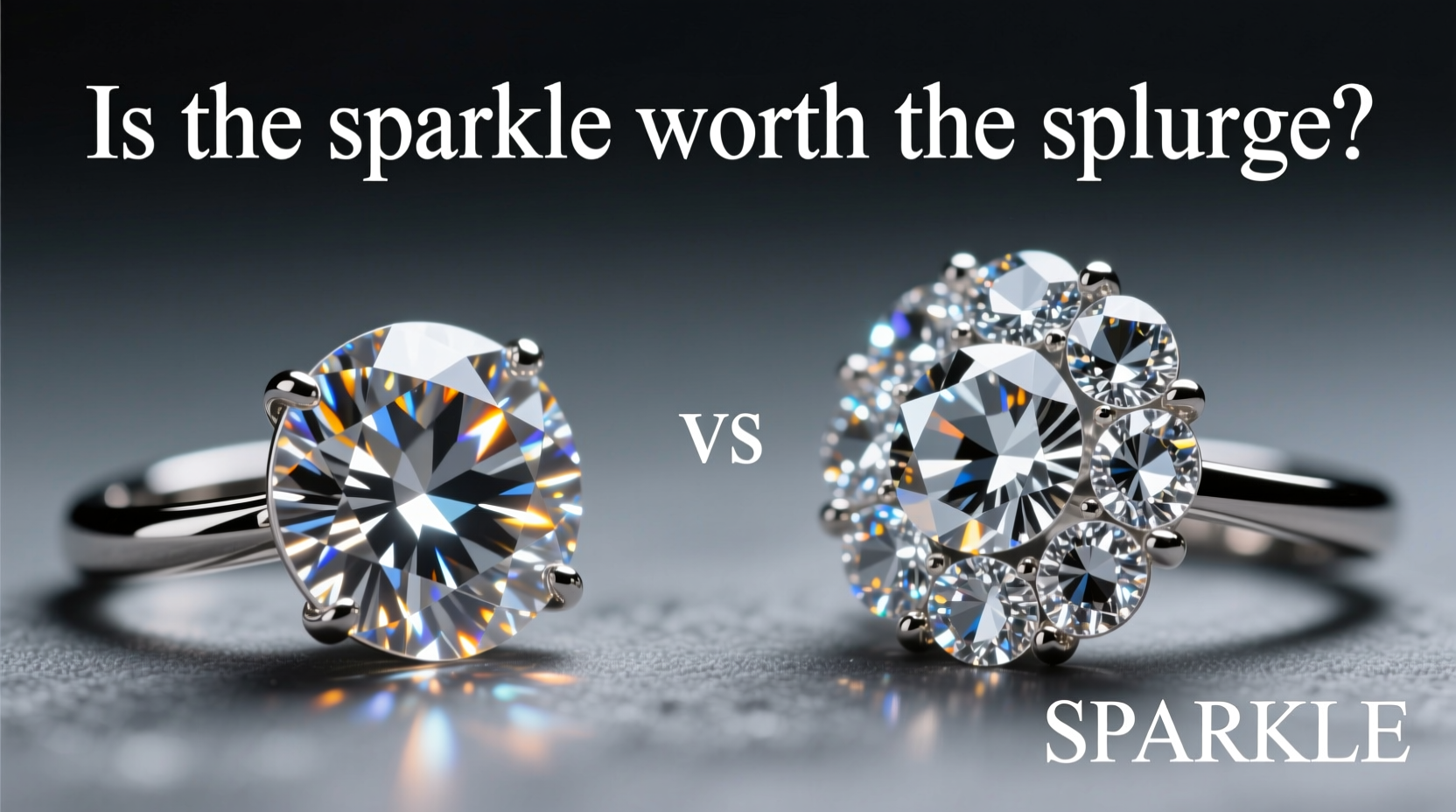
Brilliance, fire, and scintillation—the technical terms for how a gemstone plays with light—are central to its visual appeal. Real diamonds score exceptionally high due to their high refractive index (2.42), which bends light sharply and returns it through the top of the stone as intense sparkle. They also have strong dispersion, meaning they break white light into spectral colors—those flashes of rainbow you see when the stone moves.
Rhinestones, typically made from leaded glass or acrylic, have a lower refractive index (around 1.7–1.9). While modern coatings can enhance their reflectivity, they lack the depth and complexity of diamond fire. The sparkle is more surface-level—bright but less dynamic under different lighting conditions.
Tip: View stones under both natural daylight and indoor lighting to assess true brilliance—real diamonds perform consistently across environments.Cost Comparison: Budgeting for Beauty
There’s no denying that real diamonds command premium prices. A one-carat, G-color, VS1-clarity natural diamond can cost between $5,000 and $8,000 depending on cut and market fluctuations. In contrast, a high-quality rhinestone simulant of similar size might cost under $50—even less if mass-produced.
This vast price gap opens up possibilities. For fashion-forward individuals who change styles frequently, rhinestones offer glamour without guilt. They’re ideal for statement pieces meant to last a season rather than a lifetime. On the other hand, real diamonds represent a long-term asset—both emotionally and financially.
“Diamonds may not be the best financial investment today, but they remain unmatched in symbolic capital.” — Dr. Lena Patel, Gemologist & Jewelry Historian
Material Properties Compared
| Property | Real Diamond | Rhinestone |
|---|---|---|
| Hardness (Mohs Scale) | 10 (hardest known natural material) | 5–6 (glass); 3–4 (acrylic) |
| Refractive Index | 2.42 | 1.7–1.9 |
| Durability | Resistant to scratching and chipping | Prone to scratches, clouding, and coating wear |
| Average Price (1 carat equivalent) | $5,000–$12,000 | $10–$100 |
| Lifespan with Care | Generational | 1–5 years (fashion use) |
Emotional Value and Social Perception
Jewelry often carries emotional weight far beyond its material composition. Engagement rings, heirlooms, and milestone gifts are imbued with meaning. In these contexts, real diamonds continue to dominate consumer psychology. A 2023 survey by the Jewelers Board of Trade found that 68% of respondents believed a “real” engagement ring should include a natural diamond, citing authenticity and permanence as key reasons.
However, younger generations are shifting attitudes. Millennials and Gen Z prioritize ethics, sustainability, and self-expression over tradition. Many view lab-grown diamonds—or even high-end simulants—as equally valid symbols of love and commitment. Rhinestones, especially in bold designs, are embraced in pop culture and red carpet fashion as statements of creativity rather than compromise.
Mini Case Study: Sarah’s Engagement Ring Decision
Sarah, a 29-year-old graphic designer, wanted an engagement ring that reflected her values. She loved the classic solitaire look but was uncomfortable with the environmental and ethical concerns tied to mining. After researching options, she chose a 1.2-carat lab-grown diamond set in recycled platinum—costing $2,200. It offered the optical and physical properties of a natural diamond at a fraction of the price and impact. Five years later, she reports no regrets; friends often assume it’s mined, and the stone remains pristine.
Meanwhile, her sister opted for a vintage-inspired cocktail ring set with Austrian rhinestones for daily wear. At $85, it delivers glamor without risk. “I wear it to parties, work events, even gardening,” she says. “If it gets scratched, I’ll replace it. No heartbreak.”
Care and Maintenance: Longevity by Design
Real diamonds require minimal upkeep but benefit from regular cleaning. A simple soak in warm water with mild dish soap, followed by gentle brushing, restores luster. Ultrasonic cleaners are generally safe unless the stone has internal fractures.
Rhinestones demand more caution. Their metallic backing and surface coatings degrade with exposure to moisture, chemicals, and friction. Avoid wearing rhinestone jewelry while swimming, cleaning, or exercising. Clean only with a dry, soft cloth—never submerge them.
Step-by-Step Jewelry Care Routine
- Remove jewelry before bathing, sleeping, or applying lotions.
- Store each piece separately in soft pouches or lined compartments.
- Inspect prongs and settings monthly for looseness.
- Clean diamonds weekly using soapy water and a soft brush.
- For rhinestones, gently wipe with a lint-free cloth after each wear.
- Have professional inspections every 6–12 months for valuable pieces.
When to Choose Which: A Practical Guide
The right choice depends on context. Consider these scenarios:
- Engagement or wedding ring? Opt for real or lab-grown diamond—durability and symbolism matter most.
- Fashion accessory for events? Rhinestones offer dazzling impact at low risk.
- Heirloom or investment piece? Natural diamonds retain sentimental and potential resale value.
- Budget-conscious gifting? High-quality cubic zirconia or rhinestone designs can impress without overspending.
Checklist: Choosing Your Stone Wisely
- ✅ Define the purpose: daily wear, special occasion, or lifelong keepsake?
- ✅ Set a realistic budget.
- ✅ Research the seller’s reputation and return policy.
- ✅ Ask for certification if buying a real or lab-grown diamond.
- ✅ Consider maintenance requirements and lifestyle fit.
FAQ
Can you tell the difference between a rhinestone and a real diamond?
Yes, especially up close. Diamonds have sharper edges, greater brilliance, and do not fog easily when breathed on (they disperse heat instantly). Rhinestones often appear too perfect or “glassy” and may have visible seams or foiling underneath.
Do rhinestones lose their sparkle over time?
Yes. Exposure to oils, moisture, and abrasion wears down coatings. Over time, rhinestones can become cloudy or dull, especially if not cared for properly.
Are lab-grown diamonds considered “real”?
Absolutely. Lab-grown diamonds share the same chemical, physical, and optical properties as mined diamonds. They are graded using the same standards (cut, color, clarity, carat) and are indistinguishable without specialized equipment.
Conclusion: Sparkle on Your Terms
The question isn’t whether rhinestones or real diamonds are “better”—it’s what kind of sparkle aligns with your life. Real diamonds offer unmatched durability, legacy, and prestige. Rhinestones deliver accessible glamour, versatility, and creative freedom. Neither is inherently superior; each serves a role in a thoughtful jewelry wardrobe.
Today’s informed buyer doesn’t have to choose between beauty and budget, ethics and elegance. With options ranging from ethically sourced naturals to stunning simulants, the real luxury is choice. Assess your priorities, understand the trade-offs, and wear what makes you feel confident—because true sparkle starts within.
💬 What does sparkle mean to you? Share your thoughts or jewelry journey in the comments—your story could inspire someone else’s next big decision.








