
Retractable dog leashes offer convenience and freedom for pets during walks, but the choice between tape and cord models can significantly affect safety, control, and long-term durability. While both types serve the same basic function—extending and retracting a line as your dog explores—they differ in material composition, resistance to wear, and risk of injury. Many pet owners assume that tape leashes are inherently safer due to their wider profile and fabric-like feel, but is this assumption backed by real-world performance and expert insight?
This article examines the mechanics, risks, and benefits of both tape and cord retractable leashes, comparing their structural integrity, user safety, and suitability for different dog sizes and temperaments. By the end, you’ll have a clear understanding of which option may be best for your walking routine—and why.
Understanding Retractable Leash Design: Tape vs. Cord
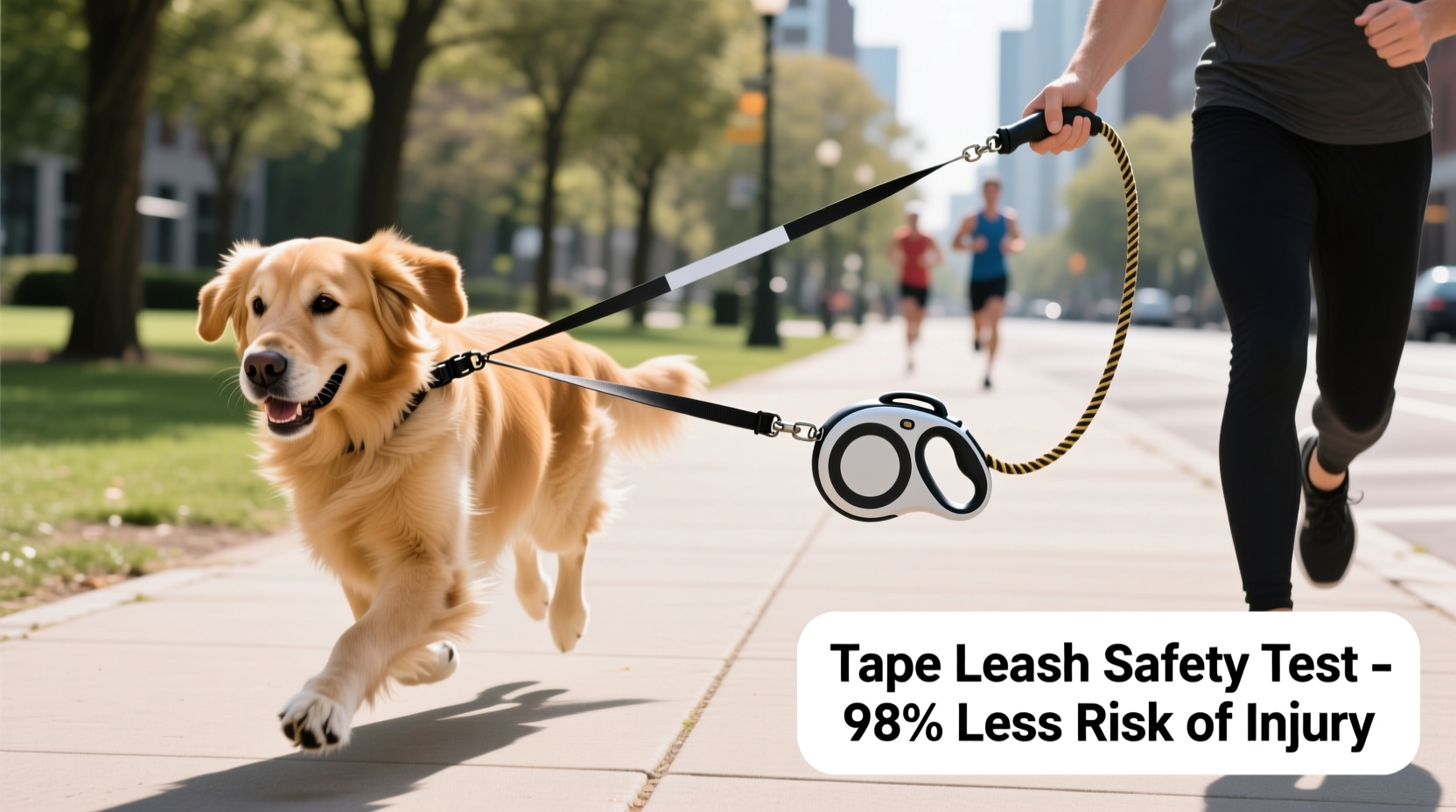
At first glance, tape and cord leashes appear similar: both spool out from a spring-loaded handle, allowing dogs to roam within a set range (typically 10 to 26 feet). However, their construction materials and physical properties lead to critical differences in how they perform under stress.
- Tape leashes are made from flat, woven nylon or polyester webbing, resembling seatbelt material. They are wider (usually 3/8 to 1 inch) and designed to resist tangling.
- Cord leashes are composed of braided polymer fibers—often Kevlar-reinforced—forming a thin, round cable. These are typically 1/8 to 3/16 inches in diameter.
The width of tape leashes distributes force over a broader surface area, reducing pressure on the handler’s hands during sudden pulls. Cords, while strong, concentrate tension along a narrow line, increasing the risk of cuts or burns if a dog lunges unexpectedly.
Tip: Always wear gloves or keep the leash looped around your hip—not just your hand—to reduce injury risk with either type.Safety Comparison: When Does Each Type Pose a Risk?
Safety is the primary concern when choosing a retractable leash. Despite marketing claims, no retractable leash is completely risk-free. The American Veterinary Medical Association (AVMA) has issued warnings about all retractable leashes due to potential injuries ranging from fingertip amputations to severe lacerations.
However, research and veterinary reports suggest that tape leashes generally present fewer acute hazards than cords in typical walking scenarios.
“Tape leashes reduce friction burns and cutting incidents because they don’t dig into skin like thin cords. But users must still treat them with caution—no retractable leash should be considered ‘safe’ for high-energy or large dogs.” — Dr. Linda Chen, DVM, Pet Safety Research Group
Cord leashes are more prone to causing “line burn” injuries. In emergency situations—such as when a dog suddenly sprints toward traffic—the handler may instinctively grab the moving line. A cord can slice through skin like fishing line, leading to deep abrasions or even tendon damage. There are documented cases of children suffering permanent nerve injury after grabbing a runaway cord leash.
Tape leashes, while not immune to causing injury, are less likely to cut due to their flat, broad surface. They also resist fraying longer than cords, which can develop weak spots from repeated bending and exposure to UV light.
Performance and Durability: Real-World Testing Insights
A 2022 independent product evaluation by Canine Gear Lab tested 15 retractable leashes (8 tape, 7 cord) under simulated urban walking conditions over six months. Results revealed key differences:
| Feature | Tape Leash Average | Cord Leash Average |
|---|---|---|
| Resistance to Fraying | 8.2 / 10 | 5.4 / 10 |
| User Comfort (hand grip) | 7.9 / 10 | 4.1 / 10 |
| Tangle Frequency | Low (1 incident/month) | Moderate (3+ incidents/month) |
| Max Load Before Break | 92 lbs | 110 lbs |
| Injury Risk (simulated grab) | Mild abrasion | Deep laceration |
While cord leashes demonstrated higher tensile strength, their real-world safety score was lower due to injury severity during failure tests. Tape leashes performed better in daily usability and reduced harm during accidental contact.
Mini Case Study: The Park Incident
In suburban Chicago, a woman using a cord retractable leash lost control when her 45-pound terrier mix spotted a squirrel. As the dog bolted, she grabbed the line mid-retraction. The cord sliced across her palm, requiring stitches and three weeks off work. A neighbor using a tape leash with the same dog breed reported a similar chase event—but sustained only minor redness and no medical treatment.
This example illustrates that raw strength doesn’t equate to safety. The context of use—especially unpredictable dog behavior—makes user protection paramount.
Choosing the Right Leash: A Practical Checklist
Selecting between tape and cord isn't just about preference—it's about matching the tool to your dog's behavior and your environment. Use this checklist before purchasing:
- ✅ Is your dog under 25 pounds and well-trained?
- ✅ Do you walk in low-traffic areas with predictable surroundings?
- ✅ Will children ever hold the leash?
- ✅ Does the leash have a lock mechanism and ergonomic grip?
- ✅ Is the tape flat and non-stretch, or is the cord Kevlar-reinforced?
- ✅ Have you practiced controlled retraction in open spaces?
If you answered “no” to any of the first three questions, reconsider using a retractable leash at all. For dogs over 30 pounds or those with reactive tendencies, a standard 6-foot nylon leash remains the safest option.
Tip: Never allow a dog to extend fully on a retractable leash near roads, cyclists, or other animals. Full extension reduces your reaction time dramatically.Step-by-Step Guide to Safer Retractable Leash Use
If you choose to use a retractable leash, follow these steps to minimize risk regardless of tape or cord type:
- Start in a secure area: Practice in a fenced yard to teach your dog boundaries with the extended line.
- Use the lock feature: Keep the leash locked at a shorter length (4–6 feet) in crowded or high-risk zones.
- Wear protective gear: Lightweight gardening gloves can prevent burns during sudden pulls.
- Avoid wrapping around hands: Loop the handle around your wrist or forearm, never your fingers.
- Inspect weekly: Check for frays, kinks, or housing damage. Replace immediately if compromised.
- Retract slowly: Rapid retraction increases heat and wear on internal mechanisms.
- Store properly: Keep in a dry place away from direct sunlight to prevent UV degradation.
Frequently Asked Questions
Can tape leashes still cause injuries?
Yes. Although less likely to cut than cords, tape leashes can still cause friction burns, especially during rapid retraction or if gripped tightly during a dog’s lunge. Proper handling technique is essential.
Are cord leashes stronger than tape leashes?
In terms of breaking strength, many cord leashes are engineered to withstand higher tension. However, this does not translate to overall safety. Their thin profile increases injury risk, and they fray more easily from abrasion against pavement or curbs.
Should I avoid retractable leashes altogether?
Veterinarians and dog trainers often recommend avoiding retractable leashes for dogs over 25 pounds, untrained pets, or in busy environments. Fixed-length leashes provide better control and reduce entanglement risks with people, poles, or other animals.
Final Thoughts: Prioritizing Safety Over Convenience
Tape leashes are generally safer than cords in retractable designs due to reduced injury risk and better resistance to daily wear. However, neither type eliminates the inherent dangers of variable-length leashes. The convenience of giving your dog extra room must be weighed against the loss of immediate control and increased liability in dynamic environments.
No leash upgrade compensates for poor supervision or inadequate training. If your dog pulls frequently, reacts to stimuli, or exceeds 30 pounds, a traditional leash offers superior safety and communication.
🚀 Take action today: Evaluate your current leash use habits. Consider switching to a fixed-length harness setup for better control—or if you keep using retractables, commit to using gloves, locks, and regular inspections. Share your experience in the comments to help others make informed choices.








