Dogs thrive on mental stimulation, physical activity, and emotional connection. Choosing the right toy can significantly influence how engaged and content your pet remains throughout the day. Two popular categories—plush toys like Remy from Pixar’s *Ratatouille* and interactive dog toys—offer distinct advantages. While plush toys provide comfort and companionship, interactive toys challenge a dog’s mind and encourage problem-solving. The real question isn’t just about preference; it’s about long-term happiness, durability, and behavioral health.
Understanding what truly keeps your dog mentally stimulated and emotionally satisfied requires looking beyond initial excitement. Some dogs gnaw through plush toys in minutes, while others lose interest in puzzles after a single use. The key is matching the toy type to your dog’s breed, age, energy level, and temperament.
Understanding Plush Toys: Comfort, Companionship, and Limitations
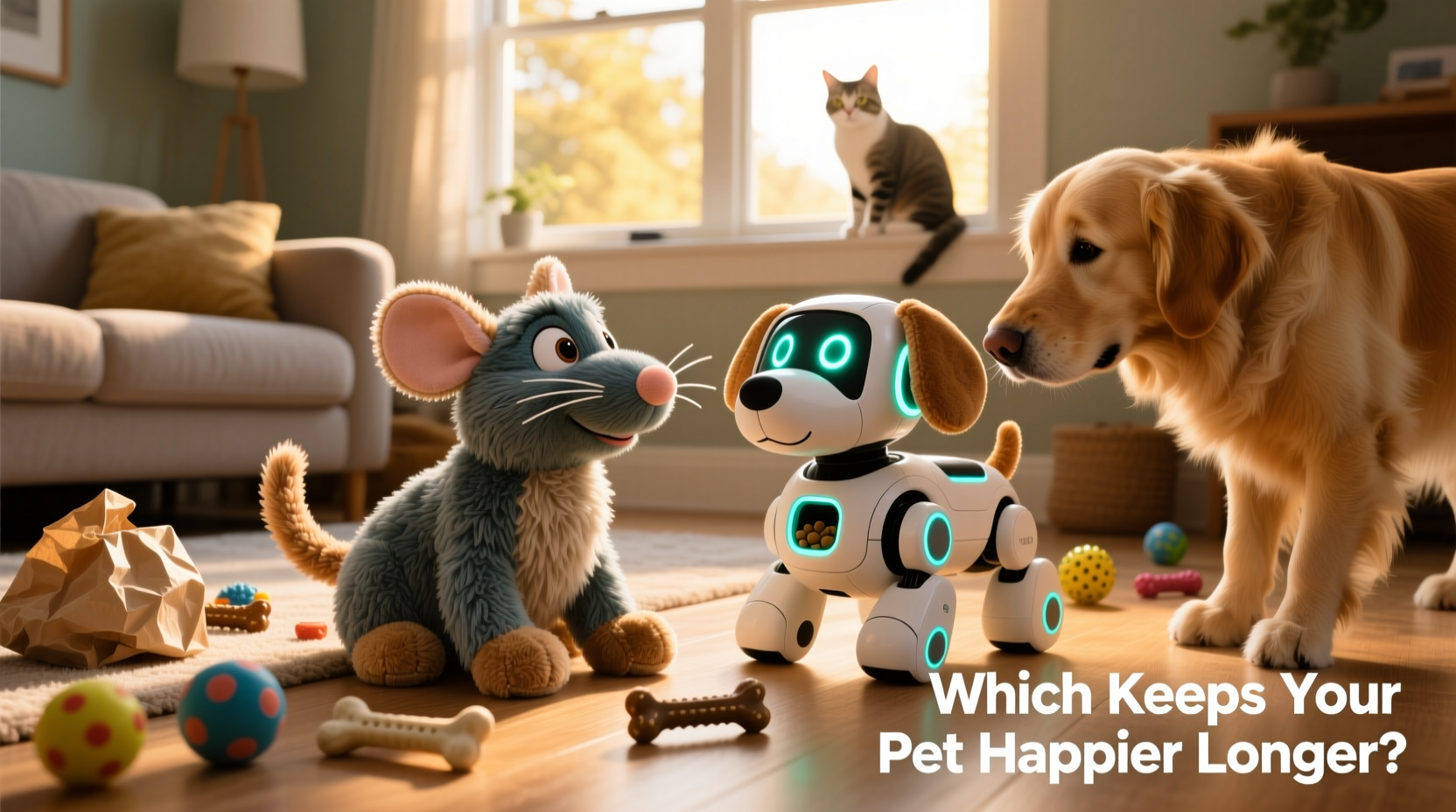
Plush toys, especially character-based ones like Remy, often serve as emotional anchors for dogs. They mimic soft prey, offer cuddling potential, and can become a dog’s “best friend.” Many dogs carry them around, sleep with them, or gently mouth them during downtime. For anxious or senior dogs, this type of toy provides a sense of security.
However, plush toys come with notable drawbacks. Most are not designed for aggressive chewers. Even moderate chewing can lead to torn seams, exposed stuffing, or detached eyes and noses—posing choking hazards. Once destroyed, the novelty fades quickly, and many dogs abandon the remnants within hours.
Tip: Supervise playtime with plush toys, especially if your dog tends to pull out stuffing or chew aggressively.Additionally, plush toys rarely offer sustained mental engagement. A dog may enjoy carrying or tossing Remy around for 10–15 minutes, but unless the toy includes hidden squeakers or treat compartments, it doesn’t evolve or challenge the dog over time.
The Rise of Interactive Dog Toys: Mental Stimulation That Lasts
Interactive dog toys are engineered to keep pets mentally active. These include puzzle feeders, treat-dispensing balls, flip-top mazes, and even electronic games that respond to touch or motion. Unlike plush toys, their purpose isn’t just entertainment—it’s cognitive enrichment.
Studies show that dogs who engage regularly with puzzle toys exhibit lower levels of anxiety and destructive behavior. According to Dr. Alexandra Horowitz, canine cognition researcher at Barnard College, “Dogs don’t just need walks—they need problems to solve. Interactive toys tap into their natural instincts to hunt, forage, and figure things out.”
“Mental fatigue is just as important as physical tiredness. A dog that’s mentally exhausted is a well-behaved dog.” — Dr. Karen Overall, Veterinary Behaviorist
These toys extend playtime by requiring effort. A dog might spend 20–30 minutes working to release a treat from a Kong Wobbler or solving a multi-step puzzle. This slow, rewarding process mimics foraging behavior and keeps the brain engaged far longer than passive chewing or shaking.
Comparing Long-Term Engagement: A Practical Breakdown
To determine which toy type leads to prolonged happiness, consider three factors: duration of engagement, emotional satisfaction, and durability.
| Feature | Remy Plush Toy | Interactive Toy (e.g., Nina Ottosson Puzzle) |
|---|---|---|
| Average Play Duration | 5–15 minutes | 15–45 minutes |
| Mental Stimulation | Low | High |
| Durability (with moderate chewer) | Poor (1–3 days) | Excellent (months to years) |
| Emotional Comfort | High (if bonded) | Low to Moderate |
| Risk of Destructive Behavior Post-Play | Higher (if toy is destroyed) | Lower (dog is mentally satisfied) |
The data suggests that while plush toys win in emotional attachment, interactive toys deliver superior long-term engagement and behavioral benefits. A dog finishing a challenging puzzle feels accomplishment—a psychological reward that plush toys rarely replicate.
Real Example: Max, the Border Collie Mix
Max, a 3-year-old Border Collie mix, was adopted after spending months in a shelter with minimal stimulation. His owners initially bought him a Remy plush toy, which he loved for two days. By day three, he had torn off the tail and scattered stuffing across the living room. Boredom set in quickly, leading to excessive barking and shoe-chewing.
After introducing a series of interactive puzzles—including a treat maze and a sliding block game—Max’s behavior transformed. He spent up to 40 minutes each morning focused on earning his breakfast from a puzzle feeder. His owners noticed reduced anxiety, better sleep, and fewer destructive episodes. While he still has a few plush toys, they’re used for short bursts of play, not primary entertainment.
Choosing the Right Toy for Your Dog’s Personality
No single toy suits every dog. The ideal choice depends on individual traits. Consider the following checklist before purchasing:
- Energy Level: High-energy breeds (e.g., Australian Shepherds, Terriers) benefit more from interactive challenges.
- Chewing Tendency: Power chewers destroy plush toys fast—opt for rubber or nylon-based interactives.
- Age: Puppies enjoy plush for teething; seniors may prefer soft companionship.
- Training Goals: Use interactive toys to reinforce focus, patience, and problem-solving.
- Social Behavior: Dogs with separation anxiety may bond with plush toys as transitional objects.
Step-by-Step Guide: Maximizing Toy Longevity and Pet Happiness
- Assess your dog’s behavior: Observe how they play—is it gentle, aggressive, or investigative?
- Start with one interactive toy: Choose a beginner-level puzzle feeder or treat ball.
- Introduce gradually: Let your dog explore without treats first, then add rewards.
- Monitor reactions: Note signs of frustration or excitement. Adjust difficulty accordingly.
- Incorporate plush selectively: Use soft toys for nap time or bonding, not primary play.
- Rotate weekly: Swap out 2–3 toys every 5–7 days to prevent habituation.
- Clean regularly: Wash plush toys in mild detergent; wipe down plastic or rubber components.
This structured approach ensures both mental stimulation and emotional comfort are addressed without over-relying on any single toy type.
Frequently Asked Questions
Can I combine plush and interactive toys?
Absolutely. Some modern plush toys include treat pockets or squeakers that add interactivity. You can also place a small plush inside a puzzle toy as part of the reward system, blending comfort with challenge.
Are interactive toys safe for all dogs?
Most are, but supervision is recommended for strong chewers. Ensure parts aren’t small enough to be swallowed. Always match the toy’s difficulty to your dog’s skill level to avoid frustration.
How do I know if my dog is bored with a toy?
Signs include ignoring the toy, destructive disassembly (beyond normal play), or redirected chewing on furniture. If your dog interacts briefly then walks away, the toy may not be stimulating enough.
Final Thoughts: Balance Is Key
While Remy plush toys offer charm and emotional comfort, interactive dog toys consistently provide longer-lasting happiness through mental engagement. A dog left alone for hours with only a plush toy may grow restless and anxious. One equipped with a food puzzle or sensory game stays occupied, challenged, and fulfilled.
The most effective strategy combines both: use plush toys for bonding and downtime, and rely on interactive options for daily mental workouts. By rotating and matching toys to your dog’s needs, you create a dynamic environment that supports long-term well-being.
🚀 Ready to transform your dog’s playtime? Start with one interactive puzzle this week and observe the difference in focus, calmness, and joy. Share your experience in the comments—what toy kept your pup engaged the longest?








