White dress shirts are a wardrobe staple, projecting professionalism and polish. But when your collar starts showing yellow or beige streaks from foundation, it can ruin the clean look in seconds. The good news: you don’t need to wash the entire shirt every time this happens. Spot-treating foundation stains on collars is not only possible—it’s efficient, eco-friendly, and fabric-preserving. With the right tools and techniques, you can restore your collar’s crispness in minutes, saving time, water, and wear on your favorite shirts.
Why Foundation Stains Appear on Shirt Collars
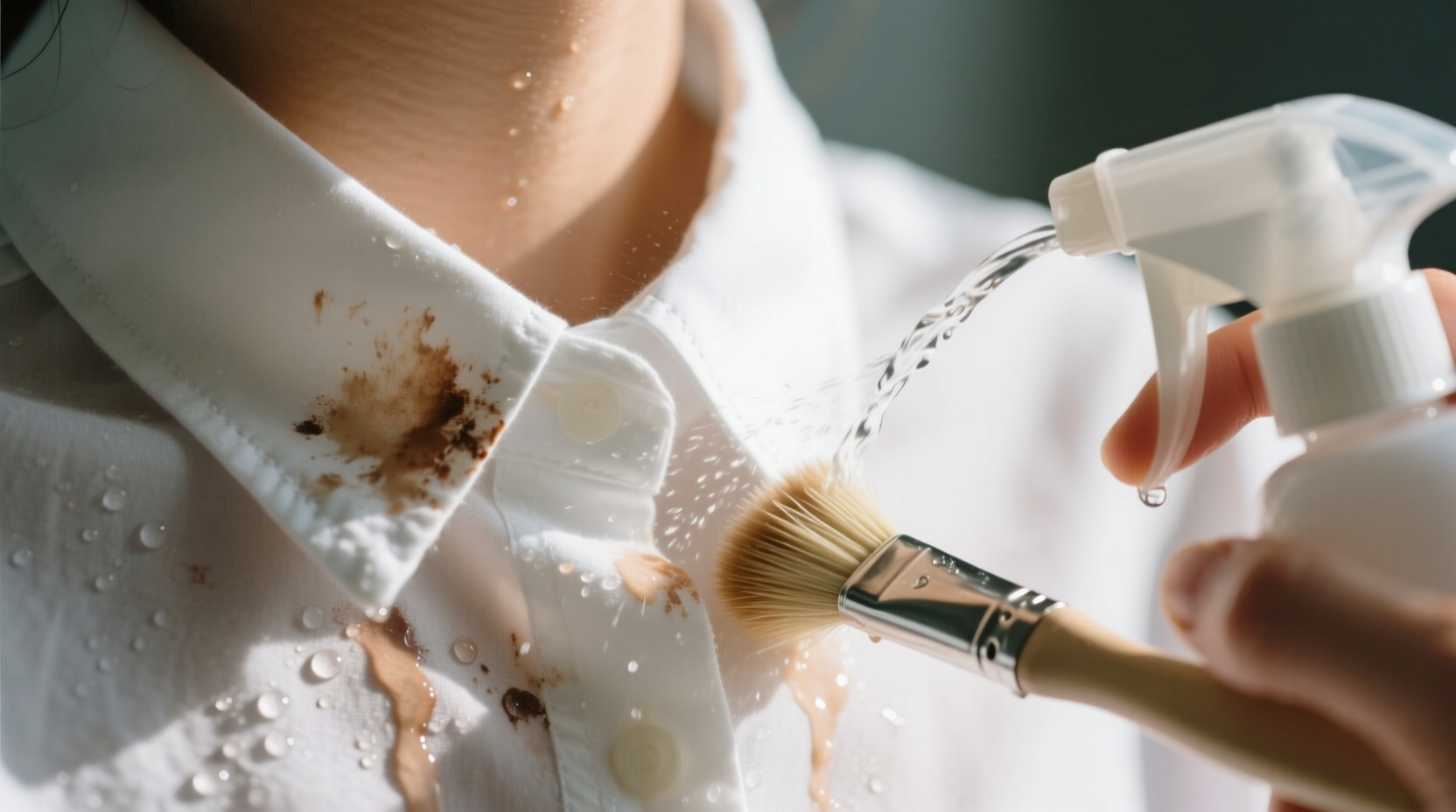
Foundation and other facial cosmetics transfer to shirt collars due to direct contact with the neck and jawline. Even well-blended makeup can migrate over time, especially in warm weather or during long workdays. The issue is compounded by sweat, natural oils, and friction between skin and fabric. Cotton and cotton-blend collars are particularly prone to absorbing these residues, making stains more visible and harder to remove if left untreated.
The waxy, oil-based ingredients in most foundations cling tightly to fibers, resisting plain water. This is why rinsing under the tap rarely works. Instead, targeted cleaning agents that break down oils without damaging fabric are essential.
“Makeup stains aren’t just cosmetic—they can degrade fabric over time if oils sit too long. Immediate spot treatment preserves both appearance and garment lifespan.” — Dr. Lena Patel, Textile Care Scientist
Step-by-Step Guide: Removing Foundation Stains Without Washing the Whole Shirt
Follow this detailed process to effectively lift foundation from your collar while leaving the rest of the shirt untouched.
- Blot Excess Residue
If the stain is fresh, gently blot the area with a clean, dry microfiber cloth. Avoid rubbing, which pushes the product deeper into fibers. - Prepare a Cleaning Solution
Mix one part dish soap (preferably clear, grease-cutting formula) with two parts cool water. Alternatively, use a small amount of liquid laundry detergent diluted the same way. - Apply with Precision
Dip a soft-bristled toothbrush or cotton swab into the solution. Gently dab and lightly scrub the stained area in circular motions, focusing only on the discolored section. - Rinse Locally
Hold the collar under cool running water, or use a damp cloth to rinse the treated area thoroughly. Continue until no soapy residue remains. - Tackle Stubborn Stains with Isopropyl Alcohol
If discoloration persists, apply a small amount of 70% isopropyl alcohol to a cotton pad. Dab (don’t rub) onto the stain. Alcohol dissolves oil-based makeup quickly but evaporates fast, minimizing moisture spread. - Air Dry Flat
Lay the shirt flat or hang it with the collar fully exposed to air. Avoid heat sources like radiators or hairdryers, which can set residual stains. - Inspect and Repeat if Needed
Once dry, check the collar. For persistent marks, repeat the process once more before considering full laundering.
Best Household Products for Spot Treatment
You likely already have effective stain removers at home. These common items are proven to dissolve foundation without harsh chemicals:
- Dish soap – Cuts through oils and is gentle on most fabrics.
- Isopropyl alcohol – Breaks down silicone and wax bases in makeup.
- White vinegar – Mildly acidic, helps lift stains and neutralize odors.
- Baking soda paste – A light abrasive for textured collars; mix with water.
- Hairspray (alcohol-based) – An old-school trick that works in a pinch.
Avoid bleach or heavy-duty stain removers unless absolutely necessary. These can weaken fibers and cause yellowing over time, especially on white cotton.
Do’s and Don’ts When Treating Collar Stains
| Do’s | Don’ts |
|---|---|
| Act quickly after noticing the stain | Wait days to treat the stain |
| Use cool water—hot water sets oil-based stains | Apply hot water or steam directly |
| Blot, don’t rub, to prevent fiber damage | Scrub aggressively with rough brushes |
| Test solutions on inconspicuous areas first | Apply undiluted alcohol or cleaners without testing |
| Air-dry after treatment | Put the shirt in the dryer before the stain is fully gone |
Real Example: Office Worker Saves Dress Shirt Before Presentation
Sarah, a marketing executive, noticed foundation staining on her white collar just before a client presentation. She didn’t have time to wash and iron a new shirt. Instead, she used a cotton swab dipped in diluted dish soap to gently treat the affected area. After a quick rinse with a damp cloth and five minutes of air drying under a fan, the collar looked pristine. She wore the shirt confidently and received compliments on her polished appearance. Sarah now keeps a travel-sized bottle of dish soap and a pack of microfiber cloths in her office drawer for emergencies.
Alternative Methods for Different Fabric Types
Not all shirt collars are created equal. The fabric blend determines which cleaning method works best.
- 100% Cotton: Responds well to dish soap and water. Can tolerate mild alcohol application.
- Polyester Blends: Resist water absorption, so use slightly more alcohol-based solutions. Avoid vinegar, which may leave residue.
- Silk or Silk-Blend Collars: Extremely delicate. Use only a drop of mild shampoo mixed with water and a soft cloth. Never apply alcohol.
- Starched or Formal Shirts: Minimize moisture exposure to preserve stiffness. Dab lightly and avoid soaking.
Prevention: How to Keep Collars Clean Longer
Proactive habits reduce the frequency of stain removal:
- Allow foundation to fully set before dressing—wait at least 5–10 minutes after application.
- Use a setting spray to lock makeup in place and minimize transfer.
- Wear undershirts or collar shields, especially in humid climates.
- Choose matte-finish foundations, which contain less oil than dewy formulas.
- Apply foundation with a sponge or brush instead of fingers to control distribution near the jawline.
“Makeup transfer isn’t inevitable. A few adjustments in your routine can dramatically extend the life of your dress shirts.” — Marcus Reed, Grooming Consultant for Corporate Professionals
Checklist: Quick Collar Rescue Kit
Keep these items on hand for immediate stain response:
- ✅ Small bottle of clear dish soap
- ✅ Cotton swabs or soft toothbrush
- ✅ Microfiber cleaning cloths
- ✅ 70% isopropyl alcohol in a travel-sized container
- ✅ Spray bottle with water
- ✅ Disposable gloves (to protect hands from stains and cleaners)
- ✅ Foldable hanger or drying rack for quick air drying
This kit takes up little space and can be stored at home, in the office, or even in a travel bag for business trips.
Frequently Asked Questions
Can I use baby wipes to remove foundation from my collar?
Baby wipes may lift surface residue but often contain moisturizers and fragrances that can leave behind a sticky film or interact poorly with fabric. They’re better suited for skin than clothing. For reliable results, stick to dish soap or alcohol-based solutions.
Will vinegar damage my white shirt collar?
Distilled white vinegar is generally safe for cotton and polyester blends when diluted (one part vinegar to three parts water). However, repeated use may weaken fibers over time. It’s best reserved for occasional deep cleaning, not daily spot treatment.
How soon should I treat a foundation stain?
Immediately. The longer oils and pigments sit in the fabric, the more they bond with fibers. Fresh stains respond faster and require less aggressive treatment. If you notice a mark during the day, address it as soon as possible—even at your desk with a damp cloth and a bit of soap.
Conclusion: Maintain Professional Appearance with Minimal Effort
Removing foundation stains from white collars doesn’t require a full laundry cycle. With smart techniques and everyday products, you can maintain a sharp, clean look without the hassle. Spot-cleaning saves time, reduces fabric wear, and supports sustainable clothing care. Whether you're preparing for a meeting or recovering from a long day, knowing how to handle makeup transfer empowers you to stay confident and put-together.
💬 Have a go-to method for collar stains? Share your tips in the comments and help others keep their shirts looking flawless!








