Maintaining a stable and healthy saltwater aquarium hinges on precise water parameters, with salinity at the top of the list. Even slight deviations can stress corals, fish, and invertebrates, leading to disease or death. Among the tools available for measuring salinity, refractometers stand out for their accuracy and reliability—when chosen wisely. Unlike floating hydrometers, which are prone to user error and temperature fluctuations, a quality refractometer delivers consistent, laboratory-grade results using just a few drops of water. This guide explores how to select the best refractometer for your reef tank, what features matter most, and how to use it correctly to safeguard your aquatic ecosystem.
Why Salinity Accuracy Matters in Reef Tanks
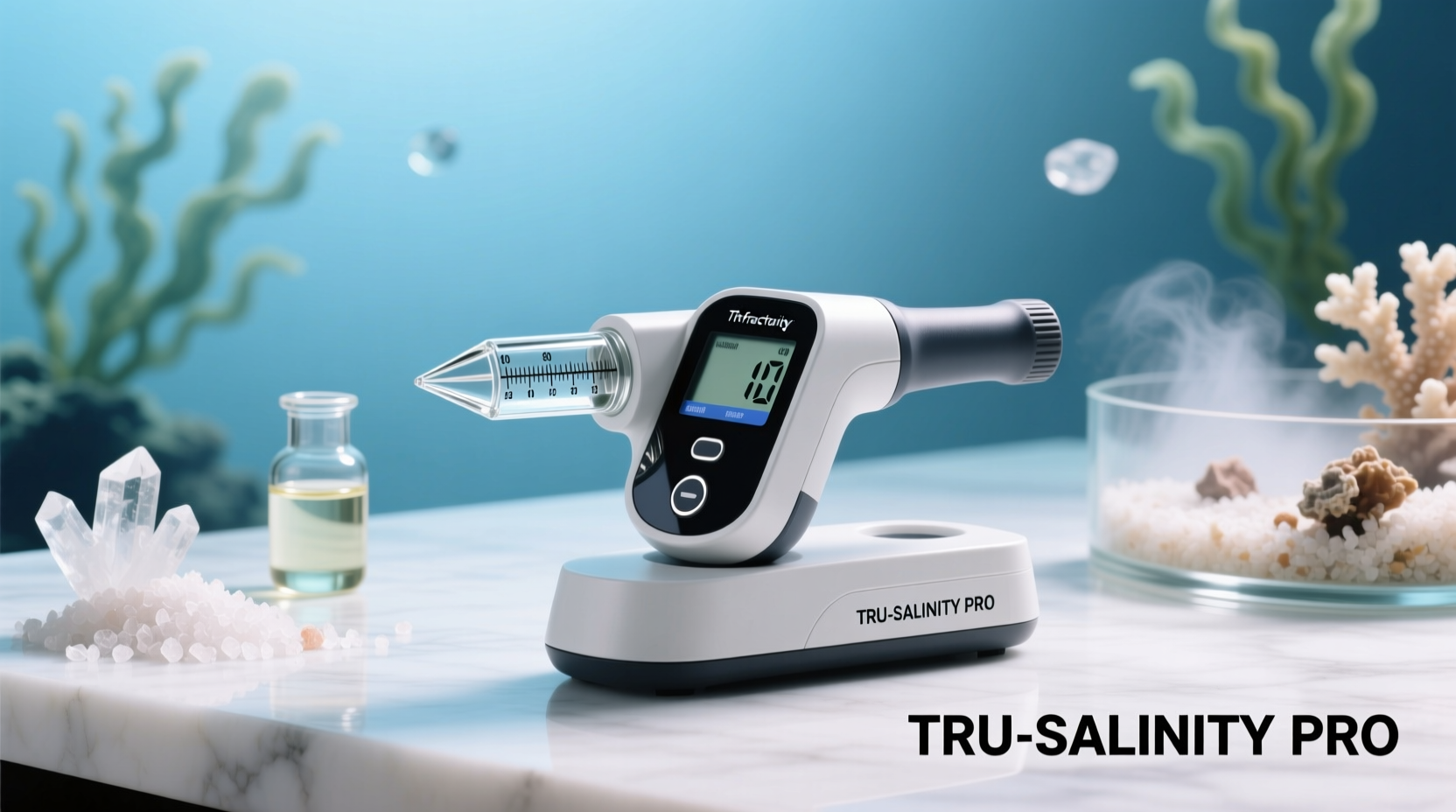
In natural seawater, salinity averages around 35 parts per thousand (ppt), equivalent to a specific gravity of 1.026 at 77°F. In captivity, replicating this balance is critical. Too high, and osmotic stress dehydrates marine organisms; too low, and beneficial bacteria struggle, while parasites thrive. Coral calcification rates, fish gill function, and nutrient uptake all depend on stable salinity.
Refractometers measure how light bends as it passes through a water sample—a principle known as refraction. The degree of bending correlates directly to the concentration of dissolved salts. Because they require only a small sample and are less affected by temperature swings than hydrometers, digital and analog refractometers have become the gold standard among serious reef keepers.
Tip: Always calibrate your refractometer with reverse osmosis (RO) water before each use to ensure accuracy.Key Features of a Reliable Refactometer
Not all refractometers deliver the same performance. Many budget models suffer from poor calibration, inconsistent optics, or lack automatic temperature compensation (ATC), leading to misleading readings. To avoid costly mistakes, focus on these five essential features:
- Automatic Temperature Compensation (ATC): Water temperature affects refractive index. A refractometer with ATC adjusts readings automatically between 50°F and 86°F, eliminating the need for correction charts.
- Calibration Range: Must cover at least 1.000 to 1.040 specific gravity or 0–50 ppt salinity to accommodate both freshwater top-offs and full-strength seawater.
- Precision Optics: High-quality prisms made from optical glass provide clearer readings and longer lifespan compared to plastic lenses.
- Durability and Build Quality: Stainless steel or rugged polymer housing resists corrosion from salt spray and accidental drops.
- Ease of Use: A clear scale, large eyepiece, and simple two-screw calibration make routine checks faster and more reliable.
Top Refractometers Compared
| Model | Type | ATC? | Scale Range | Price Range | Best For |
|---|---|---|---|---|---|
| Reef Masters Digital Refractometer | Digital | Yes | 0–50 ppt / SG 1.000–1.035 | $180–$220 | Precision-focused reefers |
| Tekna Sea Marine Refractometer | Analog | Yes | 0–100 ppt / SG 1.000–1.070 | $60–$80 | Budget-conscious beginners |
| MARINE DEPOT LabGrade Analog | Analog | Yes | SG 1.000–1.040 | $50–$70 | Mid-range accuracy |
| Aquaforest Refractometer | Analog | Yes | SG 1.000–1.040 / 0–50 ppt | $120–$150 | European-standard precision |
| Pinpoint Refractometer | Analog | No | SG 1.000–1.025 | $40–$60 | Casual hobbyists (requires temp correction) |
The Reef Masters digital model leads in accuracy, offering backlit LCD readouts and auto-calibration alerts. However, its price may deter casual users. For most home aquarists, the Tekna Sea or Aquaforest models offer an ideal balance of reliability, ease of use, and value.
“Investing in a high-quality refractometer isn’t optional—it’s foundational. I’ve seen tanks crash due to false readings from cheap hydrometers.” — Dr. Alan Perez, Marine Biologist and Reef Aquarium Consultant
How to Calibrate and Use Your Refractometer Correctly
Even the best instrument fails if used improperly. Follow this step-by-step process to ensure every reading is trustworthy.
- Gather Supplies: RO/DI water, soft microfiber cloth, calibration screwdriver, eye dropper.
- Clean the Prism: Wipe the glass surface with a lint-free cloth. Any residue skews results.
- Apply Calibration Fluid: Place 2–3 drops of RO water on the prism. Close the daylight plate evenly to spread the liquid.
- Hold to Light: Look through the eyepiece toward a bright light source. Do not use laser or direct sunlight.
- Check Zero Point: The boundary between blue and white should align exactly with 1.000 SG or 0 ppt. If not, adjust using the calibration screw.
- Test Aquarium Sample: Rinse the prism, then apply a drop of tank water. Read the result after 30 seconds.
- Clean After Use: Wipe thoroughly with fresh water and dry to prevent salt buildup.
Common Mistakes and How to Avoid Them
- Skipping daily calibration: Temperature changes and storage conditions affect zero points. Always recalibrate before testing.
- Using tap water for cleaning: Minerals in tap water leave deposits. Stick to RO/DI water for rinsing.
- Reading in dim light: Poor illumination distorts the meniscus line. Use natural daylight or a bright LED.
- Ignoring air bubbles: Trapped bubbles under the daylight plate scatter light. Open and close the plate gently to eliminate them.
- Storing wet: Moisture promotes mold and corrosion. Always dry the unit completely before storing.
Mini Case Study: Recovering a Stressed Reef Tank
Mark T., a reef keeper in San Diego, noticed his Acropora colonies were retracting polyps and showing signs of bleaching. His digital monitor indicated stable salinity at 1.025, but he suspected inconsistency. He tested with an old hydrometer—reading 1.022—and then with a newly calibrated Aquaforest refractometer: 1.018. Further investigation revealed a slow leak in his top-off system, diluting the tank over weeks. After correcting the issue and gradually restoring salinity to 1.025 over three days, coral health improved within a week. “I wasted $90 on supplements before realizing the real problem was inaccurate measurement,” Mark said. “Now I calibrate my refractometer every time I test.”
Frequently Asked Questions
Can I use a refractometer designed for beer brewing in my aquarium?
No. Brewing refractometers measure sugar content (Brix) and lack the salinity or specific gravity scales needed for saltwater. They also aren’t calibrated for seawater density and may give misleading results even with conversion calculators.
Do digital refractometers need calibration?
Yes. While many auto-calibrate when powered on, they still require periodic verification with RO water. Some high-end models alert you when calibration drifts beyond acceptable limits.
How often should I replace my refractometer?
A well-maintained unit lasts 5–7 years. Signs it’s time to replace include foggy optics, persistent calibration issues, or physical damage to the prism. Digital models may lose battery efficiency over time.
Essential Care Checklist
- Daily:
- Calibrate with RO water before testing.
- After Each Use:
- Rinse prism with fresh water and dry with microfiber cloth.
- Weekly:
- Inspect for scratches, cloudiness, or salt crust buildup.
- Monthly:
- Verify accuracy against a known standard or secondary device.
- Annually:
- Consider professional servicing or replacement if readings feel inconsistent.
Conclusion: Precision Starts with the Right Tool
Your saltwater aquarium is a delicate, living balance—one that depends on data you can trust. A reliable refractometer isn’t just another gadget; it’s the cornerstone of responsible reef keeping. Whether you choose a premium digital model or a well-reviewed analog version, prioritize accuracy, consistency, and proper maintenance. By integrating regular calibration into your routine and avoiding common pitfalls, you’ll protect your investment and create a thriving underwater world. Don’t guess with salinity—measure with confidence.
🚀 Take action today: Check your current refractometer’s calibration, or research a trusted upgrade. Share your experience or questions in the community forums—your insight could help another reef keeper avoid a costly mistake.








