
Raising a rabbit at home brings joy, companionship, and a touch of whimsy to daily life. But like any pet, rabbits require thoughtful care—especially when it comes to hygiene. One of the most important aspects of rabbit ownership is providing a reliable, spacious litter box that supports their natural instincts while fitting seamlessly into your living space. Unlike cats or dogs, rabbits are naturally inclined to use specific corners for elimination, making litter training highly effective when the right tools are in place.
A well-chosen litter box does more than contain mess—it promotes health, reduces stress, and strengthens the bond between you and your pet. Yet many owners struggle with boxes that are too small, poorly designed, or incompatible with their home layout. The solution lies not in compromise, but in selecting a litter system tailored to both your rabbit’s needs and your household’s practicalities.
Why Size and Stability Matter in Bunny Litter Boxes
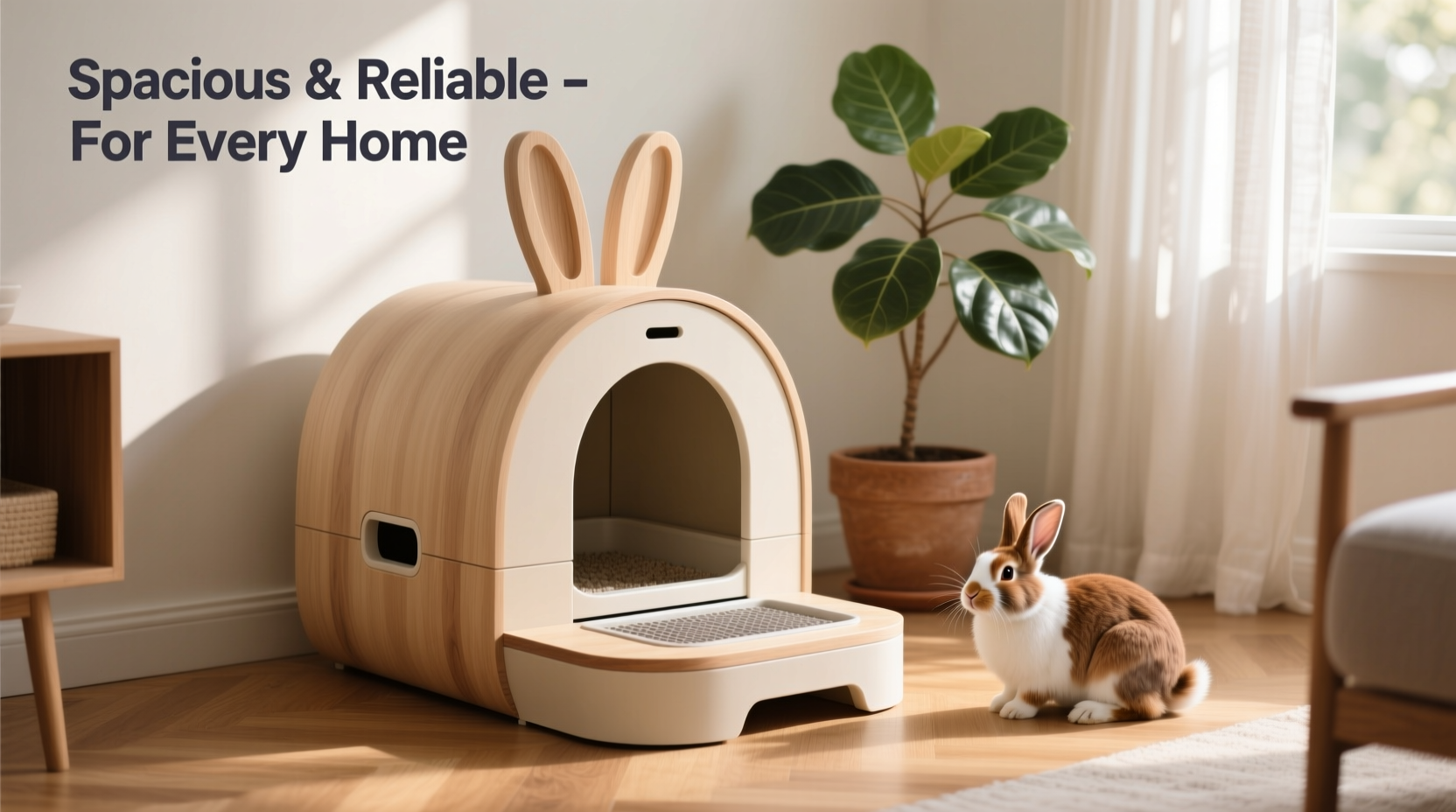
Rabbits aren’t just small pets—they’re active, curious animals that move with surprising force. A flimsy or undersized litter box can quickly become ineffective, tipping over during use or failing to contain waste. Spaciousness is critical: rabbits often prefer to urinate and defecate in separate areas within the same zone, and they may also like to sit or even nap near their box if it feels safe.
The ideal litter box should be at least 1.5 times the length of your rabbit when fully stretched out. For medium-sized breeds like Holland Lops or Mini Rex, this typically means a minimum of 16 x 24 inches. Larger breeds such as Flemish Giants may need custom solutions exceeding 24 x 30 inches. Depth is equally important; high sides (at least 6–8 inches) prevent urine splash and bedding scatter.
Tip: Repurpose large storage bins or under-bed containers—they’re deep, durable, and easy to modify with entry ramps.Top Materials and Designs for Long-Term Use
Not all litter boxes are created equal. While some pet stores sell shallow, decorative options marketed for rabbits, these often fall short in functionality. Durable plastic remains the top choice due to its resistance to moisture, ease of cleaning, and affordability. However, material alone isn’t enough—design plays a pivotal role.
Corner litter boxes maximize space in smaller rooms by utilizing unused angles. Open-top designs with one lowered side allow easy access, especially for older or arthritic bunnies. Some owners opt for modified cat litter trays with one side cut down, though pre-made rabbit-specific models from brands like Oxbow or Small Pet Select offer better proportions out of the box.
For homes prioritizing aesthetics, consider discreet enclosures that double as furniture—such as ottomans with hidden compartments or repurposed side tables fitted with removable trays. These maintain cleanliness without sacrificing interior design.
| Material | Pros | Cons |
|---|---|---|
| High-Density Plastic | Durable, waterproof, easy to clean | Limited aesthetic appeal |
| Wood (sealed) | Attractive, blends with décor | Harder to sanitize, risk of warping |
| Recycled Composite | Eco-friendly, sturdy | More expensive, less common |
Step-by-Step Guide to Setting Up an Effective Litter System
- Choose the right location: Place the litter box in a quiet corner where your rabbit already shows bathroom behavior—often near walls or behind furniture.
- Select a spacious, stable container: Ensure it won’t tip when your rabbit hops in or kicks bedding.
- Add absorbent, safe litter: Use paper-based or aspen shavings; avoid clay, clumping, or pine/cedar products.
- Layer with hay: Place fresh timothy hay on top or in a attached rack—rabbits like to eat while eliminating.
- Introduce gradually: Confine your rabbit to a smaller area initially, expanding freedom as consistency improves.
- Clean regularly: Spot-clean daily, replace litter completely 1–2 times per week.
“Rabbits thrive on routine. A consistent, well-placed litter setup reduces anxiety and prevents territorial marking.” — Dr. Lena Torres, Exotic Animal Veterinarian
Real-Life Example: From Messy Hopper to House-Trained Companion
Sarah, a pet owner in Portland, adopted a rescue rabbit named Thistle who had never used a litter box. At first, accidents occurred throughout her studio apartment. After consulting a rabbit-savvy vet, she replaced the shallow tray with a 20x30-inch plastic storage bin modified with a 4-inch entrance ramp. She filled it with recycled paper pellets and added a hay feeder on top.
Within ten days, Thistle began using the box consistently. By placing it in the corner he naturally favored and reinforcing success with treats, Sarah transformed his habits. Now, Thistle has free roam of the apartment, and the single large litter box handles all his needs—proving that space, placement, and patience make all the difference.
Essential Checklist for Choosing Your Bunny’s Litter Box
- ✅ Dimensions accommodate full-body stretch
- ✅ High sides to prevent splashes and scatter
- ✅ Stable base that resists tipping
- ✅ Easy to clean and disinfect weekly
- ✅ Compatible with safe, non-toxic litter
- ✅ Accessible entry for young, old, or disabled rabbits
- ✅ Fits naturally into your home layout
Frequently Asked Questions
Can I use a regular cat litter box for my rabbit?
Some standard cat litter boxes work if they’re large enough and have a low entry point. However, many are too narrow or short-sided. Rabbit-specific or modified versions often perform better long-term.
How do I stop my rabbit from kicking litter out?
Use deeper boxes (8+ inches), place a rubber mat around the exterior, and avoid lightweight litters that scatter easily. Adding a second barrier, like a low lip on the exit side, can also help contain debris.
Do rabbits need more than one litter box?
In larger homes or multi-level setups, yes. Rabbits appreciate having multiple designated zones, especially if they roam freely. Place boxes in commonly used corners or resting areas.
Odor Control and Maintenance Tips
Even the best-designed litter box can become a source of odor if not maintained properly. Urine buildup leads to ammonia smells, which can irritate your rabbit’s respiratory system. To prevent this:
- Spot-clean urine-soaked spots daily using a vinegar-water solution (1:1 ratio).
- Avoid ammonia-based cleaners—they mimic urine scent and may encourage re-marking.
- Replace soiled litter entirely every 5–7 days, depending on usage.
- Ensure ventilation in the room without creating drafts near the cage.
- Use odor-absorbing liners like baking soda beneath the litter (in moderation).
Final Thoughts: Building a Cleaner, Happier Home for You and Your Bunny
A reliable and spacious litter box isn’t just about convenience—it’s a cornerstone of responsible rabbit care. When thoughtfully selected and properly maintained, it supports your pet’s physical health, mental comfort, and behavioral well-being. Whether you live in a compact apartment or a sprawling house, there’s a practical, effective solution that aligns with your lifestyle.
The key is to prioritize function without sacrificing integration into your home environment. With the right dimensions, materials, and setup strategy, you can enjoy a cleaner space and a more confident, contented rabbit.
💬 Have a litter box success story or creative DIY setup? Share your experience with fellow rabbit lovers—your insight could inspire someone else’s breakthrough!








