Red eye bags—characterized by swollen, discolored skin under the eyes—are a common cosmetic concern affecting people of all ages. While often mistaken for simple fatigue, the causes are multifaceted, ranging from lifestyle habits to underlying health conditions. Understanding why they appear is the first step toward effective treatment. This guide explores the science behind red eye bags, evaluates both at-home remedies and clinical solutions, and offers practical steps to restore a refreshed, youthful appearance.
What Causes Red Eye Bags?
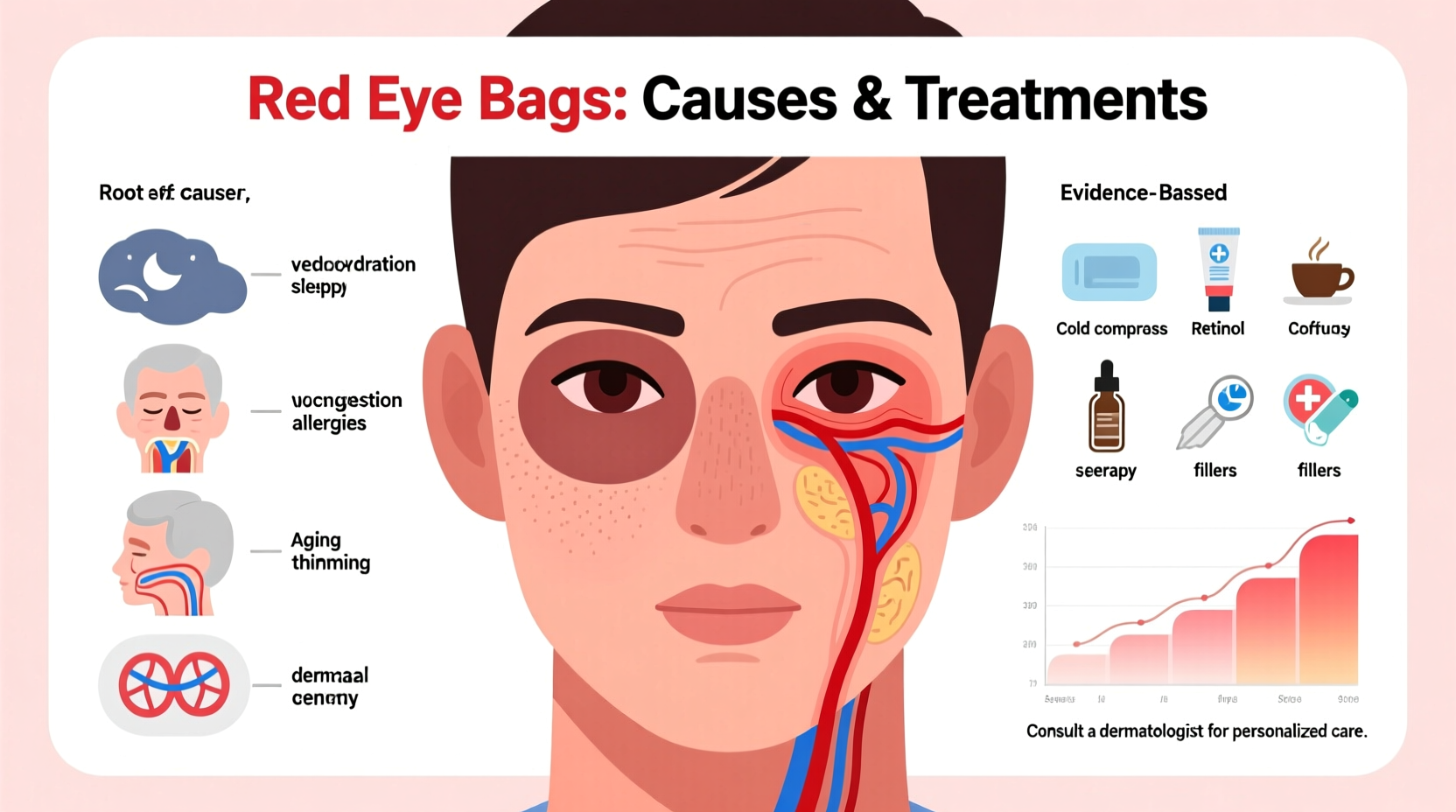
Redness and puffiness under the eyes stem from visible blood vessels, inflammation, or pooling of blood in the delicate periorbital area. The skin here is among the thinnest on the body, making it highly susceptible to changes in circulation, fluid retention, and irritation.
- Lack of Sleep: Inadequate rest disrupts normal circulation, leading to dilated blood vessels and dark, reddish tones.
- Allergies: Seasonal or environmental allergens trigger histamine release, causing inflammation and increased blood flow.
- Dietary Factors: High sodium intake leads to water retention, while alcohol and caffeine can dehydrate the skin, worsening discoloration.
- Aging: As collagen and elastin decline, the skin weakens and fat pads beneath the eyes may shift forward, creating puffiness with visible vasculature.
- Genetics: Some individuals inherit thinner under-eye skin or predispositions to vascular prominence.
- Rubbing the Eyes: Mechanical irritation increases blood flow and can damage capillaries over time.
- Dehydration: When the body lacks sufficient fluids, the skin appears dull and sunken, making underlying vessels more apparent.
Treatments That Work: From Home Remedies to Medical Options
Effective treatment depends on identifying the root cause. A combination of lifestyle adjustments and targeted therapies typically yields the best results.
Natural and At-Home Treatments
For mild cases, non-invasive methods can significantly reduce redness and swelling:
- Cold Compresses: Applying a chilled spoon or damp cloth constricts blood vessels, reducing redness and puffiness.
- Cucumber Slices: Their natural antioxidants and cooling effect soothe irritated skin.
- Tea Bags (Green or Black): Caffeine and tannins help tighten skin and reduce inflammation. Use cooled, brewed bags for 10–15 minutes.
- Hydration: Drinking adequate water flushes out excess sodium and improves skin elasticity.
- Vitamin K Creams: Topical applications may strengthen capillaries and support blood vessel integrity.
Clinical Treatments
When home care isn’t enough, dermatologists offer advanced interventions:
- Laser Therapy: Targets broken capillaries and stimulates collagen production. Pulsed dye lasers are particularly effective for vascular redness.
- Chemical Peels: Light peels containing kojic acid or azelaic acid can even out skin tone and reduce pigmentation.
- Fillers: Hyaluronic acid injections restore volume loss, smoothing hollow areas that cast shadows and amplify redness.
- Blepharoplasty: Surgical removal or repositioning of fat pads is a long-term solution for severe under-eye bags.
“Persistent redness under the eyes should not be ignored. It can indicate allergies, thyroid issues, or chronic sleep deprivation.” — Dr. Lena Patel, Board-Certified Dermatologist
Do’s and Don’ts: A Quick Reference Table
| Do | Don’t |
|---|---|
| Use fragrance-free moisturizers | Apply heavy makeup to mask redness |
| Wear sunglasses outdoors to reduce squinting | Rub or pull at the under-eye area |
| Treat allergies promptly with antihistamines | Consume excessive salt before bedtime |
| Sleep on your back with an extra pillow | Stay up late regularly |
| Visit a dermatologist for persistent symptoms | Self-diagnose or use steroid creams without medical guidance |
Step-by-Step Plan to Reduce Red Eye Bags
Consistency is key. Follow this seven-day action plan to begin reversing under-eye redness:
- Day 1: Assess your current routine. Note sleep duration, salt intake, and any allergy symptoms.
- Day 2: Eliminate processed foods high in sodium and increase water intake to at least 2 liters.
- Day 3: Begin nightly cold compress therapy for 10 minutes after cleansing.
- Day 4: Introduce a vitamin C serum in the morning and a retinol cream at night (patch test first).
- Day 5: Wash bedding in hypoallergenic detergent and replace old pillows.
- Day 6: Spend 20 minutes outdoors during daylight to regulate circadian rhythm and reduce eye strain.
- Day 7: Evaluate progress. If no improvement, consider consulting a specialist.
Real-Life Example: How Sarah Reduced Her Chronic Eye Redness
Sarah, a 34-year-old teacher, struggled with persistent red eye bags for over two years. She assumed it was due to stress and lack of sleep. After trying multiple concealers and eye gels with little success, she visited a dermatologist. Testing revealed undiagnosed seasonal allergies and early signs of periorbital venous congestion.
Her treatment plan included daily antihistamines during pollen season, switching to a fragrance-free skincare line, and twice-weekly use of a cold jade roller. Within six weeks, her under-eye redness diminished significantly. “I didn’t realize my laundry detergent was part of the problem,” she said. “Once I changed it and managed my allergies, the difference was dramatic.”
Frequently Asked Questions
Can red eye bags be a sign of a serious health issue?
In most cases, red eye bags are benign and related to lifestyle or aging. However, persistent swelling accompanied by pain, vision changes, or systemic symptoms like fatigue could indicate thyroid disorders, kidney problems, or autoimmune conditions. Consult a physician if symptoms persist beyond a few weeks despite lifestyle changes.
Are red eye bags different from dark circles?
Yes. Dark circles are typically brown or blue-gray and caused by pigmentation or shadowing from volume loss. Red eye bags specifically involve inflammation, visible capillaries, or allergic reactions. However, both can coexist and share triggers like poor sleep and dehydration.
How long does it take to see results from treatments?
At-home remedies may show subtle improvements in 1–2 weeks. Clinical treatments like laser therapy require 3–6 sessions spaced weeks apart, with full results visible after 2–3 months. Consistency and proper aftercare are critical for lasting outcomes.
Final Steps Toward Clearer, Healthier-Looking Eyes
Red eye bags are more than a cosmetic nuisance—they’re often a signal from your body asking for better care. Whether the cause is as simple as too much salt or as complex as chronic allergies, the path to improvement begins with awareness and action. Small daily habits—like staying hydrated, protecting delicate skin, and prioritizing quality sleep—add up to significant change over time.
For those with persistent concerns, professional evaluation opens doors to targeted, effective solutions. Don’t settle for temporary fixes when long-term clarity is within reach.
🚀 Start today: Pick one habit from this guide—drink more water, try a cold compress, or schedule a dermatology consult—and take the first step toward brighter, healthier eyes.








