The delicate skin beneath the eyes is one of the thinnest and most sensitive areas on the face. When it becomes red and dry, it can cause discomfort, irritation, and affect your overall appearance. Unlike other facial zones, this area lacks oil glands, making it prone to moisture loss and environmental damage. Understanding the root causes—and how to effectively treat and prevent flare-ups—is essential for maintaining a refreshed, healthy look.
Why the Under-Eye Area Is So Vulnerable
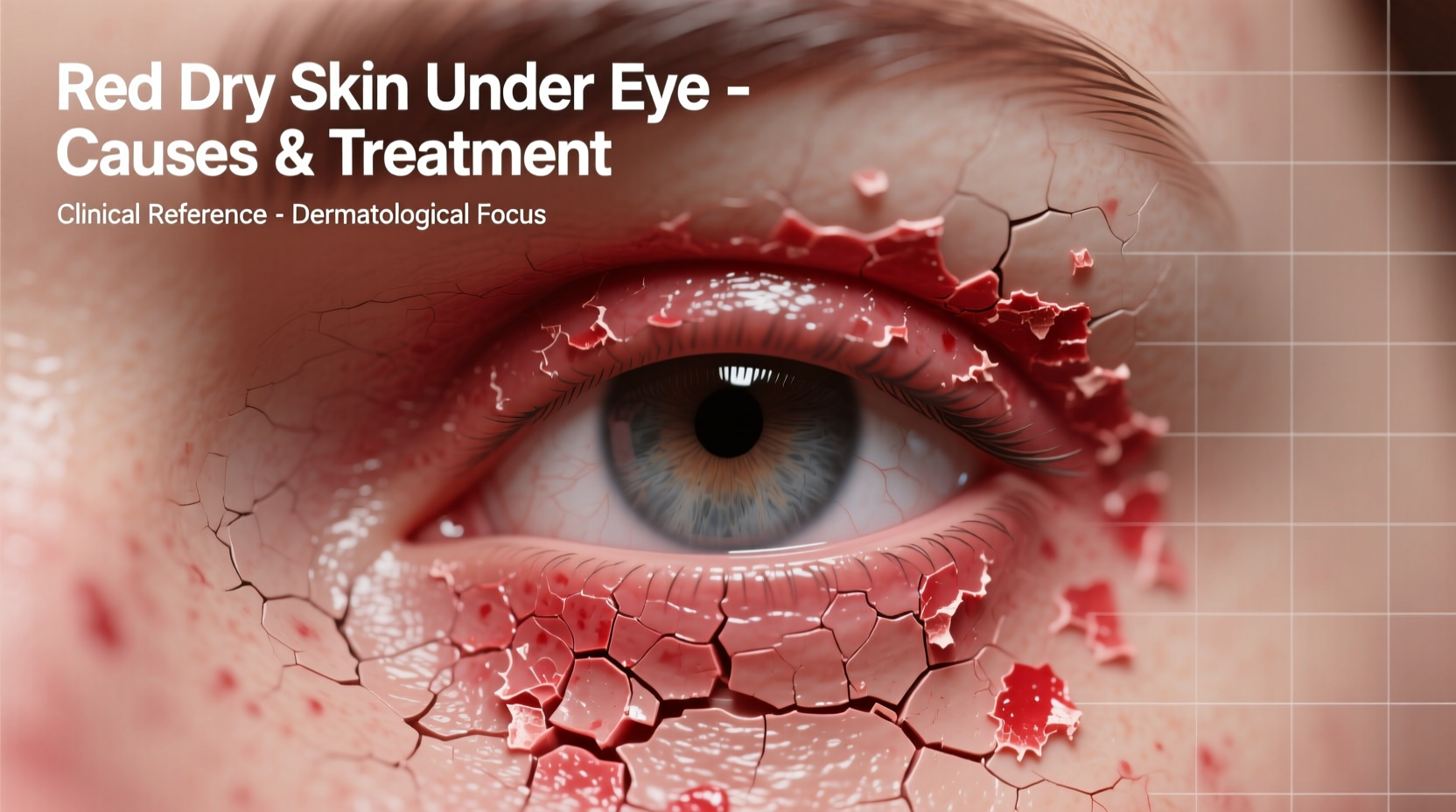
The skin under the eyes is only about 0.5 mm thick—up to ten times thinner than the rest of the face. This structural delicacy makes it highly reactive to internal imbalances and external stressors. It’s also rich in blood vessels, which can become more visible when inflammation or dehydration occurs, contributing to redness and darkening.
Because this region has fewer sebaceous (oil) glands, it produces less natural lubrication. Without sufficient moisture retention, the skin quickly becomes dry, flaky, and tight. Environmental aggressors like wind, pollution, and indoor heating further strip moisture, while habits such as rubbing the eyes or using harsh skincare products can worsen irritation.
Common Causes of Red Dry Skin Under the Eyes
- Allergic reactions: Seasonal allergies, pet dander, dust mites, or cosmetic ingredients (fragrances, preservatives) can trigger contact dermatitis.
- Eczema (atopic dermatitis): A chronic condition causing dry, itchy, inflamed patches, often affecting the eyelids and under-eye area.
- Overuse of active skincare ingredients: Retinoids, AHAs, and vitamin C serums applied too close to the eyes can cause irritation if not diluted or used sparingly.
- Environmental exposure: Cold weather, low humidity, UV radiation, and air conditioning dry out the skin rapidly.
- Poor sleep and fatigue: Lack of rest compromises skin barrier function and increases inflammation.
- Dietary deficiencies: Low intake of essential fatty acids, vitamin A, B6, B12, and zinc can impair skin health.
- Dehydration: Not drinking enough water reduces skin elasticity and moisture levels.
Effective Treatments and Relief Strategies
Relief begins with identifying whether the issue is temporary (such as from weather or product overuse) or part of a chronic condition like eczema. Either way, restoring hydration and strengthening the skin barrier are key priorities.
Gentle Cleansing Routine
Use fragrance-free, non-foaming cleansers that don’t disrupt the skin’s pH. Avoid hot water, which strips natural oils. Pat the face dry—never rub.
Hydration-Focused Skincare
Incorporate hydrating ingredients known for their soothing and moisturizing properties:
- Hyaluronic acid: Attracts and holds up to 1,000 times its weight in water.
- Ceramides: Rebuild the skin’s protective lipid barrier.
- Squalane: A lightweight, non-comedogenic oil that mimics natural sebum.
- Niacinamide (5% concentration): Reduces redness and improves moisture retention.
“Patients with persistent under-eye dryness often benefit from switching to minimalist routines. Less is more when treating this fragile zone.” — Dr. Lena Torres, Board-Certified Dermatologist
Overnight Recovery Methods
Apply a thicker occlusive layer at night to lock in moisture. Options include:
- A pea-sized amount of petroleum jelly (if not acne-prone).
- Breathable eye-specific ointments containing shea butter or jojoba oil.
- Prescription barrier repair creams for diagnosed eczema.
Step-by-Step Treatment Plan for Red, Dry Under-Eyes
- Stop using potential irritants: Pause retinoids, exfoliants, and fragranced products around the eyes for at least 7 days.
- Cleanse gently: Use a milky, soap-free cleanser morning and night.
- Hydrate immediately after cleansing: Apply a hyaluronic acid serum to damp skin.
- Moisturize twice daily: Choose an eye cream with ceramides and squalane.
- Apply sunscreen every morning: Use a mineral-based SPF 30+ formula without chemical filters like oxybenzone.
- Humidify your bedroom: Run a cool-mist humidifier at night to combat dry indoor air.
- Monitor improvement: If no change within 10–14 days, consult a dermatologist.
Do’s and Don’ts: Quick Reference Table
| Do’s | Don’ts |
|---|---|
| Use fragrance-free, hypoallergenic eye creams | Use bar soaps or foaming cleansers near the eyes |
| Wear sunglasses outdoors to shield skin from UV and wind | Rub or scratch irritated skin |
| Stay hydrated—aim for 2 liters of water daily | Apply heavy makeup over inflamed skin |
| Treat allergies promptly with antihistamines if needed | Share skincare products or use expired items |
| Replace pillowcases every 3–4 days to reduce allergen buildup | Use alcohol-based toners near the eyes |
Real-Life Example: Managing Chronic Under-Eye Irritation
Sophie, a 34-year-old teacher, struggled with recurring redness and peeling under her left eye for months. She assumed it was seasonal allergies but noticed worsening after starting a new anti-aging serum. After visiting a dermatologist, she learned she had developed allergic contact dermatitis from a fragrance ingredient in the product. The doctor advised discontinuing all fragranced skincare, prescribed a short course of mild topical corticosteroid ointment, and recommended a fragrance-free routine centered on ceramide-rich moisturizers. Within three weeks, her skin healed completely. Sophie now reads labels carefully and avoids anything with “parfum” or undisclosed scent blends.
When to See a Doctor
While most cases resolve with proper care, seek professional help if you experience:
- Cracking, bleeding, or oozing skin
- Persistent swelling or warmth
- Vision changes or pain in the eye
- No improvement after two weeks of consistent home care
A board-certified dermatologist can perform patch testing to identify allergens or prescribe medicated creams such as tacrolimus (for eczema) or low-potency steroids for short-term use.
FAQ: Common Questions About Under-Eye Dryness
Can lack of sleep really cause dry, red skin under the eyes?
Yes. Poor sleep disrupts skin barrier recovery and increases cortisol levels, leading to inflammation and transepidermal water loss. Consistent rest supports natural repair processes overnight.
Is it safe to use regular face moisturizer under the eyes?
Some are suitable, but many facial moisturizers contain active ingredients or textures too heavy or irritating for the eye area. It's safer to use a dedicated eye cream formulated for sensitivity and absorption.
Can diet affect under-eye dryness?
Absolutely. Omega-3 fatty acids (found in salmon, chia seeds, walnuts), vitamin E (nuts, spinach), and adequate protein support skin integrity. Deficiencies in these nutrients may contribute to dryness and slow healing.
Final Thoughts: Prevention Is Long-Term Protection
Maintaining healthy under-eye skin requires consistency and mindfulness. Simple daily choices—like choosing gentle products, protecting against sun exposure, staying hydrated, and managing allergies—can prevent flare-ups before they start. The goal isn’t just symptom relief but building resilience in one of your face’s most expressive areas.
💬 Have you found a solution that worked for your under-eye dryness? Share your experience in the comments to help others navigate this common concern.








