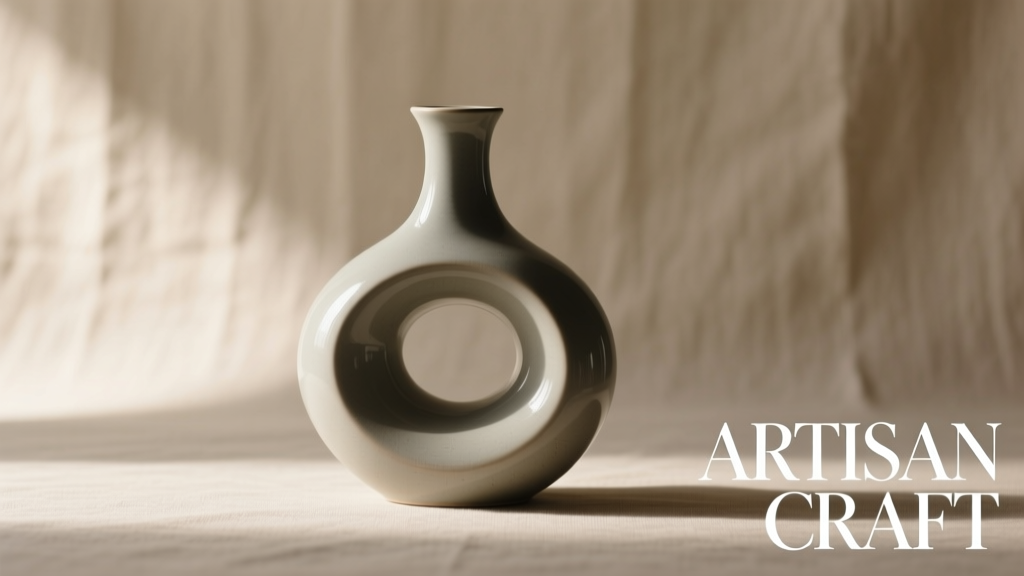
Types of Layered Eco-Friendly Ramen Bowls
A layered eco-friendly ramen bowl combines sustainable materials with innovative design to deliver both functionality and environmental responsibility. These bowls are increasingly popular among environmentally conscious consumers who value durability, aesthetic appeal, and non-toxic materials. The layering technique not only enhances visual beauty but also improves structural integrity and thermal performance.
The three most common types—ceramic, bamboo fiber, and melamine—each offer unique benefits based on their material composition, manufacturing process, and ecological footprint. Understanding their differences helps you choose the best option for your lifestyle, whether you prioritize elegance, sustainability, or rugged practicality.
Ceramic Layered Eco-Friendly Ramen Bowl
Crafted from natural clay and finished with multiple layers of eco-conscious glaze, this bowl blends tradition with modern sustainability.
Advantages
- Excellent heat retention for warm ramen
- Timeless, elegant appearance with unique layered glaze designs
- Made with lead-free, non-toxic, and food-safe glazes
- Highly durable with resistance to chipping and cracking
- Fully recyclable at end of life
Limitations
- Heavier than alternative materials
- Can break if dropped on hard surfaces
- Higher production energy cost compared to plant-based options
Best for: Home dining, gift-giving, slow meals where temperature retention matters
Bamboo Fiber Layered Eco-Friendly Ramen Bowl
Made from rapidly renewable bamboo fibers and bound with natural resins, this bowl features a striking layered pattern achieved through eco-conscious dyeing and compression techniques.
Advantages
- Completely plastic-free and biodegradable
- Extremely lightweight and portable
- Sustainable sourcing—bamboo grows up to 3 feet per day
- Stunning natural grain patterns enhanced by layered dyes
- Durable enough for daily use while remaining compostable
Limitations
- Not suitable for microwave or dishwasher in all cases (check manufacturer guidelines)
- May absorb odors over time without proper care
- Less heat-resistant than ceramic
Best for: Zero-waste lifestyles, outdoor use, families, eco-conscious kitchens
Melamine Layered Eco-Friendly Ramen Bowl
Engineered from melamine resin with artistic layered coloring, this bowl offers vibrant aesthetics and exceptional resilience for active environments.
Advantages
- Highly resistant to breaking, chipping, and cracking
- Ideal for outdoor dining, picnics, camping, and travel
- Glossy, easy-to-clean surface resists stains and odors
- Vibrant, long-lasting layered designs that won’t peel or fade
- Lower environmental impact than traditional petroleum-based plastics
Limitations
- Not microwave-safe due to resin composition
- Not biodegradable—requires responsible disposal or recycling
- Can release harmful compounds if burned or overheated
Best for: Active households, outdoor adventures, children’s meals, commercial use
| Type | Eco-Friendliness | Durability | Heat Retention | Best Use Case |
|---|---|---|---|---|
| Ceramic | High (non-toxic, recyclable) | High | Excellent | Indoor dining, slow meals, giftware |
| Bamboo Fiber | Very High (biodegradable, renewable) | Medium-High | Good | Sustainable living, everyday use, eco-kitchens |
| Melamine | Moderate (low-impact plastic, durable) | Very High | Fair | Outdoor use, travel, family meals |
Expert Tip: To extend the life of your eco-friendly ramen bowl, hand wash with mild soap and avoid sudden temperature changes—especially with ceramic and melamine. Store in a dry place to prevent moisture buildup and staining.
Designs of Layered Eco-Friendly Ramen Bowls
When selecting a ramen bowl, design plays a pivotal role in both aesthetics and functionality. Today’s eco-conscious consumers are not only looking for sustainable materials but also for thoughtful design that enhances their dining experience. Layered eco-friendly ramen bowls come in a variety of styles—each offering unique visual appeal, tactile qualities, and practical benefits. From minimalist elegance to culturally rich motifs, these designs reflect a blend of artistry and environmental responsibility.
Minimalistic Design
Less is more perfectly encapsulates the philosophy behind minimalistic ramen bowls. These designs emphasize clean lines, smooth surfaces, and solid, natural tones—often inspired by earthy hues like sand, charcoal, or moss green. The absence of decorative elements creates a serene and uncluttered appearance.
Functionally, minimalism shines. These bowls are exceptionally easy to clean due to their smooth, non-porous finishes, making them ideal for everyday use. Their timeless aesthetic allows them to seamlessly integrate into a wide range of dining settings—not just for ramen, but also for soups, grain bowls, or even desserts.
Beyond utility, minimalistic bowls promote mindfulness and intentionality in eating, aligning with slow food and sustainable living movements. They appeal to those who value simplicity, sustainability, and modern elegance.
Geometric Patterned Design
For those drawn to contemporary or urban interiors, geometric patterned ramen bowls offer a bold and modern statement. Featuring sharp angles, repeating lines, or abstract shapes, these designs add visual depth and dynamic energy to the table.
The patterns are created using a precision layering technique during the manufacturing process. This not only enhances the bowl’s visual texture but also provides a subtle grip, improving handling and reducing the risk of slipping—especially when serving hot meals.
Each geometric motif is applied using non-toxic, plant-based dyes that are safe for food contact and biodegradable. This ensures the bowl remains eco-friendly without sacrificing style. The playful yet structured design also encourages creative food presentation, making meals more engaging and Instagram-worthy.
Traditional Japanese Motif Design
Infused with cultural heritage, ramen bowls adorned with traditional Japanese motifs bring a sense of artistry and storytelling to the dining table. Common patterns include seigaiha (wave patterns), sakura (cherry blossoms), and tsuru (cranes), each symbolizing elements like harmony, transience, and longevity.
These intricate designs are hand-painted or digitally printed using eco-conscious inks and then sealed with a food-safe, glossy glaze. The finish enhances color vibrancy while protecting the artwork from wear, ensuring the bowl remains a beautiful heirloom piece over time.
More than just decorative, these bowls serve as a bridge between modern dining and traditional craftsmanship. They’re perfect for themed meals, special occasions, or anyone seeking to honor Japanese culinary culture. The layered construction also reinforces durability, making them suitable for both home and commercial use.
Ombre Layered Design
The ombre layered design is a masterclass in subtle elegance. It features a smooth gradient transition between two or more colors—such as deep indigo fading into soft sky blue, or warm terracotta blending into cream. This effect mimics natural phenomena like sunsets or ocean tides, creating a calming visual experience.
Achieved through a meticulous layering process during molding, the ombre effect is not merely surface-deep. The color gradient is embedded within the material itself, ensuring it won’t peel or fade over time. This technique also enhances structural integrity, as the layered composition increases resistance to chipping and thermal stress.
These bowls effortlessly elevate both casual weeknight dinners and formal gatherings. Their soothing aesthetic complements a variety of cuisines and table settings, while the eco-friendly materials ensure sustainability is never compromised. They’re especially popular among wellness-focused consumers who appreciate beauty in balance and nature-inspired design.
| Design Type | Key Features | Ideal For |
|---|---|---|
| Minimalistic | Smooth finish, solid colors, easy to clean, versatile | Daily use, modern kitchens, multi-cuisine settings |
| Geometric Patterned | Bold shapes, textured grip, non-toxic dyes, contemporary style | Urban homes, creative plating, gift items |
| Traditional Japanese Motif | Intricate art, cultural symbolism, glossy finish, durable layers | Authentic ramen nights, cultural events, collectors |
| Ombre Layered | Color gradients, embedded design, enhanced durability, calming aesthetic | Wellness-focused dining, formal and casual settings |
Important: All designs are crafted using sustainably sourced, biodegradable, or compostable materials such as bamboo fiber, rice husk, or plant-based resins. Always hand wash with mild soap to preserve the finish and extend the life of your bowl. Avoid microwave and dishwasher use unless explicitly stated by the manufacturer to maintain both safety and longevity.
How to Choose a Layered Eco-Friendly Ramen Bowl
Selecting the ideal eco-friendly ramen bowl goes beyond aesthetics—it's about aligning product choices with sustainability, functionality, and customer values. Whether you're sourcing for a restaurant, retail store, or personal use, understanding key selection criteria ensures you invest in bowls that are durable, safe, and environmentally responsible.
Durability & Thermal Resistance
Durability is essential for any ramen bowl, especially when serving hot noodles and boiling broth. The best eco-friendly options withstand repeated use without cracking, chipping, or degrading.
- Bamboo composite bowls offer excellent resilience and natural insulation, making them ideal for daily use
- Tempered glass resists thermal shock and maintains clarity over time, perfect for showcasing layered ramen ingredients
- Ceramic options should be thick-walled and kiln-fired to prevent cracking from sudden temperature changes
- Melamine alternatives made from plant-based resins provide shatter resistance while remaining biodegradable
Key consideration: Look for products labeled "thermal shock resistant" and avoid thin-walled ceramics for hot food service.
Material Sustainability & Safety
The environmental impact of the bowl's material is a major factor in eco-conscious purchasing. Sustainable sourcing, low carbon footprint, and non-toxic composition are critical.
- Choose bowls made from rapidly renewable resources like bamboo, rice husk, or sugarcane fiber (bagasse)
- Ensure glazes and finishes are lead-free and BPA-free, especially for ceramic and glazed bamboo products
- Prioritize compostable or recyclable materials to reduce landfill waste
- Verify if the manufacturing process uses low-energy methods and water-based adhesives
Pro tip: Ask suppliers for certifications like FSC (Forest Stewardship Council) or BPI (Biodegradable Products Institute).
Customer Preferences & Aesthetic Appeal
Understanding your customers’ tastes helps you select bowls that enhance their dining experience while reflecting your brand’s identity.
- Eco-conscious diners often prefer minimalist, natural designs with earthy tones and organic textures
- Others may appreciate traditional Japanese motifs—such as wave patterns, cherry blossoms, or calligraphy—for an authentic ramen experience
- Modern cafes might opt for geometric patterns or bold colors to stand out on social media
- Consider offering a mix of styles to appeal to diverse demographics
Critical insight: A bowl’s visual appeal can influence perceived flavor and overall satisfaction—design matters.
Functional Purpose & Usage Context
The intended use of the bowl should guide your selection. Not all eco-friendly bowls are suitable for every setting.
- For daily home or restaurant use, prioritize microwave-safe, dishwasher-safe, and stackable designs
- For outdoor events or takeout, lightweight, shatterproof materials like bamboo fiber or molded pulp are ideal
- For decorative or gift purposes, delicate ceramic or handcrafted pieces with artistic finishes may be preferred
- For commercial kitchens, durability and ease of cleaning are top priorities
Smart choice: Multi-functional bowls that transition from kitchen to table increase customer value.
Heat Retention & User Experience
A great ramen bowl keeps food warm without burning hands. The material significantly affects heat retention and comfort.
- Bamboo and wood composites naturally insulate, keeping broth hot while remaining comfortable to hold
- Double-walled glass provides excellent heat retention with a cool exterior
- Thick ceramic holds heat well but can become too hot to handle without a rim or handle
- Avoid ultra-thin materials that cool quickly or transfer heat too efficiently
Technical note: Layered ramen benefits from deeper bowls (3–4 inches) to accommodate broth, noodles, and toppings.
Weight & Ergonomics
The bowl’s weight and shape impact usability, especially for extended meals or customers with limited grip strength.
- Lightweight bamboo and melamine alternatives are easier to carry and serve, ideal for family-style dining
- Heavier ceramic bowls feel premium but may be less practical for children or elderly users
- Look for rounded edges, wide rims, and subtle handles for better grip and comfort
- Stackable designs save space in storage and reduce shipping volume
User-friendly tip: Test bowls with filled broth to evaluate balance and comfort before bulk ordering.
Professional Recommendation: For most eco-conscious businesses, bamboo fiber or tempered glass bowls offer the best balance of sustainability, durability, and visual appeal. They are microwave-safe, dishwasher-safe, and compostable at end-of-life (in industrial facilities). Pair these with minimalist branding or traditional Japanese art to create a memorable, planet-friendly dining experience.
| Material | Eco-Friendliness | Durability | Heat Retention | Best Use Case |
|---|---|---|---|---|
| Bamboo Composite | ★★★★★ | ★★★★☆ | ★★★★☆ | Everyday home & restaurant use |
| Tempered Glass | ★★★★☆ | ★★★★★ | ★★★☆☆ | Showcasing layered ramen, modern cafes |
| Ceramic (glazed) | ★★★☆☆ | ★★★☆☆ | ★★★★★ | Upscale dining, decorative use |
| Plant-Based Melamine | ★★★★☆ | ★★★★★ | ★★★☆☆ | Outdoor events, takeout, family meals |
Additional Considerations
- Warranty & Lifespan: High-quality eco-bowls should last 2–5 years with proper care; look for brands offering replacement guarantees
- Cleaning & Maintenance: Avoid abrasive scrubbers; hand washing extends the life of natural fiber bowls
- End-of-Life Disposal: Confirm if the bowl is industrially compostable or recyclable in your region
- Brand Alignment: Choose suppliers who are transparent about sourcing and ethical manufacturing practices
- Customization Options: Some manufacturers offer logo engraving or custom colors for restaurants and gift sets
How to Style Layered Eco-Friendly Ramen Bowls
Styling eco-friendly ramen bowls is more than just a visual treat—it's an art form that enhances flavor perception, elevates the dining experience, and aligns with sustainable values. Thoughtful presentation not only makes the dish more appetizing but also reflects care and craftsmanship. Whether you're preparing ramen at home, serving guests, or showcasing your culinary creations on social media, these styling techniques will help you create beautifully layered, planet-conscious meals that delight the senses.
Environmental Note: When styling your ramen, consider using compostable or reusable servingware made from bamboo, rice husk, or recycled materials. These eco-friendly alternatives reduce waste and complement the natural aesthetic of your dish.
Using Garnishes for Visual and Textural Impact
Garnishes are the finishing touch that transforms a simple bowl of ramen into a vibrant, restaurant-quality masterpiece. Beyond aesthetics, they add contrasting textures and subtle flavor accents that enhance each bite. Thoughtful garnishing brings color, freshness, and balance to your bowl.
Classic additions like thinly sliced green onions, crisp nori strips, and toasted sesame seeds instantly elevate the visual appeal while contributing mild crunch and umami depth. These ingredients are not only easy to source but also compostable, supporting your eco-conscious approach.
For a more dynamic presentation, experiment with additional plant-based garnishes such as:
- Microgreens or sprouts – add a pop of green and delicate texture
- Thinly sliced bamboo shoots – provide a mild crunch and elegant shape
- Pickled vegetables (daikon, carrots, or radishes) – introduce bright color and tangy contrast
- Scallion oil or chili crisp drizzle – adds shine and visual intrigue
Arrange garnishes intentionally—scatter seeds evenly, fan nori strips, or place sprouts in clusters—to create visual rhythm without overcrowding the bowl.
Pro Tip: Use kitchen tweezers for precise placement of small garnishes. This technique is especially useful for food photography and formal presentations, ensuring a clean, professional look.
Layer Food Artistically for Maximum Visual Appeal
The essence of a well-styled ramen bowl lies in its layered composition. Unlike traditional mixed bowls, a layered presentation celebrates each ingredient, allowing diners to appreciate the craftsmanship before the first bite. This method also preserves textures—noodles stay springy, toppings remain crisp, and broth stays hot.
To achieve a striking layered effect:
- Begin with a base of neatly coiled noodles at the bottom of the bowl.
- Add protein elements like sliced chashu pork, marinated tofu, or soft-boiled eggs in a deliberate arrangement—fan them out or place them in a circular pattern.
- Position flat ingredients like nori and mushrooms off-center to create visual interest.
- Place delicate garnishes like green onions and sprouts on top for freshness.
- Finally, gently pour the steaming broth around the edges or down the side of the bowl to avoid disturbing the layers.
This technique not only showcases the ingredients but also allows diners to experience each component individually before mixing. It turns a simple meal into an interactive, sensory-rich experience.
Choosing an Appropriate Backdrop and Props
The setting in which your ramen is served plays a crucial role in the overall presentation. The right backdrop enhances the bowl’s colors and complements its theme, creating a cohesive and inviting dining atmosphere.
Consider the material and color of your tableware and surrounding elements:
- A dark wooden table or slate board provides a natural, earthy contrast that makes colorful ingredients like red chili oil, bright greens, and golden broth stand out.
- A bamboo placemat enhances the traditional Japanese aesthetic and pairs beautifully with ceramic or handmade ramen bowls.
- For a minimalist look, use a neutral linen cloth or recycled paper placemat to keep the focus on the food.
Complement the bowl with eco-friendly utensils:
- Choose reusable chopsticks made from bamboo or sustainably harvested wood.
- Pair with a ceramic or metal soup spoon instead of plastic to maintain elegance and sustainability.
Thoughtful prop selection ties the entire presentation together, whether you're aiming for a rustic, traditional, or modern vibe.
Using Complementary Dishes for a Cohesive Table Setting
When serving ramen alongside side dishes—such as gyoza, edamame, or pickled salads—it's important to maintain visual harmony. The ramen bowl should remain the star of the show, with accompanying dishes playing a supporting role.
To achieve balance:
- If your ramen bowl features intricate patterns or vibrant colors, serve sides on simple, solid-colored plates in neutral tones like white, beige, or charcoal.
- For a bold, contemporary bowl (e.g., black ceramic with gold accents), pair it with minimalist side dishes in matte finishes to avoid visual competition.
- Opt for uniform materials—such as all-bamboo or all-ceramic dishware—to create a unified, intentional look.
This approach ensures that the table feels curated rather than cluttered, allowing each dish to shine while contributing to an overall harmonious aesthetic.
| Styling Element | Recommended Choices | Visual Effect | Eco-Friendly Tip |
|---|---|---|---|
| Garnishes | Green onions, nori, sesame seeds, sprouts, pickled veggies | Adds color, texture, and freshness | Use organic, locally sourced produce when possible |
| Layering Technique | Noodles → protein → vegetables → broth last | Highlights individual ingredients | Preserves texture and temperature |
| Backdrops | Bamboo mats, wooden boards, linen cloths | Enhances warmth and natural appeal | Choose biodegradable or reusable materials |
| Utensils & Props | Bamboo chopsticks, ceramic spoon, recycled placemats | Completes the aesthetic | Avoid single-use plastics |
| Complementary Dishes | Neutral-toned plates with simple designs | Supports without distracting | Use matching sustainable dishware |
Final Thought: Styling eco-friendly ramen is about balance—between beauty and sustainability, tradition and creativity. By mindfully selecting ingredients, arranging them with care, and using planet-friendly materials, you create a meal that’s not only delicious but also respectful of the environment and deeply satisfying to the eye.
Remember, the way food is presented influences how it’s perceived and enjoyed. A well-styled ramen bowl invites curiosity, appreciation, and mindfulness. Whether you're enjoying a quiet meal at home or hosting a dinner, these styling principles help you craft a memorable, sustainable culinary experience that celebrates both flavor and form.
Frequently Asked Questions About Layered Eco-Friendly Ramen Bowls
Q1: Are layered eco-friendly ramen bowls microwave and dishwasher-safe?The safety of using these bowls in microwaves or dishwashers depends primarily on the materials used in their construction—not necessarily on their layered design. Different materials offer varying levels of heat and cleaning resistance:
- Melamine Bowls: Typically dishwasher-safe but not microwave-safe. Melamine can degrade or release harmful chemicals when exposed to high microwave heat.
- Bamboo Fiber Bowls: Often dishwasher-safe for light cycles, but handwashing is recommended to extend lifespan. Like melamine, they are generally not suitable for microwaving due to binders that may break down under heat.
- Ceramic & Glass Bowls: Usually both microwave and dishwasher-safe, especially if made from high-quality, non-porous materials. However, only tempered glass should be used for hot foods or microwaving.
Pro Tip: Always check the manufacturer’s label or product description. Some brands may use heat-sensitive resins or decorative elements that limit microwave or dishwasher use—even if the base material seems safe.
Q2: Can customers use layered eco-friendly bowls for hot foods like ramen?Yes, most of these bowls are designed to safely hold hot foods such as ramen, soups, and stews—but with important material-specific considerations:
- Melamine and Bamboo Composite Bowls: Can handle hot (not boiling) liquids safely. Avoid pouring freshly boiled broth directly into them, as extreme heat may cause warping or degradation over time.
- Ceramic Bowls: Excellent for hot foods, retaining heat well and resisting thermal shock when properly glazed.
- Glass Bowls: Must be tempered or borosilicate glass to safely withstand high temperatures. Regular glass may crack when exposed to sudden heat changes.
To ensure safety and longevity, look for bowls labeled as “heat-resistant” or “suitable for hot foods.” This is especially important for ramen bowls, which often serve near-boiling broths.
Q3: How are layered eco-friendly ramen bowls environmentally sustainable?These bowls are considered eco-friendly due to their use of renewable, biodegradable, and low-impact materials, helping reduce reliance on single-use plastics and non-renewable resources. Key sustainability features include:
- Sustainably Sourced Materials: Many are made from bamboo fiber, corn starch, or rice husks—rapidly renewable resources that require less energy and water to harvest.
- Biodegradability: Unlike plastic, bowls made from natural fibers can break down safely in composting environments (when free of synthetic coatings).
- Reduced Plastic Use: By replacing petroleum-based plastics with plant-based composites, these bowls lower carbon emissions and plastic pollution.
- Non-Toxic Finishes: Eco-conscious brands use water-based dyes, food-safe glazes, and BPA-free sealants to minimize environmental and health impacts.
For maximum eco-benefit, choose bowls that are certified compostable or made without plastic linings. Also, consider durability—long-lasting bowls reduce waste more effectively than disposable alternatives.
Q4: What care instructions should customers follow to maintain these bowls?Proper care extends the life of eco-friendly ramen bowls and preserves their appearance and safety. Care varies significantly by material:
| Material | Cleaning Method | Avoid | Lifespan Tips |
|---|---|---|---|
| Bamboo Fiber | Handwash with mild soap and warm water | Dishwashers, microwaves, abrasive scrubbers | Wipe dry immediately; store in a dry place to prevent warping |
| Melamine | Dishwasher-safe (top rack) or handwashing | High heat, microwaving, harsh chemicals | Use non-abrasive cleaners; avoid prolonged sun exposure |
| Ceramic | Dishwasher and microwave-safe (if labeled) | Thermal shock (sudden temperature changes) | Use gentle detergents; inspect for cracks regularly |
| Tempered Glass | Dishwasher and microwave-safe | Chips, cracks, or metal scouring pads | Replace if damaged; handle with care to avoid breakage |
In general, using mild soap, warm water, and a soft sponge is the safest cleaning method for all types. Avoid bleach, oven cleaning, or soaking for extended periods, as these can degrade natural materials or coatings. Proper maintenance ensures both hygiene and long-term sustainability.









