Choosing a first pet is an exciting but important decision—especially when considering small mammals like rabbits and guinea pigs. Both are popular among families and individuals seeking gentle, low-space companions. Yet beneath their soft fur and quiet demeanor lie significant differences in care, temperament, and long-term commitment. Understanding these distinctions ensures you select a pet that aligns with your lifestyle, expectations, and ability to provide consistent, species-appropriate care.
While both animals require daily attention, specialized diets, and safe environments, they differ in social needs, housing requirements, and health vulnerabilities. Making an informed choice now can prevent stress later—for both you and your future pet.
Temperament and Social Behavior
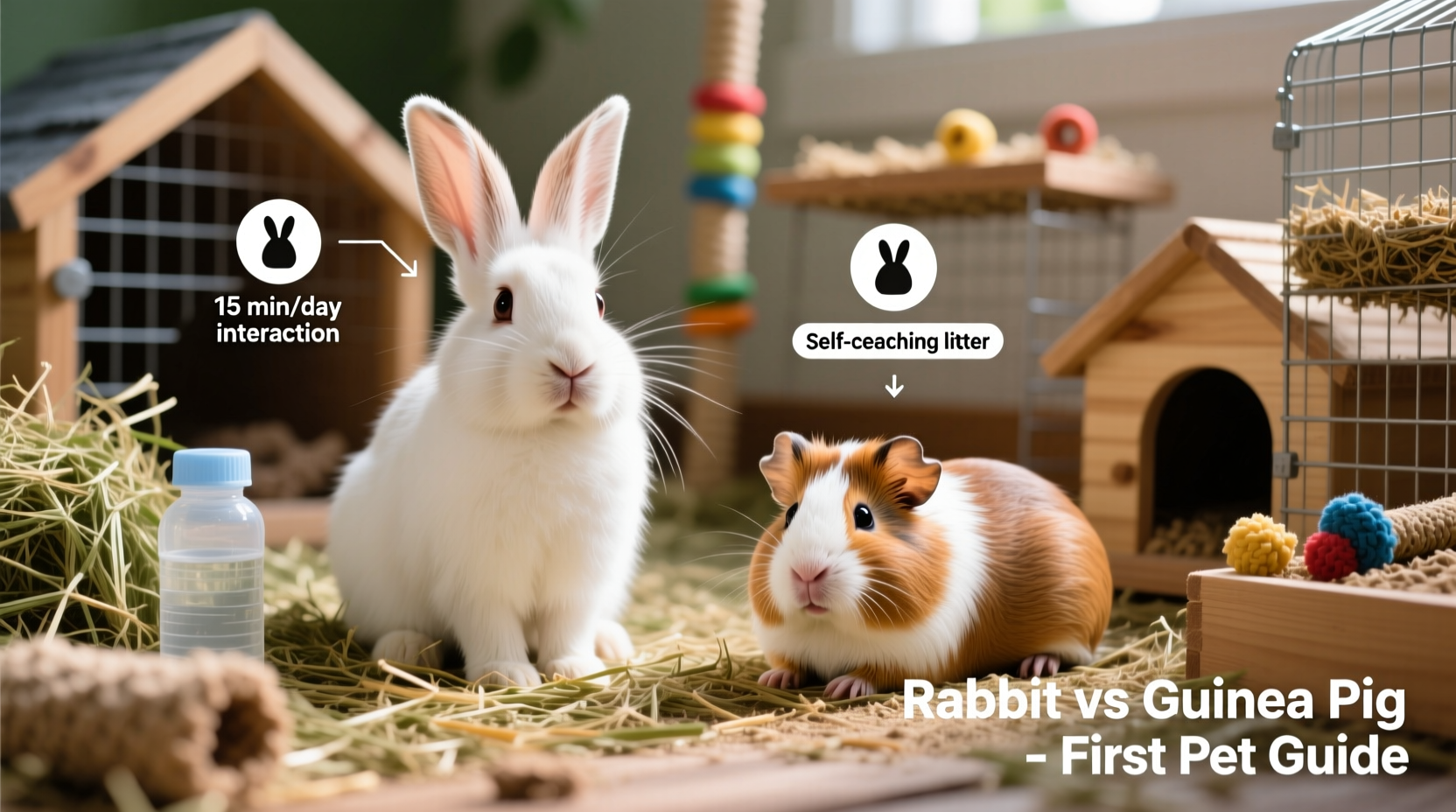
Rabbits and guinea pigs are both social creatures, but they express their personalities in distinct ways. Guinea pigs are naturally more vocal and outgoing. They communicate frequently through a range of sounds—wheeking, purring, chirping, and rumbling—making their moods easier to interpret. They tend to seek interaction and often bond quickly with their owners, especially when handled gently from a young age.
Rabbits, by contrast, are prey animals with a more cautious disposition. While many become affectionate and playful over time, they may initially be shy or skittish. Some rabbits enjoy being petted on their terms, while others prefer not to be held at all. Their behavior is often subtle: a nudge, a circle around your feet, or a relaxed flop indicates trust and contentment.
Tip: Always allow new pets time to acclimate before handling. Let them approach you first to build confidence.Guinea pigs thrive in pairs or small groups of the same sex, as solitude can lead to depression. Rabbits can live alone if given sufficient human interaction, though some do well with carefully introduced rabbit companions. However, pairing rabbits requires expertise in bonding and space management due to territorial tendencies.
Dietary Needs and Feeding Requirements
Nutrition is where major differences emerge. Both animals need constant access to hay, fresh vegetables, and clean water, but their specific dietary needs vary significantly.
Guinea pigs cannot synthesize vitamin C and must receive it daily through diet. A deficiency leads to scurvy, which causes joint pain, lethargy, and poor coat condition. Owners must provide vitamin C-rich vegetables like bell peppers, kale, and parsley—and avoid relying solely on fortified pellets, which lose potency over time.
Rabbits, on the other hand, require a high-fiber, low-calorie diet centered on unlimited grass hay (such as timothy or orchard grass). Their digestive systems depend on constant fiber intake to prevent gastrointestinal stasis—a potentially fatal condition. While rabbits benefit from vitamin C through greens, they produce it internally and don’t face the same risk as guinea pigs.
“Guinea pigs have one of the most specific nutritional mandates among common pets. Missing vitamin C even for a few days can trigger health decline.” — Dr. Lena Torres, Exotic Animal Veterinarian
Fresh vegetables should be offered daily to both species, but portion control matters. Overfeeding carrots or fruits—high in sugar—can cause obesity and dental issues, especially in rabbits.
Feeding Comparison Table
| Aspect | Guinea Pig | Rabbit |
|---|---|---|
| Primary Hay | Timothy hay (adults), Alfalfa (young/pregnant) | Grass hay (timothy, orchard, meadow) |
| Vitamin C Requirement | Essential – 10–50 mg/day depending on age | Not required – synthesized internally |
| Pellets | Fortified with vitamin C (replace every 6–8 weeks) | High-fiber, plain pellets (limited quantity) |
| Vegetables Daily | 1 cup per pound of body weight | 1–2 cups per 5 lbs body weight |
| Fruit Treats | 1–2 times/week (small portions) | 1–2 times/week (sparingly) |
Housing and Space Requirements
Both animals need spacious, secure enclosures, but rabbits generally require more room—especially if not allowed regular exercise outside the cage. An ideal setup for a rabbit includes a minimum of 12–14 square feet of enclosure space plus 4+ hours of supervised free-roam time daily. Without movement, rabbits develop sore hocks, muscle atrophy, and behavioral issues.
Guinea pigs need at least 7.5 square feet for one animal and 10.5+ for a pair. Unlike rabbits, they should not be housed on wire flooring, which can damage their delicate feet. Solid-bottom enclosures with deep bedding (paper-based or aspen) are essential.
Indoor living is strongly recommended for both species. Outdoor hutches expose them to predators, temperature extremes, and respiratory illnesses. Proper ventilation without drafts, stable temperatures (65–75°F), and protection from loud noises support long-term well-being.
Tip: Rotate toys and rearrange enclosures weekly to stimulate mental engagement and prevent boredom.Litter Training and Hygiene
Rabbits are highly trainable and often instinctively use a corner for elimination. With patience, most can be fully litter-box trained, making them cleaner indoor pets. Use paper-based or aspen litter—avoid clay or clumping cat litter, which is toxic if ingested.
Guinea pigs are less predictable in their habits. While they tend to return to certain spots, full litter training is rare. Spot-cleaning multiple times a week is necessary, along with full bedding changes every 1–2 weeks.
Health and Lifespan Considerations
Lifespan is a crucial factor for first-time owners. Guinea pigs typically live 5–7 years, with some reaching 8 under exceptional care. Rabbits often live 8–12 years, meaning a longer emotional and financial commitment. This extended lifespan increases the likelihood of encountering age-related conditions such as arthritis, dental disease, or kidney issues.
Dental health is vital for both. Their teeth grow continuously and must be worn down by fibrous hay. Overgrown teeth cause pain, drooling, and inability to eat. Regular veterinary checkups—at least annually—are non-negotiable. Find a vet experienced in exotic pets; general dog-and-cat clinics may lack the knowledge to treat these animals properly.
Common health concerns include:
- Guinea Pigs: Scurvy (vitamin C deficiency), respiratory infections, ovarian cysts (in females), barbering (over-grooming due to stress).
- Rabbits: GI stasis, hairballs, uterine cancer (in unspayed females), pododermatitis (sore hocks), heatstroke.
Spaying or neutering is strongly advised for both species. It reduces aggression, prevents reproductive cancers, and improves litter habits. For rabbits, this procedure can be life-saving—up to 80% of unspayed females develop uterine tumors by age four.
Mini Case Study: Emma’s First Pet Decision
Emma, a college student living in a studio apartment, wanted a pet for companionship. She loved the idea of a small, cuddly animal but had no prior experience. After researching, she considered both a guinea pig and a dwarf rabbit.
She realized her schedule was unpredictable, and she traveled occasionally. A rabbit’s longer lifespan and higher need for daily interaction made her hesitant. Meanwhile, adopting two guinea pigs would mean caring for both during breaks. Instead, she chose a single guinea pig named Basil, knowing he’d need a companion eventually. She committed to finding him a friend within six months and joined a local rescue group for support.
By planning ahead and understanding care demands, Emma avoided impulsive adoption and built a sustainable routine. Two years later, Basil and his bonded friend Coriander remain healthy and active.
Care Checklist for New Owners
Before bringing home either pet, ensure you’re prepared. Use this checklist to evaluate readiness:
- Secure, spacious enclosure with solid flooring and hiding spaces
- Unlimited access to fresh grass hay (timothy or equivalent)
- Daily supply of vitamin C-rich vegetables (for guinea pigs) or leafy greens (for rabbits)
- Species-appropriate pellets stored in airtight containers
- Litter box (rabbits) or deep absorbent bedding (guinea pigs)
- Toys (tunnels, chew blocks, cardboard boxes) for mental stimulation
- Appointment scheduled with an exotic veterinarian
- Plan for spaying/neutering by 4–6 months of age
- Dedicated cleaning schedule (spot-clean daily, deep clean weekly)
- Time commitment: minimum 30 minutes of interaction/care daily
Frequently Asked Questions
Can rabbits and guinea pigs live together?
No. Despite both being small herbivores, they should never be housed together. Their communication styles differ, leading to stress. Guinea pigs may be bullied, and rabbits can carry bacteria like *Bordetella* that are harmless to them but deadly to guinea pigs. Additionally, their dietary needs conflict—rabbit pellets lack vitamin C, putting guinea pigs at risk if they eat them.
Which is better for children?
Guinea pigs are generally more suitable for young children due to their vocal nature and tendency to tolerate handling. However, all interactions must be supervised. Rabbits can kick or bite if frightened, risking injury to small hands. Gentle breeds like Rex rabbits or American Fuzzy Lops may adapt better, but early socialization is key.
Do they need vaccinations?
In the U.S., neither rabbits nor guinea pigs require routine vaccines. However, rabbits in Europe often receive vaccinations for myxomatosis and viral hemorrhagic disease. Consult your vet based on regional risks. Quarantine new pets for 10–14 days to monitor for illness regardless of location.
Final Considerations: Choosing the Right Fit
Selecting between a rabbit and a guinea pig isn’t about which is “better,” but which fits your life better. If you value a quieter, longer-term companion who may form a deep but reserved bond, a rabbit could be ideal. If you want an expressive, social pet that thrives in pairs and shows affection through sound and proximity, a guinea pig might suit you best.
Consider your schedule, living space, and willingness to manage ongoing health needs. Both animals reward attentive care with quiet joy and unique personalities. The right pet isn’t the cutest one—it’s the one whose needs you can meet consistently for years to come.
🚀 Ready to welcome a small companion? Revisit local rescues, talk to experienced owners, and prepare your home before adoption. Your thoughtful choice today creates a happier life for your future pet tomorrow.








