
In 2024, residents across multiple regions—from suburban backyards in the American Midwest to rural farmlands in Australia—have reported an unusual surge in wild rabbit sightings. Lawns are riddled with burrows, gardens are being decimated overnight, and local wildlife agencies are fielding more calls than ever about overpopulation. This isn’t a coincidence. A confluence of environmental, biological, and human factors has triggered what experts are calling a \"rabbit boom.\" Understanding why this is happening, where it’s most pronounced, and how it affects both natural and urban landscapes is essential for homeowners, farmers, and conservationists alike.
Climate Conditions Favor Rabbit Survival
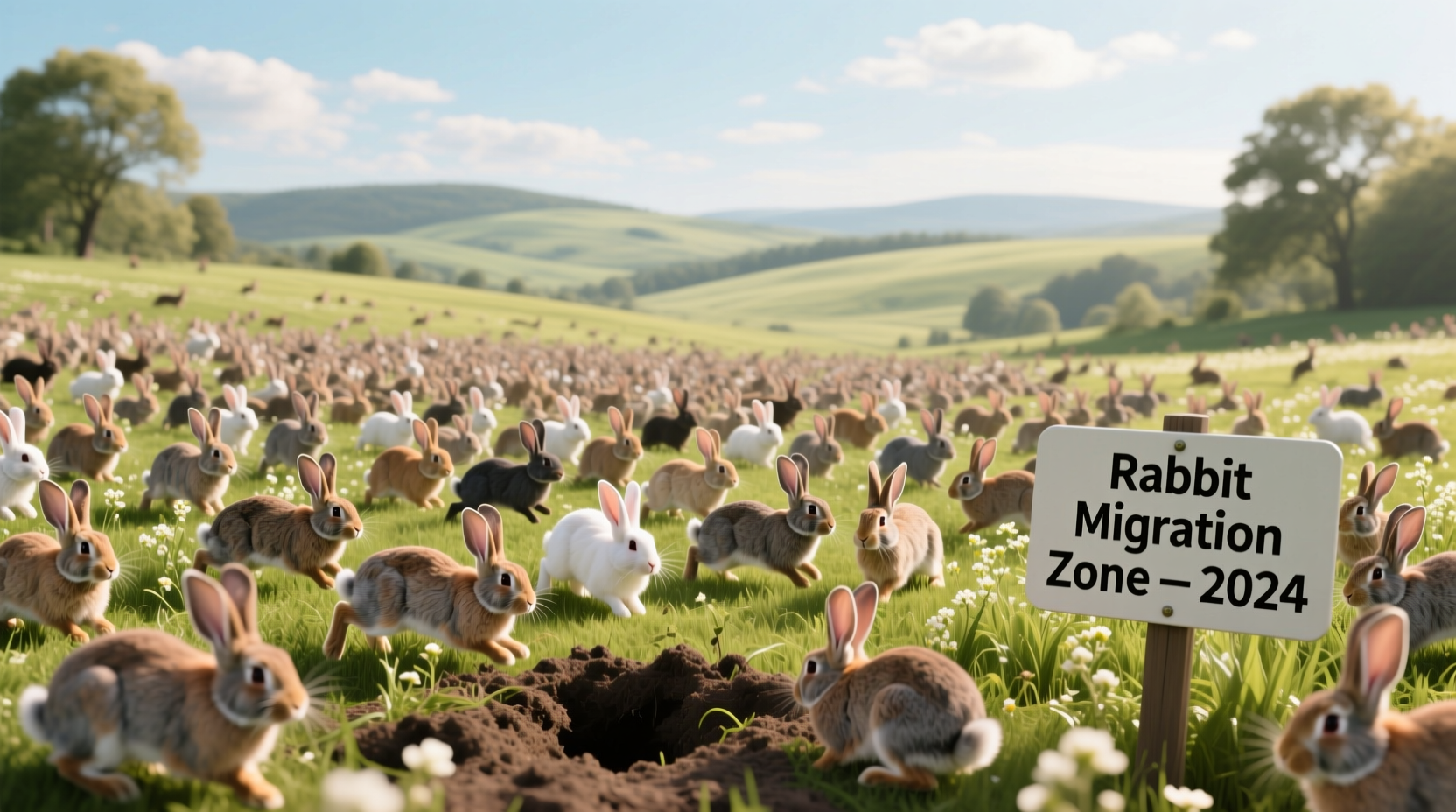
Rabbits thrive under mild winters and wet springs—conditions that have become increasingly common in many temperate zones. The winter of 2023–2024 was notably warm across much of North America and Western Europe, reducing cold-related mortality among young kits. With fewer predators active due to milder weather and abundant plant growth from early rainfall, juvenile survival rates spiked.
Additionally, snow cover—which typically insulates burrows but also limits food access—was minimal in many areas. This allowed rabbits to forage freely throughout the winter months, maintaining body condition and entering breeding season in peak health.
Tip: Monitor your yard for signs of rabbit activity in early spring; fresh droppings or gnawed bark indicate nearby warrens.Breeding Biology: The Math Behind the Multiplication
The reproductive capacity of rabbits is staggering. Eastern cottontails, one of the most widespread species in North America, can begin breeding at just three to four months old. A single female may produce three to four litters per year, each containing four to six kits. With a gestation period of only 28 days, exponential population growth occurs rapidly when conditions are favorable.
In ideal environments, one breeding pair and their offspring could theoretically produce over 300 descendants in a single year. While real-world mortality reduces this number significantly, even a fraction of that potential can lead to visible overpopulation within months.
“Rabbits are ecological opportunists. When food is plentiful and threats are low, their numbers explode almost overnight.” — Dr. Lena Peterson, Wildlife Biologist, University of Montana
Where the Rabbit Boom Is Happening
The rabbit surge isn’t uniform—it’s concentrated in specific geographic hotspots where climate, land use, and predator dynamics align to support rapid population growth.
| Region | Species Involved | Key Contributing Factors |
|---|---|---|
| Midwestern U.S. (Iowa, Illinois, Missouri) | Eastern Cottontail | Mild winter, increased edge habitats from fragmented farmland, reduced fox populations |
| Southeastern Australia (New South Wales, Victoria) | European Rabbit | Post-drought vegetation rebound, ineffective myxoma virus spread, agricultural expansion |
| South of England (Hampshire, Kent) | European Rabbit | Wet spring boosting clover growth, declining stoat and weasel numbers |
| Central Spain (Andalusia) | Iberian Hare & European Rabbit | Irrigation farming creating green corridors, loss of apex predators like Iberian lynx |
In these areas, satellite imagery and citizen science reports via platforms like iNaturalist show up to a 60% increase in rabbit observations compared to the same period last year.
Ecological and Agricultural Impact
While rabbits may seem harmless, their sudden abundance creates ripple effects. Overgrazing leads to soil erosion, especially on slopes and embankments where root systems are weakened by burrowing. Native plant regeneration slows as seedlings are consumed before they mature.
Farmers report significant crop losses, particularly in lettuce, carrot, and wheat fields near wooded edges. In Australia, where feral rabbits have long been a problem, the current boom threatens recent gains made through biocontrol programs using calicivirus (RHDV1 K5). However, rising immunity in rabbit populations and milder disease expression have reduced its effectiveness.
On the other hand, some predators benefit. Red-tailed hawks, coyotes, and barn owls are seen more frequently near rabbit-rich zones. Yet this doesn’t balance the equation—the lag time between prey explosion and predator response often spans several breeding cycles.
Step-by-Step: Managing Rabbit Pressure on Your Property
If you're noticing increased rabbit activity around your home or land, taking proactive steps now can prevent long-term damage. Follow this timeline:
- March–April: Inspect perimeter fencing. Seal gaps larger than 2 inches with hardware cloth. Check for burrow entrances under sheds or decks.
- May: Apply taste deterrents (e.g., products containing putrescent egg solids) to vulnerable plants. Reapply after rain.
- June–July: Trim ground-level vegetation to reduce cover. Avoid dense mulching near garden beds.
- August: Install motion-activated sprinklers to discourage daytime feeding.
- Ongoing: Remove fallen fruit and thin out brush piles that serve as shelter.
Checklist: Signs of a Rabbit Infestation
- Small, round black droppings near garden edges
- Cleanly clipped stems at a 45-degree angle
- Shallow burrows under structures or stone walls
- Gnaw marks on tree bark less than 2 feet from the ground
- Frequent sightings during daylight hours (indicates high population density)
Real Example: The Case of Greenfield Farms, Iowa
Greenfield Farms, a 120-acre organic vegetable operation near Des Moines, experienced a 40% loss in its spring kale and spinach crops in early 2024. Owner Maria Tran initially attributed it to voles but noticed the clean-cut patterns were higher off the ground—classic rabbit behavior. After installing infrared trail cameras, she captured footage of over 15 rabbits feeding nightly in one quadrant.
Working with a local extension agent, Tran implemented a multi-pronged strategy: reinforcing fences with buried wire mesh, introducing solar-powered sonic repellents, and planting sacrificial crops (like clover) away from main fields to divert feeding. Within six weeks, crop damage dropped by 75%. Her experience highlights how targeted, timely intervention can mitigate even severe infestations.
FAQ
Are more rabbits a sign of climate change?
Not directly, but changing climate patterns—such as warmer winters and erratic precipitation—create conditions that favor certain species like rabbits. These shifts disrupt traditional population checks, leading to booms in adaptable animals.
Can I relocate rabbits I catch in traps?
In most states and countries, relocating wild rabbits is illegal without a permit due to disease transmission risks and ecosystem disruption. Trapped rabbits should be humanely euthanized or released on-site if safe. Always check local wildlife regulations first.
Do domestic rabbits contribute to wild populations?
Yes. Abandoned or escaped pet rabbits (especially breeds derived from the European rabbit) can survive and breed in the wild. In regions like California and the UK, released pets have established feral colonies that compete with native species.
Conclusion: Observing, Adapting, and Responding
The rabbit boom of 2024 is more than a seasonal curiosity—it's a signal of shifting ecological balances influenced by climate, land use, and species interactions. Whether you’re a gardener battling nibbled lettuces or a conservationist tracking habitat degradation, awareness and action matter. By understanding the “why” and “where” of this surge, individuals and communities can make informed decisions to coexist responsibly with wildlife while protecting property and biodiversity.
💬 Have you noticed more rabbits this year? Share your story or photos in the comments—your observations help researchers track trends and develop better management strategies.








