
A purple or discolored tip on the penis can be alarming, but it doesn’t always signal a severe health issue. Discoloration may result from minor trauma, circulation changes, infections, or underlying medical conditions. Understanding the potential causes, recognizing warning signs, and knowing when to consult a healthcare provider are essential for proper management and peace of mind.
Common Causes of a Purple Tip on the Penis
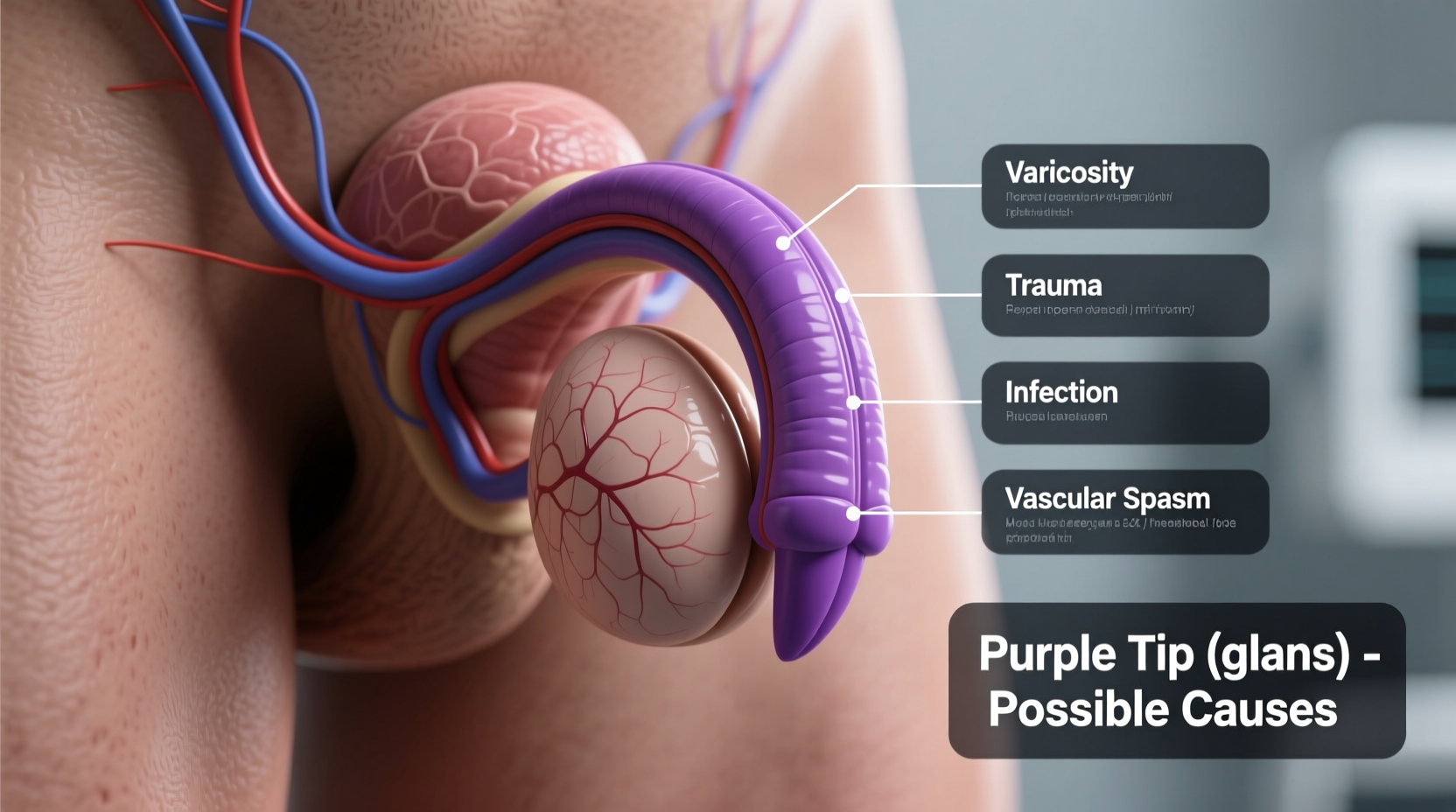
The appearance of a purple hue at the tip of the penis—medically referred to as the glans—can stem from several sources. Some are benign and temporary, while others may require prompt medical attention.
- Physical Trauma or Friction: Vigorous sexual activity, masturbation, or tight clothing can cause small blood vessels to break under the skin, leading to bruising or discoloration.
- Balanitis: Inflammation of the glans often caused by poor hygiene, fungal infections (like Candida), bacterial infections, or irritants such as soaps and lotions.
- Phimosis or Paraphimosis: When the foreskin is too tight or retracted and cannot return to its normal position, it can restrict blood flow, causing swelling and a bluish or purple tint.
- Priapism: A prolonged, painful erection not related to sexual stimulation. This condition can impair blood drainage, leading to discoloration due to oxygen-deprived blood.
- Vasculitis or Blood Flow Issues: Conditions affecting blood vessels, such as vasculitis or Raynaud’s phenomenon, can reduce circulation and lead to color changes.
- Infections: Sexually transmitted infections like herpes or syphilis may present with skin discoloration, ulcers, or rashes.
- Allergic Reactions: Sensitivity to latex, lubricants, spermicides, or laundry detergents can trigger inflammation and discoloration.
When to Worry: Red Flags That Require Medical Attention
While occasional mild discoloration may resolve on its own, certain symptoms should never be ignored. These could indicate a more serious underlying condition that requires immediate evaluation.
“Any persistent discoloration accompanied by pain, swelling, or difficulty retracting the foreskin warrants prompt urological assessment.” — Dr. Alan Reyes, Urologist
Symptoms That Demand Immediate Care
- Painful or prolonged erection lasting more than four hours (priapism)
- Swelling and inability to pull back the foreskin (paraphimosis)
- Open sores, ulcers, or unusual discharge
- Fever, chills, or systemic illness alongside penile discoloration
- Numbness, coldness, or loss of sensation in the genital area
- Discoloration that worsens or fails to improve within a few days
These signs may point to compromised blood flow, infection, or tissue damage—all requiring urgent diagnosis and treatment.
Treatment Options Based on Cause
Effective treatment depends entirely on identifying the root cause. Self-diagnosis can be risky, but understanding common interventions helps patients engage meaningfully with healthcare providers.
| Cause | Treatment Approach | Expected Recovery Time |
|---|---|---|
| Mild Trauma/Friction | Rest, avoid sexual activity, apply cold compress | 2–5 days |
| Balanitis (Fungal) | Topical antifungals (e.g., clotrimazole) | 7–10 days |
| Bacterial Infection | Antibiotics (topical or oral) | 5–14 days |
| Paraphimosis | Manual reduction or surgical intervention | Immediate resolution needed |
| Priapism | Emergency aspiration or surgery | Requires hospitalization |
| Allergic Reaction | Antihistamines, steroid cream, allergen avoidance | 3–7 days |
Home Care for Mild Cases
If the discoloration is minor and not associated with pain or systemic symptoms, conservative measures may help:
- Practice gentle hygiene with lukewarm water
- Avoid sexual activity until healed
- Wear loose-fitting cotton underwear
- Apply a cold compress for 10–15 minutes to reduce swelling
- Use over-the-counter hydrocortisone cream only if an allergic reaction is suspected (short-term use)
Step-by-Step Guide: What to Do If You Notice a Purple Tip
Follow this practical timeline to assess and respond appropriately:
- Day 1 – Observe Symptoms: Note whether there’s pain, swelling, recent trauma, or new product exposure. Take mental notes or photos (for personal reference) to track changes.
- Day 2 – Implement Rest and Hygiene: Stop sexual activity, avoid irritants, and clean the area gently. Monitor for improvement or worsening.
- Day 3 – Evaluate Progress: If discoloration persists or spreads, consider contacting a healthcare provider. Telehealth options can offer preliminary guidance.
- Immediately – Seek Emergency Care If: You experience a painful erection lasting over four hours, inability to urinate, extreme swelling, or fever.
- Follow-Up: Even if symptoms resolve, see a doctor if this is a recurring issue or if you have risk factors like diabetes or phimosis.
Mini Case Study: Delayed Care Leads to Complication
James, a 34-year-old man, noticed slight purplish discoloration after vigorous intercourse. He assumed it was bruising and waited five days for it to heal. However, swelling increased, and he developed pain during urination. By the time he visited a urologist, he was diagnosed with secondary balanoposthitis with early signs of tissue compromise due to untreated inflammation. With antibiotics and strict hygiene, he recovered—but the delay extended his healing time unnecessarily.
This case underscores the importance of timely evaluation, especially when symptoms persist beyond a few days.
FAQ: Common Questions About Penile Discoloration
Can a purple tip be a sign of cancer?
Penile cancer is rare but possible. It often presents with persistent sores, lumps, thickened skin, or non-healing ulcers—not just isolated discoloration. Any lesion that doesn’t heal within two weeks should be evaluated by a specialist.
Is it normal for the glans to change color occasionally?
Minor, temporary color shifts due to temperature, arousal, or light pressure can occur without concern. However, pronounced purple, blue, or black hues—especially with pain—are not normal and should be assessed.
Can poor circulation cause a purple tip?
Yes. Conditions like diabetes, smoking-related vascular disease, or vasculitis can impair blood flow to extremities, including the penis. Persistent pallor or cyanosis (bluish tint) may reflect circulatory problems needing broader cardiovascular evaluation.
Prevention Checklist
Reduce your risk of penile discoloration and related issues with these proactive steps:
- ✅ Practice good genital hygiene daily
- ✅ Use protection during sexual activity
- ✅ Avoid known allergens (latex, fragrances)
- ✅ Stay hydrated and manage chronic conditions like diabetes
- ✅ Wear breathable, non-restrictive underwear
- ✅ Attend regular check-ups, especially if uncircumcised or prone to infections
Conclusion: Don’t Ignore Changes in Genital Health
The appearance of a purple tip on the penis can range from harmless to hazardous. While minor trauma or irritation often resolves independently, ignoring persistent or painful symptoms can lead to complications like infection, scarring, or long-term functional issues. Early consultation ensures accurate diagnosis and prevents progression. Your genital health is a vital part of overall well-being—treat it with the seriousness it deserves.
💬 Your health matters. If you're unsure, talk to a doctor. Share this information with someone who might need it—awareness saves time, anxiety, and potentially, tissue.








