Bringing a new puppy home is joyful, but frequent accidents can quickly become overwhelming. If your puppy is peeing every five minutes, it’s not just inconvenient—it could signal an underlying issue. While some frequency is normal due to their small bladders, excessive urination requires attention. Understanding why this happens and knowing how to respond makes all the difference in your puppy’s health and training progress.
Why Puppies Pee So Frequently
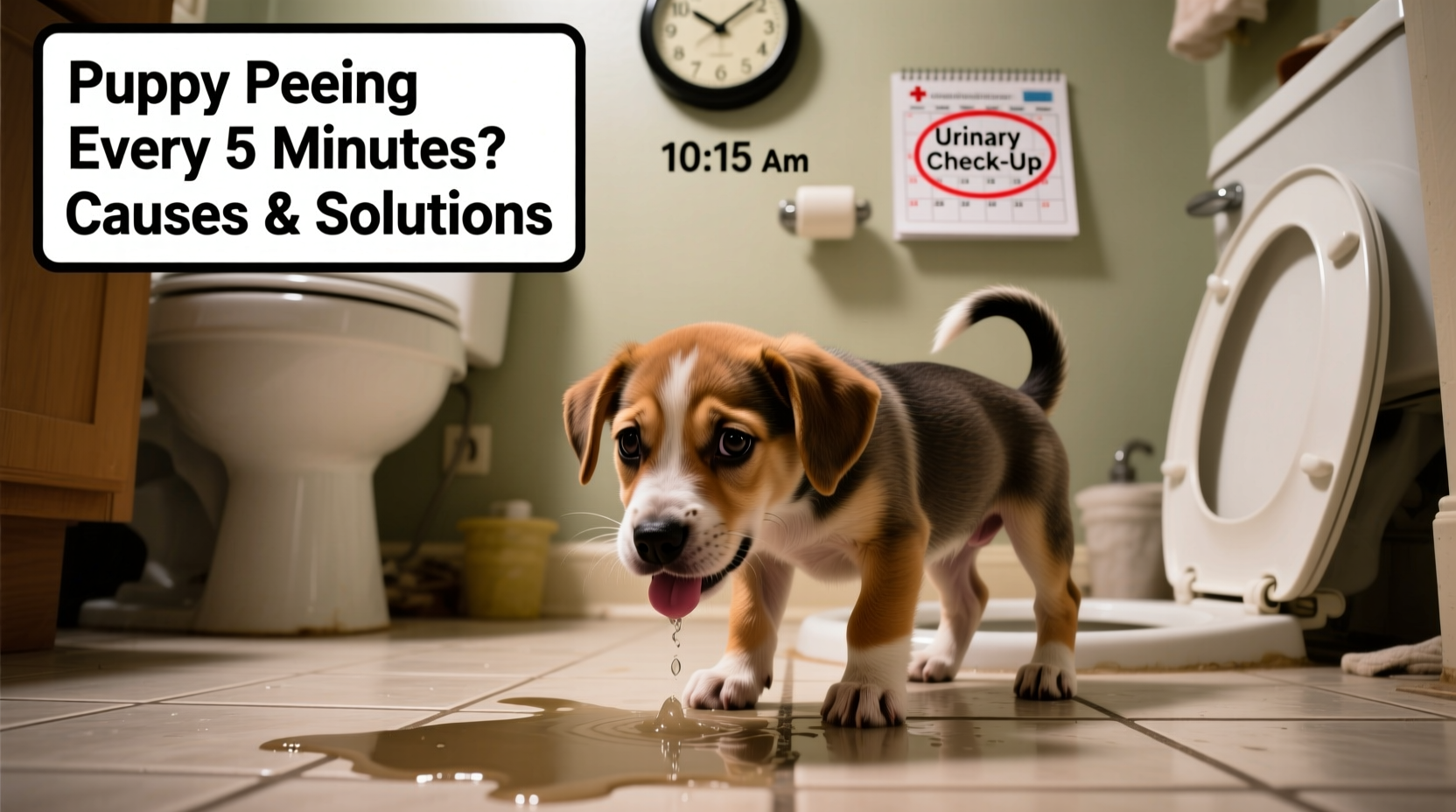
Puppies have underdeveloped bladder control. A general rule is that a puppy can hold their bladder for about one hour per month of age—so a 3-month-old pup may only manage three hours. But peeing every few minutes goes beyond immaturity. It often points to medical, behavioral, or environmental factors.
Common causes include urinary tract infections (UTIs), excitement urination, anxiety, incomplete house training, or even drinking too much water. Identifying the root cause is essential before applying corrective measures.
Tip: Observe when and where the peeing occurs—during play, after drinking, or when left alone—as clues to the underlying cause.Medical Reasons Behind Frequent Urination
Not all frequent urination is behavioral. Medical conditions must be ruled out first. The most common issues include:
- Urinary Tract Infections (UTIs): Bacteria in the bladder cause discomfort and urgency. Symptoms include straining, foul-smelling urine, and frequent attempts to urinate.
- Bladder stones: These irritate the bladder lining, leading to constant dribbling.
- Diabetes: Increased thirst leads to more water intake and, consequently, more urination.
- Kidney disease: Though rare in young puppies, abnormal kidney function affects urine concentration.
- Spinal or neurological issues: Can interfere with bladder control signals from the brain.
“Any sudden change in urination habits warrants a vet visit. In puppies, UTIs are surprisingly common and easily treated if caught early.” — Dr. Lena Torres, DVM, Small Animal Specialist
When to See a Veterinarian
Schedule an appointment immediately if your puppy shows any of the following:
- Blood in the urine
- Straining or crying while peeing
- Lethargy or loss of appetite
- Excessive thirst
- Foul-smelling urine
Your vet will likely perform a urinalysis and possibly blood work to diagnose infections or metabolic disorders. Early detection prevents complications and eases your puppy’s discomfort.
Behavioral and Training Factors
If medical causes are ruled out, behavior is the next frontier. Excitement urination and anxiety are two major behavioral triggers.
Excitement Urination
Many puppies pee when greeting people or during high-energy moments. This is involuntary—they’re so excited their muscles relax. It’s especially common in shy or sensitive pups.
Submissive Urination
This occurs when a puppy feels intimidated—by loud voices, direct eye contact, or looming figures. They squat and release a small amount of urine as a sign of deference.
Incomplete House Training
Some owners assume puppies should “just know” where to go. In reality, consistent training takes weeks. Without clear routines, puppies don’t understand expectations.
Tip: Always reward your puppy immediately after they pee outside. Positive reinforcement builds reliable habits faster than punishment ever could.Step-by-Step Guide to Managing Frequent Urination
Follow this structured plan to address both medical and behavioral causes:
- Visit the vet: Rule out infections or physical abnormalities with a full checkup and urine test.
- Monitor water intake: Provide fresh water but remove the bowl two hours before bedtime. Measure daily consumption to detect spikes.
- Establish a potty schedule: Take your puppy out every 1–2 hours, after meals, naps, and play sessions.
- Use a crate: Crates promote bladder control by tapping into a dog’s instinct not to soil their den. Ensure it’s sized correctly—just enough room to stand, turn, and lie down.
- Limit indoor roaming: Use baby gates or a playpen to restrict access until your puppy is reliably trained.
- Clean accidents thoroughly: Use enzymatic cleaners to eliminate odor cues that attract repeat incidents.
- Stay calm during greetings: For excitement urination, avoid direct contact at first. Let your puppy settle before petting.
- Build confidence: For submissive urination, use low tones, crouch to their level, and avoid sudden movements.
Do’s and Don’ts: Quick Reference Table
| Do’s | Don’ts |
|---|---|
| Take your puppy out on a regular schedule | Yell or punish after an accident |
| Use positive reinforcement (treats, praise) | Rub their nose in urine |
| Keep a potty log to track patterns | Free-feed water all day without monitoring |
| Use a leash during potty breaks to focus them | Assume the puppy is “being bad” |
| Visit the vet at the first sign of unusual symptoms | Ignore persistent frequent urination |
Real-Life Example: Max the 10-Week-Old Labrador
Sarah adopted Max, a 10-week-old Labrador, and was alarmed when he peed every 5–7 minutes—even right after going outside. She noticed he drank heavily after playing and sometimes strained slightly.
She took him to the vet, who found a mild UTI. After a course of antibiotics, the frequency dropped dramatically. Sarah then implemented a strict potty schedule: out every 45 minutes during the day, crated at night, and rewarded for outdoor elimination. Within two weeks, Max was sleeping through the night and having far fewer accidents. Her consistency—and early vet visit—made all the difference.
FAQ: Common Questions About Puppy Urination
Is it normal for a puppy to pee every 5 minutes?
No, that’s excessive. While puppies need frequent potty breaks, urinating every few minutes usually indicates a medical problem like a UTI or behavioral issue such as anxiety. Consult a vet to rule out illness.
Can stress cause a puppy to pee constantly?
Yes. Changes in environment, loud noises, or separation anxiety can trigger frequent urination. Puppies may also exhibit submissive or excitement urination in stressful social situations.
How long does it take to house train a puppy?
Most puppies achieve basic house training in 4–6 months, though some learn in as little as 2–3 weeks with consistent effort. Smaller breeds may take longer due to tinier bladders.
Final Tips for Success
Patience and observation are your greatest tools. Keep a journal noting when your puppy drinks, eats, plays, and pees. Patterns will emerge, helping you anticipate needs and catch problems early. Never underestimate the power of routine—puppies thrive on predictability.
Avoid comparing your puppy to others. Each develops at their own pace. Celebrate small wins: a longer stretch between bathroom trips, going outside independently, or signaling the need to go.
“House training isn’t about perfection—it’s about progress. Every puppy has setbacks. What matters is consistency.” — Karen Millman, Certified Dog Trainer
Take Action Today
If your puppy is peeing every five minutes, start by scheduling a vet visit. Once medical concerns are cleared, implement a structured potty routine, use positive reinforcement, and remain patient. With time and care, your puppy will gain control and confidence. You're building more than good habits—you're building trust.
💬 Have a story about puppy training challenges or successes? Share your experience in the comments—your insight could help another overwhelmed pet parent!








