
It’s a familiar scene for many new puppy owners: sudden bursts of foul-smelling gas, accompanied by a guilty-looking pup darting from the room. While occasional flatulence is normal in puppies, excessive or persistent gas can signal dietary imbalances, digestive sensitivities, or behavioral habits that need adjustment. Understanding the root causes and knowing how to respond makes a big difference in your puppy’s comfort and long-term gut health.
Puppies have developing digestive systems, making them more prone to gas than adult dogs. Their curiosity often leads them to eat things they shouldn’t, and their rapid growth requires nutrient-dense diets—both of which can contribute to gastrointestinal upset. The good news is that most cases of puppy gas are manageable with simple changes at home.
Common Causes of Puppy Gas
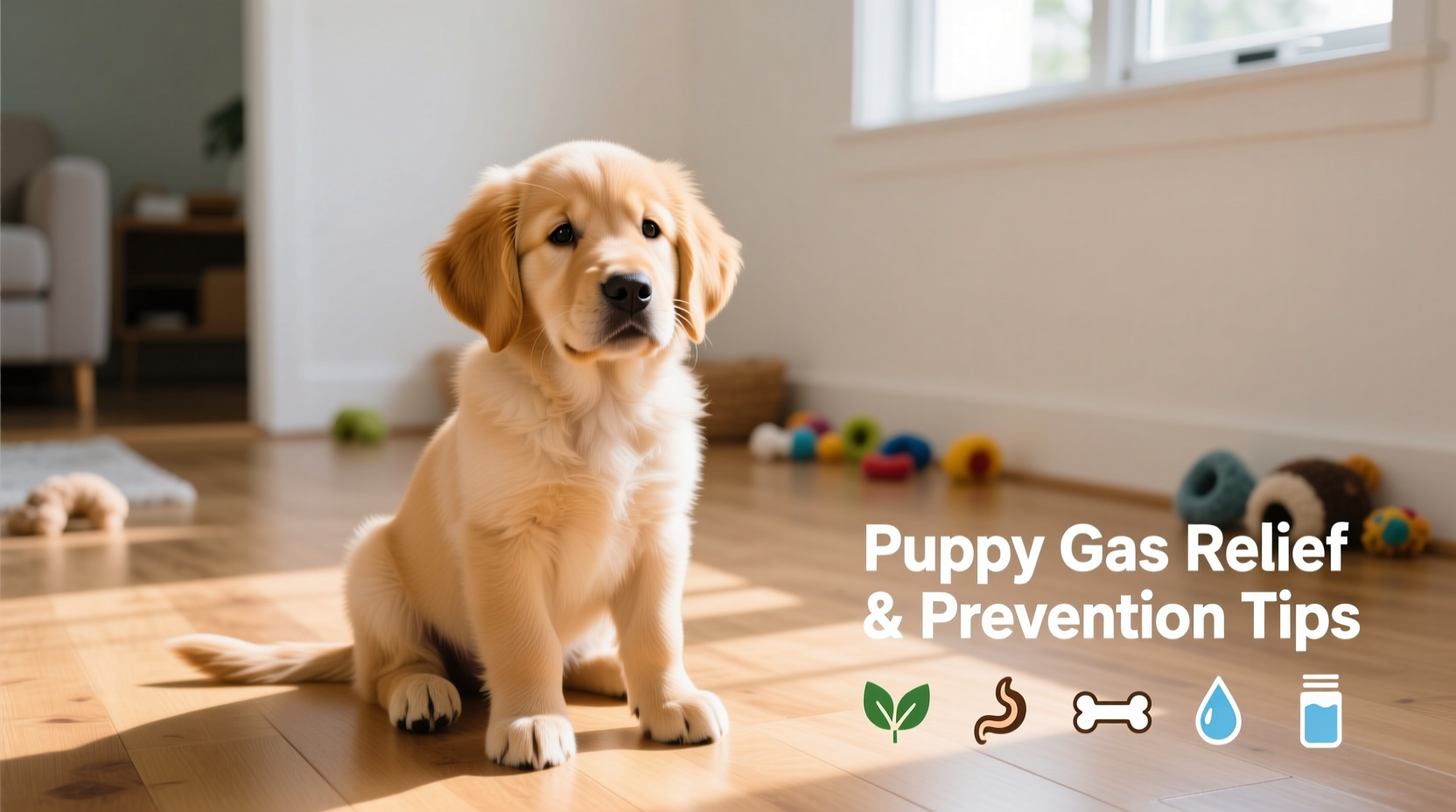
Gas in puppies typically results from swallowed air or the fermentation of undigested food in the colon. Identifying the underlying cause is essential for effective treatment and prevention.
- Dietary changes: Sudden shifts in food can disrupt gut bacteria, leading to bloating and gas.
- Low-quality ingredients: Fillers like corn, soy, and wheat are hard to digest and often ferment in the gut.
- Eating too fast: Gulping food introduces excess air into the stomach, causing aerophagia (air swallowing).
- Table scraps and human food: Fatty, spicy, or dairy-based foods can trigger gas and even pancreatitis.
- Intestinal parasites: Worms such as roundworms or giardia interfere with digestion and increase gas production.
- Food intolerances: Some puppies are sensitive to certain proteins or grains, even in high-quality foods.
- Stress or anxiety: Changes in environment or routine can affect digestion and motility.
“Puppy flatulence is rarely dangerous, but consistent or worsening symptoms should prompt a veterinary visit to rule out parasites or inflammatory bowel disease.” — Dr. Lena Reyes, DVM, Small Animal Gastroenterology Specialist
Effective Relief Strategies for Gassy Puppies
When your puppy is visibly uncomfortable or passing gas frequently, immediate relief measures can help soothe their digestive tract and reduce bloating.
Tip: Gently massage your puppy’s abdomen in a clockwise motion to encourage gas movement and relieve discomfort.Adjust Feeding Practices
Switching to smaller, more frequent meals helps regulate digestion. Feed three to four times daily instead of one or two large portions. This reduces the burden on the immature digestive system and minimizes fermentation in the gut.
Encourage Slower Eating
Puppies that inhale their food are more likely to swallow air. Use a slow-feeder bowl or place a clean tennis ball in the center of their food dish to force them to eat around it, slowing their pace naturally.
Provide Probiotics
High-quality canine probiotics support a balanced gut microbiome. Look for strains like Bifidobacterium animalis or Enterococcus faecium, which are proven to improve digestion and reduce gas in young dogs.
Ensure Hydration
Dehydration slows digestion and increases fermentation. Always provide fresh water and monitor intake, especially after play or during hot weather.
Prevention Tips for Long-Term Digestive Health
Preventing puppy gas is about consistency, quality, and observation. A few proactive steps go a long way in maintaining a healthy gut.
- Choose premium puppy food: Opt for formulas with real meat as the first ingredient and minimal fillers. Avoid artificial preservatives and by-products.
- Transition food gradually: When changing diets, mix increasing amounts of the new food with the old over 7–10 days.
- Avoid feeding table scraps: Human food—even seemingly harmless items like bread or cheese—can upset a puppy’s digestion.
- Limit treats: Use training treats sparingly and choose single-ingredient options like freeze-dried liver.
- Schedule regular deworming: Follow your vet’s recommended parasite prevention plan, especially in puppies under six months.
- Maintain a stress-free environment: Establish routines for feeding, potty breaks, and sleep to minimize anxiety-related digestive issues.
| Do | Don't |
|---|---|
| Feed a consistent, high-quality puppy diet | Switch foods abruptly |
| Use slow-feed bowls for fast eaters | Allow free access to garbage or compost |
| Offer probiotic supplements as directed | Give milk or dairy products regularly |
| Keep fresh water available at all times | Over-treat during training sessions |
| Vet visits every 3–4 weeks during early development | Ignore persistent diarrhea or vomiting |
Real-Life Example: Max the Labrador Retriever
Max, a 10-week-old yellow Lab, was brought to a local vet clinic with chronic gas, loose stools, and frequent burping. His owners had been feeding him a grocery-store brand kibble and supplementing with leftover pasta and chicken skin. After examination, the vet found no parasites but suspected diet-induced fermentation.
The vet recommended switching to a limited-ingredient puppy formula with duck and potato, introducing it over seven days. Max was also given a canine probiotic and transitioned to a slow-feed bowl. Within two weeks, his gas decreased dramatically, stools firmed up, and his energy levels improved. His owners realized that “people food” wasn’t a treat—it was a digestive burden.
This case highlights how easily well-meaning feeding habits can backfire and how targeted changes yield fast results.
Step-by-Step Guide to Managing Puppy Gas
Follow this timeline to assess, adjust, and stabilize your puppy’s digestion:
- Day 1–2: Observe and document – Note frequency of gas, stool quality, eating speed, and any signs of discomfort.
- Day 3: Eliminate risk factors – Remove access to trash, stop table scraps, and ensure no scavenging during walks.
- Day 4–5: Evaluate current food – Check the ingredient list for fillers, by-products, or known allergens like corn or soy.
- Day 6–12: Transition to better food – Begin mixing new food with old, increasing the ratio daily.
- Day 13: Introduce probiotics – Start a vet-approved supplement to support gut flora.
- Day 14: Reassess symptoms – If gas persists, consult your veterinarian for possible intolerance testing or deworming.
Frequently Asked Questions
Is it normal for puppies to pass gas every day?
Yes, mild flatulence is normal, especially after meals. However, loud, frequent, or foul-smelling gas several times a day may indicate a dietary issue or sensitivity.
Can I give my puppy yogurt for gas relief?
Plain, unsweetened yogurt with live cultures can help some puppies due to its probiotic content. However, many dogs are lactose intolerant, so introduce it slowly and discontinue if diarrhea or gas worsens.
When should I worry about my puppy’s gas?
Seek veterinary advice if gas is accompanied by vomiting, diarrhea, lethargy, bloating, or loss of appetite. These could indicate infection, obstruction, or food allergy.
Conclusion: Prioritize Gut Health for a Happy Puppy
Addressing puppy gas isn’t just about reducing unpleasant odors—it’s about supporting overall wellness from the inside out. A healthy digestive system lays the foundation for strong immunity, proper nutrient absorption, and sustained energy. By choosing quality food, managing feeding habits, and staying alert to changes, you give your puppy the best start in life.
💬 Have a tip that helped your gassy puppy? Share your experience in the comments below—your insight could help another pet parent find relief faster.








