Discovering your puppy eating feces is unsettling, even if it’s a surprisingly common behavior. Known as coprophagy, this habit affects up to 24% of dogs according to veterinary studies, with puppies being the most frequent offenders. While often temporary, it can pose health risks and frustrate owners. Understanding the root causes—ranging from instinctual behaviors to medical issues—is essential to addressing it effectively. This guide explores why puppies eat poop, what science says about the behavior, and practical strategies to stop it for good.
Why Puppies Eat Poop: The Science Behind Coprophagy
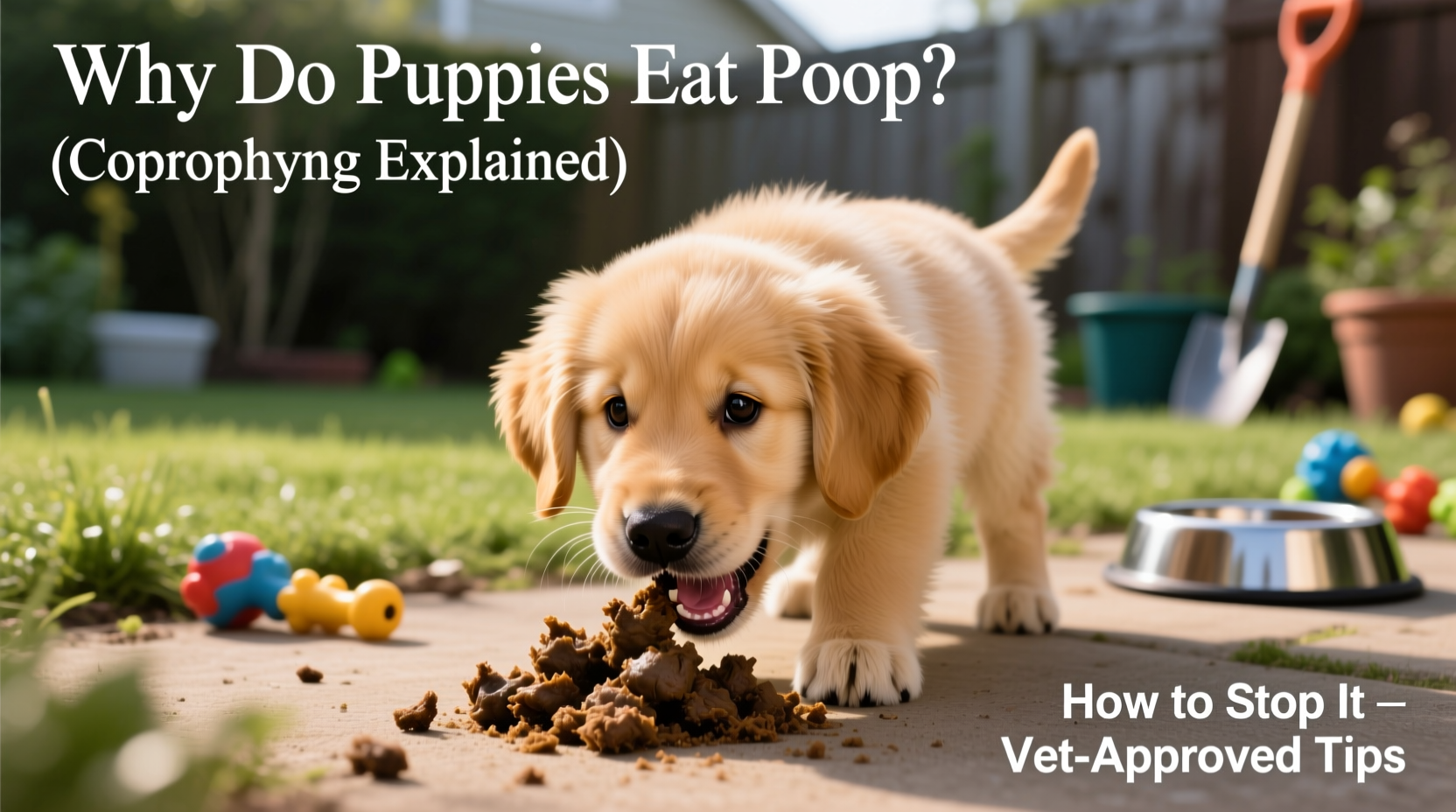
Coprophagy may seem unnatural to humans, but in the animal kingdom, it serves biological purposes. Mother dogs instinctively clean their puppies’ den by consuming their waste, which helps protect the litter from predators and maintain hygiene. Puppies may mimic this behavior during early development, especially if they observe their mother doing it.
Beyond instinct, several factors contribute to coprophagy:
- Nutritional Deficiencies: If a puppy isn’t absorbing nutrients properly due to poor diet or digestive issues, undigested food particles in stool can make feces smell appealing.
- Boredom or Stress: Puppies left alone for long periods or lacking mental stimulation may turn to poop-eating out of curiosity or anxiety.
- Attention-Seeking: Even negative reactions from owners can reinforce the behavior if the puppy associates it with interaction.
- Learned Behavior: Puppies housed in unclean environments may develop the habit simply because waste is consistently present.
“Coprophagy in puppies is rarely malicious—it’s usually a sign of environment, diet, or developmental stage.” — Dr. Laura Green, DVM, Canine Behavior Specialist
Medical vs. Behavioral Causes: How to Tell the Difference
Before attempting behavioral corrections, rule out underlying health problems. Chronic coprophagy can signal conditions such as:
- Pancreatic insufficiency (EPI)
- Intestinal parasites (e.g., worms)
- Malabsorption disorders
- Diabetes or thyroid disease
- Enzyme deficiencies
If your puppy eats poop frequently, seems underweight, has diarrhea, or shows changes in appetite or energy, schedule a vet visit. A fecal exam and blood work can identify treatable medical causes. Once those are addressed, focus shifts to behavioral modification.
Tip: Always collect a fresh stool sample when visiting the vet—this helps detect parasites or digestive inefficiencies.Step-by-Step Guide to Stop Coprophagy
Eliminating this habit requires consistency, timing, and environmental control. Follow this timeline-based approach for best results:
- Days 1–3: Immediate Cleanup and Supervision
Remove all feces from your yard and indoor potty areas immediately after elimination. Supervise your puppy at all times outdoors. Use a leash to prevent access to waste. - Days 4–7: Introduce Distractions
Carry high-value treats during potty breaks. As soon as your puppy finishes, redirect attention with a treat or toy before they have time to investigate the stool. - Weeks 2–3: Reinforce Positive Behavior
Reward your puppy with praise and treats every time they walk away from feces. Use commands like “Leave it” and practice in controlled settings. - Week 4+: Maintain Consistency
Continue supervision, cleanup, and training. Gradually reduce treats as the behavior becomes rare, but keep verbal praise consistent.
Effective Training Techniques and Preventive Measures
Behavioral training is the cornerstone of stopping coprophagy. These techniques have been validated by canine trainers and veterinarians:
- The “Leave It” Command: Train your puppy to disengage from undesirable items. Practice indoors with less tempting objects first, then transition to outdoor use.
- Leash Control During Potty Breaks: Keep your puppy on a short leash until they move away from the waste. Then release them for playtime as a reward.
- Environmental Management: Pick up waste daily—even multiple times a day if needed. Consider installing a covered dog run or using a pooper-scooper on walks.
Do’s and Don’ts of Handling Coprophagy
| Do | Don't |
|---|---|
| Clean up feces immediately | Yell or punish your puppy after the fact |
| Use positive reinforcement for walking away | Spray bitter-tasting deterrents without vet approval |
| Feed a high-quality, digestible diet | Ignore persistent behavior beyond 6 months |
| Consult your vet for medical screening | Assume it’s just a phase without investigation |
Tips to Make Stool Less Appealing
Some commercial products claim to make feces taste unpleasant by altering its composition. While results vary, these can be part of a broader strategy:
- Digestive Enzyme Supplements: Products containing pancreas enzymes may improve digestion, reducing undigested food in stool.
- Taste-Aversion Additives: Powders like For-Bid or CoproBan are added to food and pass into feces, creating an unpleasant taste.
- Diet Adjustment: Switch to a highly digestible, premium puppy food with real meat as the primary ingredient. Avoid fillers like corn and soy.
Real Example: How One Owner Successfully Stopped the Habit
Sarah adopted a 10-week-old Labrador mix who began eating her own feces within days. Initially embarrassed, she consulted her vet, who ruled out parasites and recommended a dietary change and behavioral plan. Sarah switched to a grain-free, high-protein kibble and started supervising all outdoor time. She used a clicker and treats to reward her puppy for walking away from waste. Within three weeks, the behavior stopped. “It was exhausting at first,” Sarah said, “but consistency made all the difference.”
Checklist: How to Stop Puppy Coprophagy
Use this actionable checklist to address coprophagy systematically:
- ✅ Schedule a vet check-up to rule out medical causes
- ✅ Clean up feces immediately after elimination
- ✅ Supervise all outdoor activity until the habit stops
- ✅ Train the “Leave it” command with positive reinforcement
- ✅ Feed a high-digestibility puppy food
- ✅ Add pumpkin or enzyme supplements if advised by your vet
- ✅ Avoid punishment—focus on redirection and rewards
- ✅ Be patient—most puppies outgrow the habit by 9–12 months
Frequently Asked Questions
Is it dangerous if my puppy eats poop?
Occasional ingestion is usually not harmful, but regular coprophagy increases the risk of parasite transmission (like roundworms), bacterial infections (such as salmonella), and gastrointestinal upset. Feces from other animals (cats, wildlife) carry additional risks.
Will my puppy grow out of eating poop?
Most puppies do stop by 6 to 9 months of age as they mature and receive proper training. However, if the behavior persists past one year, it may become a compulsive habit requiring professional intervention.
Can I use hot sauce or pepper on the poop to stop it?
No. Applying irritants directly to feces is unsafe and can harm your puppy’s mouth, throat, or digestive tract. Instead, use vet-approved oral additives that alter stool taste from within.
Conclusion: Taking Action for a Healthier, Happier Puppy
Coprophagy is more common—and usually less serious—than many owners assume. With the right combination of veterinary insight, environmental management, and consistent training, you can break the cycle. Focus on prevention, act quickly, and reinforce good behavior. Your puppy isn’t misbehaving out of defiance; they’re responding to instinct, environment, or unmet needs. By addressing the root cause with patience and care, you’ll not only stop the poop-eating but also strengthen your bond through positive guidance.
💬 Have a success story or tip for stopping coprophagy? Share your experience in the comments—your insight could help another pet parent facing the same challenge.








