Coprophagia—the act of eating feces—is one of the most common yet unsettling behaviors puppy owners encounter. While it may seem repulsive to humans, this habit is surprisingly widespread among young dogs. Most puppies will engage in some form of stool consumption at least once during their early months. The behavior can stem from instinct, diet, environment, or underlying health issues. Understanding the root causes and knowing how to intervene effectively is essential for pet owners who want to break the cycle safely and humanely.
Why Do Puppies Eat Poop?
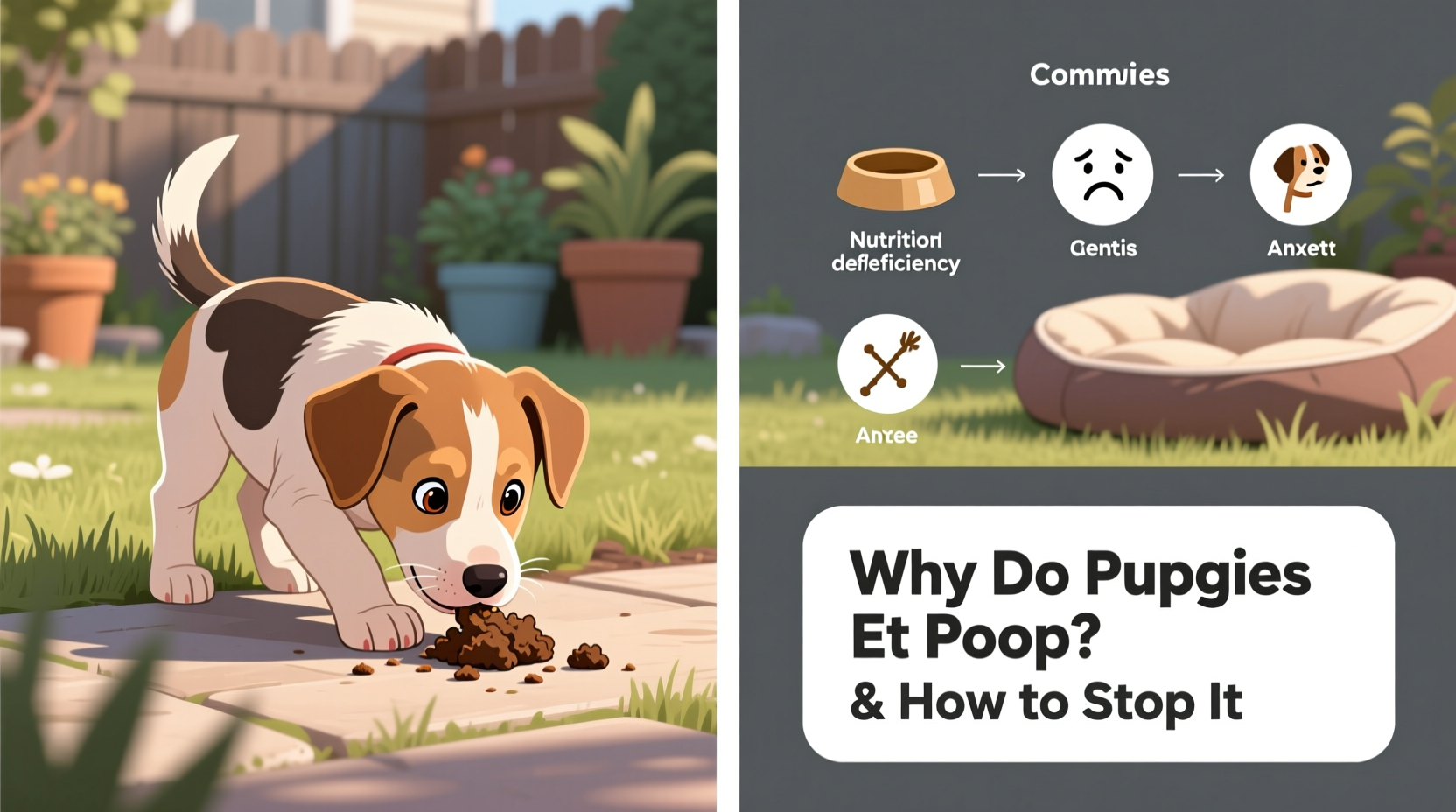
Coprophagia isn’t typically a sign of mental illness in dogs but rather a complex behavior influenced by biological, environmental, and psychological factors. Puppies are naturally curious and use their mouths to explore the world. Feces have strong odors and textures that can attract a young dog’s attention. However, several deeper reasons explain why this behavior persists beyond simple curiosity.
- Instinctual Behavior: Mother dogs often clean their puppies by licking them and consuming their waste to keep the den clean and reduce predator attraction. Puppies may mimic this behavior as part of learned social conduct.
- Nutritional Deficiencies: If a puppy isn't absorbing nutrients properly due to enzyme deficiencies, parasites, or poor-quality food, undigested fats and proteins in feces can make stools smell appealing.
- Boredom or Anxiety: Dogs left alone for long periods or kept in confined spaces with little stimulation may resort to coprophagia out of stress or lack of activity.
- Attention-Seeking: Even negative reactions from owners—like yelling—can reinforce the behavior if the puppy sees any response as rewarding.
- Reinforcement Through Access: If a puppy frequently finds and eats feces without consequence, the behavior becomes habitual.
Medical Causes Behind Coprophagia
Before assuming behavioral causes, rule out medical conditions. Chronic coprophagia, especially in otherwise healthy puppies, should prompt a veterinary consultation. Some internal issues directly influence appetite and digestion, making feces more tempting.
| Medical Condition | Symptoms | Treatment Approach |
|---|---|---|
| Exocrine Pancreatic Insufficiency (EPI) | Weight loss, increased appetite, greasy stools | Enzyme supplements, specialized diets |
| Intestinal Parasites (e.g., worms) | Diarrhea, bloating, visible worms in stool | Deworming medication |
| Malabsorption Disorders | Pale, bulky stools; poor coat condition | Dietary changes, diagnostics like blood work |
| Vitamin or Mineral Deficiencies | Lethargy, poor growth, pica (eating non-food items) | Balanced nutrition, supplements if needed |
“Coprophagia can be normal in puppies under six months, but persistent eating of feces past that age warrants a full veterinary workup.” — Dr. Laura Thompson, DVM, Canine Behavior Specialist
Effective Strategies to Stop Coprophagia
Stopping this behavior requires consistency, patience, and a multi-pronged approach. The following steps address both environmental triggers and learned habits.
Step-by-Step Guide to Prevent Stool Eating
- Immediate Cleanup: Remove feces from the yard and indoor areas within minutes of elimination. Use a pooper-scooper daily.
- Supervised Potty Breaks: Take your puppy outside on a leash. Reward them for eliminating and redirect them indoors before they investigate the waste.
- Use Taste Deterrents: Products like For-Bid or NaturVet CoproBan can be sprinkled on food to make feces taste unpleasant after digestion.
- Improve Diet Quality: Switch to a highly digestible, premium puppy food rich in animal protein and low in fillers. Consult your vet for recommendations.
- Increase Mental and Physical Stimulation: Provide puzzle toys, chew bones, and daily training sessions to reduce boredom-related behaviors.
- Train the “Leave It” Command: Practice this cue regularly so your puppy learns to ignore undesirable objects, including feces.
Mini Case Study: Bella the Beagle Mix
Bella, a 5-month-old beagle mix, began eating her own stool shortly after arriving at her new home. Her owners initially responded by scolding her, which only made her sneakier. After consulting their vet, they discovered she had a mild roundworm infection. Following deworming treatment and switching to a high-digestibility kibble, the behavior decreased significantly. They also started using a “leave it” command during walks and installed a secure backyard fence to prevent access to neighbor dogs’ waste. Within six weeks, Bella stopped eating poop entirely.
Common Mistakes That Make Coprophagia Worse
Well-meaning owners sometimes inadvertently reinforce the behavior. Avoid these pitfalls:
- Yelling or chasing the puppy: This can turn stool-eating into a game of chase or provoke anxiety.
- Using punishment after the fact: Dogs don’t connect delayed consequences with prior actions.
- Ignoring dietary quality: Cheap kibble with corn and soy may pass through undigested, making feces smell like food.
- Leaving waste accessible: Allowing feces to accumulate in the yard invites repeated episodes.
Prevention Checklist
Use this checklist to create an environment that discourages coprophagia:
- ✅ Pick up all feces in the yard daily
- ✅ Supervise every outdoor bathroom trip
- ✅ Feed a high-quality, easily digestible puppy food
- ✅ Schedule regular veterinary checkups and parasite screenings
- �� Train and reinforce the “leave it” and “come” commands
- ✅ Provide at least 30–60 minutes of physical activity per day
- ✅ Offer enrichment toys (Kong, snuffle mats, treat puzzles)
- ✅ Avoid overcrowded dog parks where feces may be present
Frequently Asked Questions
Is eating poop dangerous for puppies?
Yes. Consuming feces—especially from other animals—can expose puppies to parasites like hookworms, roundworms, and giardia, as well as harmful bacteria such as Salmonella or E. coli. Ingesting contaminated stool can lead to gastrointestinal illness or reinfection even after treatment.
Will my puppy grow out of eating poop?
Many puppies do stop by 9–12 months of age as they mature and develop better habits. However, if the behavior continues past one year or involves eating other dogs’ waste, intervention is necessary to prevent it from becoming a fixed habit.
Are there supplements that stop coprophagia?
Some enzymatic or probiotic supplements claim to reduce stool appeal by improving digestion. While anecdotal evidence exists, results vary. Products like Prozyme or FortiFlora may support gut health, but they should complement—not replace—a comprehensive behavioral plan.
Conclusion: Taking Action for a Healthier Puppy
Coprophagia is a challenging but manageable issue. With a clear understanding of the causes—ranging from instinct and diet to medical concerns—you can take practical steps to eliminate the behavior. Immediate cleanup, proper nutrition, mental engagement, and consistent training form the foundation of success. Most importantly, avoid punishment and instead focus on redirection and positive reinforcement. Every puppy is different, and what works for one may need adjustment for another. Stay patient, stay observant, and don’t hesitate to involve your veterinarian when in doubt.
💬 Have you successfully stopped your puppy from eating poop? Share your story or tips in the comments—your experience could help another pet owner overcome this common challenge!








