Puffy under eyes are a common cosmetic concern affecting people of all ages. While typically harmless, they can create an appearance of fatigue, aging, or poor health. Understanding the underlying causes, recognizing associated symptoms, and exploring evidence-based treatment options can help individuals make informed decisions about managing this condition. Whether due to genetics, lifestyle habits, or underlying medical issues, puffiness under the eyes is often treatable with targeted interventions.
Understanding Under Eye Puffiness
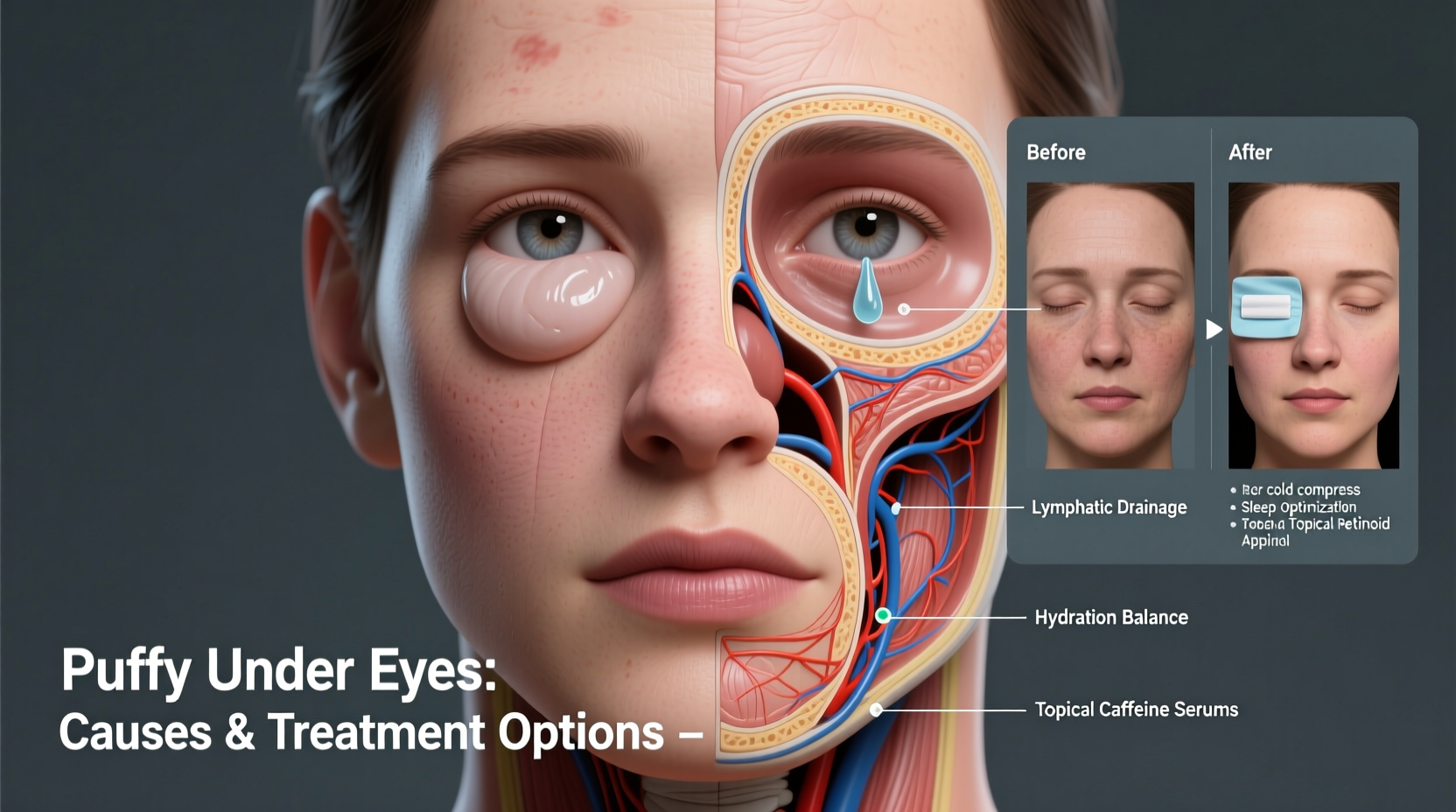
Under eye puffiness refers to the swelling or bulging that occurs beneath the lower eyelids. This area is particularly prone to fluid accumulation and fat displacement because the skin is among the thinnest on the body—just 0.5 millimeters thick. As we age, connective tissues weaken, and fat that normally supports the eyes can shift forward, creating a swollen appearance. Additionally, temporary puffiness can result from fluid retention, allergies, or lack of sleep.
The visibility of puffiness varies by individual. Some people experience mild morning swelling that resolves within hours, while others have persistent bags that impact facial aesthetics and self-confidence. It’s important to distinguish between transient puffiness and chronic under-eye bags, as their management strategies differ significantly.
Tip: Elevate your head slightly while sleeping to reduce overnight fluid accumulation under the eyes.Common Causes of Puffy Under Eyes
Puffiness under the eyes stems from a range of factors, including natural aging, lifestyle choices, and medical conditions. Identifying the root cause is essential for selecting the most effective treatment approach.
- Aging: Loss of skin elasticity and weakening of orbital tissues allow fat pads to protrude, leading to permanent under-eye bags.
- Fluid Retention: High sodium intake, hormonal fluctuations (especially during menstruation), and excessive alcohol consumption can trigger water retention, worsening puffiness.
- Allergies: Seasonal or environmental allergens cause histamine release, increasing blood flow and leakage of fluid into surrounding tissues, resulting in swelling and darkening.
- Lack of Sleep: Chronic sleep deprivation disrupts circulation and promotes fluid buildup, making the under-eye area appear swollen and shadowed.
- Genetics: A family history of under-eye bags increases the likelihood of developing them at an earlier age.
- Dietary Habits: Diets high in processed foods, salt, and sugar contribute to inflammation and fluid imbalance.
- Dehydration: Paradoxically, not drinking enough water can lead the body to retain fluids, including around the delicate eye area.
“Persistent under-eye puffiness isn’t just a cosmetic issue—it can reflect deeper imbalances in sleep, hydration, or immune response.” — Dr. Lena Patel, Dermatologist and Skin Health Specialist
Symptoms Associated with Under Eye Swelling
While puffiness itself is the primary symptom, it may be accompanied by other signs that provide clues about its origin:
| Symptom | Possible Cause |
|---|---|
| Swelling only in the morning | Normal fluid redistribution during sleep |
| Itching and redness | Allergic reaction or dermatitis |
| Dark circles | Thin skin revealing underlying blood vessels or pigmentation |
| Persistent fullness throughout the day | Fat prolapse due to aging or heredity |
| Pain or warmth | Infection such as conjunctivitis or orbital cellulitis (requires medical attention) |
| Bilateral vs. unilateral swelling | Bilateral suggests systemic causes; unilateral may indicate localized infection or cyst |
Not all puffiness requires medical evaluation. However, sudden onset, asymmetry, pain, or vision changes warrant prompt consultation with a healthcare provider to rule out serious conditions.
Effective Treatment Options
Treatment for puffy under eyes depends on the cause and severity. Options range from simple home remedies to clinical procedures. Most cases respond well to lifestyle adjustments and topical care.
Non-Invasive Treatments
- Cold Compresses: Applying a chilled spoon or damp cloth for 10 minutes constricts blood vessels and reduces swelling.
- Caffeine-Based Eye Creams: Topical caffeine helps tighten skin and stimulate microcirculation, reducing fluid buildup.
- Hydration and Diet Modification: Reducing salt intake and increasing water consumption can minimize fluid retention.
- Allergy Management: Antihistamines (oral or ophthalmic) alleviate allergy-related swelling and itching.
- Sleep Optimization: Aim for 7–9 hours per night with consistent sleep-wake times to support tissue recovery.
Medical and Cosmetic Procedures
For long-standing or severe under-eye bags, professional treatments offer more dramatic results:
- Chemical Peels: Improve skin texture and firmness by promoting collagen production.
- Laser Resurfacing: Targets fine lines and mild laxity using fractional CO2 or erbium lasers.
- Filler Injections: Hyaluronic acid fillers like Restylane can smooth the tear trough, reducing the shadow effect that accentuates puffiness.
- Blepharoplasty: Surgical removal or repositioning of fat pads through a lower eyelid incision. This is the most definitive solution for structural under-eye bags.
Step-by-Step Guide to Reducing Morning Puffiness
Follow this routine each morning to visibly diminish under-eye swelling:
- Wash your face with cool water to gently wake up the skin and constrict capillaries.
- Apply a cold compress for 5–10 minutes using refrigerated metal spoons or a clean washcloth soaked in cold water.
- Use a lightweight eye cream containing ingredients like caffeine, niacinamide, or peptides.
- Perform a gentle lymphatic massage by tapping fingertips from the inner corner outward along the orbital bone to encourage fluid drainage.
- Stay hydrated throughout the day—drink a glass of water immediately upon waking.
Mini Case Study: Addressing Chronic Under Eye Bags
Sarah, a 38-year-old teacher, noticed increasing puffiness under her eyes despite adequate sleep. She initially attributed it to stress but found that cold compresses and eye creams provided only temporary relief. After consulting a dermatologist, she discovered her symptoms were exacerbated by undiagnosed seasonal allergies and a high-sodium diet. By switching to a low-salt meal plan, using prescription antihistamine drops during pollen season, and incorporating a retinol-based eye serum at night, Sarah reduced her under-eye swelling by over 60% within eight weeks. For residual shadows, she opted for a small hyaluronic acid filler treatment, achieving a refreshed, natural look without surgery.
Checklist: Daily Habits to Prevent Under Eye Puffiness
- ✅ Drink at least 8 glasses of water daily
- ✅ Limit processed and salty foods
- ✅ Use hypoallergenic skincare products
- ✅ Sleep on your back with an extra pillow
- ✅ Apply sunscreen daily to prevent collagen breakdown
- ✅ Remove eye makeup gently before bed
- ✅ Manage allergies with appropriate medication
FAQ
Can puffy under eyes be a sign of a serious health problem?
Most cases are benign, but persistent or asymmetric swelling could indicate thyroid disease, kidney dysfunction, or infection. If puffiness is accompanied by fatigue, weight changes, or breathing issues, consult a physician.
Do eye creams really work for puffiness?
Some do—particularly those formulated with caffeine, peptides, or antioxidants. However, they cannot correct structural fat prolapse. Consistent use over 6–8 weeks yields best results.
Is surgery the only permanent fix for under-eye bags?
Blepharoplasty offers the longest-lasting correction for true fat herniation. Non-surgical methods manage symptoms but don’t alter anatomy. Results from fillers last 9–18 months and require maintenance.
Conclusion
Puffy under eyes are more than a surface-level concern—they reflect lifestyle patterns, genetic predispositions, and sometimes underlying health dynamics. With the right combination of preventive habits, targeted treatments, and professional guidance when needed, significant improvement is achievable. You don’t have to live with tired-looking eyes. Start today by evaluating your sleep, diet, and skincare routine. Small changes can yield visible results, and for more stubborn cases, modern dermatology offers safe, effective solutions.
💬 Have you tried any of these treatments? Share your experience below and help others find what works!








