Plush dog toys are among the most beloved by pets and owners alike. Soft, cuddly, and often designed with squeakers or crinkle sounds, they provide comfort and stimulation. However, their appeal comes with a trade-off: durability challenges and potential safety risks. Dogs can quickly shred seams, ingest stuffing, or chew off small parts. With the right care and selection strategies, it’s possible to extend the life of plush toys while keeping them safe. These proven techniques combine material knowledge, cleaning practices, supervision habits, and smart purchasing decisions to ensure hours of safe, joyful play.
Choose the Right Toy for Your Dog’s Play Style
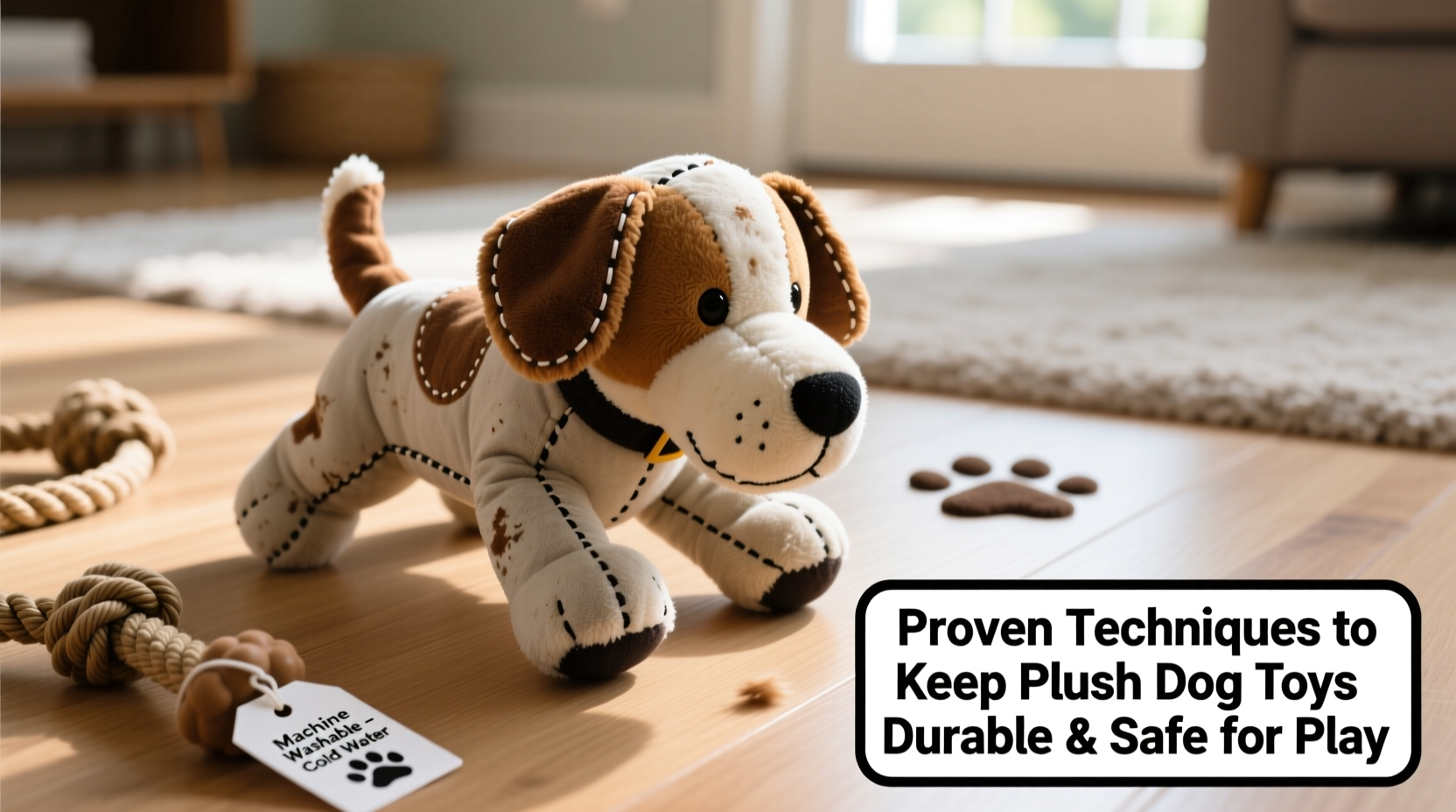
Not all plush toys are created equal. The key to long-lasting, safe plush toys begins with matching the toy to your dog’s behavior. A gentle senior dog may enjoy a soft, lightweight companion, while a powerful chewer needs reinforced stitching and tougher fabrics.
- Gentle players: Look for standard plush toys with embroidered eyes and minimal stuffing.
- Active chewers: Opt for “tough plush” models made with double-stitched seams, reinforced fabric layers, or rubberized inserts.
- Puppies: Choose washable, non-toxic toys free of small detachable parts.
“Matching the toy to the dog’s energy level and chewing habits is the first step in preventing early destruction and ingestion risks.” — Dr. Lena Torres, DVM, Canine Behavior SpecialistTip: Avoid plush toys with plastic eyes, noses, or buttons if your dog tends to pull at facial features.
Inspect and Maintain Toys Weekly
Regular inspection prevents accidents. Even high-quality plush toys degrade over time. A quick weekly check can identify weak seams, exposed stuffing, or loose parts before they become hazards.
Create a simple maintenance routine:
- Squeeze each toy to feel for clumping or moisture inside.
- Examine seams for fraying or unraveling.
- Check for missing pieces like squeakers or tags.
- Smell the toy—persistent odors may indicate bacterial growth.
If any damage is found, repair or retire the toy immediately. Small foam beads or synthetic fibers can cause intestinal blockages if swallowed.
Do’s and Don’ts of Plush Toy Maintenance
| Do | Don’t |
|---|---|
| Wash plush toys every 1–2 weeks | Leave damaged toys within reach |
| Use mild, pet-safe detergent | Use bleach or strong chemicals |
| Air-dry completely before reuse | Tumble dry on high heat |
| Rotate toys to reduce wear | Allow unsupervised play with weak toys |
| Store in a dry, ventilated bin | Keep toys in damp basements or garages |
Washing Techniques That Preserve Fabric Integrity
Cleaning plush toys isn’t just about hygiene—it prevents mold, bacteria, and odor buildup that can deter dogs from playing. But improper washing can weaken seams and fade colors.
Follow this effective cleaning method:
- Pre-treat stains: Spot-clean mud or drool with a cloth dampened in warm water and a drop of dish soap.
- Machine wash (if label allows): Use cold water on a gentle cycle with a mild detergent. Place the toy in a mesh laundry bag to reduce agitation.
- Hand wash (recommended for delicate toys): Soak in lukewarm water with pet-safe detergent for 10–15 minutes. Gently squeeze—do not twist—to remove grime.
- Rinse thoroughly: Ensure no soap residue remains, which can irritate your dog’s skin or mouth.
- Dry completely: Air-dry flat in a well-ventilated area away from direct sunlight. Never use a dryer unless the label explicitly permits it.
Real Example: How One Owner Extended Her Lab���s Favorite Toy Life
Sarah, a dog owner in Colorado, had a 2-year-old Labrador named Max who adored a duck-shaped plush toy. Within three weeks, the original version was destroyed—stuffing scattered, squeaker gone. Concerned about safety and waste, Sarah began rotating two identical “tough plush” ducks and implemented a strict care routine.
She washed each toy every Sunday, inspected seams daily, and only allowed supervised play sessions. When minor tears appeared, she hand-stitched them with heavy-duty thread. Over 14 months later, both toys remain in active rotation. “It’s not just about saving money,” Sarah says. “I sleep better knowing Max isn’t swallowing anything dangerous.”
This case highlights how consistent care and proactive management significantly extend toy lifespan—even for strong chewers.
Storage and Rotation Strategies for Longevity
Just like children’s toys, rotating plush dog toys keeps them fresh and reduces wear. Dogs often lose interest when the same toys are always available. A rotation system introduces novelty and gives each toy time to rest.
Use these storage tips:
- Keep clean toys in labeled bins (e.g., “Red Week,” “Blue Week”).
- Store bins in a climate-controlled space—avoid humidity and temperature extremes.
- Never stack heavy items on top of plush toys; this compresses stuffing and distorts shape.
Rotate toys every 5–7 days. Wash and air out retired toys before storing. This approach preserves structural integrity and maintains your dog’s enthusiasm.
Plush Toy Safety Checklist
Before giving a plush toy to your dog, verify:- ✅ No small, detachable parts (eyes, noses, tags)
- ✅ Double-stitched or reinforced seams
- ✅ Machine-washable or easy to clean
- ✅ Filled with non-toxic, hypoallergenic polyester fiber
- ✅ Appropriate size—too small could be a choking hazard
- ✅ Free of chemical odors or dyes
Frequently Asked Questions
Can I repair a torn plush toy?
Yes, minor tears can be safely repaired using a needle and strong thread. Sew along the seam, knot securely, and trim excess. Avoid glue, as it may be toxic if ingested. If the stuffing is exposed or the squeaker is broken, retire the toy even if repaired.
How do I know when to throw away a plush toy?
Discard the toy if: seams are splitting beyond repair, stuffing is coming out, there’s a foul odor after washing, or parts like squeakers or buttons are loose. When in doubt, replace it. Safety outweighs sentimentality.
Are “indestructible” plush toys really safe?
While no plush toy is truly indestructible, some brands use layered fabrics, puncture-resistant linings, or rubber cores to enhance durability. These are safer for moderate chewers but still require monitoring. Always supervise initial play sessions.
Final Thoughts: Safety, Care, and Smart Habits
Keeping plush dog toys durable and safe isn’t complicated—but it does require consistency. From selecting the right toy based on your dog’s habits to implementing a cleaning and inspection schedule, every step contributes to longer toy life and better pet health. Thoughtful storage and rotation add novelty while reducing wear, and prompt repairs or replacements prevent emergencies.
Remember, a dog’s favorite toy might seem insignificant, but it plays a role in mental stimulation, comfort, and bonding. By treating plush toys with care, you’re not just preserving fabric and stuffing—you’re protecting your dog’s well-being.
💬 Have a plush toy tip that saved your dog’s favorite companion? Share your story in the comments and help fellow pet owners keep playtime safe and sustainable!








