Cat collars do more than just look cute. For many owners, a collar is part of their cat’s identity—especially when it comes in glittering pink, adorned with rhinestones, or labeled as a “princess” accessory. But beyond aesthetics, what do these decorative collars offer? How do they stack up against standard, utilitarian collars in terms of safety, comfort, and functionality? With so many options flooding pet stores and online marketplaces, it's time to separate fashion from function and determine whether princess cat collars are genuinely beneficial or merely ornamental.
What Defines a Princess Cat Collar?
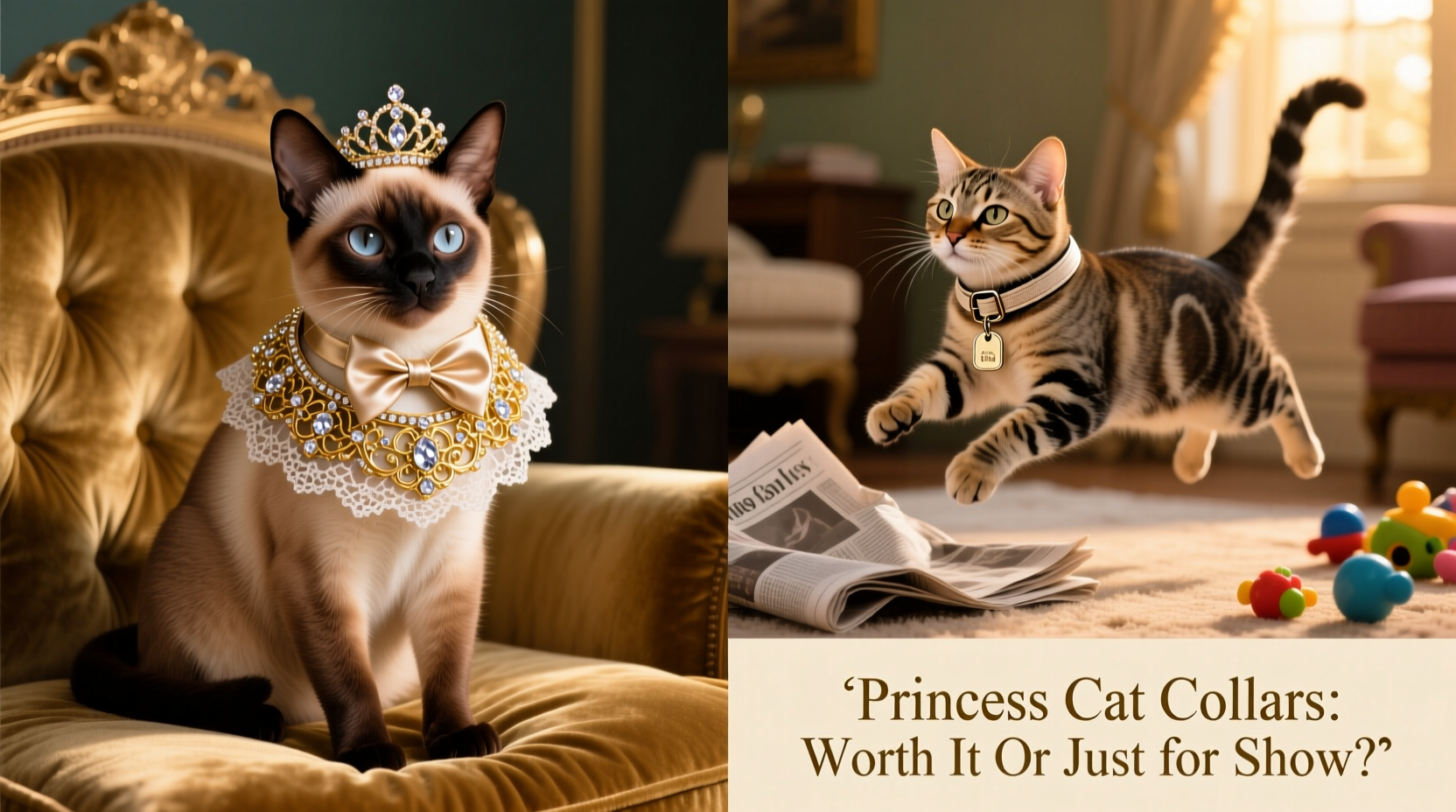
The term “princess cat collar” typically refers to a decorative collar designed to emphasize cuteness, elegance, or femininity. These often feature:
- Pastel colors like lavender, blush pink, or baby blue
- Rhinestones, faux pearls, or embroidered floral patterns
- Dainty metal charms shaped like crowns, hearts, or tiaras
- Satin or velvet materials instead of durable nylon
While visually appealing, these design choices can compromise practicality. Unlike standard collars built for durability and safety, princess collars often prioritize appearance over performance. That doesn’t mean they’re inherently bad—but understanding their limitations is essential before making a purchase.
Tip: Never leave a decorative collar on your cat unsupervised. If it lacks a breakaway clasp, it could become a strangulation hazard.Functional Comparison: Safety and Comfort
A cat’s collar should serve at least one functional purpose: holding an ID tag, supporting a flea prevention device, or aiding in quick identification if lost. More importantly, it must be safe. This is where the real difference between princess and regular collars becomes evident.
Standard cat collars are typically made from lightweight nylon or polyester webbing, equipped with breakaway clasps that release under pressure—preventing choking if the collar snags on furniture, fences, or branches. In contrast, many princess-style collars use rigid buckles, non-release closures, or delicate fabrics that don’t stretch or tear easily, increasing the risk of injury.
“Any collar that doesn’t have a breakaway mechanism poses a serious risk to cats, especially indoor-outdoor ones.” — Dr. Lena Reyes, Feline Veterinarian & Pet Safety Advocate
Key Safety Features Missing in Many Princess Collars
- No breakaway clasp: Increases risk of entanglement-related injuries.
- Rigid embellishments: Metal charms or beads can catch on objects or irritate the skin.
- Non-breathable materials: Satin or thick fabric may cause overheating or chafing.
When Style Meets Substance: Can Princess Collars Be Safe?
Not all decorative collars are unsafe. Some brands now produce “princess” designs with integrated breakaway features, soft inner linings, and secure but lightweight adornments. These hybrid models attempt to balance charm with care, offering aesthetic appeal without sacrificing feline well-being.
For example, certain premium brands offer rhinestone-trimmed collars with elastic side panels and snap-release buckles. These allow cats to look stylish while reducing the danger of entrapment. However, they tend to be more expensive and less widely available than basic collars.
| Feature | Princess Collar (Typical) | Regular Collar (Standard) | Hybrid Princess Collar (Premium) |
|---|---|---|---|
| Material | Satin, velvet, lace | Nylon, polyester | Satin with nylon backing |
| Breakaway Clasp | Rarely included | Standard feature | Usually included |
| Durability | Low – prone to fraying | High – resistant to wear | Moderate to high |
| Comfort | Variable – may rub or overheat | Consistently comfortable | Generally good |
| Price Range | $5–$15 | $6–$12 | $15–$25 |
Real-Life Example: Bella the Escaped Kitten
Six-month-old Bella, a playful domestic shorthair, slipped out through an open window wearing her new lavender princess collar with a tiny silver crown charm. Two days later, she was found by a neighbor tangled in garden netting. The collar had caught on the mesh, and though Bella survived, she suffered minor neck abrasions. Her owner assumed the collar was safe because it looked “high quality,” but it lacked a breakaway mechanism.
After consulting with her vet, Bella’s owner switched to a reflective breakaway collar for outdoor time and only uses the princess collar briefly for photos—always under supervision. This case highlights how even well-intentioned fashion choices can endanger pets if safety isn't prioritized.
How to Choose the Right Collar: A Practical Checklist
If you want your cat to enjoy both style and safety, follow this checklist before purchasing any collar:
- Look for a breakaway clasp: Ensures the collar releases if snagged.
- Check material breathability: Avoid thick, non-porous fabrics.
- Ensure proper fit: You should be able to fit two fingers comfortably beneath the collar.
- Avoid dangling parts: Long ribbons, large charms, or loose threads can catch easily.
- Test for weight: The collar should feel nearly weightless when held.
- Use ID tags wisely: Attach them to a separate, sturdier collar if the princess one seems too fragile.
- Limited wear only: Reserve decorative collars for short, supervised periods.
Frequently Asked Questions
Can I leave a princess collar on my cat all day?
No, unless it has a certified breakaway clasp and no hazardous decorations. Most princess collars aren’t designed for 24/7 wear. Use them temporarily and always monitor your cat during use.
Do cats need collars at all if they’re microchipped?
Yes. While microchips are invaluable for identification, they require someone to take your cat to a vet or shelter to scan. A visible ID tag on a collar allows immediate return. Even indoor cats can escape, so a simple, safe collar with an ID is strongly recommended.
Are there stylish collars that are also safe?
Absolutely. Brands like P.L.A.Y., Kitty Holster, and Buckle-Down offer fashionable designs with safety-first engineering—featuring breakaway clips, adjustable fits, and non-toxic dyes. Look for products explicitly labeled “breakaway” or “safety” even if they include decorative elements.
Final Verdict: Worth It or Just for Show?
Princess cat collars, in their traditional form, lean heavily toward ornamentation. They serve little functional purpose and often lack critical safety features. For everyday use, they are not recommended. However, when used responsibly—briefly, under supervision, and on cats that tolerate them—they can add a touch of personality without significant risk.
The real value lies not in the sparkle of a rhinestone, but in peace of mind. A collar that keeps your cat safe, identifiable, and comfortable will always outperform one chosen solely for its looks. That said, if you find a princess-style collar that meets safety standards, there’s no harm in indulging your feline’s royal persona—just don’t let glamour override responsibility.
💬 Have you used a princess collar on your cat? Share your experience—what worked, what didn’t—and help other pet owners make smarter, safer choices!








