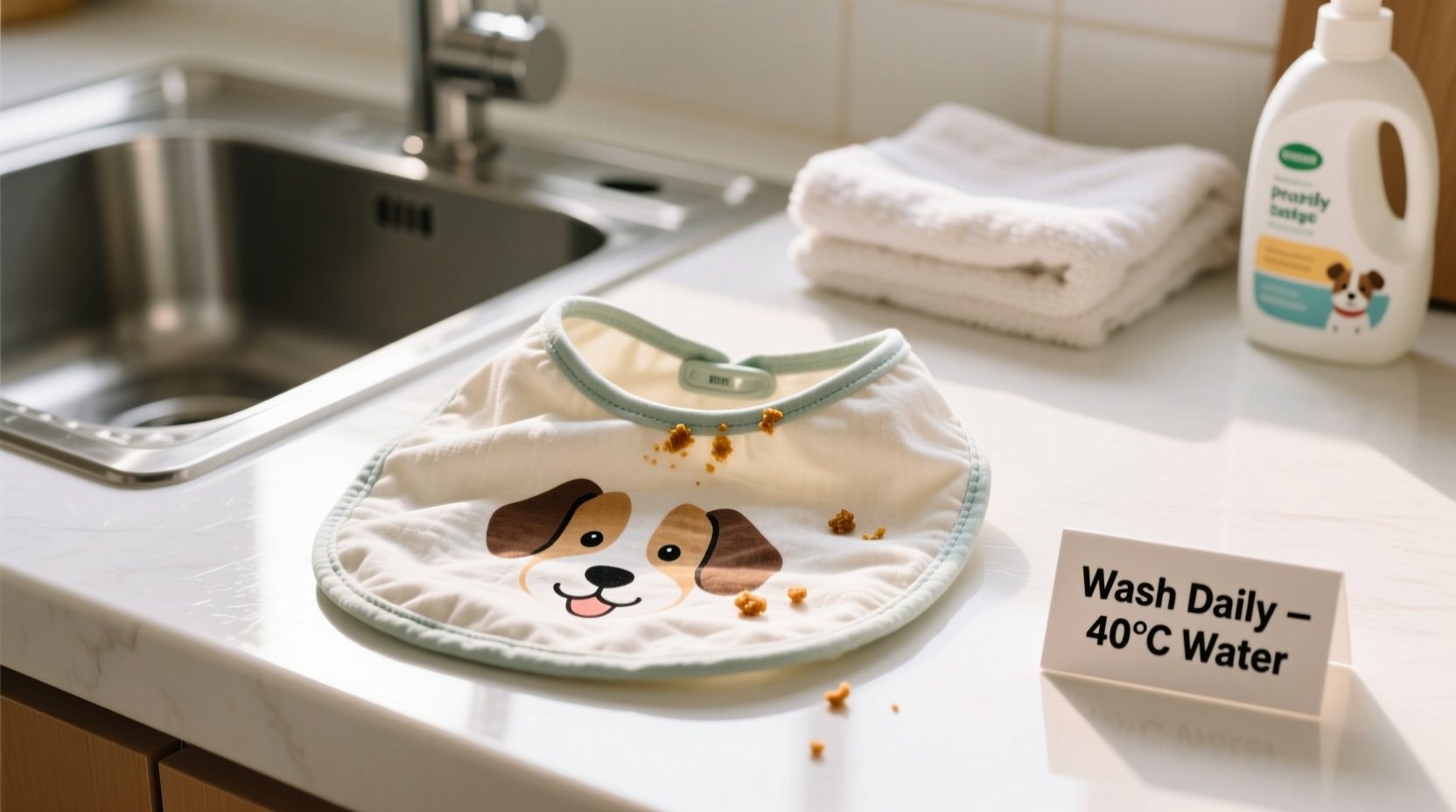
Puppies are joyful, energetic, and endlessly curious—but they’re also messy eaters. Whether it’s breakfast kibble, wet food, or post-playtime water splashes, a puppy’s bib quickly becomes a hotspot for bacteria, drool, and food residue. A dirty bib isn’t just unsightly; it can harbor germs that may lead to skin irritation, bad odors, or even infections around the neck and chin. Maintaining a clean and hygienic puppy bib isn’t optional—it’s essential for your pet’s comfort and well-being. With consistent care and smart habits, keeping a puppy’s bib fresh is simple and manageable.
Choose the Right Bib Material for Easy Maintenance
The foundation of a hygienic puppy bib starts with selecting the right material. Not all fabrics are created equal when it comes to resisting moisture, stains, and bacterial growth. Opt for materials that are both comfortable for your puppy and easy to clean.
- Nylon or polyester blends: Durable, water-resistant, and machine-washable. Ideal for heavy droolers or puppies on wet food diets.
- Cotton with waterproof backing: Soft against the skin while repelling liquids. Great for everyday use but requires frequent washing.
- Silicone bibs: Non-porous, stain-resistant, and wipe-clean. Perfect for quick meals or training sessions.
Daily Cleaning Routine: The 3-Step Process
A structured daily routine prevents buildup and keeps the bib in optimal condition. Follow this three-step method after every meal or play session involving food or water:
- Wipe Down Immediately: Use a pet-safe disinfectant wipe or damp cloth to remove food particles, drool, and surface grime. Focus on high-contact areas like the chin and neck strap.
- Inspect for Stains or Odors: Check for lingering smells or discoloration. These are early signs of microbial growth and require deeper cleaning.
- Sanitize When Necessary: If the bib has been exposed to muddy paws, outdoor elements, or vomit, apply a diluted vinegar solution (1 part white vinegar to 3 parts water) or pet-safe enzymatic cleaner before washing.
This proactive approach reduces the need for intensive cleaning later and extends the life of the bib.
Weekly Deep-Cleaning Schedule and Methods
Daily wiping isn’t enough over time. Weekly deep-cleaning ensures complete hygiene. The method depends on the bib type:
| Bib Type | Cleaning Method | Drying Instructions | Frequency |
|---|---|---|---|
| Fabric (Cotton/Nylon) | Machine wash cold with mild detergent | Air dry flat; avoid direct sunlight | Once per week |
| Silicone | Hand wash with warm soapy water or dishwasher (top rack) | Pat dry with clean towel | Every 5–7 days |
| Leather or Faux Leather | Wipe with damp cloth; condition monthly | Wipe dry immediately; never soak | Spot clean only; deep wipe weekly |
Always follow manufacturer instructions. Overwashing fabric bibs can cause fraying, while soaking silicone or leather may degrade material integrity.
Prevent Cross-Contamination and Bacterial Growth
A bib touches your puppy’s face and often comes into contact with floors, bowls, and toys. This increases the risk of spreading bacteria. Prevent cross-contamination with these practices:
- Never let your puppy wear the bib outside feeding or training times.
- Store the bib in a designated, dry container away from pet waste areas.
- Wash your hands before and after handling a used bib.
- Use separate towels or cloths for cleaning pet items versus human surfaces.
“Moisture-trapping materials left unwashed for more than 24 hours can develop mold and harmful bacteria like E. coli,” says Dr. Lena Patel, DVM, and veterinary dermatology specialist. “A consistent cleaning schedule is as important as diet and vaccinations for puppy health.”Tip: Keep a spare bib on hand so one can be worn while the other is being cleaned.
Mini Case Study: How the Thompson Family Reduced Chin Acne in Their Labrador Puppy
The Thompsons adopted a 10-week-old yellow Labrador named Milo. Within weeks, he developed persistent red bumps under his chin. After ruling out allergies, their vet suggested poor bib hygiene as a likely culprit. The family was using a cotton bib but only washing it once every 10 days. They switched to a nylon-backed bib with quick-dry properties and implemented a strict regimen: wipe after each meal, sanitize midweek, and wash every Friday. Within two weeks, Milo’s skin cleared up completely. The change wasn’t costly or time-consuming—just consistent.
This real-life example underscores how small daily habits directly impact a puppy’s health. Skin issues caused by unclean bibs are preventable with minimal effort.
Essential Checklist for Daily Bib Hygiene
Stay on track with this actionable checklist. Print it or save it on your phone for quick reference:
- ✅ Remove bib immediately after feeding or play.
- ✅ Wipe down with pet-safe disinfectant or damp cloth.
- ✅ Inspect for stains, odors, or wear-and-tear.
- ✅ Store in a clean, dry place—never crumpled in a drawer.
- ✅ Rotate between two bibs to allow thorough drying.
- ✅ Wash fabric bibs weekly; sanitize silicone models bi-weekly.
- ✅ Replace bibs showing fraying, broken snaps, or persistent odors.
Common Mistakes That Compromise Bib Hygiene
Even well-meaning owners make errors that undermine their efforts. Avoid these pitfalls:
- Letting the bib air dry indoors without wiping first: Trapped moisture breeds bacteria. Always pat dry with a clean towel.
- Using strong detergents or bleach: Harsh chemicals irritate sensitive puppy skin and degrade fabric fibers.
- Reusing a damp bib: Never put a slightly moist bib back on your puppy. It creates a breeding ground for yeast and fungi.
- Ignoring the fasteners: Velcro and snaps collect food debris. Clean them weekly with a soft brush.
Frequently Asked Questions
How often should I replace my puppy’s bib?
Replace fabric or silicone bibs every 3–6 months, depending on wear. Signs it’s time for a new one include fading, fraying, stubborn stains, or weakened fasteners. Regular replacement ensures optimal hygiene and safety.
Can I use baby wipes to clean my puppy’s bib?
Only if they are alcohol-free, fragrance-free, and explicitly labeled safe for pets. Many baby wipes contain chemicals like phenols or alcohol that can irritate your puppy’s skin or leave residues. Pet-specific wipes are a safer choice.
Is it safe to put a fabric bib in the dryer?
No. High heat can shrink fabric, melt synthetic fibers, or damage waterproof coatings. Always air dry bibs flat in a well-ventilated area, away from direct sunlight to prevent UV degradation.
Final Thoughts: Small Habits, Big Impact on Puppy Health
Keeping a puppy’s bib clean might seem minor compared to vaccinations or training, but hygiene directly affects comfort, skin health, and overall well-being. The strategies outlined here—choosing the right material, wiping daily, deep-cleaning weekly, and avoiding common mistakes—are simple yet powerful. They require just minutes each day but prevent long-term issues like rashes, infections, or unpleasant odors.
Think of bib maintenance as part of your puppy’s grooming routine, just like brushing their coat or trimming nails. With consistency, it becomes second nature. Your puppy will eat happily, stay healthy, and look adorable—all without the hidden risks of a neglected bib.
💬 Have a bib-cleaning hack or story to share? Join the conversation below and help fellow puppy parents build better hygiene habits!








