For pet owners, choosing between a plush dog toy and a fluffy dog bed often feels like comparing apples and oranges—both are soft, cuddly, and beloved by dogs, but they serve entirely different purposes. Yet confusion persists. Are plush toys suitable as bedding? Can a dog bed double as a chew toy? More importantly, when it comes to canine well-being, is one truly superior—or does it all come down to individual dog preference?
The answer isn’t straightforward. While both items contribute to comfort and happiness, their roles in a dog’s life are distinct. Understanding these differences—and how your dog interacts with each—can lead to smarter choices, improved safety, and greater satisfaction for both pet and owner.
Understanding the Purpose: Toy vs. Bed
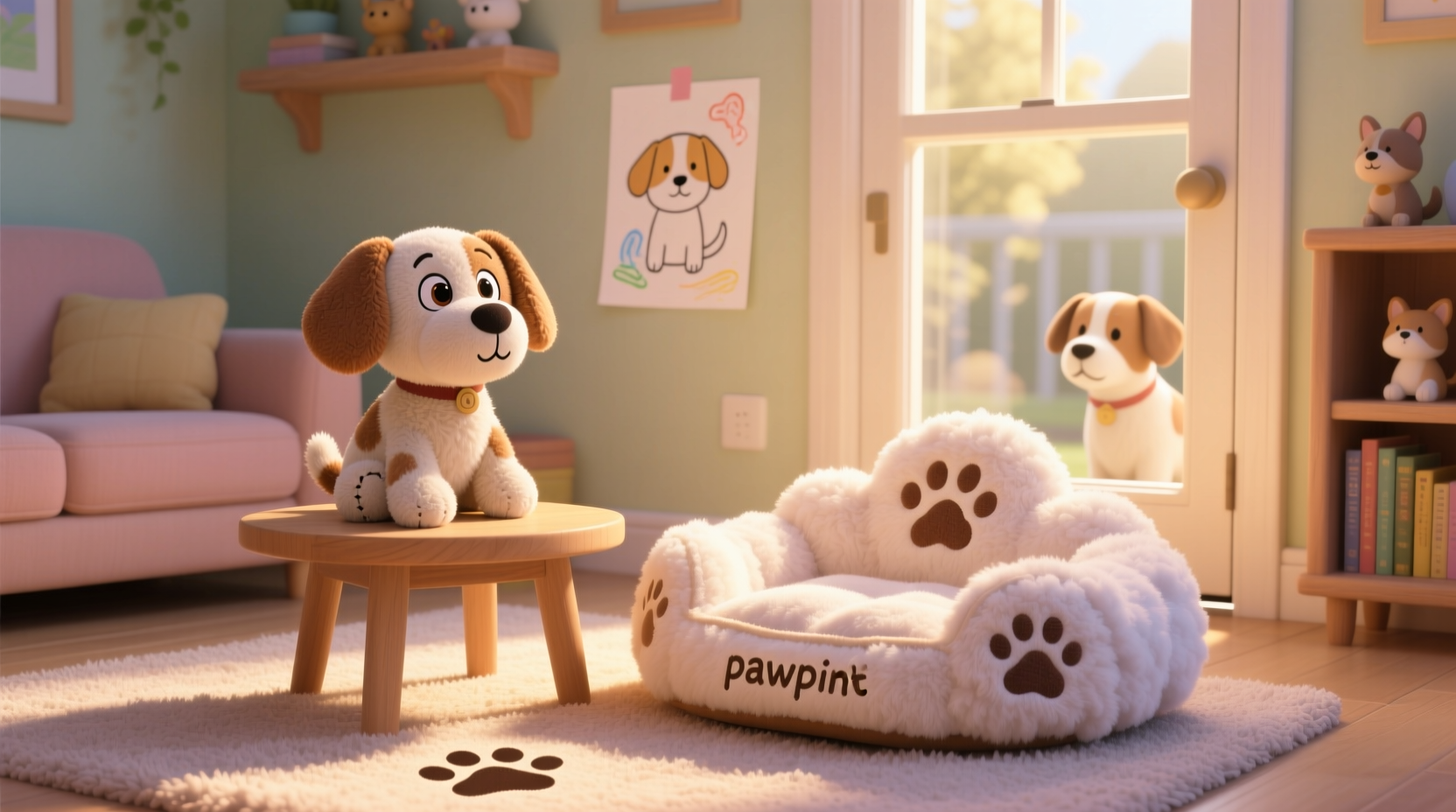
At first glance, plush toys and fluffy dog beds may seem similar due to their shared softness and fabric composition. However, their intended functions diverge significantly.
Plush dog toys are designed for interaction. They encourage play, mental stimulation, and bonding. Many mimic animals or squeak to engage a dog’s prey drive. These toys are meant to be carried, tossed, tugged, and sometimes chewed—within limits.
Fluffy dog beds, on the other hand, are engineered for rest. They provide orthopedic support, insulation from cold floors, and a designated safe space. Their stuffing is typically denser and less accessible, prioritizing durability and long-term comfort over portability.
Mixing up these purposes can lead to problems. A dog that treats a plush toy like a bed may destroy it quickly, risking ingestion of stuffing. Conversely, chewing aggressively on a fluffy bed can compromise its structure and render it unsafe.
Tip: Never leave a dog unattended with a plush toy if they have a history of tearing it apart. Supervision prevents accidental ingestion of foreign materials.Safety Considerations: What Could Go Wrong?
Safety is a critical factor when deciding how to use plush items in your dog’s environment. Both toys and beds pose risks if misused or poorly constructed.
- Choking hazards: Plush toys often contain small parts like plastic eyes, squeakers, or ribbons. If torn open, these can become choking hazards.
- Ingestion of filling: Polyester fiberfill, commonly used in both toys and beds, is not digestible. Large ingestions can cause intestinal blockages requiring surgery.
- Wear and tear: Fluffy beds degrade over time. Exposed foam or clumped filling reduces comfort and increases health risks.
- Allergens and bacteria: Soft materials trap dander, saliva, and dirt. Without regular cleaning, they become breeding grounds for mold and odor-causing microbes.
“Just because a dog loves something doesn’t mean it’s safe. Owners must balance affection with awareness.” — Dr. Lena Patel, Veterinary Behaviorist
Comparing Features: When to Choose What
To clarify the differences, here’s a side-by-side comparison of plush dog toys and fluffy dog beds based on key criteria.
| Feature | Plush Dog Toy | Fluffy Dog Bed |
|---|---|---|
| Purpose | Play, mental stimulation | Rest, sleep support |
| Durability | Moderate to low (depends on chew strength) | High (designed for daily use) |
| Stuffing Accessibility | Easy to tear open | Protected by durable outer layer |
| Cleanability | Often machine washable, but frequent wear reduces lifespan | Most have removable, washable covers |
| Best For | Interactive play, puppies, light chewers | Senior dogs, anxious pets, cold climates |
| Risk Level | Higher if unsupervised | Lower, unless damaged |
Real-World Example: Two Dogs, Two Needs
Consider Max and Bella, two dogs from the same household with opposite preferences.
Max, a 3-year-old Border Collie, is energetic and playful. He adores his plush squirrel toy, carrying it everywhere and “hunting” it around the house. But every few weeks, he manages to rip it open, scattering fluff across the living room. His owners now supervise his playtime and replace the toy regularly.
Bella, a 10-year-old Basset Hound, prefers her fluffy orthopedic bed. She naps most of the day and needs joint support. Though she occasionally nudges her bed like a toy, she doesn’t chew it. The bed has lasted over a year with minimal wear.
This example illustrates that while both dogs enjoy soft items, their behaviors and needs differ drastically. One thrives on interaction; the other values comfort. Neither is wrong—it’s about matching the product to the dog.
How to Make the Right Choice: A Practical Checklist
Instead of assuming one item is universally better, use this checklist to guide your decision:
- ✅ Observe your dog’s behavior: Do they carry soft things to their bed, or do they shred them immediately?
- ✅ Assess their age and activity level: Puppies and high-energy dogs may prefer toys; seniors benefit more from supportive beds.
- ✅ Check for allergies or sensitivities: Some dogs react to synthetic fibers. Organic cotton or hypoallergenic fills may be better.
- ✅ Evaluate chewing habits: Strong chewers need reinforced toys or indestructible alternatives.
- ✅ Prioritize safety: Avoid toys with small detachable parts if your dog is aggressive with plush items.
- ✅ Think long-term value: A $30 bed that lasts a year is more cost-effective than replacing $15 toys monthly.
Can a Plush Toy Ever Replace a Bed?
In rare cases, yes—but only temporarily and under supervision. Some dogs, especially those with strong attachment behaviors, may treat a favorite plush toy as a comfort object, curling up with it like a pillow. This is generally harmless if the toy remains intact.
However, relying on a toy for sleep support is not advisable. Plush toys lack the structural integrity to support joints or maintain shape over time. For dogs with arthritis, hip dysplasia, or anxiety, proper bedding is non-negotiable.
If your dog insists on sleeping with a plush toy, consider pairing it with a real bed. Place the toy on or beside the bed to satisfy emotional needs without sacrificing physical comfort.
Tip: Rotate plush toys weekly to keep them novel and reduce obsessive attachment. Store others out of sight to maintain interest.Frequently Asked Questions
Can I wash a plush dog toy and a fluffy dog bed the same way?
Not always. Most plush toys can be machine washed on gentle cycles, but check labels for plastic parts that may melt in heat. Fluffy beds often have removable covers that are machine washable, while the inner cushion should be spot-cleaned or air-dried. Always follow manufacturer instructions to avoid damage.
My dog destroys plush toys in minutes. Should I stop buying them?
Not necessarily. Try durable “tough” plush toys designed for moderate chewers, or supervise play sessions and put the toy away afterward. Alternatively, redirect chewing energy toward appropriate chew toys like rubber Kongs or nylon bones.
Is it okay for my dog to sleep on a plush toy instead of a bed?
If it’s occasional and the toy stays intact, it’s likely fine. But if your dog depends on a toy for sleep, especially if they’re older or have mobility issues, invest in a proper bed. Long-term, inadequate support can worsen joint pain and reduce sleep quality.
Final Thoughts: It’s About Function First, Preference Second
The debate between plush dog toys and fluffy dog beds isn’t about which is inherently better—it’s about understanding their roles. A plush toy excels at engagement and fun; a fluffy bed delivers rest and recovery. One isn’t superior in all contexts. Instead, the best choice aligns with your dog’s age, temperament, health, and habits.
Smart pet ownership means providing both: a safe, supportive place to sleep and stimulating, appropriate outlets for play. Recognizing the difference ensures your dog gets the full spectrum of care they deserve.
💬 Have a dog who treats their bed like a toy—or their toy like a bed? Share your story in the comments and help other pet parents navigate this soft-but-serious dilemma!








