
The perception that Pit Bulls are inherently aggressive has shaped public opinion, influenced legislation, and led to widespread breed-specific restrictions. Yet, behind this label lies a complex interplay of history, media portrayal, genetics, and human responsibility. While some individuals display aggressive behaviors, the same can be said for any dog breed. The critical question isn’t whether Pit Bulls can be aggressive—but why they are so often labeled as such, and whether that reputation is scientifically or ethically justified.
The Origins of the Pit Bull Breed
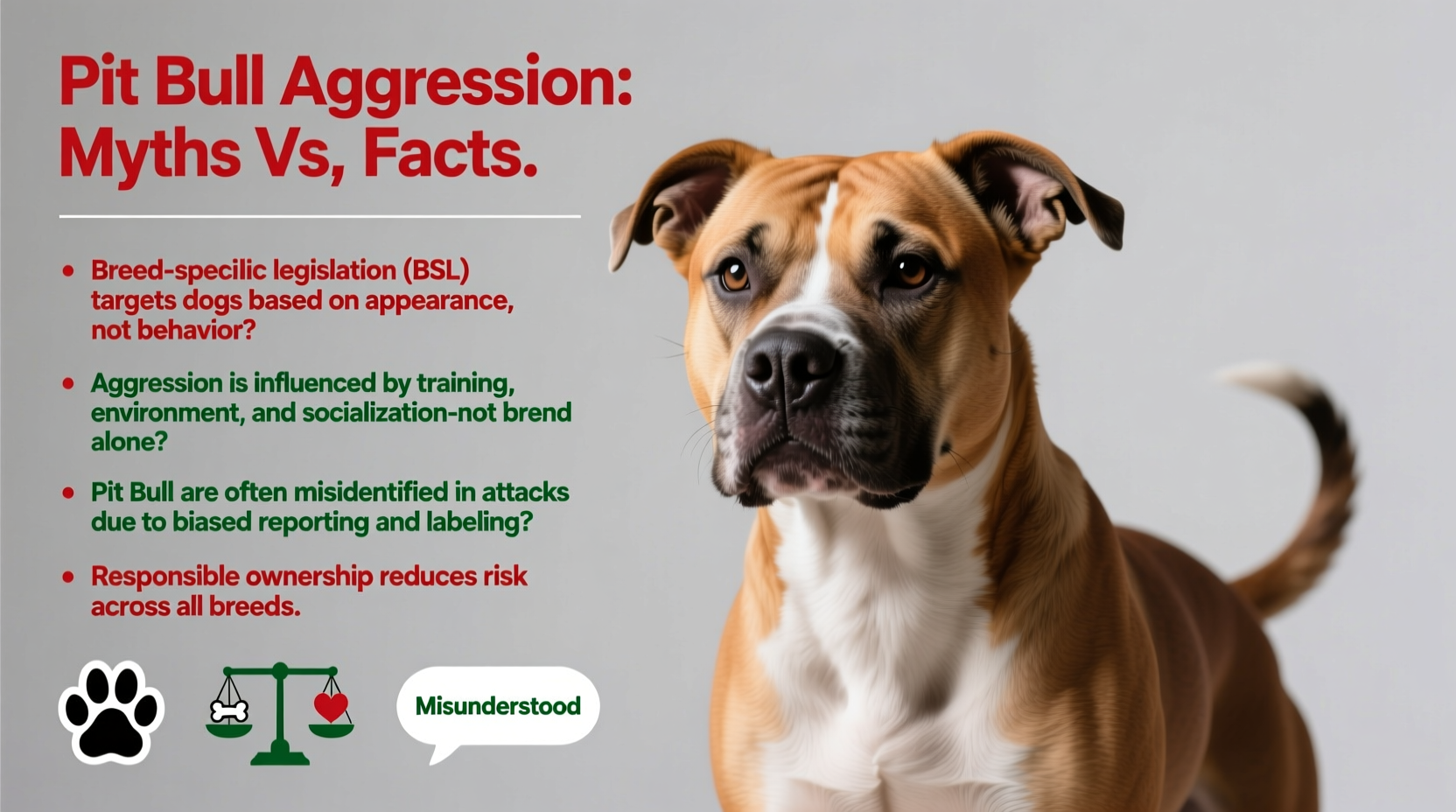
Pit Bulls, a term commonly referring to breeds like the American Pit Bull Terrier, American Staffordshire Terrier, and Staffordshire Bull Terrier, were originally developed in 19th-century England. Bred from bulldogs and terriers, they were initially used in blood sports like bull-baiting and later dogfighting—activities that demanded strength, tenacity, and a high pain tolerance. After these practices were outlawed, many Pit Bulls transitioned into roles as family companions, farm helpers, and even war mascots during World War I.
Despite their violent origins, early Pit Bulls were noted for their loyalty and affection toward humans. In fact, the American Temperament Test Society (ATTS) consistently ranks the American Pit Bull Terrier above average in temperament evaluations. In recent years, over 86% of Pit Bulls passed tests involving interactions with strangers, loud noises, and other animals—outperforming several more popular breeds.
“Breed-specific behavior is often exaggerated. Aggression is not hardwired; it’s shaped by environment, training, and ownership.” — Dr. Ian Dunbar, Veterinarian and Animal Behavior Specialist
Media Influence and Public Perception
No factor has done more to cement the aggressive image of Pit Bulls than sensationalized media coverage. When a dog attack occurs, news outlets are significantly more likely to identify the dog as a “Pit Bull” or “Pit Bull-type,” even without DNA verification. A 2014 study published in *Anthrozoös* found that visual identification of Pit Bulls by shelters and media sources is inaccurate up to 50% of the time.
In contrast, attacks by dogs like Golden Retrievers or Beagles rarely make headlines, despite similar or higher bite rates in some regions. This selective reporting creates a cognitive bias: people associate danger with Pit Bulls while overlooking aggression in traditionally “friendly” breeds.
Tip: When evaluating dog bite statistics, consider source credibility and whether breed identification was confirmed genetically or visually.Genetics vs. Environment: What Really Shapes Behavior?
While genetics play a role in temperament, environmental factors—including socialization, training, and treatment—are far more influential. A dog raised in isolation, used for guarding or fighting, or subjected to abuse is at much higher risk of developing aggressive tendencies—regardless of breed.
Responsible breeding also matters. Ethical breeders prioritize stable temperaments and screen for aggression. However, backyard breeders and illegal dogfighting rings often select for dominance and reactivity, contributing to problematic lineages. These dogs may end up in homes unprepared for their needs, reinforcing negative stereotypes.
Studies from the American Veterinary Medical Association (AVMA) emphasize that no breed is predisposed to unprovoked aggression toward humans. Instead, individual history, training consistency, and owner competence are the strongest predictors of behavior.
| Factor | Impact on Aggression | Controllable by Owner? |
|---|---|---|
| Genetics | Moderate (temperament tendencies) | Limited |
| Socialization (0–16 weeks) | High | Yes |
| Training Consistency | High | Yes |
| Abuse or Neglect | Very High | Yes (preventable) |
| Breed-Specific Legislation | Negligible or Counterproductive | No |
A Real-Life Example: The Transformation of \"Titan\"
Titan, a two-year-old American Pit Bull Terrier, was seized during a dogfighting raid in rural Ohio. Emaciated, scarred, and fearful, he growled at every approaching person. Rescued by a nonprofit specializing in rehabilitating fighting dogs, Titan underwent months of behavioral therapy. His handlers used positive reinforcement, gradual exposure to new environments, and structured socialization with calm dogs.
Within nine months, Titan learned to trust humans again. He passed temperament tests and was adopted by a family with children. Today, he serves as a reading companion at a local elementary school, where kids practice literacy skills aloud to him. Titan’s story underscores a vital truth: aggression is often a symptom of trauma, not identity.
How to Prevent Aggression in Any Dog
Preventing aggression starts long before behavioral issues arise. Responsible ownership includes proactive steps that benefit all breeds but are especially crucial for dogs already facing stigma.
- Early Socialization: Expose puppies to diverse people, animals, sounds, and surfaces between 3 and 14 weeks of age.
- Positive Reinforcement Training: Reward desired behaviors instead of punishing unwanted ones. Avoid dominance-based methods.
- Spay/Neuter: Reduces hormonal aggression and roaming behaviors.
- Secure Containment: Use fences and leashes to prevent escapes and unexpected encounters.
- Regular Veterinary Care: Pain or illness can trigger defensive aggression.
Checklist for Responsible Pit Bull Ownership
- ✅ Research breed-specific needs and local laws
- ✅ Adopt from a reputable rescue or breeder
- ✅ Commit to daily exercise (60+ minutes)
- ✅ Invest in professional training
- ✅ Neuter or spay your dog
- ✅ Use a sturdy leash and harness in public
- ✅ Advocate calmly when others express fear
- ✅ Document vaccinations and training progress
Frequently Asked Questions
Are Pit Bulls more dangerous than other breeds?
No scientific evidence supports the claim that Pit Bulls are inherently more dangerous. While they may be involved in a disproportionate number of severe bite incidents due to their strength and history, overall bite statistics are skewed by underreporting, misidentification, and socioeconomic factors. Properly raised and trained Pit Bulls are no more likely to bite than other medium-sized breeds.
Can a Pit Bull live safely with other pets?
Yes, many Pit Bulls coexist peacefully with cats, dogs, and small animals. However, some individuals have high prey drives or dog-dog reactivity, which requires management. Early socialization and careful introductions are essential. Never leave any dog unsupervised with smaller pets.
Do breed bans reduce dog bites?
Multiple studies, including those by the CDC and AVMA, conclude that breed-specific legislation (BSL) does not reduce dog bite incidents. Communities that focus on universal responsible ownership laws—such as leash rules, licensing, and education—see better outcomes. BSL diverts resources from addressing the root causes of aggression.
Conclusion: Rethinking the Label
The idea that Pit Bulls are naturally aggressive is a myth perpetuated by historical misuse, media bias, and misunderstanding of canine behavior. Thousands of Pit Bulls serve as therapy dogs, search-and-rescue volunteers, and beloved family members. Their loyalty, intelligence, and resilience make them exceptional companions when raised with care.
Instead of judging a dog by its breed, we should judge it by its upbringing, training, and treatment. Changing the narrative around Pit Bulls begins with education, responsible ownership, and empathy. Every dog deserves to be seen as an individual—not a stereotype.
💬 Have experience with Pit Bulls? Share your story or tips in the comments to help challenge misconceptions and support responsible pet ownership.








