Pimples around the mouth are a common skin concern that affects people of all ages. Unlike typical acne on the forehead or cheeks, breakouts in this area often stem from a mix of hormonal fluctuations, lifestyle habits, and external irritants. While they may seem minor, persistent pimples around the lips can be uncomfortable, unsightly, and sometimes indicative of underlying imbalances. Understanding the root causes, choosing the right treatment, and adopting preventive measures are essential steps toward achieving smooth, blemish-free skin.
Why Pimples Appear Around the Mouth
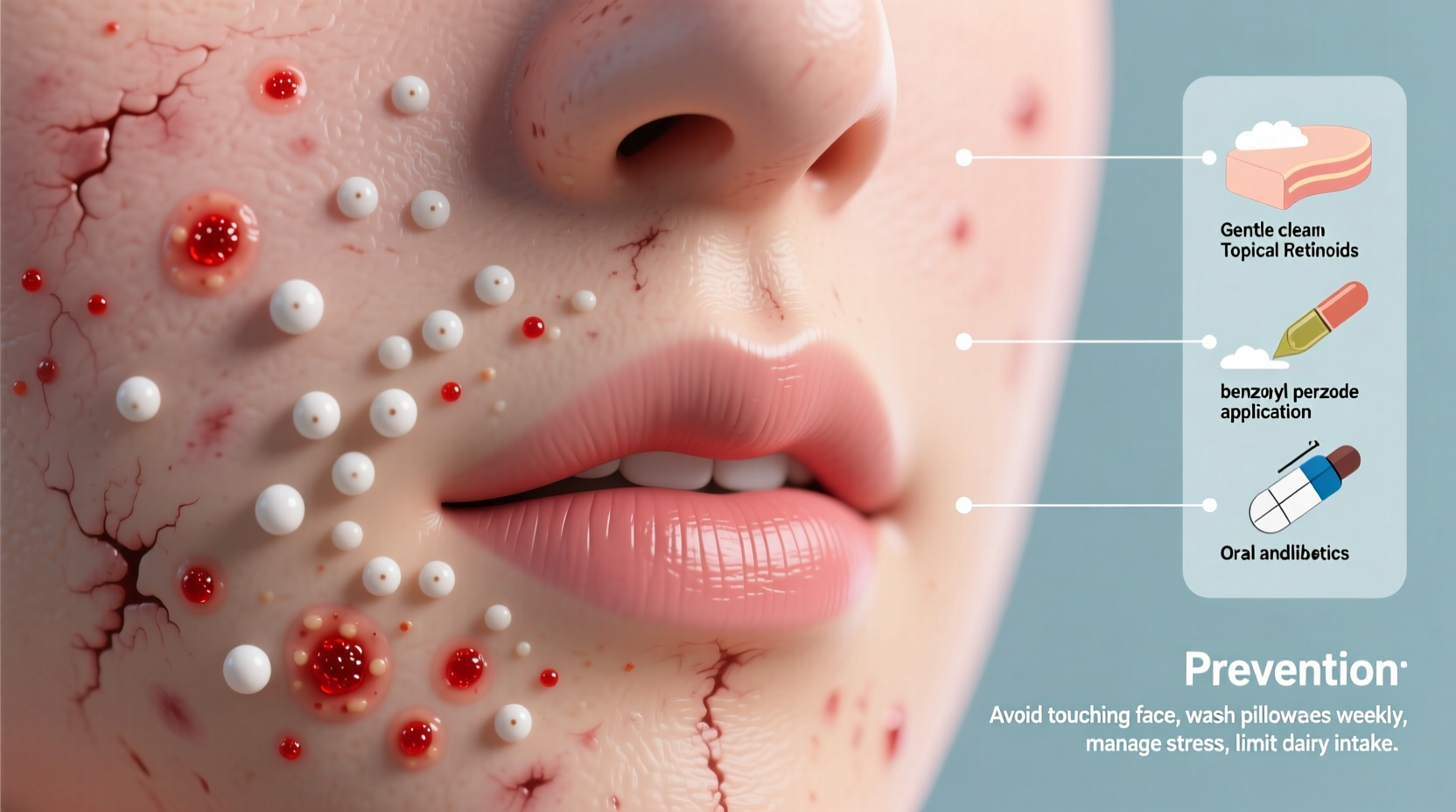
The skin surrounding the mouth—commonly referred to as the perioral region—is particularly sensitive. It has a high concentration of sebaceous (oil) glands and is frequently exposed to friction, bacteria, and irritants. Several factors contribute to the development of pimples in this zone:
- Hormonal changes: Fluctuations during menstruation, pregnancy, or due to conditions like polycystic ovary syndrome (PCOS) can trigger excess oil production and clogged pores.
- Diet: High-glycemic foods such as sugary snacks, dairy products, and processed carbohydrates may worsen inflammation and stimulate breakouts.
- Friction and irritation: Regular use of phones, touching the face, or wearing tight masks can create micro-trauma and trap bacteria.
- Skin care and cosmetic products: Heavy lip balms, toothpaste containing sodium lauryl sulfate (SLS), and comedogenic moisturizers can clog pores near the mouth.
- Perioral dermatitis: A red, bumpy rash often mistaken for acne, typically caused by topical steroid overuse or fluoridated toothpaste.
Effective Treatment Options
Treating pimples around the mouth requires a targeted approach based on the cause. Over-the-counter (OTC) solutions work well for mild cases, while persistent or severe breakouts may need medical intervention.
Topical Treatments
These are applied directly to the affected area and help unclog pores, reduce inflammation, and kill acne-causing bacteria.
- Benzoyl peroxide (2.5–10%): Reduces bacteria and clears dead skin cells. Start with a lower concentration to prevent dryness.
- Salicylic acid (0.5–2%): Exfoliates inside pores and reduces oil buildup. Ideal for blackheads and whiteheads.
- Niacinamide (5%): Soothes inflammation and regulates sebum production without irritating sensitive skin.
- Topical retinoids (e.g., adapalene): Promote cell turnover and prevent pore blockage. Use at night and always follow with sunscreen during the day.
“Consistent use of gentle exfoliants and non-comedogenic products can significantly reduce recurring perioral breakouts.” — Dr. Lena Torres, Board-Certified Dermatologist
Prescription Treatments
If OTC options fail after 6–8 weeks, consult a dermatologist. They may prescribe:
- Topical antibiotics: Clindamycin or erythromycin to reduce bacterial growth.
- Oral antibiotics: Doxycycline or minocycline for moderate inflammatory acne.
- Hormonal therapy: Birth control pills or spironolactone for women with hormone-driven acne.
- Isotretinoin: For severe, cystic acne unresponsive to other treatments (requires close monitoring).
Step-by-Step Guide to Clearer Skin
Follow this daily routine to treat existing pimples and prevent new ones:
- Morning: Wash face with a gentle, sulfate-free cleanser. Apply a niacinamide serum followed by a lightweight, non-comedogenic moisturizer and broad-spectrum SPF 30+.
- Night: Double cleanse if wearing makeup. Use a salicylic acid or benzoyl peroxide treatment on breakout zones. Apply a pea-sized amount of adapalene gel every other night, increasing frequency as tolerated.
- Twice Weekly: Gently exfoliate with a chemical exfoliant (like lactic or mandelic acid) to remove dead skin cells without irritation.
- Weekly: Use a clay mask to absorb excess oil, avoiding the immediate lip area to prevent drying.
- Ongoing: Replace pillowcases every 3–4 days, clean phone screens daily, and avoid touching your face.
Prevention Strategies That Work
Preventing future breakouts involves both skincare discipline and lifestyle adjustments. Consider these evidence-backed practices:
| Do’s | Don’ts |
|---|---|
| Use fragrance-free, non-comedogenic skincare products | Avoid heavy lip balms with petroleum or lanolin |
| Wash your face after meals to remove food residue | Don’t share utensils, towels, or makeup |
| Stay hydrated and eat a balanced diet rich in antioxidants | Avoid high-sugar and high-dairy diets if acne-prone |
| Clean electronic devices regularly | Don’t over-exfoliate or use harsh scrubs |
| Manage stress through sleep, meditation, or exercise | Avoid prolonged use of facial coverings without breaks |
Mini Case Study: Sarah’s Breakout Journey
Sarah, a 28-year-old office worker, struggled with recurring small, itchy bumps around her lips for months. She assumed it was acne and used strong benzoyl peroxide creams, which only worsened redness and peeling. After visiting a dermatologist, she was diagnosed with perioral dermatitis likely triggered by her fluoride toothpaste and nightly use of a thick lip balm. Her treatment plan included switching to an SLS-free toothpaste, discontinuing topical steroids, and using a prescription metronidazole gel. Within six weeks, her skin improved dramatically. This case highlights the importance of accurate diagnosis—what looks like acne isn’t always acne.
Frequently Asked Questions
Can toothpaste cause pimples around the mouth?
Yes. Many toothpastes contain sodium lauryl sulfate (SLS) and fluoride, which can irritate the sensitive skin around the lips and lead to breakouts or perioral dermatitis. Switching to an SLS-free, low-fluoride toothpaste may help reduce flare-ups.
How long does it take for perioral pimples to heal?
With proper treatment, mild pimples usually clear within 5–7 days. Inflammatory or cystic lesions may take 2–4 weeks. Conditions like perioral dermatitis require consistent treatment over several weeks to see improvement.
Is it safe to use acne treatments near the lips?
Yes, but with caution. The skin here is thinner and more sensitive. Always patch-test first and avoid getting medication directly on the lips. Use a barrier like petroleum jelly on the lips before applying treatments to prevent dryness.
Final Thoughts and Call to Action
Dealing with pimples around the mouth doesn’t have to be a constant battle. By identifying triggers—whether dietary, hormonal, or product-related—and implementing a consistent, gentle skincare routine, most people can achieve noticeable improvement. Remember, patience is key. Skin renewal takes time, and aggressive treatments can do more harm than good. If over-the-counter methods don’t deliver results, don’t hesitate to seek professional guidance. Your skin deserves informed, compassionate care.
🚀 Ready to transform your skin? Start today by auditing your current products and habits. Share your journey or questions in the comments—your experience could help someone else find clarity and confidence.








