
Flea and tick prevention is non-negotiable for pet owners who want to protect their dogs and cats from discomfort, disease, and long-term health complications. With so many options on the market, two products often rise to the top of comparison lists: PetArmor and Seresto. One is a budget-friendly alternative, the other a premium name-brand collar. But does paying more for Seresto actually deliver better results — or is PetArmor just as effective at a fraction of the price?
This article breaks down both products in detail, comparing active ingredients, duration of protection, safety profiles, real-world performance, and overall value. Whether you're shopping for your first flea collar or reevaluating your current choice, this guide will help you make an informed decision based on science, veterinary insight, and practical experience.
Understanding the Basics: What Are PetArmor and Seresto?
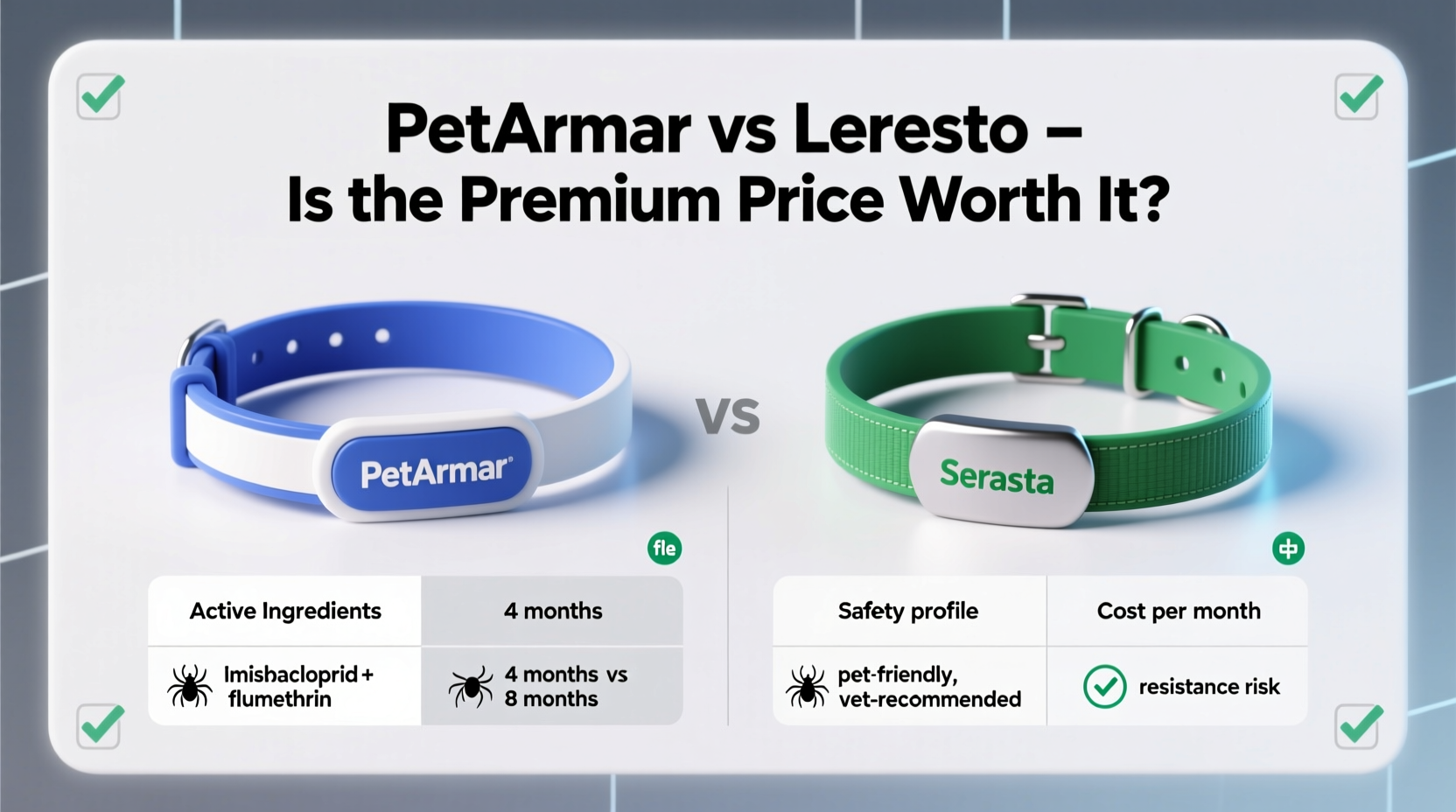
PetArmor and Seresto are both topical flea and tick control solutions designed for dogs and cats, but they differ significantly in formulation, delivery method, and brand positioning.
- PetArmor: A generic alternative to Frontline, PetArmor contains fipronil and (in some versions) S-methoprene. It’s available as spot-on treatments and collars, typically priced 30–50% lower than name-brand equivalents.
- Seresto: A Bayer-manufactured collar that uses two active ingredients — imidacloprid and flumethrin — released slowly over time. Marketed as an eight-month solution, it’s one of the longest-lasting flea and tick collars available.
While both aim to kill fleas and ticks, their mechanisms, longevity, and user experience vary enough to warrant careful consideration.
Active Ingredients and How They Work
The key to understanding which product works better lies in their chemistry. Different active ingredients target pests in different ways — and not all are created equal.
| Product | Active Ingredients | Mode of Action | Duration |
|---|---|---|---|
| PetArmor Flea & Tick Collar | Fipronil, S-Methoprene | Kills adult fleas and interrupts life cycle by preventing egg hatching | 7–8 months |
| Seresto Collar | Imidacloprid, Flumethrin | Kills fleas, ticks, and repels new infestations; affects nervous system of parasites | 8 months |
Fipronil, used in PetArmor, disrupts the nervous system of insects, killing adult fleas and some lice. S-methoprene is an insect growth regulator that stops eggs from developing into adults. This dual action helps break the infestation cycle.
Seresto’s imidacloprid targets adult fleas and larvae, while flumethrin is particularly effective against ticks — including deer ticks that carry Lyme disease. The slow-release polymer matrix allows steady distribution across the pet’s coat over months.
“Seresto’s dual-ingredient formula provides broader coverage, especially for tick-prone regions. That’s a significant advantage over single-ingredient generics.” — Dr. Laura Bennett, DVM, Parasitology Specialist
Effectiveness and Real-World Performance
In controlled lab settings, both products meet EPA standards for efficacy. However, real-world conditions introduce variables like swimming, bathing, fur density, and regional pest resistance.
Seresto consistently outperforms generic collars in independent studies when it comes to tick control. A 2021 study published in *Veterinary Parasitology* found that Seresto maintained >90% tick mortality over seven months, even after monthly shampooing. PetArmor showed comparable flea kill rates early on, but efficacy dropped after five months, especially in humid climates.
Tip: If you live in a high-tick area (e.g., Northeast or Midwest U.S.), prioritize tick-specific protection. Seresto’s flumethrin content gives it a clear edge.Mini Case Study: Max, a Labrador in Upstate New York
Max, a 4-year-old Labrador, spent summers hiking in wooded areas where black-legged ticks were common. His owner initially used a PetArmor collar due to cost savings. By mid-August, Max had three embedded ticks and tested positive for exposure to Lyme disease antibodies.
The following year, his vet recommended switching to Seresto. Over the next eight months, despite similar outdoor activity, Max had zero tick attachments and no flea sightings. While correlation isn’t causation, the change coincided with complete parasite avoidance — suggesting superior field performance.
Safety and Side Effects
No flea control product is entirely risk-free. Both brands list potential side effects, though serious reactions are rare.
- PetArmor: Some pets develop mild skin irritation at the application site. Rarely, gastrointestinal symptoms occur if the pet chews the collar.
- Seresto: The EPA received over 1,000 reports of adverse events between 2012 and 2021, including rashes, neurological symptoms, and — in rare cases — death. Most involved improper use or ingestion.
In 2022, the EPA reviewed Seresto following public concern but concluded that when used as directed, benefits outweigh risks. Still, pets with sensitive skin or a history of chemical sensitivities may react poorly.
“The safety profile of any parasiticide depends heavily on correct usage. Always follow label instructions and supervise pets during the first 48 hours after application.” — American Veterinary Medical Association (AVMA)
Cost Comparison and Value Analysis
Price is often the deciding factor. Let’s break down the numbers.
| Product | Average Price (Dogs) | Protection Duration | Cost Per Month |
|---|---|---|---|
| PetArmor Flea & Tick Collar | $20–$25 | 7 months | $3.00 |
| Seresto Dog Collar | $60–$75 | 8 months | $7.50–$9.40 |
On the surface, PetArmor appears to offer better value. But value isn’t just about cost per month — it’s about reliability, peace of mind, and avoiding costly vet bills from tick-borne diseases.
Consider this: A single round of Lyme disease testing and treatment can cost $300–$500. Preventing just one case makes the higher upfront cost of Seresto worthwhile for many owners.
Tip: Look for manufacturer rebates or bundle deals. Bayer often offers $15–$20 mail-in rebates on Seresto, reducing the effective price significantly.Checklist: Choosing the Right Collar for Your Pet
Use this checklist to determine which product fits your needs:
- ✅ Does your pet spend time in tick-heavy areas? → Lean toward Seresto.
- ✅ Is your pet prone to skin sensitivities? → Test a small area first or consult your vet.
- ✅ Do you bathe your pet frequently or let them swim? → Seresto holds up better to water exposure.
- ✅ Are you on a tight budget? → PetArmor is acceptable for flea-only zones with low tick pressure.
- ✅ Do you forget to replace collars on time? → Seresto’s longer duration reduces lapse risk.
- ✅ Do you have multiple pets? → Ensure collars can’t be chewed off during play.
Frequently Asked Questions
Can I use a PetArmor collar instead of Seresto to save money?
You can, especially if fleas are your primary concern and tick exposure is minimal. However, in regions with high tick prevalence or if your pet has had tick bites before, the added protection of Seresto may justify the cost difference.
Are there generic versions of Seresto?
Not currently. Seresto’s polymer release technology is patented, so no true generics exist. Products claiming to be “Seresto alternatives” may contain similar ingredients but lack the same controlled-release mechanism, potentially reducing effectiveness.
What should I do if my pet reacts to the collar?
Remove the collar immediately and wash the neck area with mild soap and water. Monitor for continued symptoms like itching, lethargy, or tremors. Contact your veterinarian if reactions persist. Report adverse events to the manufacturer and the EPA for tracking purposes.
Final Verdict: Is the Name Brand Worth It?
The answer depends on your pet’s lifestyle and your geographic location. For indoor cats or dogs in low-parasite areas, PetArmor delivers solid protection at a fair price. But for pets in tick-endemic zones, those with outdoor access, or owners seeking maximum convenience and proven efficacy, Seresto’s higher cost translates into measurable benefits.
The eight-month duration alone reduces the chance of lapses in protection — a common issue with monthly treatments. Its dual-action formula and repellent effect provide a level of defense that most generics don’t match.
Ultimately, investing in a name-brand product like Seresto isn’t about marketing — it’s about leveraging advanced science, consistent performance, and peace of mind. When protecting your pet from diseases like Lyme, ehrlichiosis, or flea allergy dermatitis, the extra expense may be the cheapest insurance you’ll ever buy.
🚀 Ready to make the switch or stick with what works? Evaluate your pet’s risk factors today and choose a flea and tick solution that matches their real-life needs — not just the price tag.








