Water is the foundation of your pet’s health. Whether you have a cat or a dog, access to clean, fresh water throughout the day is non-negotiable. But how you provide that water—through a traditional bowl or a modern pet water fountain—can significantly affect its freshness, cleanliness, and appeal to your animal. While both options serve the same basic purpose, they differ dramatically in performance, hygiene, and long-term maintenance. Understanding these differences helps pet owners make informed decisions that support their pets’ hydration habits and overall well-being.
How Water Freshness Impacts Pet Health
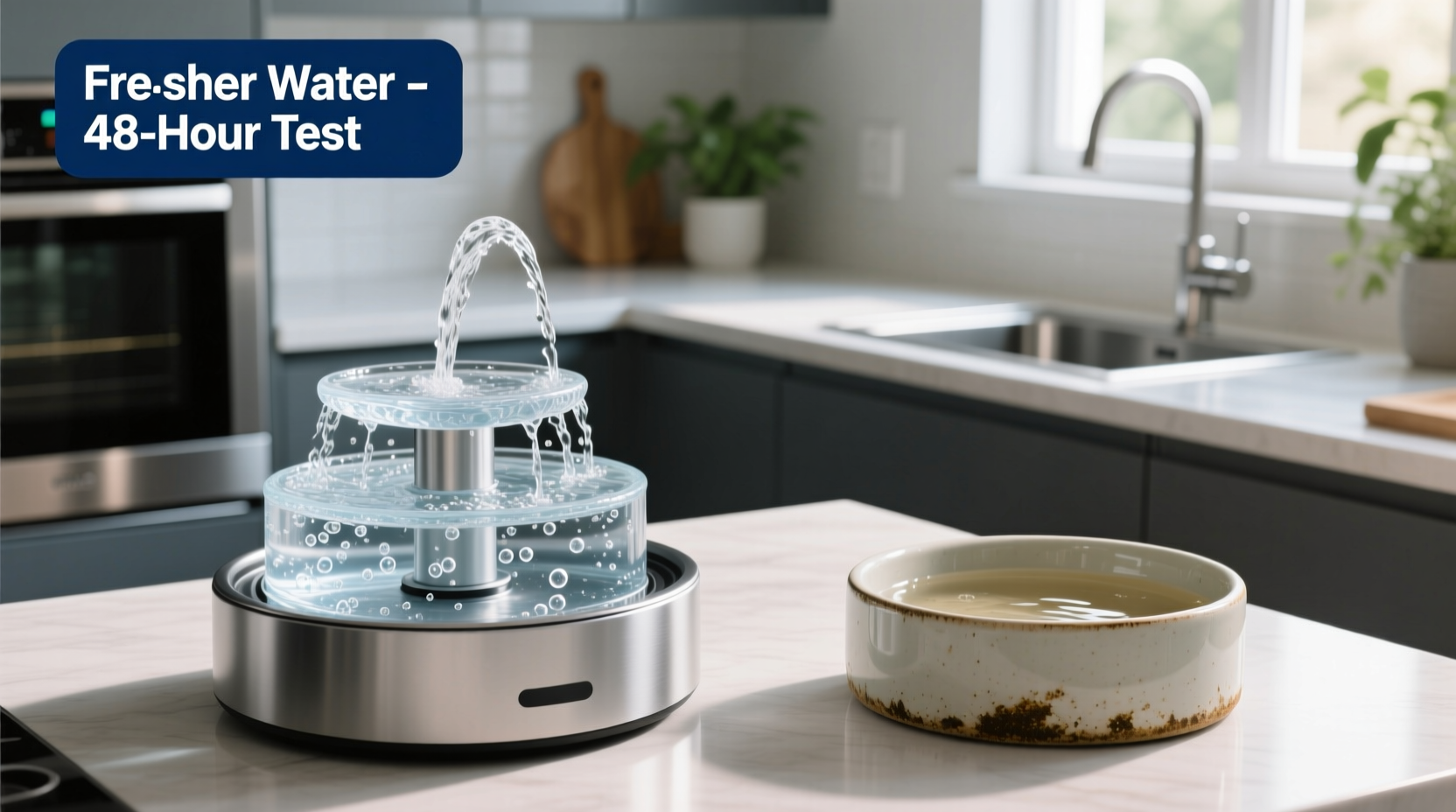
Fresh water isn’t just about taste—it directly influences how much your pet drinks. Stale, warm, or contaminated water discourages consumption, increasing the risk of dehydration, urinary tract infections, and kidney issues, especially in cats who are naturally prone to low water intake.
Water sitting in an open bowl accumulates dust, fur, saliva, food particles, and airborne bacteria within hours. Sunlight exposure can promote algae growth, while plastic bowls may leach chemicals or harbor biofilm. These factors degrade water quality rapidly, often within 4–6 hours under typical household conditions.
In contrast, consistently fresh water encourages more frequent drinking. Pets are instinctively drawn to moving or flowing water, a behavior rooted in survival—running streams in the wild are less likely to be contaminated than stagnant pools. This natural preference makes water fountains particularly effective at promoting hydration.
“Cats evolved as desert animals with low thirst drives. Providing appealing, constantly refreshed water is one of the most impactful things we can do for their urinary and kidney health.” — Dr. Lindsey Bullen, DVM, Diplomate ACVN, Veterinary Nutritionist
Regular Water Bowls: Simplicity with Limitations
Traditional pet bowls are straightforward: fill them with water, place them down, and refill daily. They’re inexpensive, easy to clean, and widely available in materials like stainless steel, ceramic, and glass. However, simplicity comes with trade-offs when it comes to water freshness.
A standard bowl allows water to become stagnant quickly. Without circulation, oxygen exchange slows, temperature rises, and microbial colonies begin to form. Even in a clean home, airborne contaminants settle into the water. If your pet dips their nose or paws in frequently, the contamination accelerates.
Plastic bowls pose additional concerns. They can develop microscopic scratches that trap bacteria, leading to persistent odors and slime even after washing. Some lower-quality plastics also contain endocrine-disrupting chemicals that may leach into water over time.
Tip: If using a regular bowl, choose stainless steel or glazed ceramic and clean it thoroughly every day—morning and night—to minimize bacterial buildup.Pet Water Fountains: Engineering Freshness
Pet water fountains are designed to mimic the movement of natural water sources. Most models use a submersible pump to circulate water through a multi-stage filtration system. The continuous flow oxygenates the water, discourages bacterial growth, and keeps it cooler than room temperature.
The core components typically include:
- Motorized pump: Circulates water from the reservoir to the spout.
- Filter cartridge: Removes debris, chlorine, heavy metals, and sometimes carbon to improve taste.
- Reservoir tank: Holds several liters of water, reducing refill frequency.
- Spout design: Offers a gentle stream or cascading flow that attracts pets.
Because the water is constantly filtered and moving, it remains visibly clearer and smells fresher for days longer than in a static bowl. Independent tests show that fountains reduce total coliform bacteria by up to 90% compared to open bowls left for 24 hours.
Additionally, many pets—especially cats—drink more when using a fountain. A 2020 study published in the *Journal of Feline Medicine and Surgery* found that cats increased their daily water intake by an average of 30% when given access to a circulating fountain versus a still bowl.
Comparative Analysis: Fountain vs Bowl
| Feature | Pet Water Fountain | Regular Water Bowl |
|---|---|---|
| Water Freshness Duration | 3–5 days (with filter) | 6–12 hours |
| Bacterial Growth | Low (filtered & aerated) | High (stagnant) |
| Pet Hydration Encouragement | High (flowing water appeals to instinct) | Moderate to low |
| Cleaning Frequency | Every 3–5 days (full clean + filter change monthly) | Daily (bowl and water) |
| Initial Cost | $30–$80 | $5–$20 |
| Ongoing Maintenance | Filter replacements ($10–$15 every 1–2 months) | None (unless replacing bowl) |
| Best For | Cats, picky drinkers, multi-pet homes, hot climates | Simple setups, short-term use, budget-conscious owners |
Real-World Example: How a Fountain Changed One Cat’s Health
Sophie, a 7-year-old domestic shorthair from Portland, Oregon, had a history of recurrent urinary crystals. Her veterinarian recommended increasing her water intake, but Sophie rarely drank from her stainless steel bowl, even when refilled multiple times a day.
Her owner, Mark, invested in a ceramic-based gravity fountain with a triple-filter system. Within three days, Sophie was seen drinking multiple times per hour. Over the next six weeks, her urine specific gravity decreased from 1.055 to 1.030—a clear sign of improved hydration. Follow-up scans showed no new crystal formation.
“I didn’t realize how unappealing still water was to her,” Mark said. “The fountain made all the difference. She even sits by it and bats at the stream now.”
This case illustrates how technology aligned with instinct can resolve chronic health issues linked to inadequate hydration.
Step-by-Step Guide to Maximizing Water Freshness
Whether you choose a fountain or a bowl, proper maintenance is key. Follow this routine to ensure optimal water quality:
- Choose the right material: Opt for stainless steel, ceramic, or BPA-free plastic. Avoid porous materials like unglazed pottery.
- Wash daily: Scrub the container with hot, soapy water every 24 hours—even if using a fountain.
- Replace filters regularly: Change fountain filters every 3–4 weeks, or as recommended by the manufacturer.
- Deep clean weekly: Disassemble the fountain and clean the pump, reservoir, and spout with a vinegar solution or pet-safe cleaner.
- Refill with fresh water: Always use cold tap water (filtered if needed) and avoid topping off old water.
- Position wisely: Keep water stations away from litter boxes, food bowls, and direct sunlight to prevent contamination and algae growth.
- Monitor usage: Track how much your pet drinks daily. Sudden changes may indicate health problems.
Common Myths About Pet Water Options
Several misconceptions persist about pet hydration tools. Addressing them helps owners make evidence-based choices.
- Myth: All fountains are noisy. Modern fountains use silent pumps or adjustable flow settings. Many operate below 30 decibels—quieter than a whisper.
- Myth: Tap water is always safe. Depending on location, tap water may contain chlorine, fluoride, or heavy metals. Filters in fountains can reduce these impurities.
- Myth: Pets don’t care how water tastes. Animals have sensitive palates. Chlorine, metal ions, or stale odors deter drinking.
- Myth: Bowls are easier because they don’t need filters. While fountains require minor maintenance, the time saved in reduced cleaning frequency and improved pet health often outweighs the effort.
Checklist: Choosing the Right System for Your Home
Use this checklist to evaluate whether a water fountain or traditional bowl better suits your needs:
- ✅ Does your pet drink too little water?
- ✅ Do you live in a hot climate where water heats up quickly?
- ✅ Do you travel or have an inconsistent schedule?
- ✅ Do you have multiple pets sharing a water source?
- ✅ Is your pet sensitive to noise or startled by moving water?
- ✅ Are you willing to perform weekly maintenance?
- ✅ Do you want to reduce plastic waste from bottled water?
If you answered \"yes\" to the first four, a fountain is likely the better investment. If noise sensitivity or maintenance concerns dominate, a high-quality stainless steel bowl with twice-daily changes may be preferable.
Frequently Asked Questions
Do pet water fountains really keep water fresher?
Yes. Continuous filtration and circulation remove debris, inhibit bacterial growth, and maintain cooler temperatures. Studies and veterinary experts confirm that fountain water stays microbiologically cleaner for significantly longer than water in static bowls.
Can I leave a fountain running 24/7?
Absolutely. Most pet fountains are designed for constant operation. Ensure the unit has dry-run protection (shuts off automatically if water runs low) and is placed on a waterproof mat to prevent damage from spills.
Are water fountains safe for puppies or kittens?
Yes, provided the flow rate is gentle and the voltage is low (most operate on USB or low-voltage adapters). Supervise young animals initially to ensure they aren’t startled by the sound or splash.
Final Thoughts: Prioritizing Freshness for Long-Term Health
The debate between pet water fountains and regular bowls ultimately centers on one critical factor: sustained water freshness. While a simple bowl fulfills the basic requirement of holding water, it cannot match the dynamic advantages of a properly maintained fountain. From extended freshness and reduced contamination to increased hydration and long-term health benefits, fountains offer a compelling upgrade for most households.
That said, success depends on consistent care. A neglected fountain can become dirtier than a clean bowl. Regular cleaning, timely filter changes, and attentive observation of your pet’s habits are essential.
For pet owners committed to optimizing their companion’s wellness, investing in a water fountain isn’t just a convenience—it’s a proactive step toward preventing disease, supporting organ function, and honoring the natural instincts of cats and dogs alike.
🚀 Ready to improve your pet’s hydration? Evaluate your current setup today. Try a fountain for two weeks and track your pet’s drinking behavior—you might be surprised by the difference fresh, flowing water can make.








