For many pet owners, feeding time is a routine moment of connection with their animal companion. Yet a simple question often goes unnoticed: should pets have separate bowls for food and water? While it might seem practical to use one bowl for both, doing so can impact hygiene, eating habits, and even long-term health. Understanding the reasoning behind separate bowls reveals more than convenience—it’s about promoting wellness, preventing contamination, and respecting natural behaviors.
Why Separation Matters: The Basics of Pet Feeding Hygiene
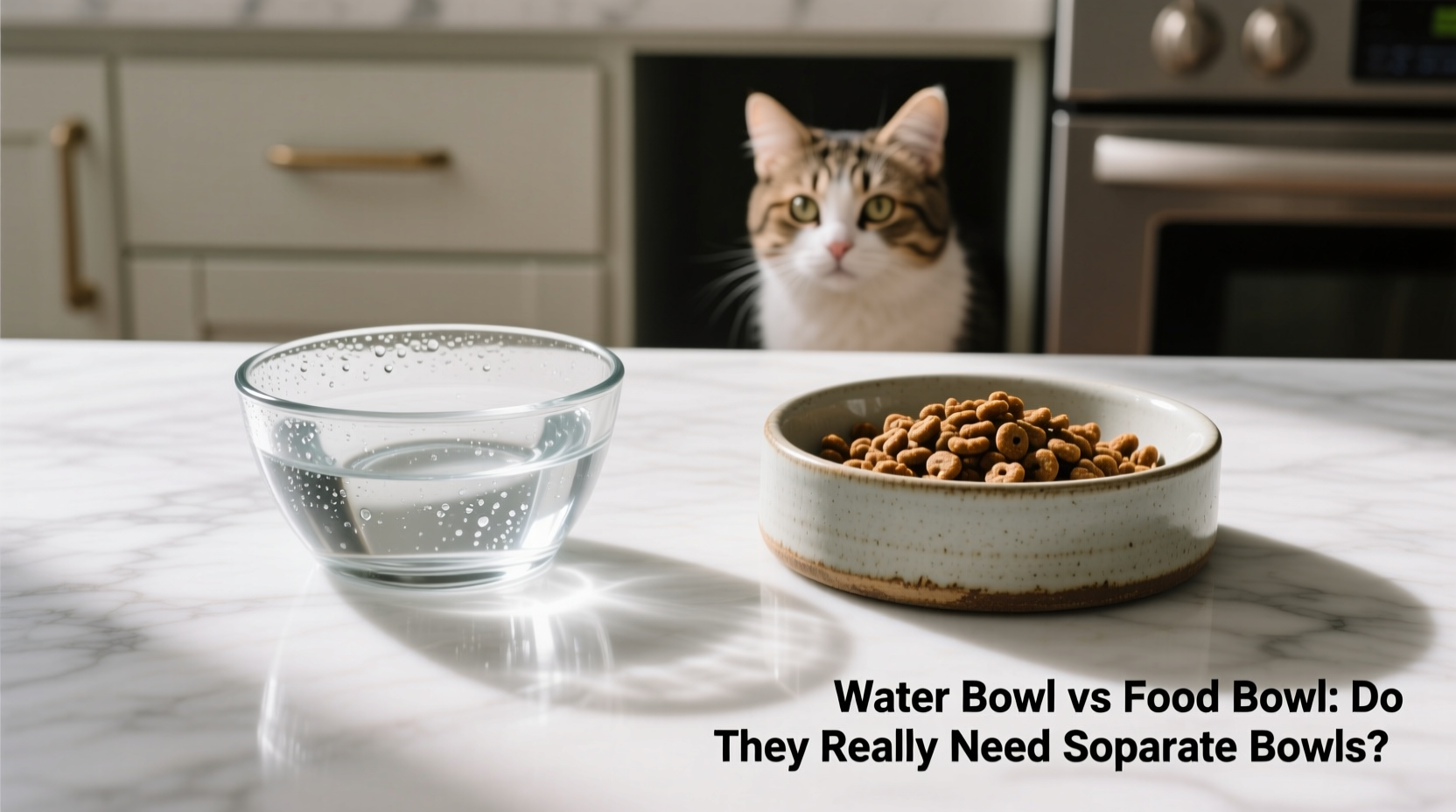
At first glance, combining food and water in a single bowl may appear efficient. However, this practice introduces several risks. Food particles left in water can quickly spoil, especially in warm environments, creating a breeding ground for bacteria like *E. coli* and *Salmonella*. Wet kibble or residue from raw diets breaks down rapidly, clouding the water and making it unappealing—even unsafe—for drinking.
Dogs and cats are naturally inclined to keep their drinking water clean. In the wild, animals avoid consuming water near their feeding or elimination areas to reduce disease risk. Domestic pets retain these instincts. When water becomes contaminated with food debris, pets may drink less, increasing the risk of dehydration—particularly concerning for cats, who already have low thirst drives.
Tip: Always place water at least 3–4 feet away from the food bowl to mimic natural separation and encourage consistent hydration.Health Implications of Shared Bowls
Using the same bowl for food and water without thorough cleaning between uses poses real health threats. Bacterial growth accelerates when organic matter—like saliva, food crumbs, or fats—mixes with moisture. Biofilm, a slimy layer formed by microorganisms, can develop on bowl surfaces within hours. This film is difficult to remove with casual rinsing and requires proper scrubbing with pet-safe detergents.
Pets that regularly consume contaminated water may experience gastrointestinal upset, including vomiting, diarrhea, or chronic digestive issues. Older animals or those with compromised immune systems are especially vulnerable. Additionally, dirty water bowls contribute to plaque buildup in pets’ teeth, as bacteria transfer from the bowl to the mouth during drinking.
“Consistent access to clean, uncontaminated water is as critical as nutrition. A shared bowl undermines both.” — Dr. Lena Torres, DVM, Small Animal Nutrition Specialist
Behavioral Considerations: How Bowl Placement Affects Eating Habits
Beyond hygiene, the physical arrangement of food and water influences how pets eat and drink. Many dogs gulp water immediately after eating, which is normal. But if water is right next to food, they may accidentally push food into the liquid while eating, leading to reluctance to drink later. Cats, being particularly sensitive to scent and texture, often refuse to drink from a bowl that smells or tastes like food.
Separating the bowls supports instinctive behavior. In multi-pet households, placement also reduces competition. Dominant pets may guard a dual-purpose bowl, denying others access to either food or water. Strategic spacing allows each animal to eat and hydrate without stress, promoting a calmer feeding environment.
Real-Life Example: Resolving a Cat’s Dehydration Issue
Sarah, a cat owner from Portland, noticed her 8-year-old tabby, Milo, was urinating less and seemed lethargic. A vet visit revealed mild dehydration. After reviewing Milo’s routine, the veterinarian asked about his water setup. Sarah admitted she used one stainless steel bowl for both wet food and water, refilling it throughout the day. The vet advised switching to two separate bowls placed in different rooms. Within a week, Milo’s water intake increased significantly. His energy returned, and follow-up tests showed improved kidney values. The simple change in bowl usage made a measurable difference in his health.
Choosing the Right Bowls: Material, Design, and Maintenance
Not all bowls are created equal. The material impacts cleanliness, durability, and pet safety. Here's a comparison of common options:
| Material | Pros | Cons |
|---|---|---|
| Stainless Steel | Durable, non-porous, easy to sanitize, resistant to bacteria | Can be noisy; some pets dislike the sound |
| Ceramic | Heavy (less likely to tip), aesthetically pleasing | Potential lead glaze risk; porous if cracked; heavier to clean |
| Plastic | Affordable, lightweight | Scratches easily, harbors bacteria, may cause chin acne in cats |
| Porcelain | Smooth surface, retains shape | Can chip; heavier than plastic |
Regardless of material, bowls should be washed daily with hot, soapy water and sanitized weekly. Avoid dishwashers unless the manufacturer confirms safety, as high heat can degrade certain plastics or glazes.
Action Checklist: Best Practices for Pet Bowl Management
- Use two dedicated bowls—one for food, one for water.
- Place water at least 3–4 feet away from food.
- Choose non-porous materials like stainless steel or glazed ceramic.
- Wash bowls daily; sanitize weekly.
- Replace cracked, chipped, or heavily scratched bowls immediately.
- Refill water multiple times per day to ensure freshness.
- Monitor your pet’s drinking habits for changes.
Common Misconceptions About Single-Bowl Use
Some pet owners believe that as long as they refill the bowl frequently, using one container is acceptable. However, even short intervals allow bacterial colonization. Others assume pets don’t notice the difference. Behavioral studies show otherwise—cats, in particular, exhibit strong preferences for clean, odor-free water sources. Automatic feeders with built-in water dispensers may seem convenient but still require separation to function hygienically.
Another myth is that outdoor pets don’t need separate bowls. In fact, outdoor animals face greater exposure to contaminants like dirt, insects, and algae. Providing distinct, clean containers is even more crucial in these environments.
Frequently Asked Questions
Can I use the same bowl for food and water if I clean it thoroughly between uses?
Theoretically, yes—but it’s impractical and risky. Even with cleaning, microscopic residues and biofilm can remain. Dedicated bowls eliminate cross-contamination and save time in the long run.
How often should I replace my pet’s bowls?
Inspect bowls monthly. Replace them if you notice cracks, deep scratches, or staining that won’t come off. Stainless steel bowls can last years; plastic should be replaced every 6–12 months.
My pet drinks from the toilet or puddles instead of the bowl. Could bowl type be the issue?
Very likely. Pets may avoid stagnant, food-scented, or dirty water. Try a wide, shallow ceramic bowl or a pet fountain with flowing water, placed away from the food area.
Final Thoughts: Simple Change, Significant Impact
Using separate bowls for food and water is a small adjustment with outsized benefits. It supports better hygiene, encourages proper hydration, and aligns with pets’ natural instincts. Whether you have a finicky cat or an enthusiastic dog, this practice fosters long-term health and well-being. The cost of a second bowl is negligible compared to potential vet bills from preventable infections or dehydration.
🚀 Take action today: Evaluate your pet’s current feeding setup. Add a dedicated water bowl if needed, position it thoughtfully, and commit to daily cleaning. Your pet will drink more, stay healthier, and thrive with this simple upgrade.








