In today’s fast-paced world, balancing work, family, and personal commitments often leaves little room for the consistent routines pets require. Enter the pet tech boom—a surge in smart devices designed to make pet ownership easier, safer, and more efficient. Among the most popular innovations are smart pet feeders: automated systems that dispense food on a schedule, often with remote control via smartphone apps. For busy pet owners, these gadgets promise peace of mind. But are they truly worth the investment?
The answer isn’t a simple yes or no. While smart feeders offer undeniable convenience, their value depends on lifestyle, pet needs, budget, and expectations. This article breaks down the real benefits, limitations, and long-term implications of smart feeders, helping you determine whether one belongs in your home.
Understanding Smart Pet Feeders: How They Work
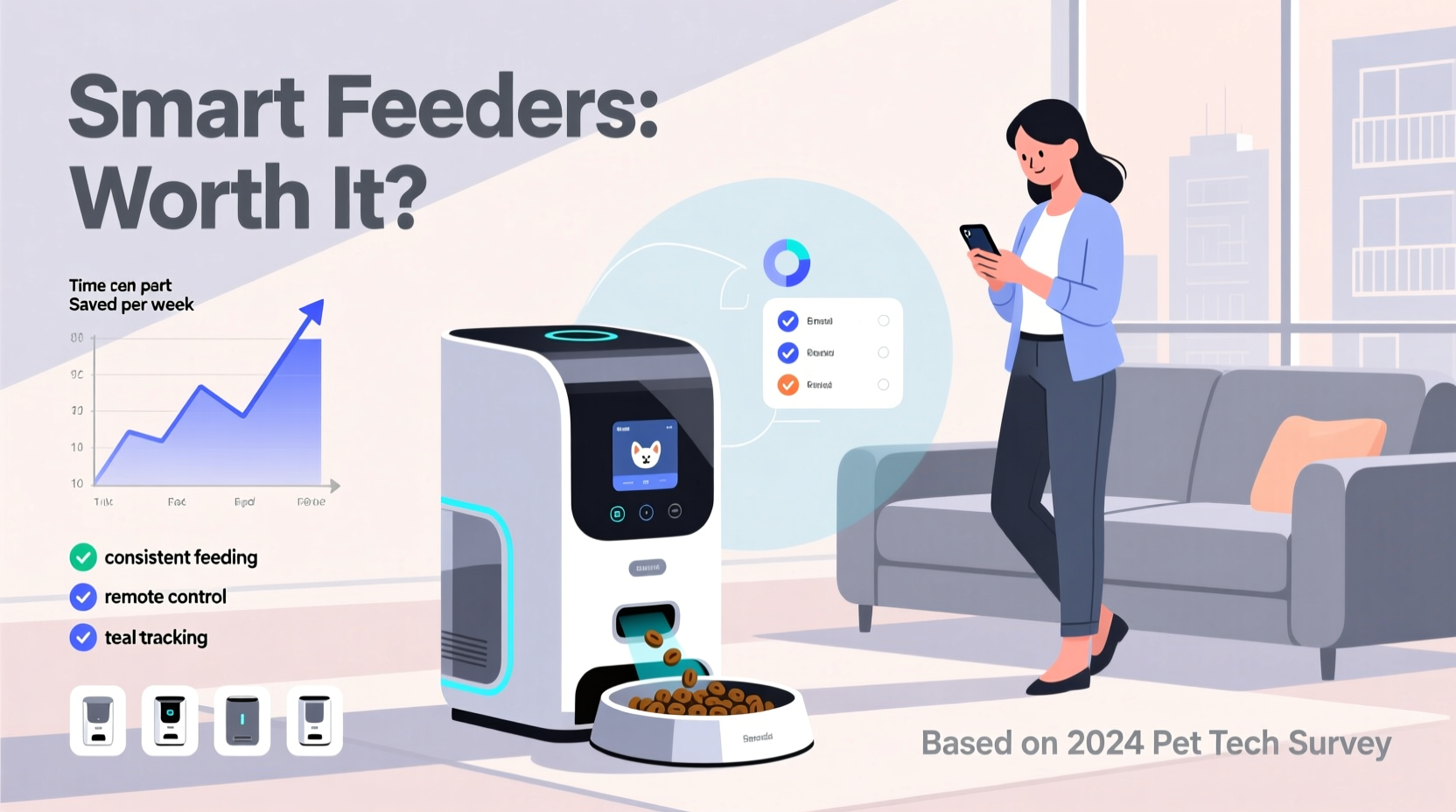
Smart pet feeders are electronic devices that automate mealtime. Most models include a food storage compartment, portion control mechanism, timer, and Wi-Fi connectivity. Owners can set feeding schedules through a mobile app, monitor activity in real time, and even manually trigger a feeding remotely. Some advanced models feature cameras, two-way audio, motion detection, and integration with voice assistants like Alexa or Google Assistant.
These devices cater primarily to dogs and cats, though smaller versions exist for birds or small mammals. Feeding mechanisms vary—some use rotating trays, others rely on gravity-fed dispensers with motorized gates. The goal is consistent, measured feeding without requiring physical presence.
For example, a professional working late can ensure their dog eats dinner at 6 PM sharp. A traveler can check in via app to confirm their cat was fed while they’re away. These scenarios highlight the core appeal: automation that supports responsible pet care despite unpredictable schedules.
Tip: Always choose a smart feeder with battery backup—power outages won’t disrupt feeding if the device has emergency power support.Benefits for Busy Pet Owners
The primary advantage of smart feeders lies in consistency. Pets thrive on routine, and irregular mealtimes can lead to anxiety, digestive issues, or begging behavior. A smart feeder eliminates guesswork, ensuring meals happen at the same time every day—even when the owner is unavailable.
For households with multiple caregivers, the app provides transparency. Everyone can see when the last feeding occurred, reducing confusion or accidental double-feeding. This is especially helpful for families juggling school runs, shifts, or caregiving duties.
Portion control is another major benefit. Overfeeding contributes to obesity, a growing concern among pets. Many smart feeders allow precise measurement per meal, supporting weight management plans prescribed by veterinarians. Some even sync with pet health apps to track intake over time.
Remote access adds an extra layer of reassurance. Imagine receiving a push notification confirming your dog ate after a thunderstorm that left them anxious. Or using the built-in camera to soothe a nervous cat with your voice before releasing food. These features go beyond utility—they enhance emotional connection.
“Technology shouldn’t replace hands-on care, but when used responsibly, smart feeders can support better feeding habits and reduce stress for both pets and owners.” — Dr. Lena Patel, Veterinary Behavior Specialist
Key Considerations Before Buying
Despite their advantages, smart feeders aren’t universally suitable. Several factors must be weighed before purchase.
Pet temperament plays a crucial role. Some animals may be frightened by the noise of the dispenser or become obsessive around the device. Others might learn to manipulate it or tip it over. Cats, in particular, can be wary of enclosed feeders. Observing your pet’s reaction during trial periods—or starting with simpler models—is essential.
Food type compatibility is another limitation. Most smart feeders handle dry kibble well, but wet food, raw diets, or large treats often clog mechanisms. If your pet requires fresh or moisture-rich meals, a smart feeder may not meet nutritional needs. Some dual-compartment models address this by combining dry food dispensing with manual fresh food trays, but these are exceptions.
Reliability concerns persist. Mechanical failures, software bugs, or Wi-Fi disruptions can prevent feeding. While rare, such incidents have led to missed meals. Regular maintenance, firmware updates, and choosing reputable brands mitigate risks—but cannot eliminate them entirely.
Cost is a significant barrier. Entry-level models start around $80, while high-end units with cameras and AI tracking exceed $300. Ongoing costs include replacement parts, potential subscription fees for cloud storage, and electricity usage. Compared to a $10 manual timer feeder, the price difference demands justification.
Do’s and Don’ts When Using Smart Feeders
| Do’s | Don’ts |
|---|---|
| Test the device with supervision before leaving pet unattended | Use it as a full-time substitute for human interaction |
| Clean the dispenser weekly to prevent mold and clumping | Store perishable or oily foods that degrade quickly |
| Use battery backup and stable Wi-Fi connection | Ignore error alerts or app notifications |
| Start with scheduled feeds only, then add remote features gradually | Assume all pets will adapt immediately |
Real-World Example: A Working Parent’s Experience
Sarah Thompson, a nurse and single mother of two in Austin, Texas, adopted a rescue dog named Milo during the pandemic. When her hospital shifts returned to in-person rotations, she struggled to maintain Milo’s feeding schedule. “He would whine at 6 AM, but I wasn’t always home by dinnertime,” she recalls.
After researching options, Sarah invested in a mid-range smart feeder with a camera and app alerts. She programmed two daily meals and used the voice feature to calm Milo during storms. Within weeks, his anxiety decreased, and his digestion stabilized. “It’s not magic,” she says. “I still walk him, play with him, and hand-feed treats. But knowing he eats on time, even when I’m stuck in surgery, gives me real peace of mind.”
Her experience reflects a growing trend: smart feeders functioning as tools within a broader care strategy, not replacements for attention or affection.
Step-by-Step Guide to Choosing the Right Smart Feeder
Selecting the best model requires careful evaluation. Follow this timeline to make an informed decision:
- Assess Your Pet’s Needs (Week 1): Note feeding frequency, diet type, portion size, and behavioral quirks. Does your pet eat quickly? Are they food-motivated or easily stressed?
- Set a Budget (Week 1): Determine how much you’re willing to spend. Include potential future costs like accessories or repairs.
- Research Models (Week 2): Compare top brands like PetKit, Wyze, Furbo, and PetSafe. Read verified customer reviews focusing on durability and customer service.
- Check Compatibility (Week 2): Ensure the feeder works with your home Wi-Fi network and smartphone OS (iOS/Android). Confirm if it supports voice assistants if desired.
- Test Before Full Deployment (Week 3): Set up the feeder while you’re home. Run test cycles, observe your pet’s reaction, and troubleshoot connectivity issues.
- Implement Gradually (Week 4): Begin with scheduled feeds during normal hours. Once confident, enable remote features and consider unsupervised use.
- Monitor and Maintain (Ongoing): Clean the device weekly, update firmware monthly, and review app logs periodically to catch anomalies early.
Frequently Asked Questions
Can smart feeders handle multiple pets?
Some models can, but challenges arise. If pets eat at different times or require different portions, scheduling helps. However, if one pet guards food or eats too fast, separation may still be necessary. Dual-chamber feeders exist but are limited in availability and capacity.
Are smart feeders safe for long-term use?
Yes, when used correctly. Regular cleaning prevents bacterial growth, and monitoring ensures mechanical issues are caught early. However, they should complement—not replace—direct supervision. Veterinarians recommend checking in daily, even with automation.
What happens if the internet goes down?
Most feeders operate on pre-programmed schedules even without Wi-Fi. Remote control and live camera features will be disabled, but timed meals usually proceed. Battery backup ensures operation during short power outages. Always verify offline functionality before purchase.
Final Checklist Before Purchase
- ✅ Is my pet comfortable with mechanical sounds and moving parts?
- ✅ Does the feeder accommodate my pet’s food type (dry, semi-moist, etc.)?
- ✅ Does it have battery backup and reliable offline mode?
- ✅ Is the app user-friendly with clear notifications?
- ✅ Can I easily clean all internal components?
- ✅ Does the brand offer responsive customer support and warranty coverage?
- ✅ Am I prepared to maintain and monitor the device regularly?
Conclusion: Weighing Value Against Lifestyle
The pet tech boom reflects a genuine desire to improve animal welfare through innovation. Smart feeders, when chosen wisely, can be valuable allies for busy pet owners—ensuring consistency, enhancing monitoring, and reducing stress for both pets and people. However, they are not a universal solution.
Their worth hinges on individual circumstances. For someone traveling frequently, working erratic shifts, or managing chronic illness, a smart feeder may be indispensable. For others with predictable routines and ample time at home, the investment may offer marginal returns.
Ultimately, technology should serve the relationship between pet and owner—not dilute it. A smart feeder is most effective when integrated into a holistic care plan that includes physical activity, mental stimulation, and regular veterinary visits.
💬 Have you tried a smart pet feeder? Share your experience, tips, or concerns in the comments below—your insights could help another pet owner make a confident decision.








