
Choosing the right carrier for your pet isn’t just about convenience—it’s a critical factor in their emotional well-being. Whether you’re traveling to the vet, going on a trip, or simply exploring the outdoors with your cat or small dog, the type of carrier you use can significantly influence your pet’s stress levels. Two popular options—pet shoulder bags and traditional cat cages (also known as hard-sided carriers)—offer different benefits and drawbacks. Understanding how each impacts your pet’s comfort, security, and anxiety is essential for making an informed decision.
Understanding Pet Stress During Transport
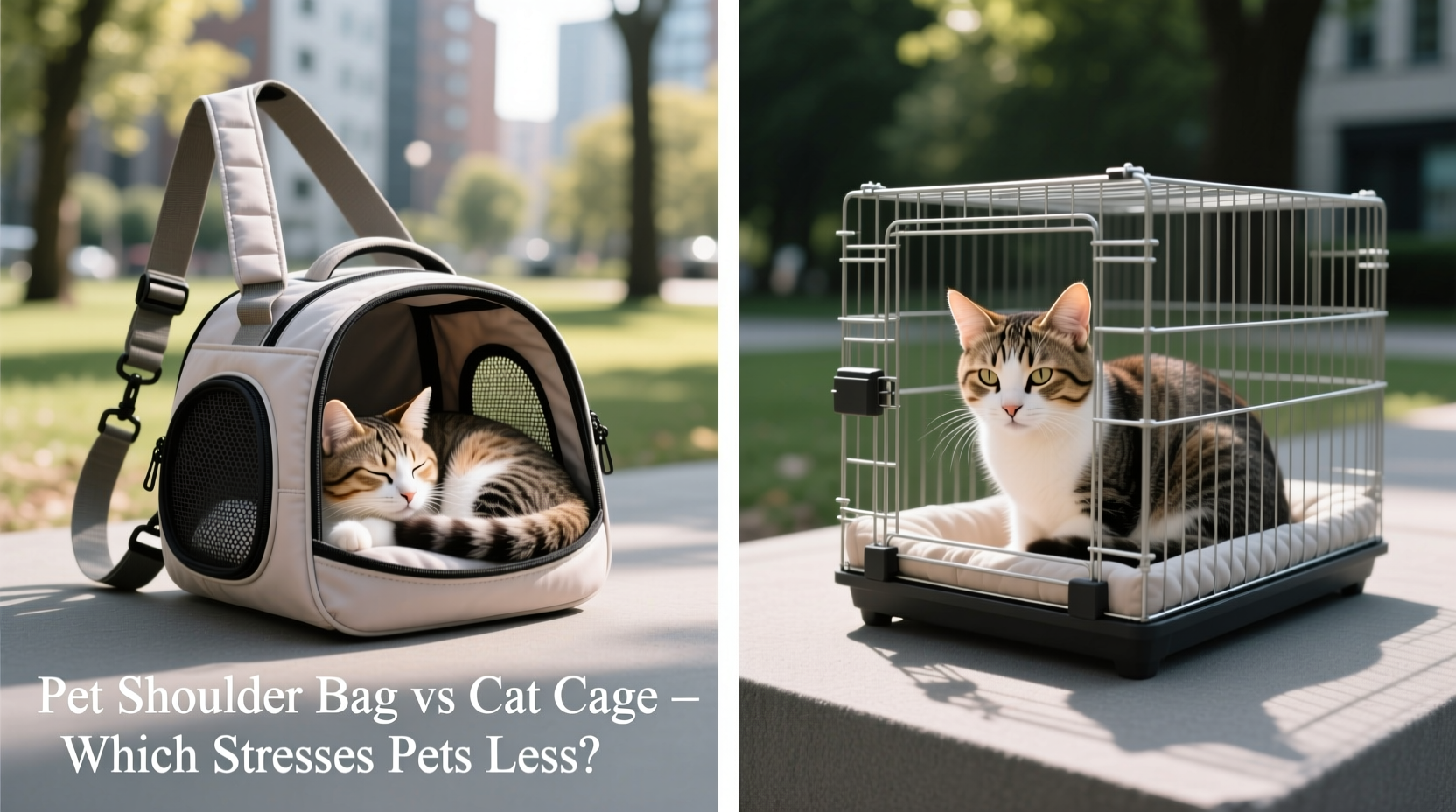
Animals experience stress during travel due to unfamiliar environments, motion, noise, and lack of control. Cats, in particular, are territorial creatures that rely heavily on scent and routine. Sudden changes in environment can trigger fear responses such as panting, vocalization, hiding, or even aggression. Small dogs may react similarly, especially if they’re not accustomed to being carried or confined.
Stress isn't just uncomfortable—it can lead to long-term behavioral issues and health complications. Elevated cortisol levels from chronic stress suppress immune function and increase susceptibility to illness. That’s why minimizing anxiety during transport should be a top priority when selecting a carrier.
“Transport stress is one of the most overlooked aspects of pet care. A poorly chosen carrier can turn a simple vet visit into a traumatic experience.” — Dr. Lena Patel, Veterinary Behavior Specialist
Design and Functionality: Shoulder Bag vs Cat Cage
Pet shoulder bags and cat cages differ fundamentally in structure, accessibility, and safety features. Each design influences how secure and calm your pet feels during transit.
Pet Shoulder Bags
Typically made from soft, lightweight materials like nylon or canvas, shoulder bags are designed for portability and style. They often feature mesh windows for ventilation, padded interiors, and adjustable straps. Some models allow pets to peek out, offering visual stimulation.
Pros:
- Lightweight and easy to carry
- Often more comfortable for short trips
- Allows pets to see their surroundings (can be calming or overstimulating)
- Less bulky, easier to store
Cons:
- Limited structural protection in case of drops or accidents
- Less ventilation than hard carriers
- May sway or shift while walking, increasing anxiety
- Difficult to clean thoroughly
Cat Cages (Hard-Sided Carriers)
These rigid plastic or fiberglass carriers usually open from the front or top and are designed with safety in mind. Most meet airline standards and include secure latches, strong handles, and sometimes dual compartments.
Pros:
- Superior protection in emergencies
- Better airflow through multiple vents
- More predictable motion—less swinging or bouncing
- Easier to sanitize and disinfect
- Stackable and compatible with car seat belts
Cons:
- Heavier and bulkier
- Less visually stimulating (can feel isolating)
- Some pets resist entering due to past negative associations
Comparative Analysis: Which Stresses Pets Less?
The answer depends on context, but research and behavioral observations suggest that hard-sided cat cages generally cause less stress—especially in unfamiliar or high-anxiety situations.
| Factor | Shoulder Bag | Cat Cage |
|---|---|---|
| Physical Safety | Moderate – vulnerable to impact | High – crash-tested designs available |
| Ventilation | Limited – mesh panels only | Excellent – multi-directional airflow |
| Motion Stability | Low – sways with movement | High – stable, controlled handling |
| Sensory Control | Variable – visual access may overstimulate | Better – enclosed space reduces sensory overload |
| Escape Risk | Higher – zippers can fail | Lower – secure latches and rigid construction |
| Stress Level (Average) | Moderate to High | Low to Moderate |
While shoulder bags may seem more “cuddly” or convenient, their instability and lack of containment often heighten anxiety. In contrast, the predictability and enclosure of a cat cage mimic den-like environments, which many cats find reassuring. For dogs, especially small breeds, a hard carrier offers consistent boundaries that reduce uncertainty.
Real-Life Scenario: The Vet Visit Dilemma
Sophia adopted a shy rescue cat named Milo who had a history of hiding under furniture during loud noises. When it came time for his first vet visit, she chose a stylish shoulder bag, thinking it would be gentler. Midway to the clinic, Milo began meowing frantically. The bag shifted with her steps, and the passing traffic visible through the mesh overwhelmed him. By the time they arrived, he was trembling and refused to come out.
Her vet recommended switching to a top-opening hard carrier. At home, Sophia left it out with a soft blanket and treats inside. Over several days, Milo started napping in it voluntarily. On the next visit, he entered calmly, and the smooth, stable ride reduced his panic. The vet noted a significant drop in heart rate compared to the previous trip.
This example illustrates that perceived comfort doesn’t always equal actual stress reduction. Familiarity, predictability, and physical security matter more than soft fabrics or fashion-forward designs.
Step-by-Step Guide to Reducing Carrier Stress
No matter which carrier you choose, proper introduction and handling techniques are key. Follow this timeline to minimize anxiety:
- Day 1–3: Place the carrier in a quiet area of the home. Add a familiar-smelling blanket or toy inside. Leave the door open so your pet can explore freely.
- Day 4–6: Toss high-value treats near and eventually inside the carrier. Reward curiosity without forcing entry.
- Day 7–9: Feed meals near the carrier. Gradually move the food bowl inside, then close the door briefly while you stay nearby.
- Day 10–12: Practice short “mock trips” around the house or yard. Carry the closed carrier gently, speaking in a calm voice.
- Day 13+: Take brief car rides (5–10 minutes) to neutral locations. Return home and release your pet immediately to reinforce positive association.
This method works regardless of carrier type—but it’s especially effective with hard-sided models, which benefit from early normalization.
Frequently Asked Questions
Can I use a shoulder bag for air travel?
No. Most airlines require hard-sided carriers that meet specific safety and ventilation standards. Soft bags do not provide adequate protection during cargo handling or turbulence.
My cat hates all carriers. What can I do?
Start by never using the carrier only for vet visits. Keep it accessible year-round as a safe space. Use pheromone sprays (like Feliway), play calming music during travel, and consider consulting a veterinary behaviorist for severe cases.
Are backpack-style carriers better than shoulder bags?
Backpacks distribute weight more evenly and offer greater stability, which may reduce motion-related stress. However, ensure they have sufficient ventilation and allow your pet to remain in a natural lying position.
Final Recommendations and Action Steps
When comparing pet shoulder bags and cat cages, the evidence leans strongly toward hard-sided carriers for reducing stress—particularly in unpredictable environments like cars, clinics, or airports. While shoulder bags may suit calm, confident pets on short, low-stress outings, they lack the structural integrity and environmental control needed for true peace of mind.
To make the best choice:
- Prioritize safety and ventilation over aesthetics
- Choose a carrier your pet can stand, turn, and lie down in comfortably
- Invest time in gradual training—not just for trips, but for daily life
- Consider hybrid models: some modern carriers combine soft exteriors with rigid frames and excellent airflow









