Traveling with a pet requires thoughtful preparation, especially when choosing how to transport them safely and comfortably. Two popular options—pet shoulder bags and airline-approved carriers—offer distinct benefits and drawbacks. While both are designed to keep pets secure, their impact on a pet’s emotional well-being varies significantly. Understanding these differences helps pet owners make informed decisions that prioritize comfort, safety, and reduced anxiety.
Understanding Pet Travel Stress Triggers
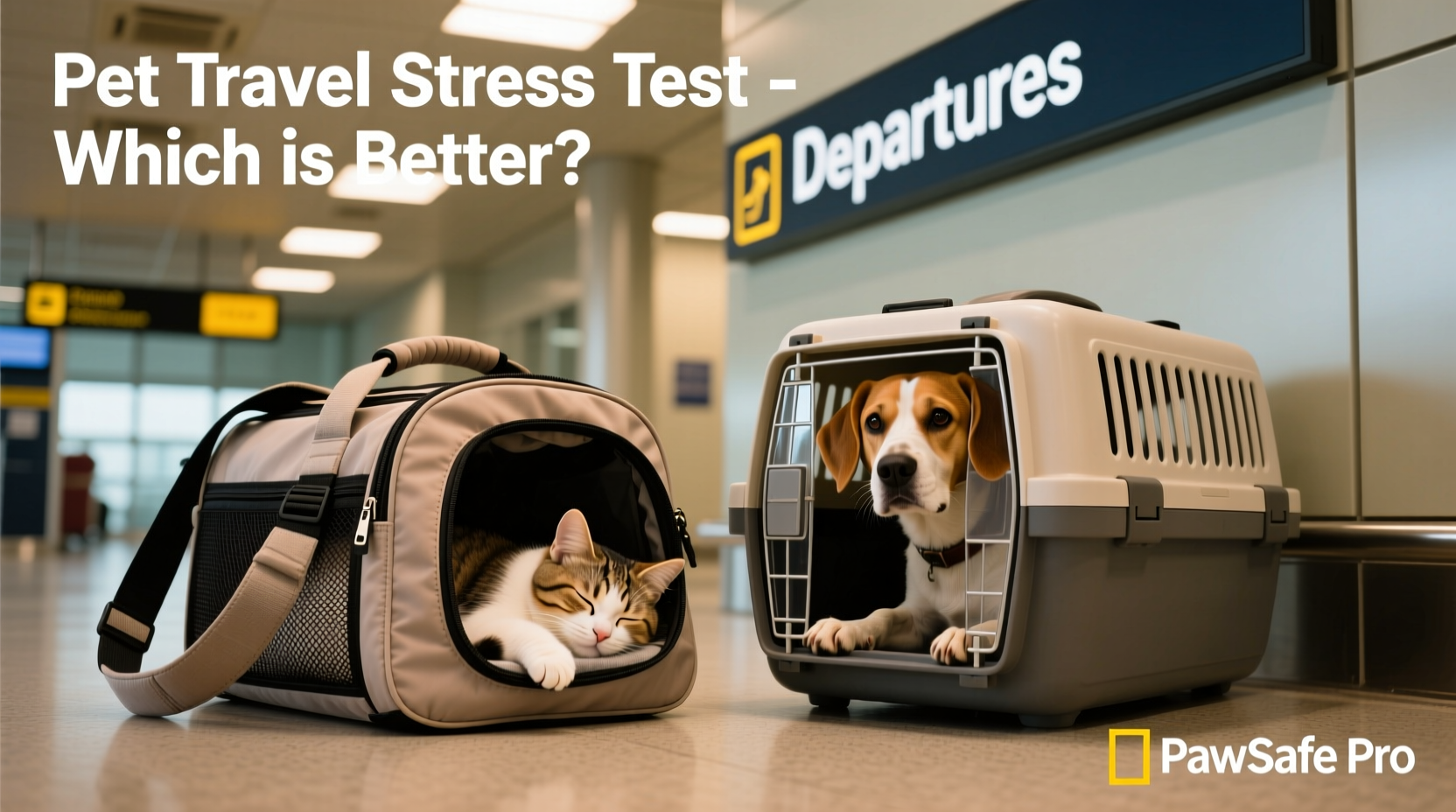
Pets experience stress during travel due to unfamiliar environments, motion, noise, restricted movement, and separation from familiar scents and routines. The container used plays a major role in either mitigating or amplifying these stressors. A shoulder bag may appear more convenient for urban commutes, while an airline carrier is built for airport regulations and longer journeys. However, the psychological impact on the animal depends on design, ventilation, space, and sensory exposure.
Small dogs and cats often feel safer in enclosed spaces where they can't see chaotic surroundings but still have airflow and room to shift position. Overstimulation from passing pedestrians, traffic, or loud sounds through thin fabric walls can heighten anxiety. Conversely, excessive confinement without visual cues may lead to disorientation or panic in some animals.
“Dogs and cats rely heavily on environmental predictability. Any disruption to their sense of control increases cortisol levels—the primary stress hormone.” — Dr. Lena Torres, Veterinary Behavior Specialist
Design & Functionality: Shoulder Bag vs Airline Carrier
Pet shoulder bags are typically soft-sided, lightweight, and styled like fashion accessories. They’re marketed as hands-free solutions for short trips to cafes, vet visits, or city walks. Most feature mesh windows for airflow and a single entry point, often at the top or front. Their compact size suits very small breeds (e.g., Chihuahuas, toy poodles) or kittens under 7–10 pounds.
Airline carriers, by contrast, are rigid or semi-rigid plastic containers with metal grilles for doors. Designed to meet International Air Transport Association (IATA) standards, they provide structural integrity, better temperature regulation, and protection during handling. These carriers allow side loading, improved ventilation on multiple sides, and often include removable trays for hygiene.
Tip: Always test any carrier at home before travel. Let your pet explore it with treats and bedding to build positive associations.Key Differences in Comfort and Security
| Feature | Pet Shoulder Bag | Airline Carrier |
|---|---|---|
| Ventilation | Limited mesh panels; airflow varies by model | Multi-directional vents; consistent airflow |
| Structural Protection | Minimal; vulnerable to crushing or impact | High; withstands stacking and rough handling |
| Mobility Inside | Restricted; usually no standing or turning | Allows sitting, lying down, limited turning |
| Temperature Regulation | Poor; fabric retains heat | Better; plastic dissipates heat more evenly |
| Sensory Exposure | High; visual and auditory stimuli enter easily | Controlled; partial visibility reduces overstimulation |
| Air Travel Approval | Rarely compliant with IATA standards | Designed to meet most airline requirements |
Real-World Example: Luna the Rescue Cat’s Vet Visit
Luna, a 9-pound domestic shorthair adopted from a shelter, has a history of anxiety around new environments. Her owner, Maria, once brought her to a routine check-up using a floral-print shoulder bag with front mesh. During the subway ride, Luna was exposed to bright lights, sudden movements, and close contact with strangers. She vocalized continuously, scratched the interior, and arrived at the clinic panting.
The following year, Maria switched to a hard-shell airline carrier lined with a familiar blanket. She acclimated Luna to the carrier over several days with treats and quiet time inside. On the trip, Luna remained mostly silent, peering cautiously through the grille but not attempting escape. The veterinarian noted lower heart rate and muscle tension compared to the previous visit.
This case illustrates how structure, predictability, and controlled sensory input contribute to reduced stress—even during short outings.
Step-by-Step: Choosing the Right Option for Your Pet
Follow this decision-making process to select the least stressful travel method:
- Evaluate Trip Purpose: Is it a quick errand or long-distance flight? Airline carriers are mandatory for flights; shoulder bags may suffice for brief, low-stress excursions.
- Assess Pet Size & Temperament: Nervous or larger pets need space and protection. Calm, tiny pets may tolerate soft bags if trips are predictable.
- Test Ventilation: Place the closed bag/carrier in a warm room. After 15 minutes, touch the interior. If it feels hot or stuffy, it’s unsafe for extended use.
- Simulate Movement: Carry the loaded container around the house. Observe whether your pet shifts uncomfortably, tries to escape, or remains calm.
- Check Airline Rules: Even if you're not flying now, future-proofing with an airline-compliant carrier adds versatility.
Essential Checklist Before Travel
- ✅ Confirm weight and dimension limits set by transportation providers
- ✅ Line the carrier with absorbent, washable padding
- ✅ Attach ID tags and a visible “Live Animal” label
- ✅ Include a familiar-smelling item (e.g., worn t-shirt)
- ✅ Avoid feeding 3–4 hours before departure to prevent nausea
- ✅ Carry water in a spill-proof container for breaks
- ✅ Never leave your pet unattended in a vehicle or public area
When a Shoulder Bag Might Be Acceptable
Despite limitations, shoulder bags can be suitable in specific scenarios:
- For confident pets accustomed to social settings
- During off-peak hours with minimal crowd exposure
- In climate-controlled environments (e.g., indoor malls)
- For pets who dislike enclosed spaces and respond poorly to rigid carriers
Even then, choose models with reinforced bottoms, 360° mesh, and seatbelt straps for car use. Never use decorative bags lacking proper ventilation or structural support.
Frequently Asked Questions
Can I use a shoulder bag on an airplane?
No. Most airlines require rigid, IATA-compliant carriers for in-cabin pets. Soft-sided bags do not meet safety standards for turbulence or emergency evacuation.
How do I help my pet adjust to an airline carrier?
Leave the carrier open at home with treats, toys, and bedding inside. Reward exploration. Practice short “mock trips” by carrying it gently around the house or yard.
Are there hybrid options available?
Yes. Some brands offer semi-rigid carriers with padded exteriors and airline compliance. These balance comfort and safety, though they tend to be heavier and less fashionable than shoulder bags.
Final Recommendation: Prioritize Psychological Safety
While pet shoulder bags offer convenience and aesthetic appeal, they generally expose animals to more stress than airline carriers. The latter’s superior ventilation, physical protection, and controlled environment align better with animal welfare principles during transit. Even for non-air travel, a certified carrier provides peace of mind and adaptability across different situations.
The best choice isn’t about what looks good—it’s about what makes your pet feel safe. Investing in a high-quality airline carrier, even if used only for local trips, pays dividends in reduced anxiety, better behavior, and overall health.
💬 Your pet's comfort matters. Share your travel experiences or ask questions in the comments—help other pet parents make smarter, kinder choices.








