
A well-designed home bar reflects personal taste, hospitality, and lifestyle—but when pets share your space, it becomes a functional safety zone first. Ethanol (the intoxicating compound in beer, wine, spirits, and even some non-alcoholic beverages) is highly toxic to dogs and cats at doses as low as 0.5–1.0 g/kg body weight. A single ounce of 40% vodka contains ~12 g of ethanol—enough to induce life-threatening metabolic acidosis, respiratory depression, or coma in a 10-pound cat. Yet many home bars remain unsecured: open bottles on countertops, spilled drops on floors, forgotten cocktail shakers left overnight, or fermenting fruit bowls mistaken for snacks. This isn’t about restricting enjoyment—it’s about integrating thoughtful, science-backed safeguards into the design, placement, and daily operation of your bar. The goal isn’t perfection; it’s resilience against instinct, curiosity, and accident.
Why Ethanol Is Especially Dangerous for Pets
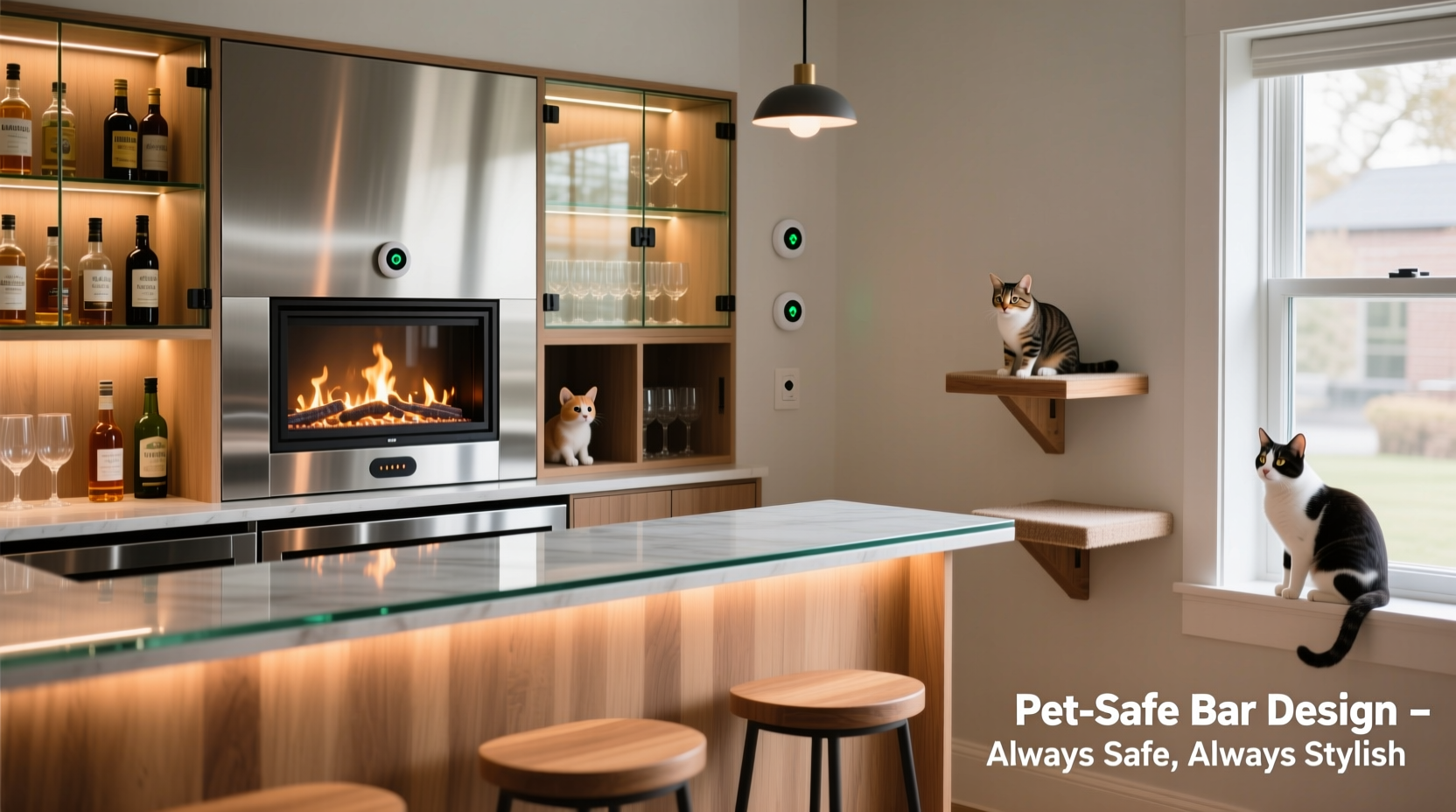
Dogs and cats lack the robust gastric alcohol dehydrogenase activity humans possess, meaning ethanol is absorbed rapidly and metabolized inefficiently. Their smaller size amplifies risk: a 22-pound dog ingesting just two tablespoons of whiskey may develop vomiting, ataxia, and hypothermia within 30 minutes. Cats are even more vulnerable due to heightened sensitivity to ethanol’s CNS depressant effects and limited capacity to conjugate metabolites like acetaldehyde. Compounding the danger are secondary toxins commonly found near bars: grapes and raisins (in garnishes or charcuterie), hops (in craft beer ingredients or spent grain), xylitol (in sugar-free syrups or gum), and essential oils (in bitters or citrus peels). Unlike human intoxication, pet ethanol toxicity rarely presents with “fun” symptoms—it begins with lethargy and progresses swiftly to seizures, hypoglycemia, and aspiration pneumonia.
“Ethanol ingestion is one of the top five toxin exposures we see in emergency veterinary clinics during holiday weekends—and nearly all cases involve accessible home bars or unattended drinks. Prevention isn’t about vigilance alone; it’s about eliminating opportunity through intelligent design.” — Dr. Lena Torres, DVM, DACVECC, Director of Toxicology Services at Midwest Veterinary Emergency Center
Five Foundational Principles of Pet-Safe Bar Design
Effective pet safety starts before the first bottle is purchased. These principles guide material selection, spatial planning, and behavioral compatibility:
- Vertical Separation: Store all liquids above 5 feet—beyond jump-and-paw reach—even for agile cats.
- Containment Integrity: Use latched cabinets or locking mechanisms that resist paw manipulation (e.g., magnetic catches fail under persistent pressure).
- Surface Discipline: Never leave open containers, damp cloths, or residue-coated tools on counters or low shelves.
- Olfactory Mitigation: Avoid storing fermented items (kombucha, sourdough starters, overripe fruit) near bar zones—pets track scent far more acutely than humans.
- Redundant Barriers: Combine physical barriers (cabinets) with behavioral cues (training, designated pet-free zones) and environmental management (non-slip flooring, motion-activated alerts).
Step-by-Step: Building Your Pet-Safe Bar in 7 Days
This timeline assumes no major renovations—only behavioral shifts, smart purchases, and strategic reorganization. Each day builds on the last, creating layered protection.
- Day 1 — Audit & Remove: Inventory every ethanol-containing item: spirits, wines, beers, liqueurs, bitters, syrups, kombucha, vanilla extract, mouthwash, and hand sanitizer. Discard expired items and consolidate duplicates into one secure location.
- Day 2 — Measure & Map: Identify all accessible surfaces within 5 feet of floor level where drinks are prepared or served. Mark these zones with painter’s tape. Note proximity to pet beds, litter boxes, or favorite napping spots.
- Day 3 — Install Physical Barriers: Mount wall-mounted cabinets with auto-latching doors (tested with 15 lbs of downward pressure). For freestanding units, add dual-lock drawer slides and anti-tip straps anchored to wall studs.
- Day 4 — Redesign Workflow: Move mixing tools (shakers, jiggers, muddlers) into a locked caddy. Store citrus, herbs, and garnishes in sealed, opaque containers—not open bowls. Replace cloth bar towels with disposable, unscented paper towels.
- Day 5 — Introduce Behavioral Cues: Train a “leave-it” command using high-value treats. Place a small rug or mat at the bar entrance and reward your pet for staying off it during prep time. Consistency matters more than duration—three 90-second sessions daily yield measurable results in under a week.
- Day 6 — Deploy Monitoring Tools: Install a motion-activated LED light strip under cabinets (to detect unauthorized access at night) and place ethanol-detecting test strips (available via veterinary supply vendors) near common spill zones monthly.
- Day 7 — Final Review & Protocol Signage: Create a laminated “Bar Safety Card” listing emergency contacts (ASPCA Animal Poison Control: 888-426-4435), clinical signs of ethanol toxicity, and first-response steps (do not induce vomiting; keep warm; seek immediate care). Post it inside the bar cabinet door.
Pet-Safe Storage Solutions: What Works (and What Doesn’t)
Not all storage methods provide equal protection. This table compares common approaches based on real-world pet behavior, veterinary incident data, and mechanical reliability:
| Solution | Effectiveness Against Dogs | Effectiveness Against Cats | Key Limitations |
|---|---|---|---|
| Standard upper cabinets (no latch) | Low — most medium/large dogs can jump or use stools | Moderate — cats can leap but may avoid open shelving | No barrier to paws; relies on height alone |
| Child-safety latches (spring-loaded) | Moderate — defeated by persistent nosing or pawing | Low — cats quickly learn lever mechanics | Designed for toddlers, not problem-solving animals |
| Wall-mounted lockbox with key or combo | High — requires manual dexterity beyond canine capability | High — no accessible levers or gaps | Requires consistent user discipline; keys must be secured |
| Freestanding bar cart with locking drawers | Moderate-High — if weighted and anchored | Moderate — cats may climb but cannot open drawers | Unanchored units tip easily; drawer locks must withstand >20 lbs force |
| Under-stair or closet-integrated bar | High — physical separation + door control | High — especially with self-closing hinges | Requires dedicated space; not feasible in open-plan homes |
Real-World Case Study: The Portland Incident
In March 2023, a 3-year-old Maine Coon named Jasper ingested approximately 60 mL of spilled bourbon left overnight in a crystal tumbler on a low oak sideboard. His owners assumed the 28-inch height was sufficient—until Jasper used a nearby ottoman as a launchpad, then balanced on the sideboard’s narrow ledge to lap the residue. Within 90 minutes, he developed severe ataxia and hypothermia (rectal temp 95.2°F). At the emergency clinic, blood ethanol measured 220 mg/dL—nearly triple the toxic threshold for cats. He received IV fluids, dextrose supplementation, and thermal support for 14 hours before stabilizing. Post-recovery, his owners redesigned their bar area: they installed a wall-mounted oak cabinet at 62 inches with a keyed lock, relocated the sideboard to a pet-free hallway, and began using a silicone spill mat that triggers an audible alert when liquid contact exceeds 5 seconds. Jasper now receives a lick of unsalted chicken broth from a designated “treat cup” during cocktail hour—a ritual that redirects curiosity without compromising safety.
What to Do If Accidental Exposure Occurs
Immediate action reduces morbidity and mortality. Follow this protocol—not based on folklore, but on veterinary toxicology consensus:
- Do not induce vomiting. Ethanol causes rapid gastric emptying; vomiting risks aspiration and does not remove significant absorbed toxin.
- Assess exposure timing and volume. Estimate milliliters ingested and time elapsed. Note formulation (e.g., 80-proof vs. 151-proof rum, presence of xylitol in syrup).
- Keep your pet warm and quiet. Wrap in blankets; minimize handling to reduce metabolic demand.
- Contact ASPCA Animal Poison Control (888-426-4435) or Pet Poison Helpline (855-764-7661) immediately. Have product labels ready—they guide treatment decisions.
- Seek veterinary care without delay—even if asymptomatic. Clinical signs may lag 30–120 minutes, and early intervention prevents progression to coma or respiratory arrest.
FAQ: Common Concerns Addressed
Can I use “pet-safe” alcohol alternatives like dealcoholized wine or non-alcoholic beer?
No. Most dealcoholized wines retain 0.5%–1.0% ethanol—still toxic to small pets in concentrated amounts. Non-alcoholic beers often contain hops, which cause malignant hyperthermia in dogs. Even trace ethanol poses risk when combined with other stressors like heat or exercise. True safety means zero ethanol exposure—not reduced exposure.
Are certain spirits safer than others? What about vinegar or cooking wine?
No spirit is safer. All contain ethanol at concentrations that exceed safe thresholds. Cooking wine is especially hazardous: it contains added salt (risking sodium ion poisoning) and often preservatives like potassium metabisulfite, which can trigger allergic reactions in sensitive animals. Vinegar (acetic acid) is not ethanol-based but remains caustic to mucous membranes—never store open vinegar near pet-accessible zones.
My dog only sniffs drinks—he doesn’t drink them. Is that still risky?
Yes. Ethanol vapor is readily absorbed through nasal mucosa. Chronic low-level inhalation—especially in poorly ventilated spaces—can lead to cumulative neurotoxicity, evidenced by subtle gait changes or increased anxiety. Additionally, sniffing often precedes licking; once residue coats fur, grooming transfers toxin directly to the gastrointestinal tract.
Conclusion: Design With Empathy, Not Just Aesthetics
Your home bar is more than décor—it’s a convergence point of chemistry, habit, and shared living. When you choose latched cabinets over open shelves, replace grapefruit wedges with cucumber ribbons, and pause before leaving a half-finished margarita on the coffee table, you’re not sacrificing joy—you’re deepening responsibility. Pet-safe bar design asks us to see our spaces through another species’ senses: the sharp tang of spilled gin, the warmth of a sunlit countertop where a cat might nap beside a forgotten glass, the crinkle of a paper cocktail umbrella mistaken for prey. It’s architecture rooted in empathy. Start with one change this week: install that lock, move that bottle, train that “leave-it.” Then share what worked—not just for your pets’ safety, but to strengthen the community of mindful hosts who believe great cocktails and compassionate cohabitation aren’t mutually exclusive.
💬 Have you redesigned your bar after a close call—or prevented one with clever solutions? Share your story in the comments. Real experience helps more than theory ever could.








