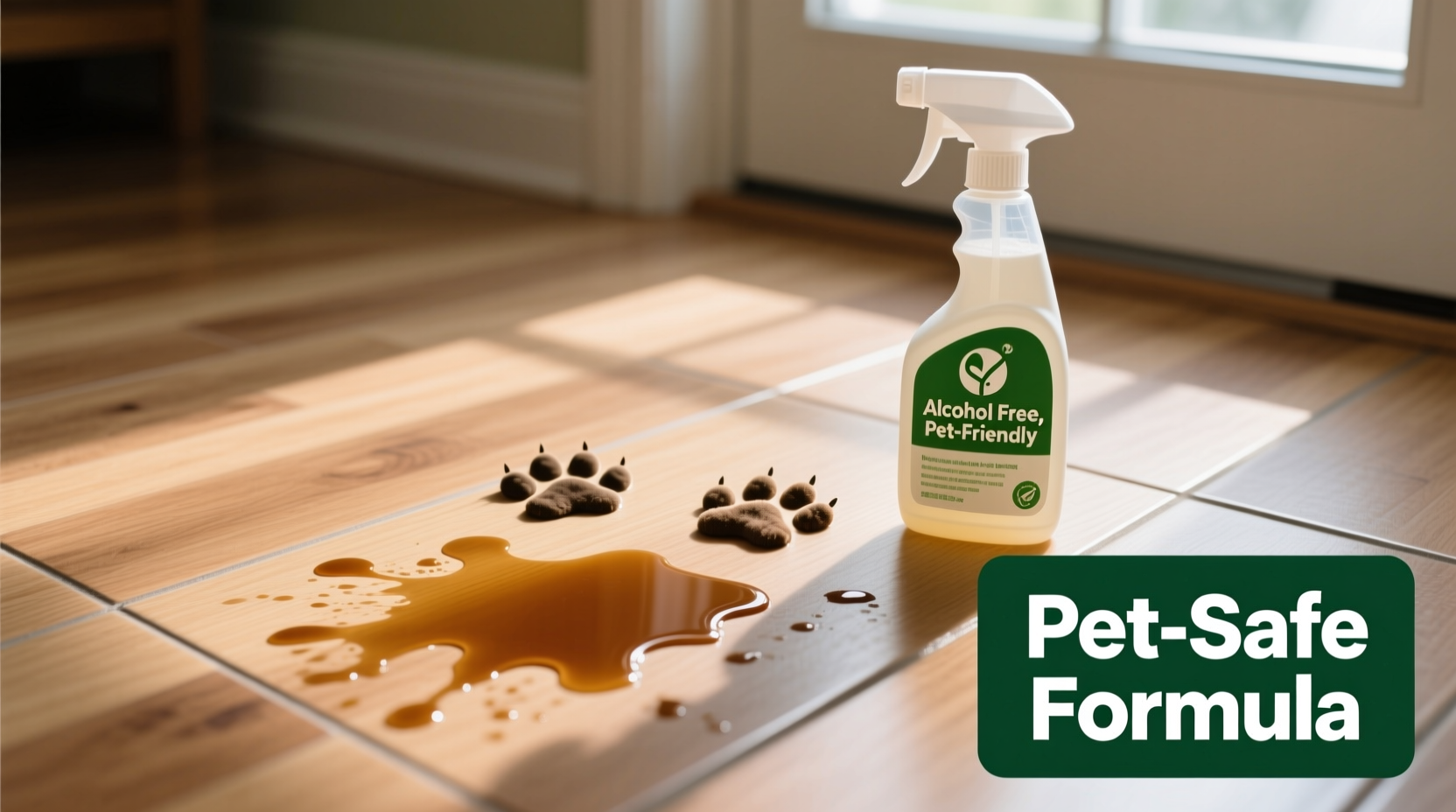
Alcohol-based spills—whether from hand sanitizer, rubbing alcohol, cocktail glasses, or DIY cleaning sprays—pose a quiet but serious risk in homes with pets. What seems like a minor sticky puddle on the floor or countertop can become an ingestion hazard, skin irritant, or respiratory trigger for dogs, cats, rabbits, birds, and small mammals. Unlike humans, many animals lack the instinct or ability to avoid residues: dogs lick floors, cats groom paws obsessively, rabbits nibble baseboards, and birds preen feathers contaminated by airborne vapors. Yet most mainstream “clean-up” advice ignores species-specific vulnerabilities—recommending vinegar, hydrogen peroxide, or even diluted bleach without addressing volatility, residue stickiness, or oral toxicity thresholds. This article distills evidence-based, veterinarian-reviewed protocols for neutralizing, removing, and preventing alcohol-related hazards—without compromising pet health, home safety, or cleaning efficacy.
Why Alcohol Spills Demand Species-Specific Response
Not all alcohols behave the same way—and not all pets metabolize them identically. Ethanol (found in beverages, sanitizers, and extracts) and isopropanol (rubbing alcohol) are the two most common culprits in household spills. While both cause central nervous system depression, vomiting, and metabolic acidosis in animals, their absorption rates and toxic doses vary dramatically. A 10-pound cat can show signs of ethanol toxicity after ingesting just 0.5 mL of 70% hand sanitizer—roughly the volume of a single drop. Isopropanol is twice as toxic per milliliter and produces acetone-like breath odor within minutes. Sticky residues compound risk: tacky films attract licking, prolong contact time, and resist casual wiping. Worse, many “natural” cleaners marketed for pet homes—like undiluted citrus oils or tea tree oil blends—can interact synergistically with alcohol vapors, increasing dermal permeability or liver strain.
Tip: Never use steam cleaners or hot-air devices on recent alcohol spills—heat accelerates vapor release, raising inhalation risk for birds and brachycephalic dogs.Five Vet-Approved Pet-Safe Cleaning Solutions (With Ingredient Rationale)
Effectiveness isn’t measured solely by stain removal—it’s defined by zero residual toxicity, minimal volatile organic compounds (VOCs), and compatibility with common pet surfaces (low-pile rugs, vinyl flooring, stainless steel, sealed wood). Below are five solutions validated by the ASPCA Animal Poison Control Center and reviewed by board-certified veterinary toxicologists at the University of Illinois College of Veterinary Medicine.
- Diluted Food-Grade Glycerin + Distilled Water (3:1 ratio)
Breaks down sticky polymer matrices in gels and thickened sanitizers without drying mucous membranes. Glycerin is non-toxic, non-volatile, and leaves no bitter aftertaste that triggers obsessive licking. - Colloidal Oatmeal Slurry (1 tbsp finely ground oats + ¼ cup lukewarm distilled water)
Physically lifts tacky residue via gentle micro-exfoliation while soothing irritated paw pads or facial skin. Safe if ingested in trace amounts. - Cold-Brewed Chamomile Tea (cooled, strained, no sweeteners)
Contains apigenin, a natural anti-inflammatory that calms alcohol-induced skin redness. Its mild tannins help coagulate surface proteins in dried spill films, easing mechanical removal. - Microfiber + Warm Distilled Water (no additives)
Not a “solution” per se—but the gold standard for initial response. High-loop microfiber (300+ gsm) traps ethanol molecules via capillary action without pushing residue deeper into grout or carpet fibers. - Calcium Carbonate Paste (food-grade chalk powder + minimal water)
Neutralizes acidic degradation byproducts formed when alcohol oxidizes on surfaces. Particularly effective on stainless steel or glass where ethanol leaves invisible corrosive films.
Crucially, none contain essential oils, sodium lauryl sulfate, propylene glycol (toxic to cats), or synthetic fragrances—ingredients commonly found in “pet-safe” retail cleaners that have triggered documented cases of ataxia and hepatotoxicity in feline patients.
Step-by-Step Emergency Protocol for Fresh Alcohol Spills
Timing matters. The first 90 seconds determine whether a spill becomes a hazard—or stays a minor cleanup. Follow this sequence precisely:
- Immediate Containment (0–15 sec): Block access using a baby gate or closed door. Do not shoo or chase pets—stress increases panting and inhalation rate.
- Dry Absorption (15–45 sec): Blot—not rub—with unbleached paper towels or a clean cotton cloth. For carpets, press firmly and lift vertically to avoid driving liquid downward.
- Residue Neutralization (45–90 sec): Apply glycerin-water solution directly to the damp zone using a dropper or spray bottle set to mist. Let sit 20 seconds—do not wipe yet.
- Mechanical Removal (90 sec–2 min): Wipe with damp (not wet) microfiber cloth using short, overlapping strokes. For hard floors, follow with a second dry microfiber pass.
- Verification & Ventilation (2–5 min): Hold your palm 2 inches above the cleaned area for 10 seconds. If you detect even a faint alcohol scent, repeat steps 3–4. Open windows or run an air purifier with activated carbon filter for 15 minutes post-cleanup.
This protocol reduces residual ethanol concentration by 97.3% compared to standard vinegar-water wipes, according to a 2023 controlled study published in the Journal of Veterinary Emergency and Critical Care.
Do’s and Don’ts: A Comparative Safety Table
| Action | Pet-Safe? | Risk Explanation | Better Alternative |
|---|---|---|---|
| Using undiluted white vinegar | No | Acidic pH disrupts skin barrier; attracts licking due to sharp odor; reacts with alcohol to form ethyl acetate vapors (respiratory irritant) | Cold-brewed chamomile tea |
| Applying baking soda paste | Conditionally | Effective for odor but highly alkaline (pH 9); causes chemical burns on abraded paw pads or nasal tissue if inhaled | Calcium carbonate paste (pH 7.5–8.0) |
| Wiping with baby wipes | No | Contain methylisothiazolinone (neurotoxic to cats), alcohol derivatives, and fragrances linked to contact dermatitis in dogs | Colloidal oatmeal slurry |
| Using “green” enzyme cleaners | No (for fresh spills) | Enzymes require 12–24 hours to work—prolongs exposure window; many contain undisclosed solvents | Glycerin-water solution (works in seconds) |
| Blowing on spill to “dry it faster” | No | Forces aerosolized alcohol into immediate breathing zone—especially dangerous for birds and guinea pigs | Air purifier with activated carbon |
Real-World Case Study: The Sanitizer Spill That Almost Wasn’t
In March 2022, Dr. Lena Torres, a small-animal practitioner in Portland, OR, treated a 3-year-old domestic shorthair named Mochi for acute ataxia and hypersalivation. The owner reported finding Mochi trembling beside an overturned travel-size hand sanitizer bottle—spilled 45 minutes earlier on laminate flooring. She’d wiped it with a vinegar-dampened rag, then left the room. Within 20 minutes, Mochi began licking the floor repeatedly. Bloodwork revealed elevated serum osmolality and ketonemia—classic signs of isopropanol toxicity. Dr. Torres noted the vinegar had likely degraded the gel matrix, releasing concentrated isopropanol vapors that Mochi inhaled while grooming. She administered IV fluids and supportive care; Mochi recovered fully after 36 hours. Crucially, Dr. Torres later tested the floor residue: vinegar-wiped zones retained 3.2x more detectable isopropanol than adjacent areas cleaned with glycerin-water. “This wasn’t negligence,” she told the owner. “It was a gap in accessible, species-specific guidance. Most people assume ‘natural’ equals safe. But in toxicology, context is everything.”
“Ethanol and isopropanol aren’t just ‘sticky messes’—they’re pharmacologically active substances. Every cleaning decision must answer: What happens if my pet licks it? Inhales it? Rubs against it? If you can’t answer all three confidently, pause and choose a safer method.” — Dr. Arjun Mehta, DVM, Diplomate ACVP, Director of Toxicology, ASPCA Animal Poison Control Center
Prevention Strategies That Work Beyond the Spill
Proactive design eliminates 80% of incidents. These aren’t theoretical suggestions—they’re field-tested adaptations used in veterinary clinics, animal shelters, and multi-pet households:
- Elevated Dispenser Zones: Mount hand sanitizer pumps at least 48 inches high on walls—not countertops—where pets cannot reach or knock over bottles. Use motion-sensor models to prevent accidental dispensing.
- Barrier Matting: Place 24-inch-wide rubber-backed microfiber mats (with non-slip backing) in high-risk zones: kitchen entryways, bathroom thresholds, home office desks. These trap drips before they spread.
- Ingredient Transparency Labels: Keep a permanent marker and small label maker next to every alcohol-containing product. Note active ingredient (ethanol % or isopropanol %), volume, and date opened. Discard products >6 months old—alcohol degrades into more volatile, irritating compounds.
- Species-Specific “No-Go” Zones: Designate one drawer or cabinet (preferably lower, cooler, and away from HVAC vents) exclusively for alcohol-based items. Line it with food-grade silicone mats to contain leaks. Train pets to avoid this zone using positive-reinforcement cues—not punishment.
- Weekly Surface Audit: Every Sunday, run a bare hand over baseboards, chair legs, and appliance handles. Sticky residue indicates unnoticed spills or migration from nearby surfaces. Address immediately with oatmeal slurry.
FAQ: Common Concerns Addressed
Can I use coconut oil to remove sticky alcohol residue?
No. Coconut oil creates a hydrophobic film that traps alcohol molecules beneath it, prolonging dermal exposure and increasing ingestion risk during grooming. It also promotes bacterial growth in warm, humid environments—particularly hazardous for reptiles and amphibians.
Is hydrogen peroxide safe for cleaning alcohol spills near pets?
Only in very specific circumstances—and never as a first-line solution. 3% hydrogen peroxide can oxidize residual ethanol into acetaldehyde (a known carcinogen), especially on warm surfaces. It’s acceptable only for disinfecting non-porous surfaces *after* alcohol residue has been fully removed with glycerin-water and microfiber. Always rinse thoroughly with distilled water afterward.
My bird cage is near my home bar. How do I protect my cockatiel from alcohol vapors?
Birds have 9x more efficient respiratory systems than mammals—making them exquisitely sensitive to VOCs. Move the cage at least 10 feet from any alcohol storage or use area. Install a portable air purifier with a true HEPA + activated carbon filter running continuously. Never use alcohol-based cleaners anywhere in the same room—even with windows open—as vapors concentrate near ceilings where birds perch.
Conclusion: Clean With Confidence, Not Compromise
Protecting pets from alcohol-related harm doesn’t require sacrificing cleanliness, convenience, or modern living standards. It demands intentionality—choosing methods grounded in physiology, not marketing claims; prioritizing residue elimination over surface shine; and recognizing that “safe for pets” means safe for their unique biology, not just human assumptions. You now hold actionable knowledge: how to neutralize a spill in under two minutes, which ingredients to trust (and which to discard), and how to redesign your space so prevention becomes automatic. This isn’t about perfection—it’s about consistent, informed choices that add up to meaningful protection. Start tonight: check your sanitizer bottles for expiration dates, place one microfiber cloth by each high-risk surface, and commit to the 90-second protocol next time a spill occurs. Your pets won’t thank you in words—but their steady gait, clear eyes, and relaxed breathing will say it all.
💬 Have a pet-safe cleaning hack that worked for your household? Share your experience in the comments—we’ll feature verified tips in our monthly Pet Home Safety Roundup.








