
Choosing the right feeding setup for your pet might seem like a minor detail, but it can significantly impact their comfort, digestion, and long-term health. With rising popularity around raised feeders—elevated bowls designed to lift food off the floor—many pet owners wonder whether they’re truly beneficial or just another overhyped trend. On the other side, the humble pet placemat remains a low-cost, practical solution for containing messes. So which option deserves a spot in your home? The answer depends on your pet’s breed, age, size, and specific health needs.
Understanding the Basics: What Each Option Offers
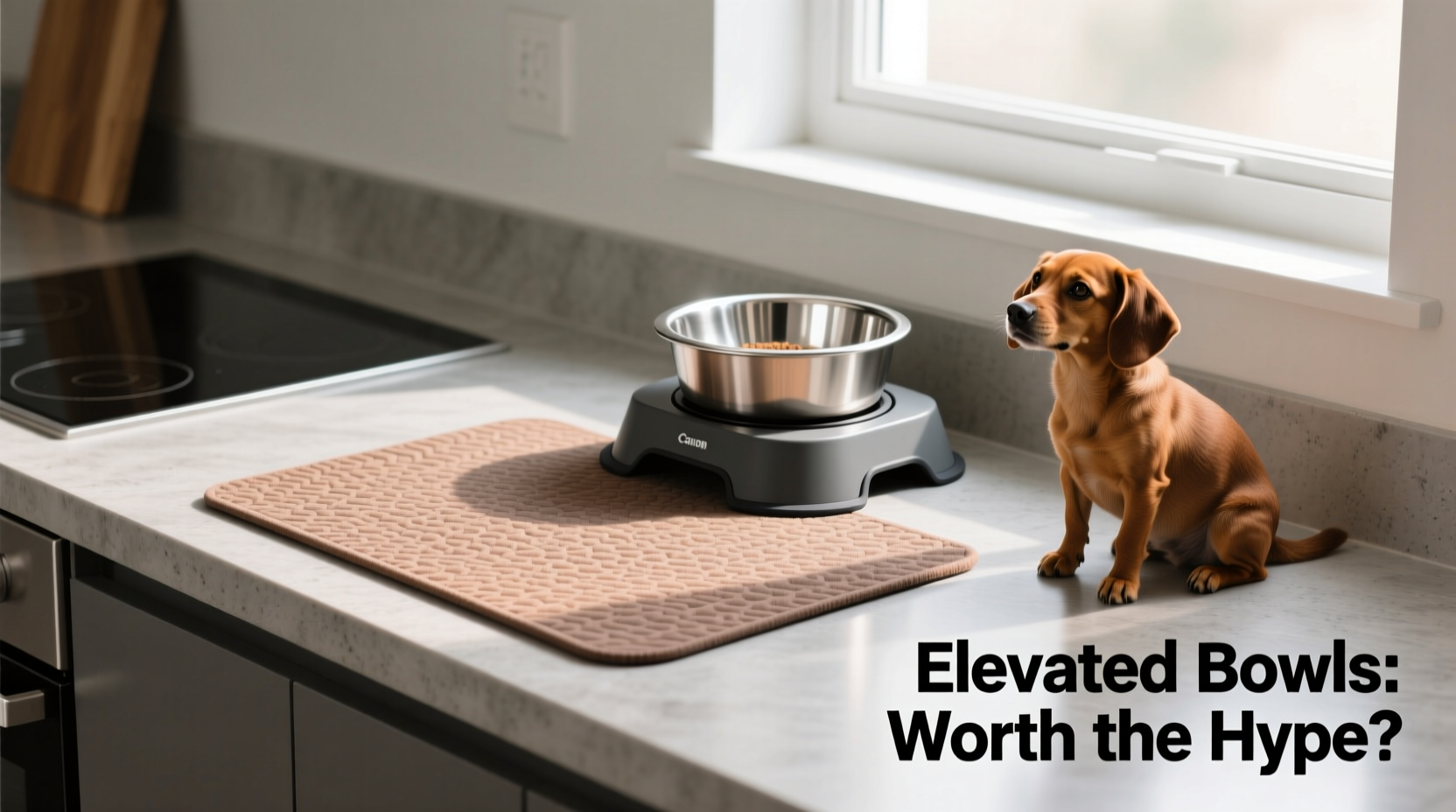
A pet placemat is a flat, often waterproof surface placed under food and water bowls. Its primary function is containment—keeping spills, crumbs, and moisture from spreading across your floor. Most are made from rubber, silicone, or fabric with non-slip backing. They’re easy to clean, inexpensive, and universally suitable for pets of all sizes.
In contrast, a raised feeder elevates the food and water bowls above ground level, typically mounted on a stand. These come in various heights and materials—wood, metal, or plastic—and are marketed to improve posture during meals, reduce strain on the neck and joints, and support better digestion.
The key difference lies not in cleanliness but in ergonomics. While both can help manage mess, only the raised feeder alters how your pet interacts physically with their meal.
Tip: If your pet has long ears or a deep chest, a raised feeder may prevent them from dragging their face through food.Benefits and Drawbacks of Raised Feeders
Raised feeders have gained traction among large-breed dog owners and those caring for senior or arthritic pets. By bringing the bowl closer to natural head height, these stands aim to eliminate the need for excessive bending, which over time can contribute to joint stress or spinal discomfort.
Veterinary experts note that for dogs with conditions like arthritis, hip dysplasia, or spondylosis, an elevated eating position can provide noticeable relief. Dr. Karen Becker, a proactive vet and animal health advocate, explains:
“For older dogs or giant breeds prone to musculoskeletal issues, raising the food bowl can reduce cervical and thoracic spine strain during meals.”
However, the benefits aren’t universal. Research has also linked raised feeders to an increased risk of gastric dilatation-volvulus (GDV), commonly known as bloat—a life-threatening condition especially prevalent in deep-chested breeds like Great Danes, Standard Poodles, and German Shepherds. A study published in the *Journal of the American Veterinary Medical Association* found that using elevated feeders was one of several factors associated with higher GDV incidence.
Additionally, some pets develop poor eating habits when using raised bowls, such as gulping food faster due to improved access, which can lead to indigestion or regurgitation.
When a Raised Feeder Makes Sense
- Your pet is a large or giant breed with a deep chest
- Your pet shows signs of joint pain or stiffness while eating
- You’ve consulted your veterinarian and received clearance or recommendation
- Your pet consistently eats too quickly and needs behavioral training (used in conjunction with slow-feed bowls)
When It Might Not Be Ideal
- Your pet is small-to-medium sized with no mobility issues
- Your pet belongs to a high-risk breed for bloat
- You're using it without understanding proper height alignment
Pet Placemats: Simplicity with Practical Advantages
While less flashy than raised feeders, pet placemats serve a critical role in daily pet care. Their main advantage is versatility. Available in dishwasher-safe silicone, machine-washable fabric, or antimicrobial rubber, placemats are designed for quick cleanup and spill control.
Beyond hygiene, placemats protect flooring from scratches, stains, and bacterial buildup caused by standing water. Some models even feature raised edges to contain liquids more effectively. For multi-pet households or homes with hard floors, this small addition can make a big difference in maintenance.
Placemats are also ideal for travel, temporary setups, or renters who can’t install permanent fixtures. Because they don’t alter feeding posture, they pose no known health risks and are safe for puppies, seniors, and every life stage in between.
“We see far more issues from poorly fitted elevated feeders than from floor-level feeding. Sometimes the simplest solution is the safest.” — Dr. Alan Stevens, DVM, Canine Orthopedic Specialist
Comparison Table: Placemat vs Raised Feeder
| Feature | Pet Placemat | Raised Feeder |
|---|---|---|
| Primary Purpose | Spill containment and floor protection | Ergonomic feeding and posture support |
| Cost | $5–$20 | $30–$100+ |
| Lifespan | 1–3 years (depending on material) | 2–5 years (varies by build quality) |
| Health Impact | Neutral – no effect on digestion or joints | Potential benefit for joint pain; possible bloat risk |
| Cleaning Ease | Very easy (wipe or wash) | Moderate (multiple parts, crevices) |
| Suitability for All Pets | Yes | No – caution advised for certain breeds |
| Space Requirements | Minimal | Moderate to high |
Real-World Example: Choosing for a Senior Labrador
Sarah adopted Max, a 10-year-old Labrador Retriever, from a local rescue. He had mild hip dysplasia and struggled to rise after lying down. During meals, he would hunch deeply over his bowl, sometimes pausing mid-meal to stretch his back.
After consulting her vet, Sarah decided to try a moderately raised feeder set at elbow height. Within days, Max ate more comfortably and showed fewer signs of post-meal stiffness. However, she chose a model with a wide base and non-slip feet to prevent tipping, and she monitored his eating speed closely.
She kept a silicone placemat underneath the raised unit to catch drips and crumbs—proving that the two solutions aren’t mutually exclusive. In Max’s case, combining targeted elevation with smart spill management delivered the best outcome.
Tip: When using a raised feeder, ensure the top of the bowl aligns with your pet’s chest or elbow—not higher.How to Choose the Right Option: A Step-by-Step Guide
- Assess your pet’s physical condition: Look for signs of stiffness, neck strain, or difficulty lowering the head.
- Consider breed-specific risks: Deep-chested dogs should avoid elevated feeding unless medically advised.
- Measure current feeding behavior: Observe posture, eating speed, and any mess patterns.
- Determine your cleaning routine: If spills are frequent, prioritize a mat with raised edges or use one under a raised stand.
- Consult your veterinarian: Especially if your pet has arthritis, GI issues, or a history of bloat.
- Test before committing: Try a DIY elevation (like stacking books) temporarily before buying a permanent feeder.
- Monitor changes: Watch for improvements in comfort—or warning signs like bloating, vomiting, or reluctance to eat.
Frequently Asked Questions
Can I use both a placemat and a raised feeder?
Absolutely. Placing a silicone or rubber placemat under a raised feeder helps capture falling food and prevents slipping. This hybrid approach combines ergonomic design with mess control.
Do raised feeders help with digestion?
There’s limited scientific evidence supporting improved digestion from elevation alone. While reduced neck strain may aid swallowing, especially in pets with esophageal disorders like megaesophagus, most healthy pets digest food efficiently regardless of bowl height.
Are raised feeders bad for puppies?
Not inherently, but they’re generally unnecessary. Growing puppies don’t typically suffer from joint strain during meals. Using an elevated bowl without medical cause could encourage improper posture or rapid eating. Wait until growth plates close and consult your vet before introducing one.
Final Recommendation: Prioritize Your Pet’s Individual Needs
The debate between pet placemats and raised feeders isn’t about which is universally better—it’s about matching the solution to your pet’s unique circumstances. For most pets, a high-quality placemat is sufficient, cost-effective, and risk-free. It solves the most common feeding issue: mess.
Raised feeders, while beneficial in specific cases, should be treated as a tool rather than a standard upgrade. Their value shines for older, larger, or mobility-impaired animals—but come with caveats that demand careful consideration.
Ultimately, the best feeding setup supports your pet’s health without introducing new risks. Whether you choose a $12 rubber mat or a $70 adjustable stand, let observation, veterinary advice, and your pet’s comfort guide your decision.
💬 Have experience with raised feeders or innovative placemat hacks? Share your story in the comments—your insight could help another pet owner make a safer, smarter choice today.








