Pet ownership brings joy, companionship, and responsibility. As veterinary care advances, treatments for pets have become more sophisticated—and often more costly. A single emergency surgery or chronic illness can run into thousands of dollars. That’s where pet insurance comes in. But many pet owners are left wondering: Why is pet insurance so expensive, and is it actually worth the investment?
The answer isn’t simple. Costs vary widely based on breed, age, location, and policy type. Understanding what drives pricing and how policies work can help determine whether coverage makes financial sense for your situation.
What Drives the Cost of Pet Insurance?
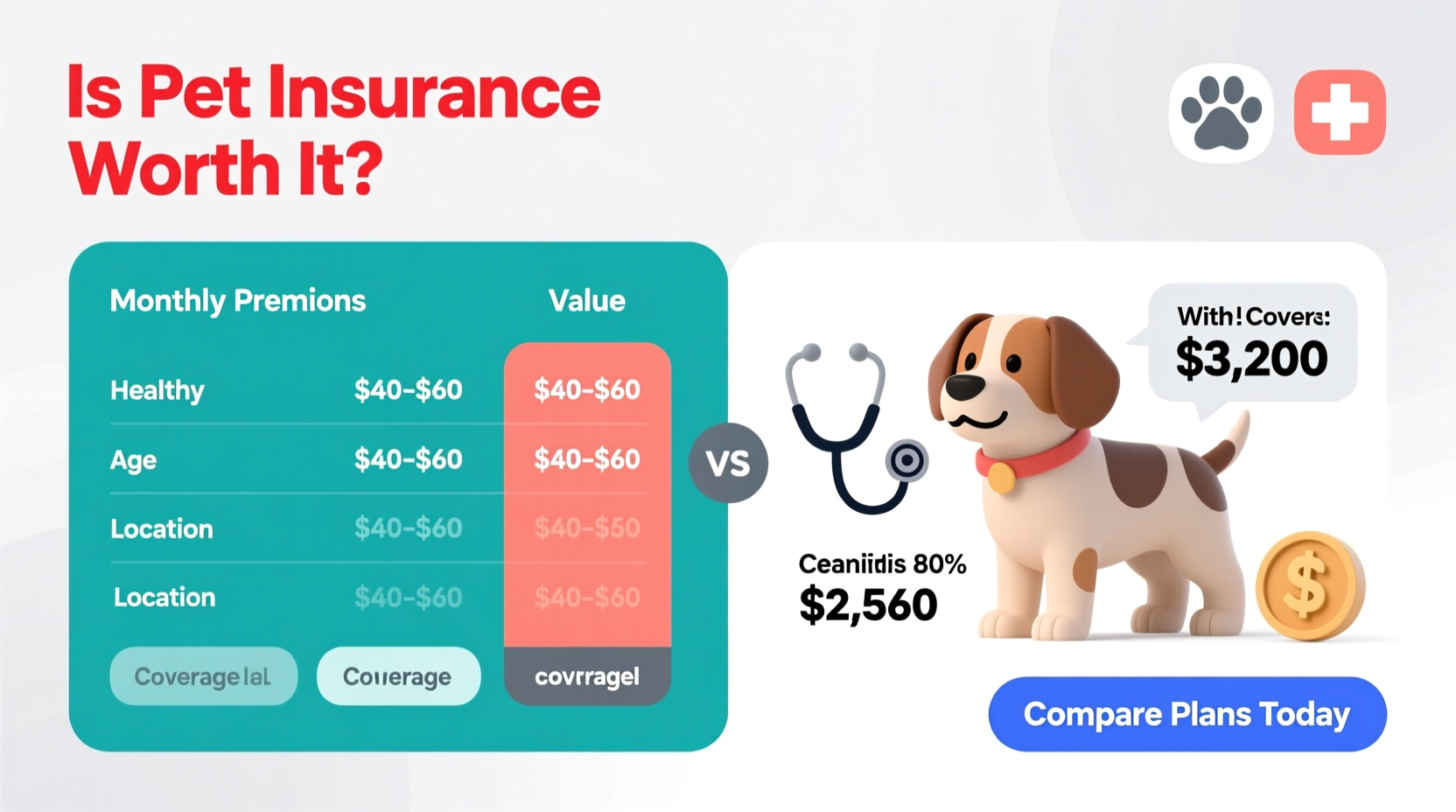
Pet insurance premiums have risen steadily over the past decade. In 2024, the average monthly cost for dog insurance ranges from $35 to $75, while cat insurance typically runs $25 to $50. Some high-risk breeds or older pets may pay even more. Several key factors contribute to these prices:
- Veterinary inflation: The cost of veterinary care has increased by over 6% annually in recent years due to advanced diagnostics, specialized treatments, and rising labor costs.
- Breed predispositions: Certain breeds are genetically prone to health issues—like hip dysplasia in German Shepherds or dental disease in small dogs—leading insurers to charge higher premiums.
- Age of the pet: Older pets face a higher risk of illness, so insurers adjust rates accordingly. Enrolling early (before age 5) usually locks in lower rates.
- Geographic location: Urban areas with higher living costs tend to have pricier vet services, which directly affects insurance pricing.
- Plan scope: Comprehensive plans covering hereditary conditions, cancer, and chronic diseases cost more than basic accident-only policies.
Is Pet Insurance Worth It? A Real-Life Example
Consider Sarah, a pet owner in Denver with a 3-year-old Labrador named Max. One weekend, Max swallowed a sock and required emergency abdominal surgery. The total bill came to $3,800. Sarah had a mid-tier pet insurance plan with a $500 deductible and 80% reimbursement rate.
After submitting the claim, she was reimbursed $2,640—leaving her responsible for just $1,160 out of pocket. Her annual premium was $520 ($43/month), meaning she paid about $1,560 in premiums over three years. Even after accounting for routine care not covered by insurance, she still saved significantly compared to paying the full surgical cost herself.
This scenario illustrates how insurance shifts unpredictable, high-cost risks into predictable monthly payments. For many, that peace of mind alone adds value beyond the dollar amount.
Comparing Plan Types and Coverage Trade-Offs
Not all pet insurance plans are created equal. Choosing the right level of coverage impacts both cost and usefulness. Here's a breakdown of common plan types:
| Plan Type | Coverage Scope | Average Monthly Cost | Best For |
|---|---|---|---|
| Accident-Only | Injuries from trauma (e.g., fractures, poisoning) | $20–$35 | Young, active pets; budget-conscious owners |
| Accident + Illness | Accidents plus infections, allergies, cancer, etc. | $40–$70 | Most pet owners seeking meaningful protection |
| Comprehensive | Full medical coverage including hereditary & chronic conditions | $60–$100+ | Breeds prone to genetic disorders; long-term planning |
| Wellness Add-On | Vaccines, flea prevention, dental cleanings (usually optional) | $10–$25 extra | Proactive care seekers |
While comprehensive plans offer the broadest safety net, they also carry the steepest premiums. Many owners opt for accident-and-illness coverage as a balanced middle ground.
“Pet insurance isn’t about covering routine costs—it’s about protecting against catastrophic expenses that could otherwise force difficult decisions.” — Dr. Lisa Marucci, DVM and Veterinary Financial Advisor
How to Reduce Pet Insurance Costs Without Sacrificing Value
You don’t need to pay top dollar for effective coverage. Strategic choices can keep premiums manageable while preserving essential benefits:
- Compare multiple providers: Use comparison tools to evaluate at least 3–4 insurers. Companies like Lemonade, Fetch, and Nationwide offer different structures and discounts.
- Adjust your deductible: Raising your annual deductible from $250 to $500 can reduce premiums by 15–30%, especially if you’re confident in handling smaller vet bills yourself.
- Choose a higher reimbursement percentage wisely: While 90% reimbursement sounds better than 70%, it significantly increases premiums. Evaluate your typical spending to find the sweet spot.
- Look for multi-pet discounts: Most insurers offer 5–10% off when insuring two or more pets.
- Avoid overlapping wellness coverage: If you already budget for vaccines and checkups, skip the add-on and save money.
Frequently Asked Questions
Does pet insurance cover pre-existing conditions?
No reputable pet insurance company covers pre-existing conditions—those diagnosed or showing symptoms before enrollment. This is a major reason to enroll pets early, ideally before any health issues arise.
Can I use any veterinarian with pet insurance?
Yes, unlike human health insurance, most pet insurance plans allow you to visit any licensed vet, specialist, or emergency clinic in the U.S. (and sometimes internationally). Reimbursement works after you pay the bill upfront.
Are there lifetime limits on claims?
Some older plans impose annual or lifetime caps (e.g., $10,000 per year), but many modern insurers now offer unlimited coverage per condition. Always confirm this when shopping—unlimited coverage prevents running out during long-term treatments.
Final Verdict: Is Pet Insurance Worth the Cost?
The value of pet insurance depends on your financial comfort level, your pet’s health risks, and your willingness to absorb unexpected costs. For some, self-insuring—setting aside money each month instead of paying premiums—may work. But statistically, serious veterinary events occur more frequently than many expect.
A 2023 industry report found that nearly 1 in 4 insured pets filed a claim each year, with average payouts exceeding $400 per incident. For chronic conditions like diabetes or kidney disease, cumulative treatment costs often surpass $5,000 over time—far exceeding years of premium payments.
If the thought of a $3,000 vet bill causes stress, pet insurance likely offers tangible peace of mind. It won’t cover everything, and it requires diligence in understanding exclusions and claims processes. But when used strategically, it transforms financial uncertainty into manageable planning.
💬 Ready to make an informed decision? Review your pet’s breed risks, compare three quotes today, and consider locking in coverage while your pet is young and healthy. Your future self—and your furry friend—might thank you.








