Cats are notoriously selective about their drinking habits. Unlike dogs, who often lap up water readily, many cats show little interest in their water bowl—sometimes going hours without taking a sip. This behavior raises concerns among pet owners: Are they getting enough hydration? Could the type of water source make a difference? With the growing popularity of pet fountains, the debate between traditional bowls and flowing fountains has intensified. But do cats actually drink more water from one over the other?
The answer isn't just a matter of preference—it's tied to biology, instinct, and long-term health. Chronic dehydration in cats is a silent issue that contributes to urinary tract problems, kidney disease, and bladder stones. Choosing the right water delivery system may be one of the simplest yet most impactful decisions for your cat’s well-being.
Why Hydration Matters for Cats
Cats evolved from desert-dwelling ancestors, which means they have a naturally low thirst drive. They’re designed to get most of their moisture from prey, not from standing water. In the wild, cats consume whole animals—muscle, organs, blood—all rich in fluids. Today’s domestic cats, especially those on dry kibble diets, miss out on this essential moisture intake.
On average, a cat eating only dry food must drink nearly all their required water independently. Without sufficient intake, urine becomes highly concentrated, increasing the risk of crystal formation and inflammation in the urinary tract. Veterinarians frequently see cases of feline lower urinary tract disease (FLUTD), many of which could be mitigated with improved hydration.
“Increasing water consumption is one of the most effective ways to prevent common feline illnesses like cystitis and chronic kidney disease.” — Dr. Laura Greensmith, Feline Internal Medicine Specialist
The method by which water is offered plays a critical role in whether a cat will drink consistently throughout the day. That brings us to the central question: does a pet fountain encourage more drinking than a standard bowl?
How Pet Fountains Work and Why Cats Might Prefer Them
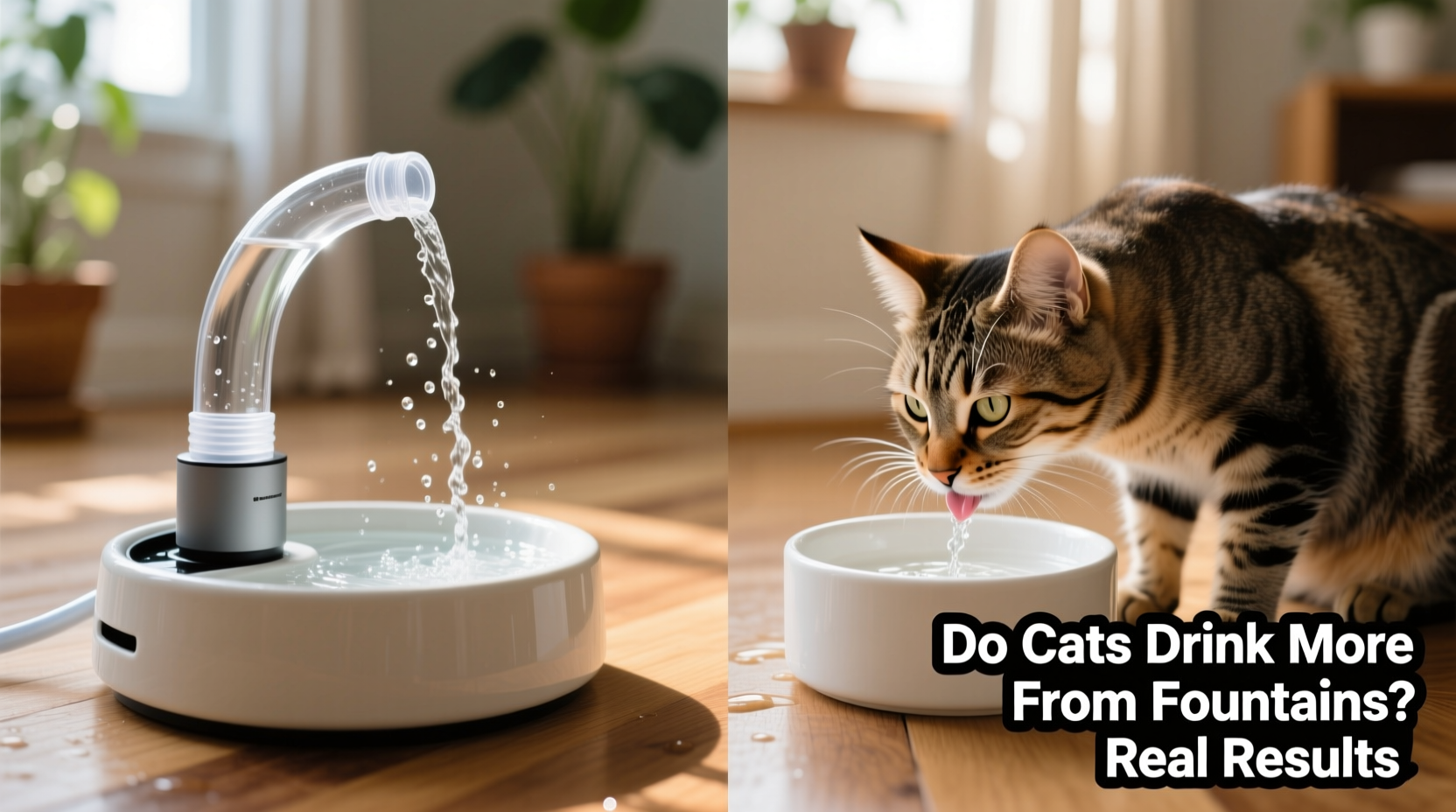
Pet fountains circulate water using a small pump, filtering and aerating it continuously. The movement mimics a natural water source—a stream or spring—which appeals to a cat’s instinctual preference for fresh, flowing water. In the wild, still water can harbor bacteria or parasites, so moving water signals safety and freshness.
Many cat owners report immediate increases in water intake after introducing a fountain. The sound and sight of trickling water can pique curiosity, especially in younger or more playful cats. Some models even include multiple flow settings, allowing customization based on individual preference.
Beyond attraction, fountains often improve water quality. Most come with carbon and foam filters that reduce chlorine, hair, dust, and other debris. This keeps the water tasting cleaner for longer, encouraging repeated visits.
Tip: Place the fountain in a quiet area away from loud appliances. Some cats are sensitive to motor noise and may avoid noisy units.Traditional Water Bowls: Simplicity with Limitations
Bowls remain the most common water source for cats. They’re inexpensive, easy to clean, and widely available. However, they come with several drawbacks that may discourage drinking:
- Stagnation: Water sits still, collecting dust, fur, and airborne particles.
- Odor absorption: Plastic bowls can leach chemicals or absorb smells, making water unpalatable.
- Narrow rims: Many cats dislike having their whiskers touch the sides of deep or narrow bowls (a condition known as “whisker fatigue”).
- Location issues: If placed next to food or in high-traffic areas, cats may avoid them due to stress or territorial instincts.
Even with frequent changes, bowls can’t replicate the sensory appeal of moving water. A study published in the *Journal of Feline Medicine and Surgery* found that cats exposed to both still and flowing water sources consistently chose the fountain, with an average 20–50% increase in daily water consumption.
Comparative Analysis: Fountain vs Bowl
| Feature | Pet Fountain | Traditional Bowl |
|---|---|---|
| Water Movement | Continuous flow, mimics natural streams | Still, stagnant unless changed frequently |
| Freshness | Filtered and aerated; stays fresher longer | Degrades quickly, especially in warm rooms |
| Hygiene Maintenance | Requires weekly cleaning and filter changes | Easier daily wipe-downs, but frequent refills needed |
| Whisker Comfort | Wider surface area; less whisker contact | Deep bowls may cause whisker stress |
| Initial Cost | $30–$80 depending on model and features | $5–$20 |
| Energy Use | Low-wattage pump runs continuously | None |
| Water Consumption Impact | Typically increases intake by 20–50% | No inherent incentive to drink more |
The data suggests that while bowls are functional, fountains offer distinct advantages in promoting hydration. However, success depends on proper implementation and ongoing maintenance.
Real-World Example: One Household’s Transformation
Sarah, a cat owner from Portland, noticed her 7-year-old tabby, Milo, was urinating frequently and seemed lethargic. A vet visit revealed mild dehydration and early signs of urinary crystals. Sarah had been using a plastic water bowl near Milo’s food dish, refilling it once daily.
On her vet’s recommendation, she switched to a stainless steel pet fountain placed in a quiet corner of the living room, away from the litter box and feeding area. Within three days, Milo began investigating the flowing water. By the end of the first week, his water intake visibly increased—he was seen drinking multiple times a day, something he’d rarely done before.
After one month, a follow-up urine test showed improved dilution and no new crystal formation. Sarah credits the change primarily to the fountain’s appeal and better water quality. “He used to ignore the bowl,” she said. “Now he’ll sit and watch the water trickle, then take a few sips. It’s become part of his routine.”
Step-by-Step Guide to Transitioning from Bowl to Fountain
If you're considering switching to a pet fountain, follow these steps to ensure a smooth transition:
- Choose the Right Model: Opt for BPA-free materials like stainless steel or ceramic. Avoid cheap plastic fountains that may leach odors.
- Introduce Gradually: Place the fountain beside the existing bowl. Let your cat investigate it without turning it on at first.
- Start the Flow: Turn on the fountain and allow your cat to hear and observe the water. Some cats approach immediately; others may take days.
- Maintain Cleanliness: Clean the fountain weekly with white vinegar or mild soap. Replace filters as recommended (usually every 2–4 weeks).
- Monitor Behavior: Track how often your cat drinks and any changes in litter box habits. Increased urination is a positive sign of better hydration.
- Retire the Bowl (Eventually): Once your cat consistently uses the fountain, remove the old bowl to avoid confusion or contamination.
Common Misconceptions About Cat Drinking Habits
Several myths persist about how cats hydrate, leading to poor choices in water management:
- Myth: Cats don’t need much water. While their thirst drive is low, their physiological need remains high—especially on dry diets.
- Myth: All bowls are the same. Material matters. Plastic can cause chin acne and off-flavors. Stainless steel or glass is preferable.
- Myth: Any fountain will work. Some pumps are too loud, and poorly designed fountains create splashing or hard-to-reach drinking zones.
- Myth: Wet food eliminates the need for drinking. While wet food helps, additional water intake is still beneficial, particularly for cats with medical conditions.
Checklist: Optimizing Your Cat’s Hydration Setup
Use this checklist to evaluate and improve your cat’s access to water:
- ☑ Offer multiple water sources in different locations (e.g., kitchen, bedroom, basement)
- ☑ Use wide, shallow bowls or fountains to prevent whisker stress
- ☑ Clean water containers daily; replace water every 12–24 hours
- ☑ Choose non-porous materials (stainless steel, ceramic, glass)
- ☑ Place water stations away from food, litter boxes, and noisy appliances
- ☑ Consider a fountain if your cat is on dry food or has a history of urinary issues
- ☑ Monitor urine volume and consistency—dark, infrequent urination indicates dehydration
Frequently Asked Questions
Do all cats prefer pet fountains?
No—not every cat will immediately take to a fountain. Older or shy cats may be cautious about the sound or movement. Introduce it slowly and respect their pace. Some cats may continue preferring a still bowl, especially if it’s kept exceptionally clean.
Can I use tap water in a pet fountain?
Yes, but consider your local water quality. If your tap water is high in minerals or chlorine, use filtered water to extend filter life and improve taste. Hard water can lead to scale buildup in the pump.
How often should I clean a pet fountain?
Full disassembly and cleaning should happen at least once a week. Rinse the reservoir and parts with vinegar or mild dish soap. Replace filters every 2–4 weeks, depending on usage and manufacturer guidelines.
Final Thoughts: Does the Fountain Win?
The evidence strongly supports that pet fountains can lead to increased water consumption in cats. Their design taps into natural instincts, offering fresh, moving water that’s more appealing than a stagnant bowl. For cats on dry food, seniors, or those with urinary histories, the benefits are particularly clear.
That said, the best water system is the one your cat actually uses. Some cats adapt instantly; others need time or may never accept a fountain. The key is observation, patience, and consistency. Whether you choose a fountain or a high-quality bowl, focus on cleanliness, placement, and accessibility.
Ultimately, the goal isn’t just to provide water—it’s to encourage regular, voluntary drinking throughout the day. Small changes in delivery can yield significant improvements in long-term health. Hydration isn’t glamorous, but it’s foundational.
🚀 Take action today: Evaluate your cat’s current water setup. Try introducing a fountain or upgrading to a better bowl. Track their habits for a week—you might be surprised by the difference a simple change can make.








